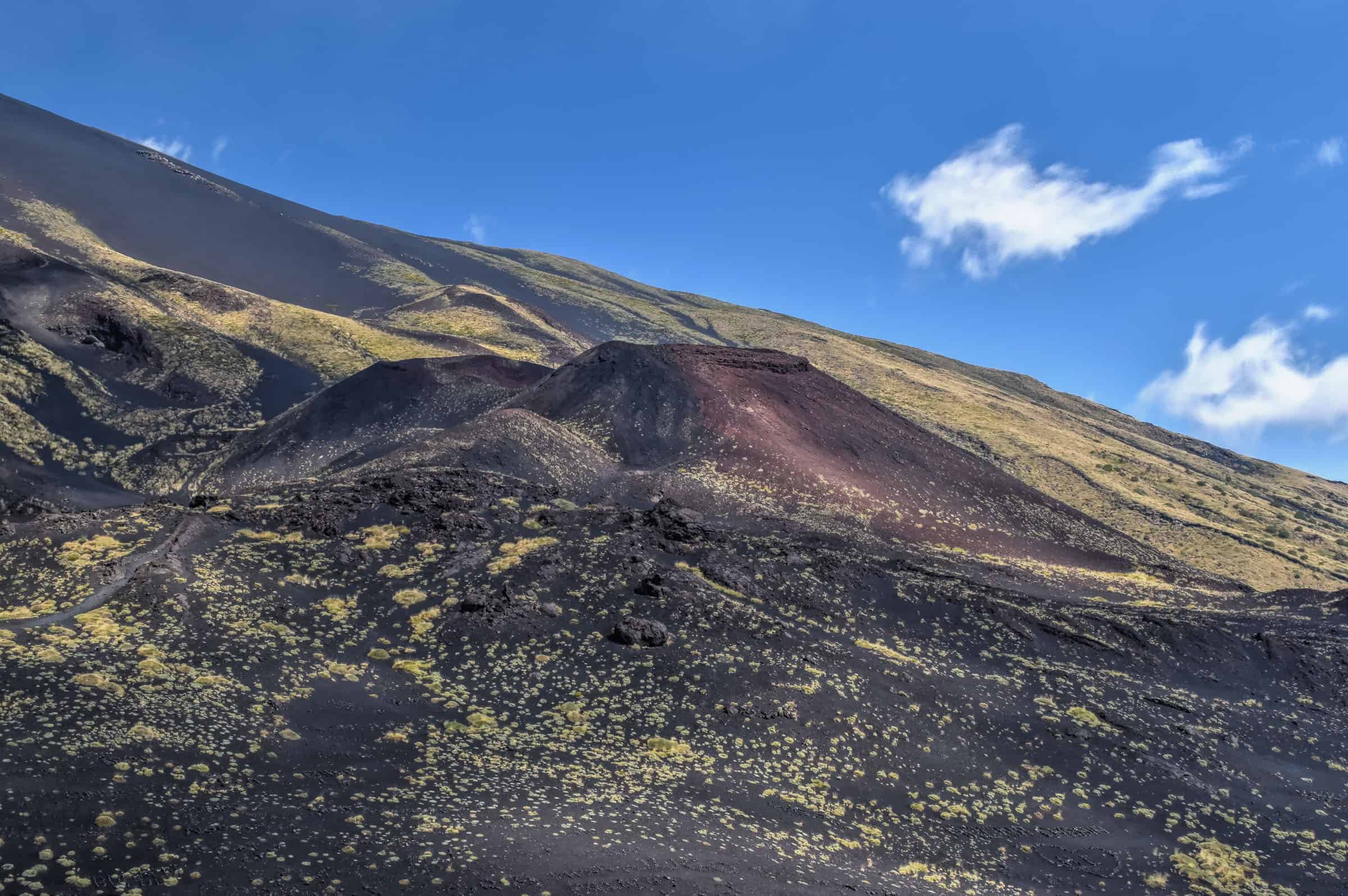
Mount Etna is one of the most unique experiences in Sicily, combining volcanic landscapes, hiking trails, and the opportunity to explore Europe’s highest active volcano.
However, visiting Etna isn’t as straightforward as it might seem. Access to the summit is restricted, routes vary depending on how you visit, and there are several different ways to experience the volcano, from short walks around lower craters to guided excursions toward the summit.
This guide covers how to visit Mount Etna, including guided tours vs independent visits, what to expect on the mountain, and how to choose the right experience based on your time, budget, and level of effort.
Mount Etna Visit Highlights – At a Glance
Why Visit Mount Etna
– Europe’s highest active volcano: A unique landscape of craters, lava fields, and volcanic terrain
– UNESCO World Heritage Site: Recognized for its geological significance
– One-of-a-kind scenery: Stark, lunar-like landscapes unlike anywhere else in Sicily
– Multiple ways to experience it: From easy crater walks to guided summit excursions
Good to Know
– Main access point: Most visits start from Rifugio Sapienza (1 hour from Catania; 1h30 from Taormina)
– Summit access is restricted: You must join a guided tour to go beyond certain elevations
– How you reach the summit: Cable car + 4×4 bus + short guided hike
– Cost & duration (summit tours): ~€80 per adult (2026); typically 2.5–3 hours from the cable car station
– Independent visits: Limited to lower areas, including the Silvestri Craters near Rifugio Sapienza
– Dress in warm clothes: It’s significantly colder near the summit (often 15-20°C colder than on the nearby coast), and typically quite windy.


Disclosure: This page (Mount Etna Guide) may contain product affiliate links. At no additional cost to you, we may receive a commission for purchases made through these links. More details can be found on our disclosure and policies page.
How to Visit Mount Etna
There are two main ways to visit Mount Etna: joining a group tour with transport included, or getting there independently and organizing your visit yourself.
Visiting Mount Etna via a Group Tour (from Catania or Taormina)
Group tours are often the simplest way to visit Etna, especially if you’re staying in Catania or Taormina. Most tours include hotel pickup, transport to Rifugio Sapienza, and the necessary tickets for the cable car and guided summit experience.
This option removes the need to plan logistics or book anything separately, making it a good choice if you prefer a more structured and hassle-free visit.
Group Tour Advantages:
– Transport, tickets, and logistics handled for you
– Easy pickup from major bases like Catania or Taormina
– No need to worry about parking or navigating mountain roads
Disadvantages:
– Fixed schedule with less flexibility
– Typically more expensive than organizing independently
– Less control over pace and time spent on-site
If you are interested in booking a tour to visit Mount Etna, this is one of the most popular tours departing from Taormina (departure at 8:30 am):
This is one of the most popular tours departing from Catania (departure at 7:30 am):
Visiting Mount Etna Independently
Visiting independently gives you more control over your schedule and how much time you spend on the mountain. You’ll need to drive to Rifugio Sapienza yourself and purchase any tickets on-site (or in advance – see further below for link to website), including the cable car and guided summit tours if you plan to go higher.
Visiting independently works well if you’re comfortable driving and prefer a more flexible visit, especially if you plan to explore only the lower craters.
Advantages:
– Full flexibility in timing and duration
– Can be more cost-effective
– Ideal for combining with other stops nearby
Disadvantages:
– You must organize transport and tickets yourself
– Require a vehicle and driving 1h+
– Summit access still requires booking a guided tour
How to Get to Mount Etna (if getting there yourself)
By Car
Driving is the most flexible and common way to reach Mount Etna, especially if you’re visiting independently.
While it is possible to visit the northern slopes, most visitors head to the more accessible southern access point at Rifugio Sapienza (Etna South – link to Google Maps), which is reached by driving inland toward either Nicolosi (if departing from Catania) or Zafferana Etnea (if departing from Taormina), before continuing up the mountain.
The final stretch involves winding roads and a series of switchbacks, but the roads are paved and secure, and the drive itself is manageable for most drivers. Just allow a bit of extra time and take it slow on the ascent.
Approximate driving times:
– From Catania: 1h
– From Taormina: 1h30
If you need to book a rental vehicle for your travels, we highly recommend using Discover Cars to get the best rates on your rental in Sicily.
We also highly recommend Airalo (eSIM card) for your connectivity needs when travelling abroad. Airalo is the world’s first and largest eSIM store with eSIM plans for 200+ countries and regions worldwide.
Parking at Rifugio Sapienza
Parking is relatively easy. There are several large paid parking areas near Rifugio Sapienza.
- Expect to pay a small fee for designated lots (typically half day: 2.5€, Full day: 4€)
- Availability is generally good, though it can get busier in peak summer months
- Parking is located within a short walk of the cable car station and main starting points
Overall, compared to many popular sites in Sicily, parking here is fairly easy and not a major concern.
By Public Bus
It is possible to reach Etna using public transport from Catania (AST bus), but there is a single daily departure, limiting flexibility.
- Departure: 8:15 am from Piazza Papa Giovanni XXIII (near the main train station)
- Arrival: ~10:15 am at Rifugio Sapienza
- Return: 4:30 pm (arriving back in Catania shortly after 6:00 pm)
Visiting Mount Etna – What to Expect
Visiting Mount Etna is not a single hike to the summit, but rather a step-by-step process that depends on how high you choose to go.
Visits begin at Rifugio Sapienza, from where you can either explore the lower craters independently (more on this option further below) or continue higher using a combination of transport and guided hiking.
Schedule, Costs & Practical Details (2026 prices)
- Cable car only: €54 (adults)
- Full experience (Tour 3000): €81 (adults), including cable car + 4×4 + guide
- Operating hours: Cable car runs daily from 8:30 AM to 4:00 PM (last descent ~3:50 PM), subject to weather and volcanic conditions
- Booking: Purchasing online includes Fast Track access, allowing you to skip the ticket line
- Languages: Guided tours are typically available in Italian, English, and French
Step 1: Cable Car (Funivia dell’Etna)
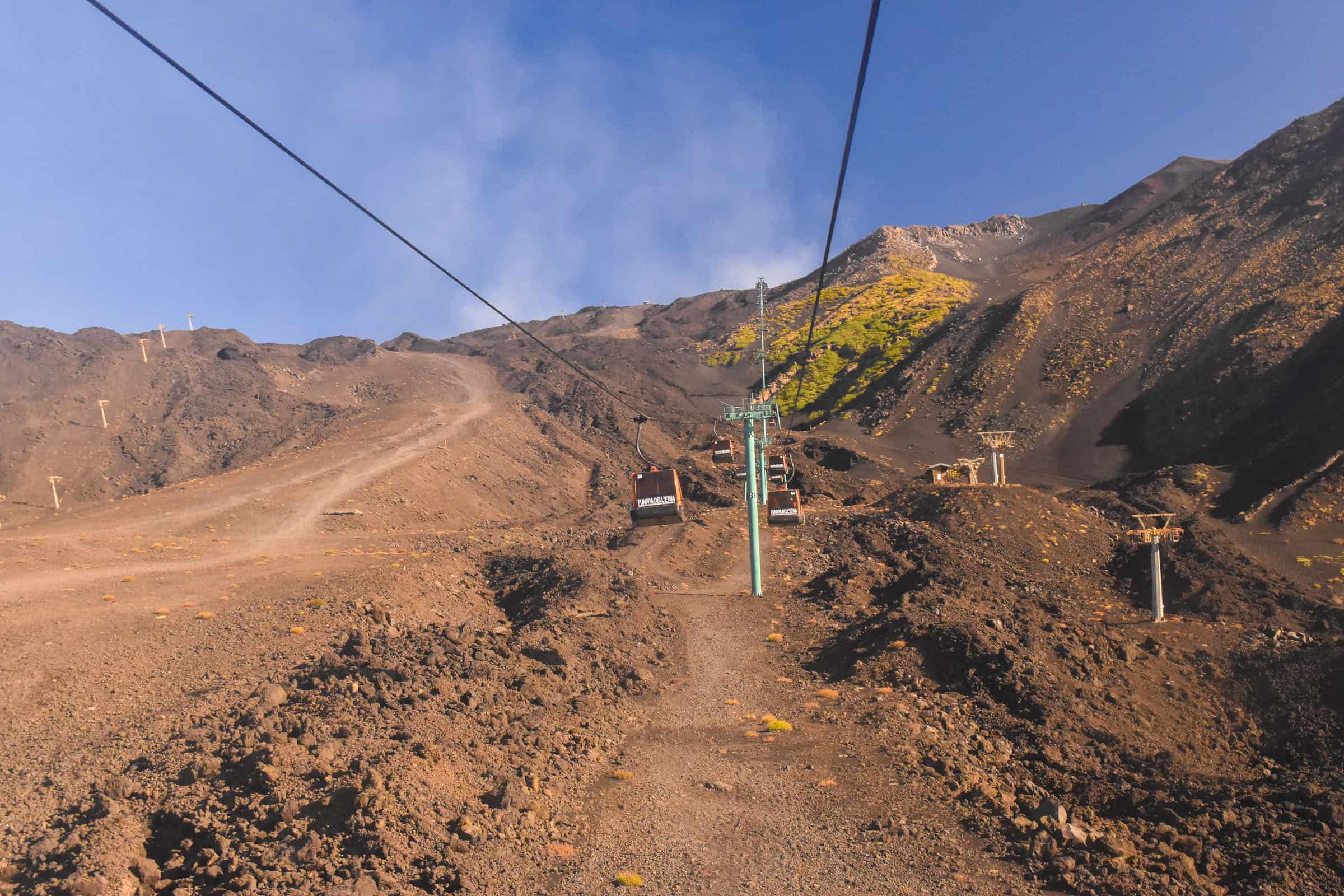
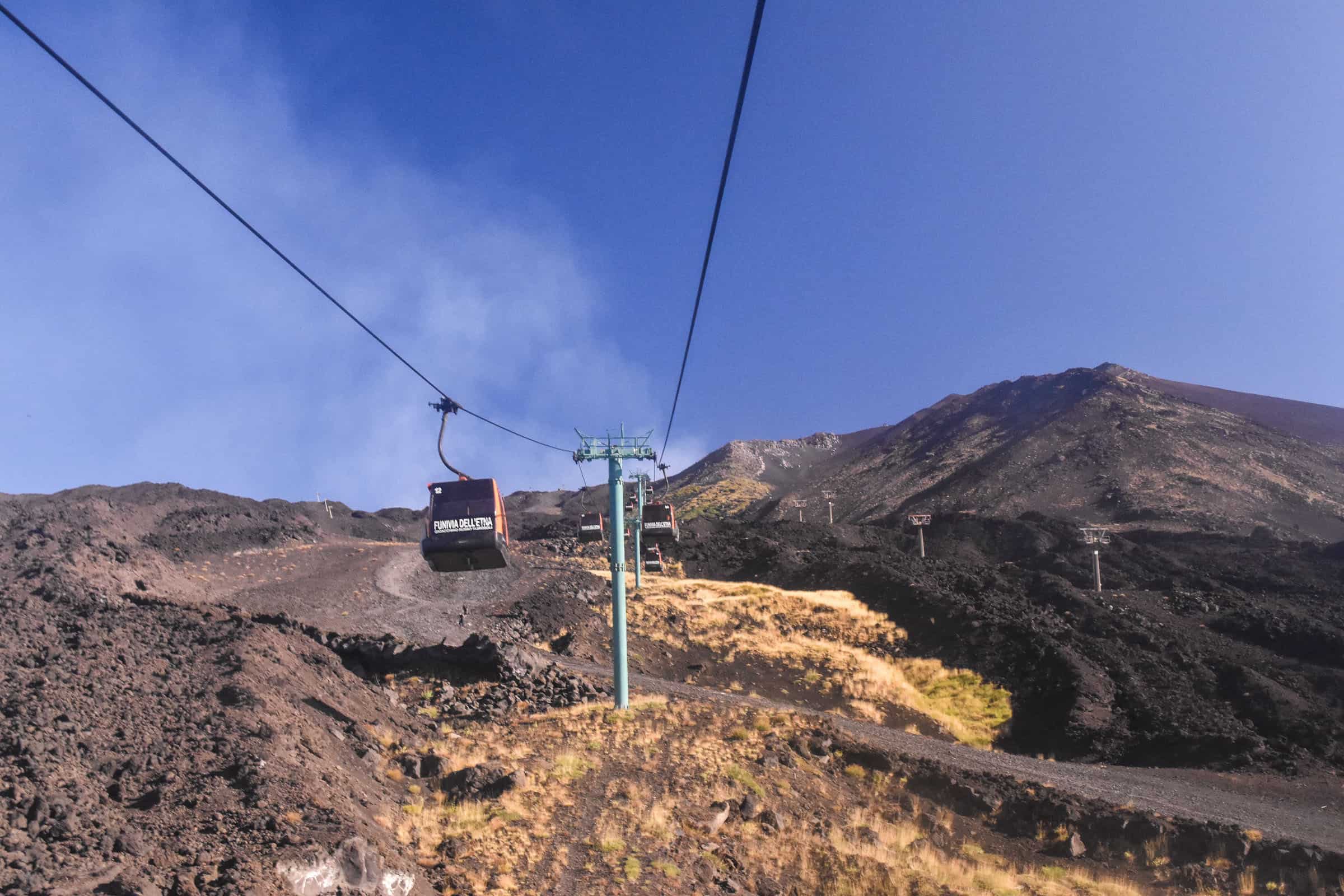
The experience begins with the cable car, which takes you from around 1,900 meters to approximately 2,500 meters in just under 15 minutes.
This section offers your first real sense of the scale of the volcano, with views over lava fields and, on clear days, the coastline stretching far below.
Even if you don’t go all the way to the summit, this section already offers expansive views over the volcanic landscape.
Step 2: 4×4 Transport to Higher Elevations
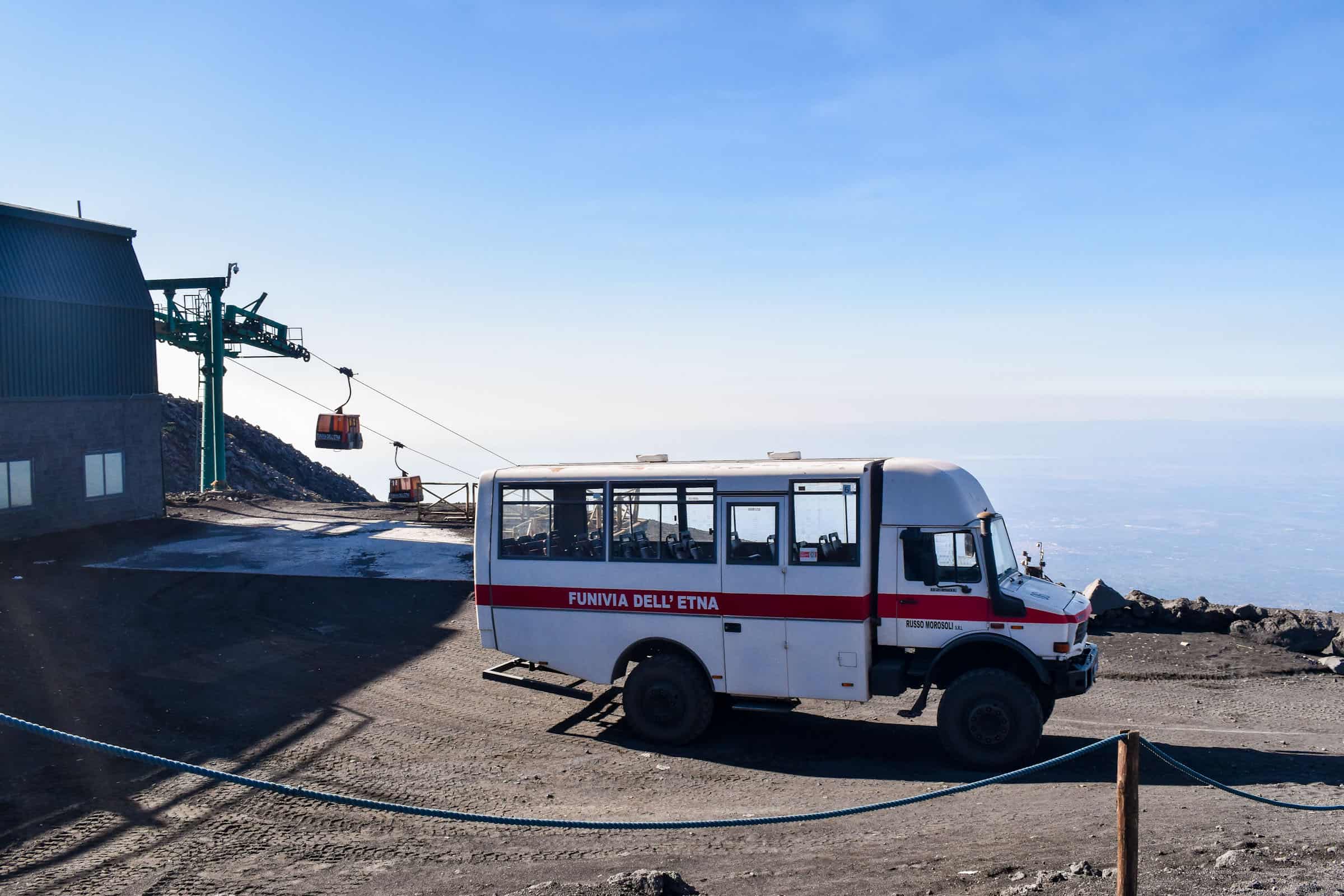
From the upper cable car station, specially designed 4×4 buses transport visitors further up the mountain, usually to around 2,800–2,850 meters, depending on current safety restrictions.
This portion follows a controlled access road and is only available as part of the full guided experience.
Step 3: Guided Hike (Tour 3000 Experience)
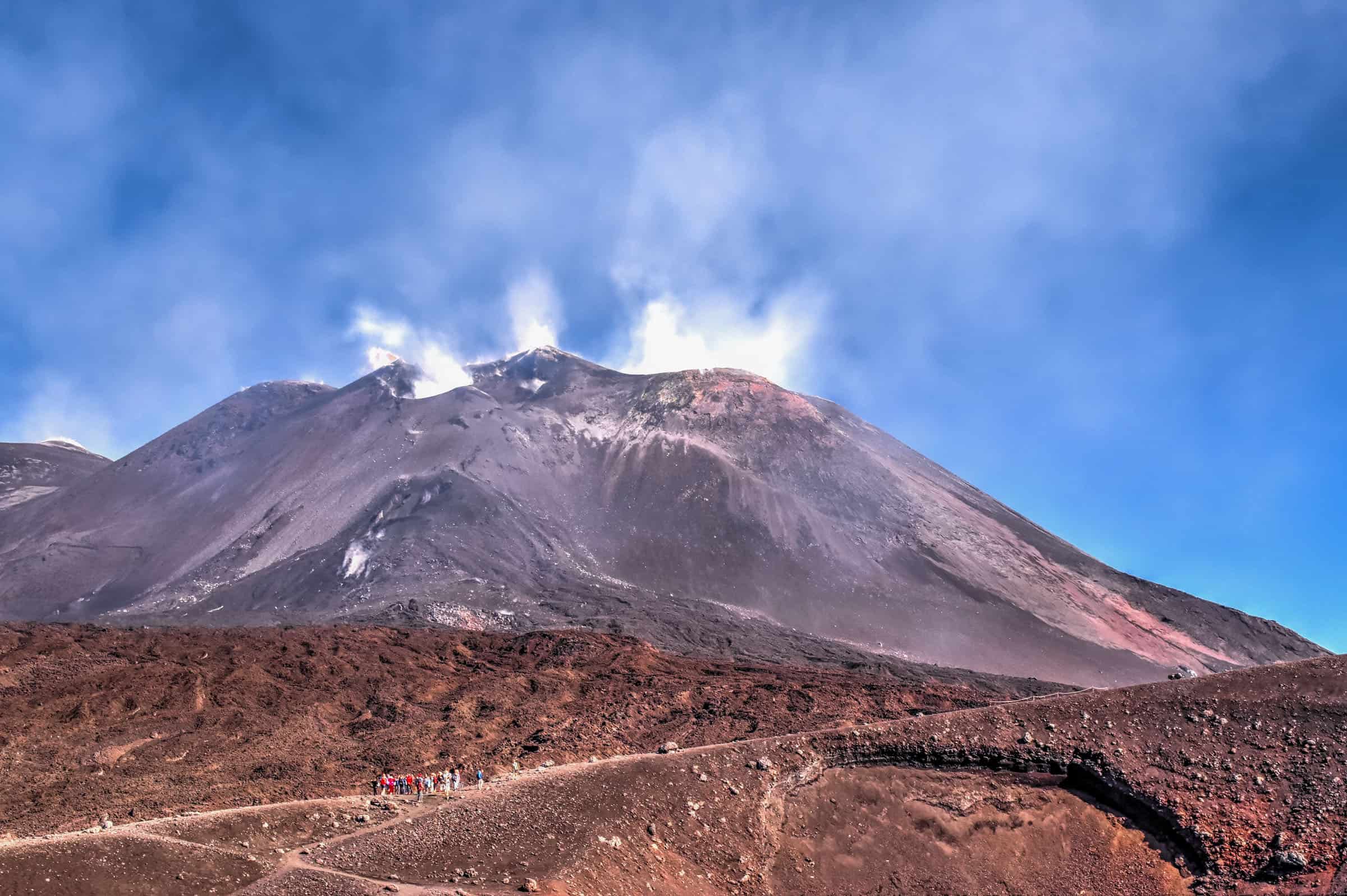
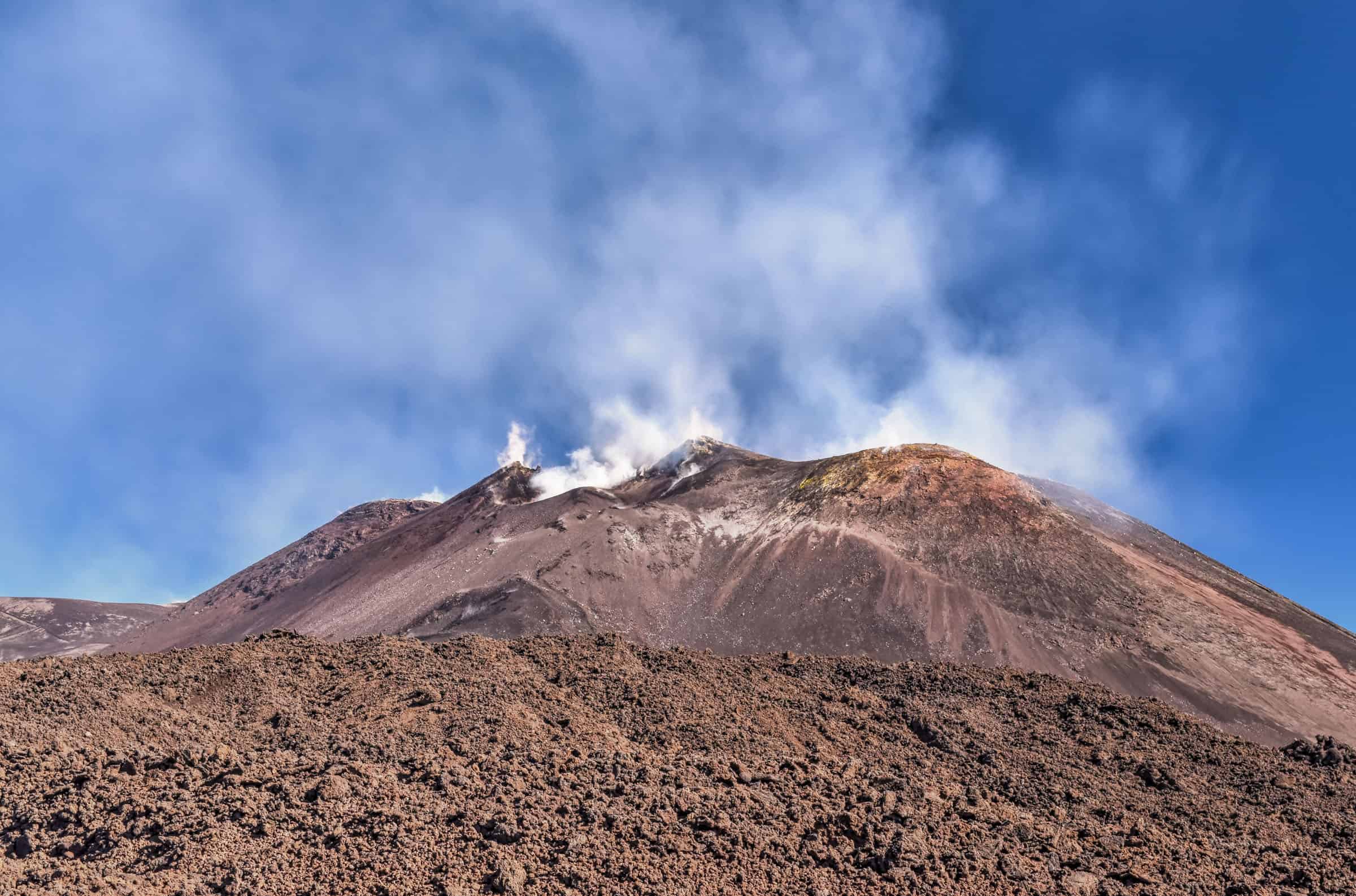
From the final drop-off point, the experience continues on foot with a certified guide, typically reaching elevations of around 3,000 meters.
Along the way, you’ll explore volcanic terrain, including:
- Recent lava flows
- The 2002 craters
- Effusive vents and lava channels
- The Torre del Filosofo area
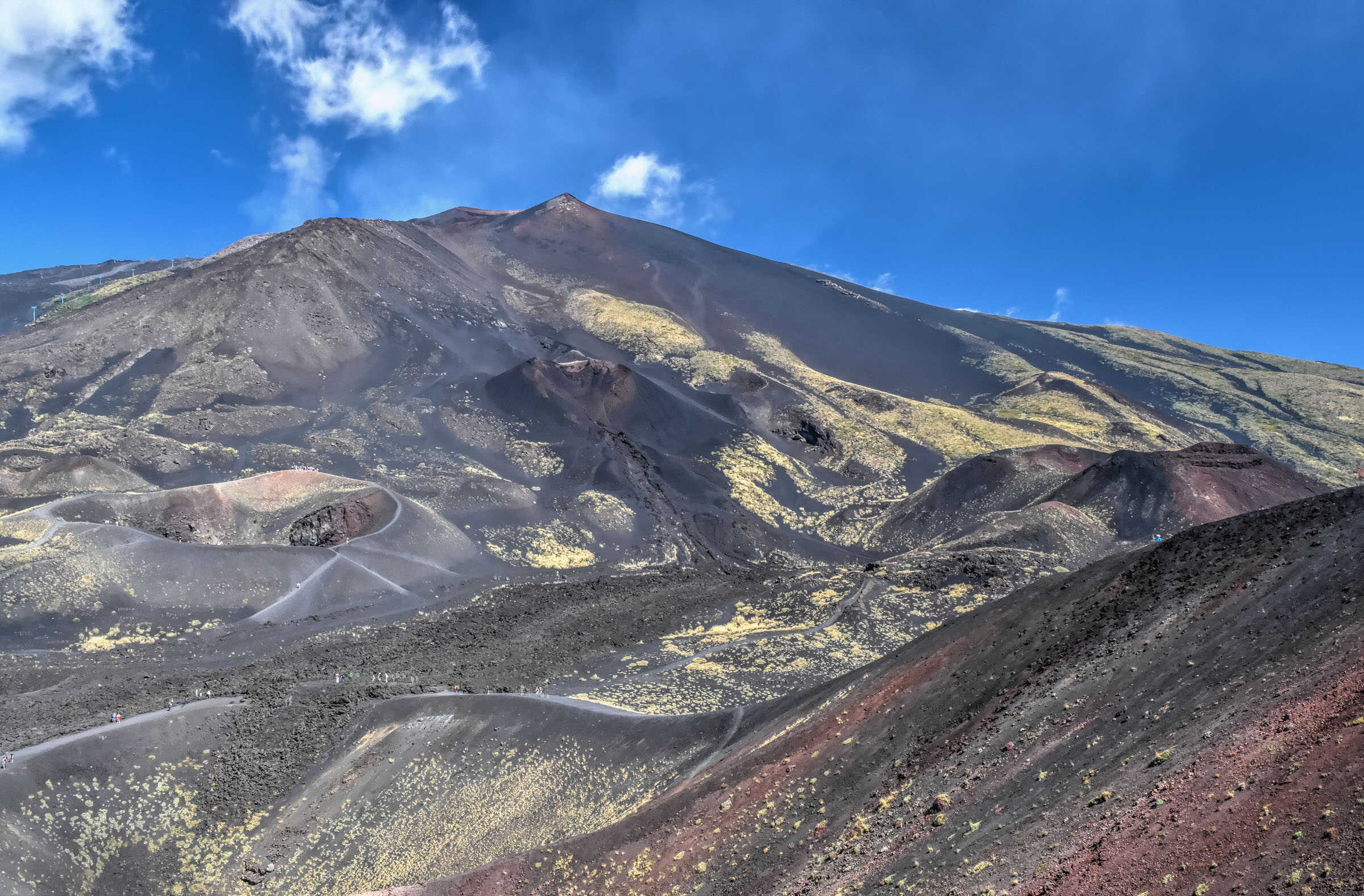
You’ll also get views toward the summit craters (access varies depending on activity levels), as well as sweeping panoramas over the Valle del Bove and, on clear days, the Ionian coastline.


Alternatives to the Mount Etna Summit Experience
The full summit experience on Mount Etna is not for everyone. It’s relatively expensive, time-bound, and requires following a guided route.
Many visitors instead opt for simpler alternatives that still provide a good sense of the volcano without the cost or commitment.
Option 1: Cable Car Only
For a slightly less involved experience, you can take the cable car up to around 2,500 meters without continuing with the 4×4 and guided hike.
From the upper station, you’re generally free to explore the surrounding area, including short paths around nearby craters and volcanic terrain. Some visitors also walk toward the lower Torre del Filosofo area, depending on current access rules.
- Cost: €54 (adults)
- Experience: Views, volcanic terrain, light exploration
- Effort: Low to moderate
That said, independent access is typically limited to elevations below roughly 2,750–2,900 meters. Regulations can change depending on volcanic activity, so it’s important to check what is currently permitted on the day of your visit.
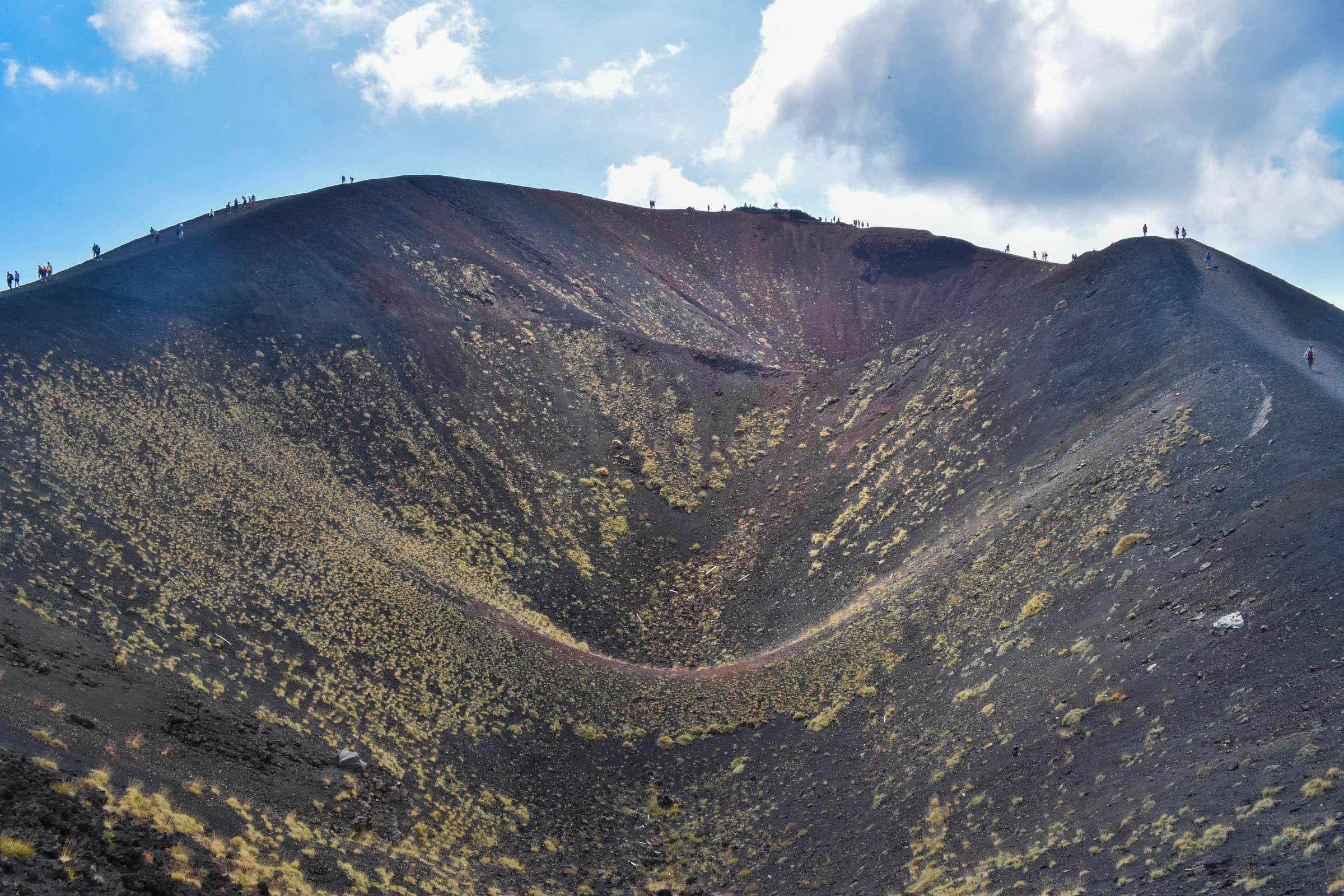
Option 2: Silvestri Craters
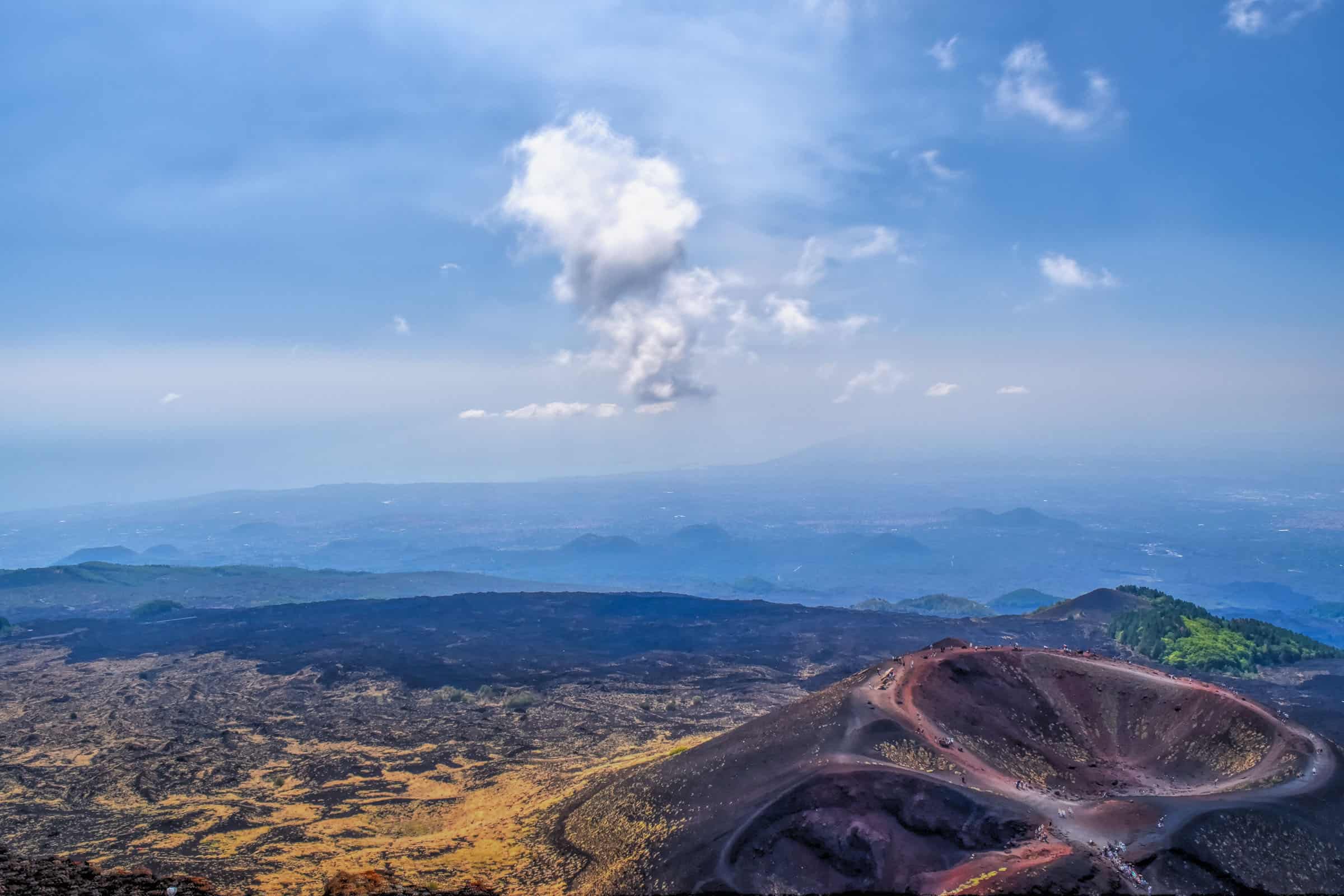
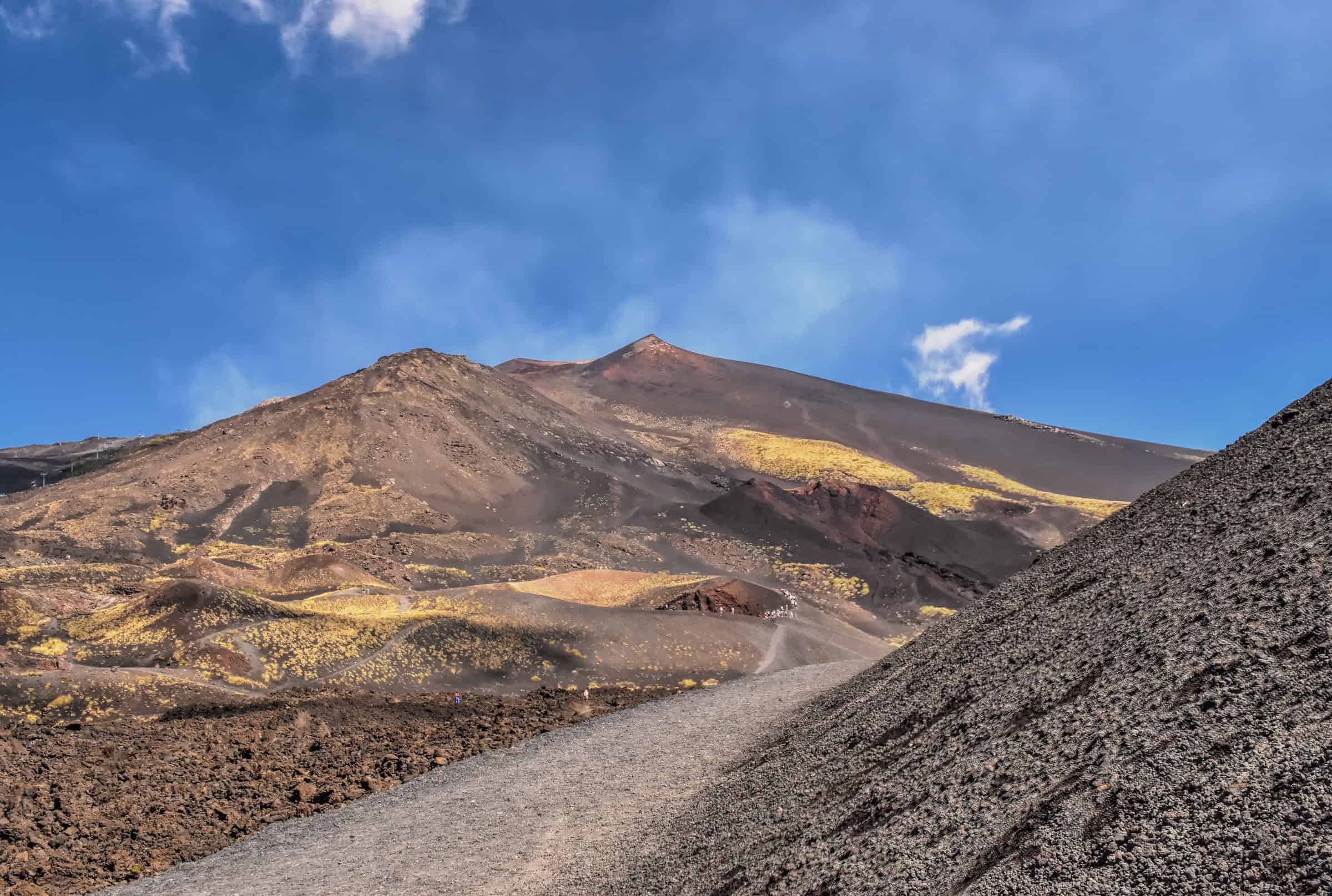
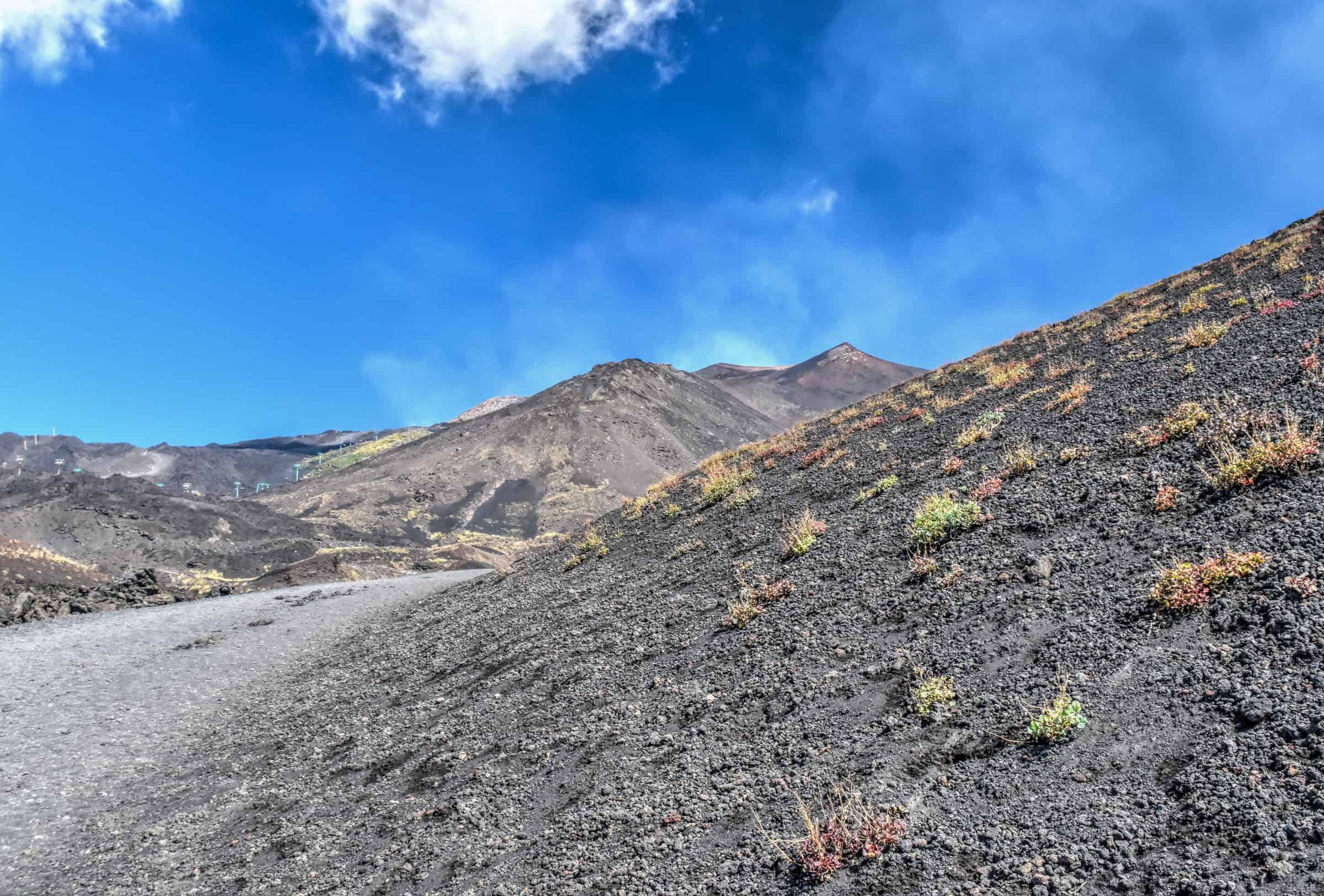
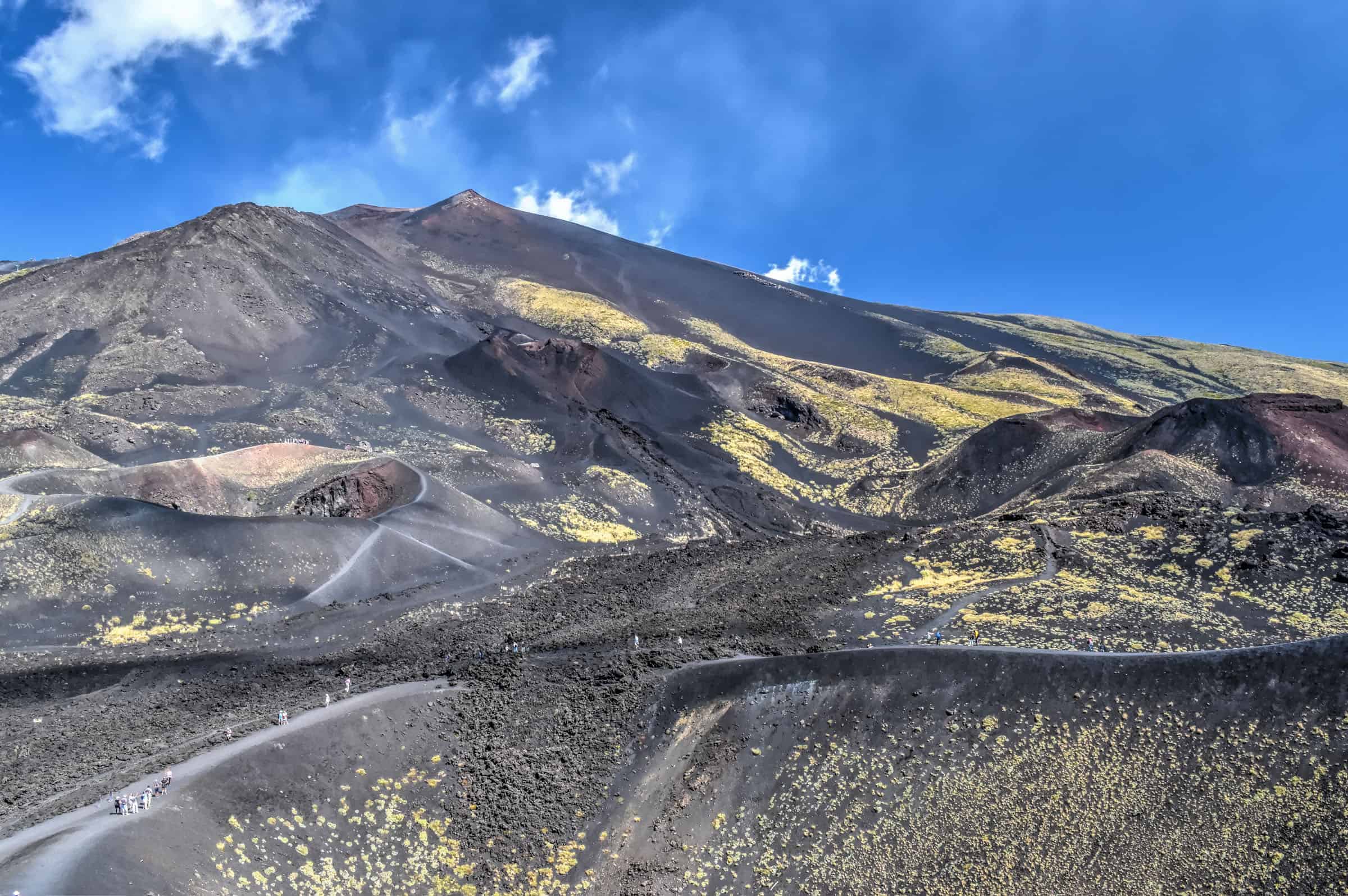
The Silvestri Craters are the easiest and most accessible way to experience Etna, located directly next to Rifugio Sapienza.
Formed during a 1892 eruption, these extinct craters can be explored on foot via short, well-defined trails.
- Cost: €5
- Time required: 30–60 minutes
- Difficulty: Easy (suitable for families and most visitors)
You can walk along the rim of both the lower crater (very easy, near the road) and the upper crater (a short but slightly steeper climb). From the top, you’ll get wide views over the surrounding lava fields, the summit area, and on clear days, the Ionian coastline.




How Safe Is It to Visit Mount Etna?
Mount Etna is generally considered safe to visit and is one of the most closely monitored active volcanoes in the world.
While Etna erupts frequently, most eruptions are slow-moving and predictable, which allows authorities to manage access safely and keep visitors out of dangerous areas.
Continuous Monitoring & Safety Controls
Etna is monitored 24/7 by Istituto Nazionale di Geofisica e Vulcanologia (INGV), using seismic sensors, cameras, and satellite data.
Based on this information, the Italian Civil Protection Department sets alert levels and determines which areas are open or restricted at any given time.
The volcano is divided into different safety zones, ranging from freely accessible areas to restricted zones near the summit. When activity increases, certain sections may be closed, but others typically remain open and safe to visit.
What This Means for Visitors
- Lower elevations are generally safe: Areas around Rifugio Sapienza and the Silvestri Craters remain accessible even during periods of activity
- Summit access is controlled: Higher elevations are only accessible with certified guides and may be restricted depending on conditions
- Routes can change: Hiking paths and summit access points are adjusted based on volcanic activity
Are Guided Tours Safer?
Yes, guided tours are the safest way to experience higher elevations on Etna.
Certified guides receive up-to-date information on volcanic conditions and adjust routes accordingly. This allows visitors to explore the volcano while staying within safe limits.
Bottom line
Visiting Mount Etna is safe as long as you follow current regulations and stay within permitted areas. The combination of constant monitoring and controlled access makes it possible to experience an active volcano in a safe and well-managed way.
About Mount Etna – Quick Facts & Brief History
Mount Etna is the highest active volcano in Europe, rising to over 3,300 meters, though its exact height changes slightly over time due to frequent eruptions.
Located on the eastern coast of Sicily, Etna has been active for hundreds of thousands of years and continues to erupt regularly. Most eruptions are relatively slow-moving and occur from side vents, which is why the volcano can be safely visited under controlled conditions.
Etna was designated a UNESCO World Heritage Site in 2013, recognized for its exceptional geological importance and continuous volcanic activity.
Over time, eruptions have shaped the surrounding landscape, creating lava fields, craters, and fertile soils that now support vineyards and agriculture on the lower slopes.
Best Time to Visit Mount Etna
The best time to visit Mount Etna depends both on the season and the time of day, as conditions on the volcano can change quickly.
Best Time of Year
Mount Etna can be visited year-round, but the experience varies significantly by season.
- Spring (April–June) and Fall (September–October) are generally the best times to visit, with milder temperatures and clearer conditions
- Summer (July–August) offers the most stable weather, but it can be hot at lower elevations and busier overall
- Winter brings colder temperatures and possible snow at higher elevations, which can limit access but also create a very different landscape
Best Time of Day
If possible, plan your visit for the early morning.
Clouds tend to build up as the day progresses, especially in warmer months, and can often obscure views of the summit and the surrounding landscape by the afternoon.
We noticed this first hand, after completing the summit tour in the morning, we had lunch at the base restaurant, only to notice significant cloud cover as we were ready to leave.

Starting early not only improves your chances of clear views but also helps you avoid crowds and gives you more flexibility if conditions change.
What to Wear & Bring for Mount Etna
Conditions on Mount Etna can feel very different from the coast, even in summer. It’s important to come prepared, especially if you plan to go above the lower craters.
Clothing
- Warm layers are essential
Even if it’s hot in Catania or Taormina, temperatures drop significantly as you gain elevation. - Expect a big temperature difference
In summer (June–August):- Rifugio Sapienza (1,900m) is typically 8–10°C colder than the Sicilian coast. While coast temperatures often exceed 30–35°C, Rifugio Sapienza offers a pleasant 18–24°C, often feeling colder due to wind
- Mount Etna’s summit (3,300m) is significantly colder than the Sicilian coast, often running 15–20°C (27–36°F) lower. The summit often stays around 5-10°C (sometimes up to 15°C), with biting wind. Expect temperatures to feel close to freezing due to wind chill
- Wind protection
A light jacket or windbreaker is highly recommended, particularly for higher elevations.
Footwear
- Sturdy shoes are strongly recommended
The terrain is uneven, loose, and often dusty or rocky. - Hiking shoes or boots are ideal, especially if you plan to go above the cable car station
What to Bring
- Water and snacks (can also be purchased on site)
- Sunscreen, hat/cap, and sunglasses (strong sun exposure at high altitude)
- Optional: trekking poles for added stability on loose terrain
Renting Gear On-Site
If you arrive unprepared, don’t worry, gear rental is available at Rifugio Sapienza. You can typically rent: Hiking boots, warm jackets, and trekking poles.
Is Mount Etna Worth Visiting?
We definitely think so! Mount Etna is one of the most unique experiences in Sicily, but whether it’s “worth it” depends on how you choose to visit.
Why You Might Enjoy It:
– The chance to explore Europe’s highest active volcano
– Unique volcanic landscapes, with craters, lava fields, and panoramic views
– A range of experiences, from easy walks to guided high-altitude excursions
– One of the most distinctive natural attractions on the island
Why It Might Not Be for You:
– The full summit experience is relatively expensive (~€80+)
– Weather and visibility can significantly impact the experience
– The process (cable car + 4×4 + guided hike) can feel structured rather than adventurous
– Not a traditional “hike to the summit” experience, with only guided options available
Bottom line: Mount Etna is well worth visiting, especially if you’re interested in unique landscapes and geological sites. Even without the full summit tour, exploring the lower craters or taking the cable car partway up can still provide a rewarding experience.
Other Places to Visit Near Mount Etna
Mount Etna (North Slopes – Vineyards & Wine Tastings)
While the southern slopes of Mount Etna are best known for crater visits and guided hikes, the northern side offers a very different experience, focused more on scenery, wineries, and a slower pace. The vineyards here sit on volcanic soils at varying elevations, producing distinctive wines that have gained increasing recognition in recent years. Many wineries offer tastings paired with local food, making this a great option if you’re looking for a more relaxed and culinary-focused day trip from Taormina.


One of the simplest ways to enjoy a straightforward wine tasting experience is to join a group tour departing from Taormina, such as this one:
Toarmina
The region’s most visited town rewards visitors with stunning coastal views and its sublime Greek-Roman Theater. It is also directly connected to the coast and its beaches via a scenic short cable car.


For more information and tips on visiting, see our full guide to visiting Taormina.
Castelmola
Perched even higher above Taormina, Castelmola is a small hilltop village known for its panoramic views and quieter atmosphere.
From the main square, you’ll get sweeping views over Taormina, the coastline, and Mount Etna, often from an even higher vantage point than in town. The village itself is compact, with a handful of cafés, viewpoints, and narrow streets that are easy to explore in a short visit.


For more details along with additional tips for visiting, see our full guide to Castelmola.
Where to Stay near Mount Etna
When visiting Mount Etna, most travelers base themselves in nearby coastal towns rather than staying on the mountain itself.
The two most practical options are Catania and Taormina, both of which offer easy access to Etna, either by car or via organized tours.
- Catania is the closest major city (about 1 hour away) and a good option if you’re prioritizing convenience and shorter travel times
- Taormina is slightly farther (about 1h30 away), but offers a more scenic and resort-like setting, along with plenty of tour options to Etna
For most visitors, Taormina strikes a good balance between accessibility and overall experience.
Staying in Taormina
Taormina is one of the most popular bases for visiting Etna, thanks to its location, transport options, and wide range of accommodation:
- Hotel Villa Belvedere
One of the most popular stays in town, known for its stunning views over the coastline and Mount Etna, along with a peaceful garden setting just a short walk from the center. - Hotel Sirius
A well-located hotel offering excellent views and easy access to both the historic center and the cable car down to Isola Bella.
Mount Etna Frequently Asked Questions (FAQ)
Is Mount Etna worth visiting?
Yes! Mount Etna is one of the most unique natural experiences in Sicily, with options ranging from easy crater walks to guided high-altitude excursions.
Do you need a guide to visit Mount Etna?
No for lower areas like the Silvestri Craters, but yes for higher elevations. Access to the summit area is restricted and requires a certified guide.
Can you visit Mount Etna without doing the summit tour?
Yes, many visitors explore the lower craters or take the cable car partway up without continuing to the summit.
How long do you need at Mount Etna?
2–3 hours is enough for the summit tour, 1-2 hours to experience the lower craters.
Do you need a car to visit Mount Etna?
A car is the most flexible option, but it’s also possible to visit via guided tours or a limited public bus from Catania.
Is Mount Etna safe to visit?
Yes, Etna is closely monitored, and access is controlled based on current volcanic activity.
Are dogs allowed on Mount Etna?
Yes, dogs are generally allowed in accessible areas as long as they are kept on a leash. Access may be more restricted in higher elevations or during guided tours.
Are drones allowed on Mount Etna?
No, drone use is generally prohibited, especially in protected and monitored areas of the volcano.
Photography Gear
If you like our photography, you might be interested in some of the gear we use to shoot our travel and hiking destinations.
Camera Body – Nikon Z 6ii Fx-series Mirrorless Body
Main Lens – NIKON 24-120mm F/4G ED VR AF-S
Zoom Lens – Sigma 745-306 150-600mm f/5-6.3
Polarizing filters – Urth Circular Polarizing (CPL)
Camera Tripod – K&F Concept 64-inch Camera Tripod
Mini-tripod – Lammcou Flexible Camera Tripod
Camera/hiking backpack – Vanguard Alta Rise 48 Backpack
Universal Travel Adapter – VYLEE Universal International Power Travel Plug
Other Travel Essentials
Travel Insurance
SafetyWing is a travel insurance company that offers comprehensive coverage for travellers. Includes Medical Insurance and Travel Insurance. Primarily geared towards long-term travellers, digital nomads, and expats.
e-Sim cards
Airalo is the world’s first and largest eSIM store with eSIM plans for 200+ countries and regions worldwide. With Airalo eSIMs, travellers can get connected the moment they land at their destination and avoid nasty data roaming charges
eSIMS are a sustainable alternative to single-use SIM cards – they are 100% digital, require less energy to produce and be re-used rather than disposed of.
Car Rentals
Discover Cars is our go-to website for car rentals. We almost always find our preferred rate there.
Transfer from Airport
Welcome Pickups is our favourite private transfer service, which you can pre-book at a fixed price. Currently available in 220 cities all over the world (mostly in Europe, but with several major cities in Asia, the Middle East and the US).
Kiwitaxi is another private transfer service – we haven’t tried it yet, but it’s currently available in a few more countries (102 as of 2024).
Hotels and Accommodations (coming soon)
Photography Prints
If you found this blog useful, you can help support our blog by purchasing low-cost digital prints. Printed physical prints are also available for purchase.


—–
Well, that wraps it up! We hope you enjoyed our Mount Etna Guide and that it will prove useful for planning your trip.
—–
You might also be interested in these related pages: