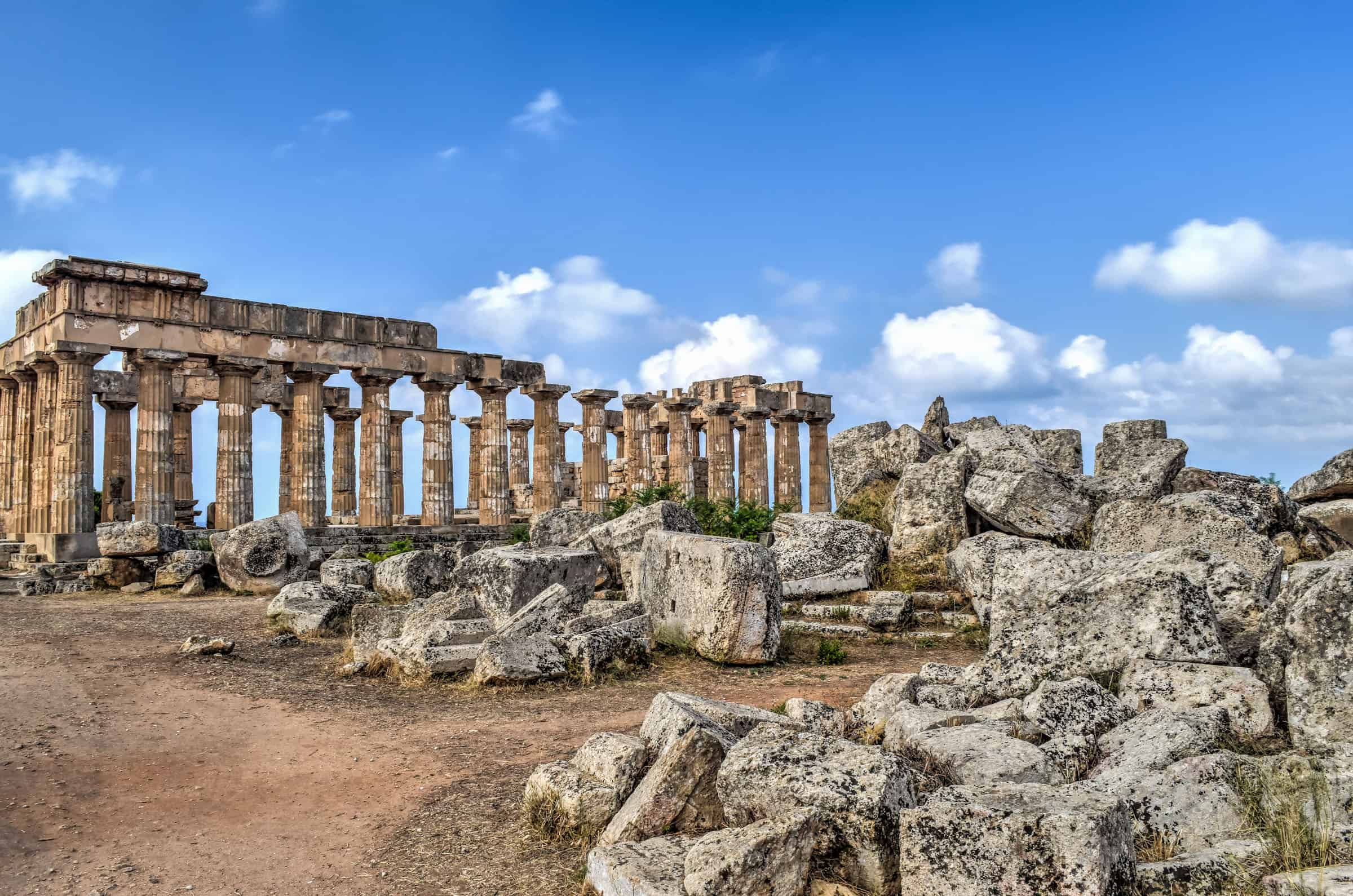
Selinunte Archaeological Park is one of the largest and most impressive Greek archaeological sites in Sicily, with sprawling ruins set along the island’s southwestern coastline. Once a major Greek colony that may have reached 30,000 inhabitants at its peak in the 5th century BC, Selinunte was abandoned after its destruction in antiquity, leaving behind an extensive complex of temples, acropolises, and ancient city remains.
Today, the site is best explored as a half-day visit (or less), whether you’re staying nearby or passing through on a broader Sicily road trip. This guide focuses on what to see, how to plan your visit, and how much time you’ll need to explore Selinunte Archaeological Park efficiently.
Selinunte Highlights – At a Glance
Main Greek Ruins
– East Hill: Cluster of large, well-preserved Doric temples (including Temple E and Temple F), set slightly inland and among the most visually impressive structures in Selinunte
–Acropolis: Ruins of the ancient city walls and temples, set on a low plateau overlooking the coastline, with a more rugged and atmospheric feel than the East Hill
Good to Know
–Time required: 2–3 hours
–Location (southwestern Sicily): Within ~90 minutes of Palermo, Trapani, or Agrigento
–Site size: Large (~270 hectares (700 acres), one of the largest archaeological sites in Europe), spread-out site with long walking distances; very little shade.
–Setting: Extensive Greek ruins spread between inland temple complexes and a coastal acropolis
–Getting around: You can either use the shuttle or walk (15-20 minutes) to go from the East Hill section to the Acropolis


Disclosure: This page (Selinunte Archaeological Park Guide) may contain product affiliate links. At no additional cost to you, we may receive a commission for purchases made through these links. More details can be found on our disclosure and policies page.
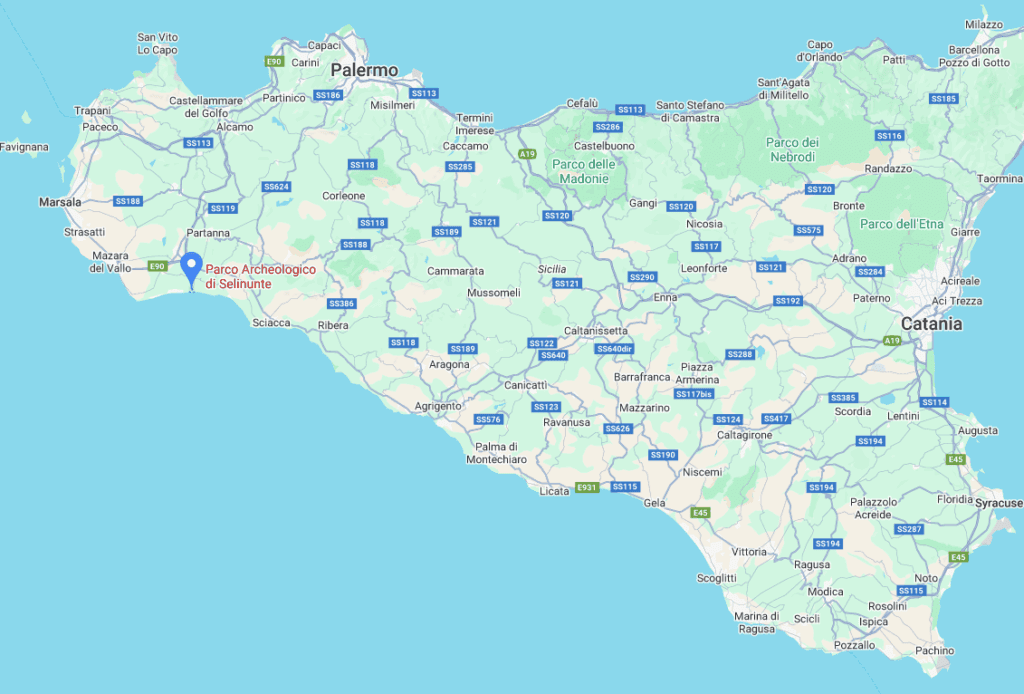
Selinunte Archaeological Park: Location & Map
Selinunte Archaeological Park is located on the southern coast of Sicily’s northwest tip.
How to get to Selinunte Archaeological Park
By Car: By far the easiest way to reach the archaeological park is by driving there.
From Marsala: 50 km (50 minutes)
From Castellammare del Golfo: 60 km (50 minutes)
From Trapani: 80 km (1h15)
From Agrigento: 95km (1h30 minutes)
From Parlermo: 120 km (1h30)
Parking: There’s a large free car park (link to Google Maps) right next to the archaeological park entrance.
If you need to book a rental vehicle for your travels, we highly recommend using Discover Cars to get the best rates on your rental in Sicily.
We also highly recommend Airalo (eSIM card) for your connectivity needs when travelling abroad. Airalo is the world’s first and largest eSIM store with eSIM plans for 200+ countries and regions worldwide.
By Public Transit: Reaching Selinunte by public transit isn’t straightforward and generally requires at least one transfer. From Palermo, you will first need to take a bus to Castelvetrano (Salemi buses), and then a second bus (also Salemi buses) onwards to Selinunte (and then do the reverse if visiting Selinunte as a day trip from Palermo).
From Trapani/Marsala, you will first need to take a Trenitalia train to Castelvetrano, followed by a bus to Selinunte.
Selinunte Archaeological Park – Ticket Prices and Operating Hours
Entrance Fee
Entrance to the Segesta Archaeological Park costs €14.00 for adults (2026). Reduced fares are available for children. There’s no need to buy tickets in advance.
Operating Hours
The archaeological park is open all year (2025-2026 schedule).
From September 16th to October 25th: 9 am to 6 pm – Ticket office closes at 5 pm
From October 29th to March 28th: 9 am to 5 pm – Ticket office closes at 4:30 pm
From March 29th to April 30th: 9 am to 7 pm – ticket office closes at 6 pm
From May 1st to September 15th: 9 am to 8 pm – ticket office closes at 7 pm
For up-to-date schedules, see the official Selinunte website.
Facilities
There are several washrooms across the site (near the first group of temples and by the Acropolis). There are also several small cafes/restaurants and gift shops around the ticket office.
Good to Know
The site is mostly exposed with very little shade, so sun protection is essential, especially in warmer months. Expect some walking and a short uphill climb to the theater, making comfortable footwear a good idea.
The Selinunte Shuttle
The Selinunte Archaeological Park is primarily divided into two large sections: The Acropolis and the East Hill, both of which are separated by about 1.5 km. The walk between the two takes about 20 minutes and is quite scenic. Those with limited mobility or who would prefer not to walk for long under the midsummer sun can use the Selinunte shuttle that connects both portions of the park. Use of the shuttle costs €8 (2026) to reach the Acropolis, and tickets can be purchased at the same time as the entrance fee is paid for.
A Brief History of Selinunte Archaeological Park
Selinunte was one of the most important of the Greek colonies in Sicily. It was founded by a group from the Sicilian city of Megara Hyblaea around 650 BC. At its peak, around 400 BC, the city may have had close to 30,000 inhabitants. Because Selinunte was the most westerly of the Greek colonies in Sicily, they often came into contact (and conflict) with the Phoenicians of western Sicily and the Elymian people of Segesta, whose territory bordered their own.
Selinunte was involved in several wars and conflicts over its first few centuries of existence, all of which progressively weakened, damaged, and destroyed the city (and decimated much of its population). Conflicts with the Carthaginians, who for over a century ruled over the city, particularly took a toll. During the First Punic War (264–241 BC), Selinunte was repeatedly the site of military operations between the Romans and the Carthaginians. Before the end of the war, the Carthaginians began to withdraw and reduce the number of places they had to defend, which led them to evacuate all the inhabitants of Selinunte and destroy what remained of the city; after this, the city was never rebuilt.
Visiting Selinunte Archaeological Park – What to Expect & Park Layout
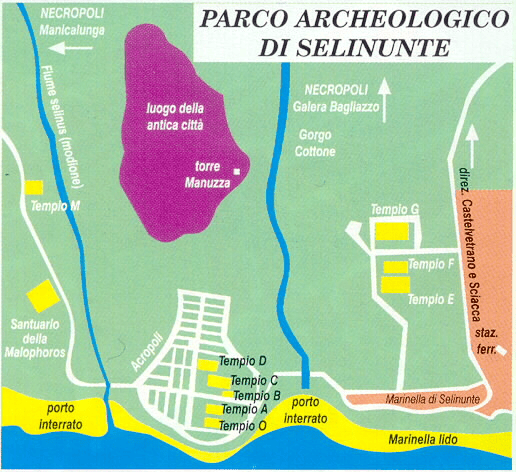
Today, the Selinunte Archaeological Park is the largest in Europe, with an area of about 270 hectares, and is generally divided into five sections:
– The East Hill (east portion of the park)
– The Acropolis (central portion of the park)
– The Gàggera hill (western portion, includes the sanctuary of the Malophòros)
– The Manuzza hill (northern portion, with the ancient town)
– The Necropolis
The most visually interesting sections of the park are the East Hill and the Acropolis, where portions of temples and buildings remain standing (or were re-erected following excavation work).
The Acropolis, a sacred area built on the southern promontory, with the sea lying below it to the south, is notable for its six temples (O, A, B, R, C, D), surrounded by imposing fortification walls.
The East Hill is characterized by the presence of another monumental sacred area with three temples (E, F, G). To the north of the Acropolis lies the Hill of Manuzza, the main residential area of the city. This is also where, between the residential area and the Acropolis, the outline of the largest agora of the ancient world was unearthed in 2020. Finally, on the western end of the archeological park, the Hill of Gaggera is notable for the Sanctuary of the Malophoros, a sanctuary dedicated to the goddess of fertility, Demeter Malophoros, which was excavated in the late 19th and early 20th century.
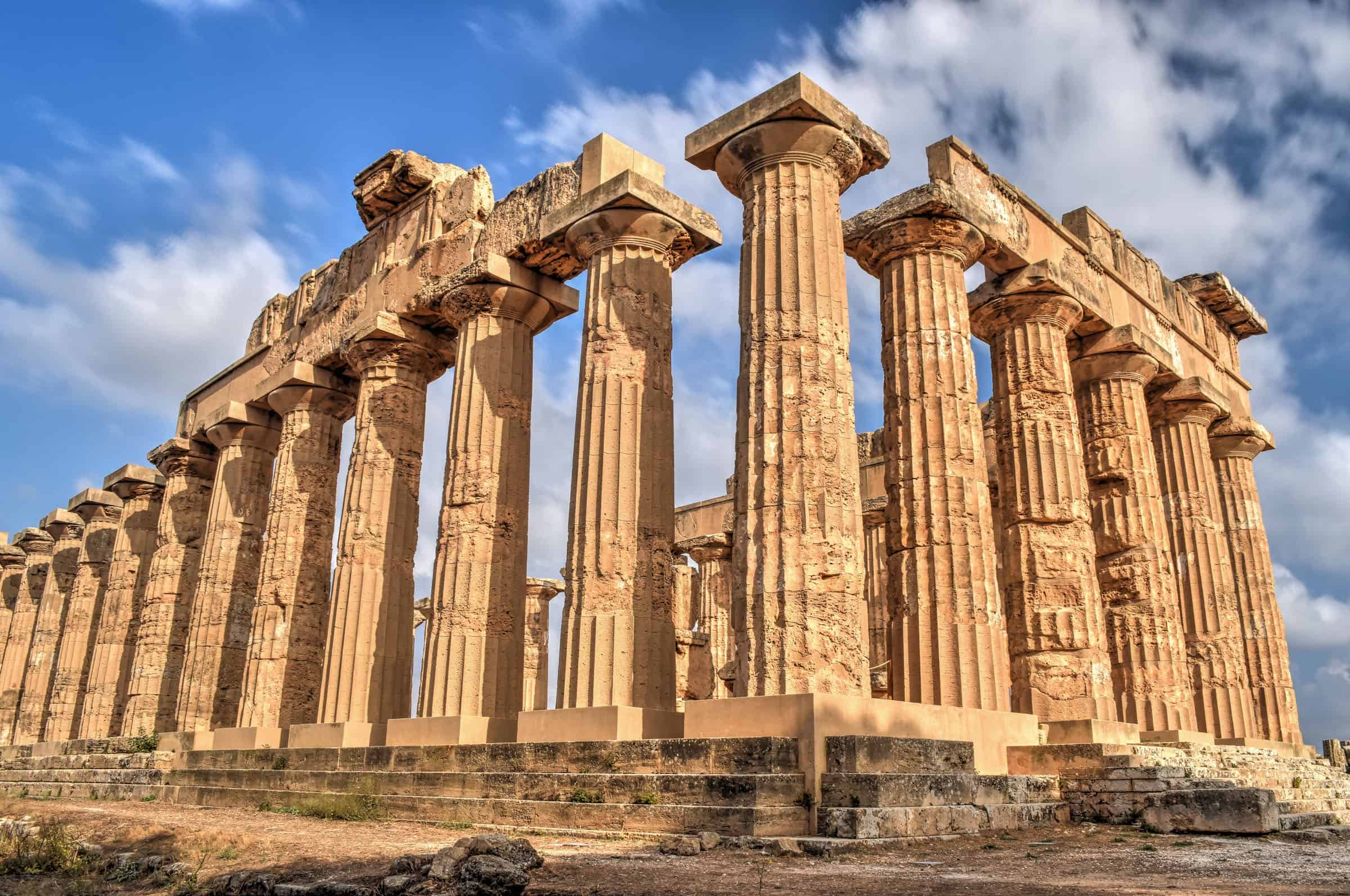
The East Hill
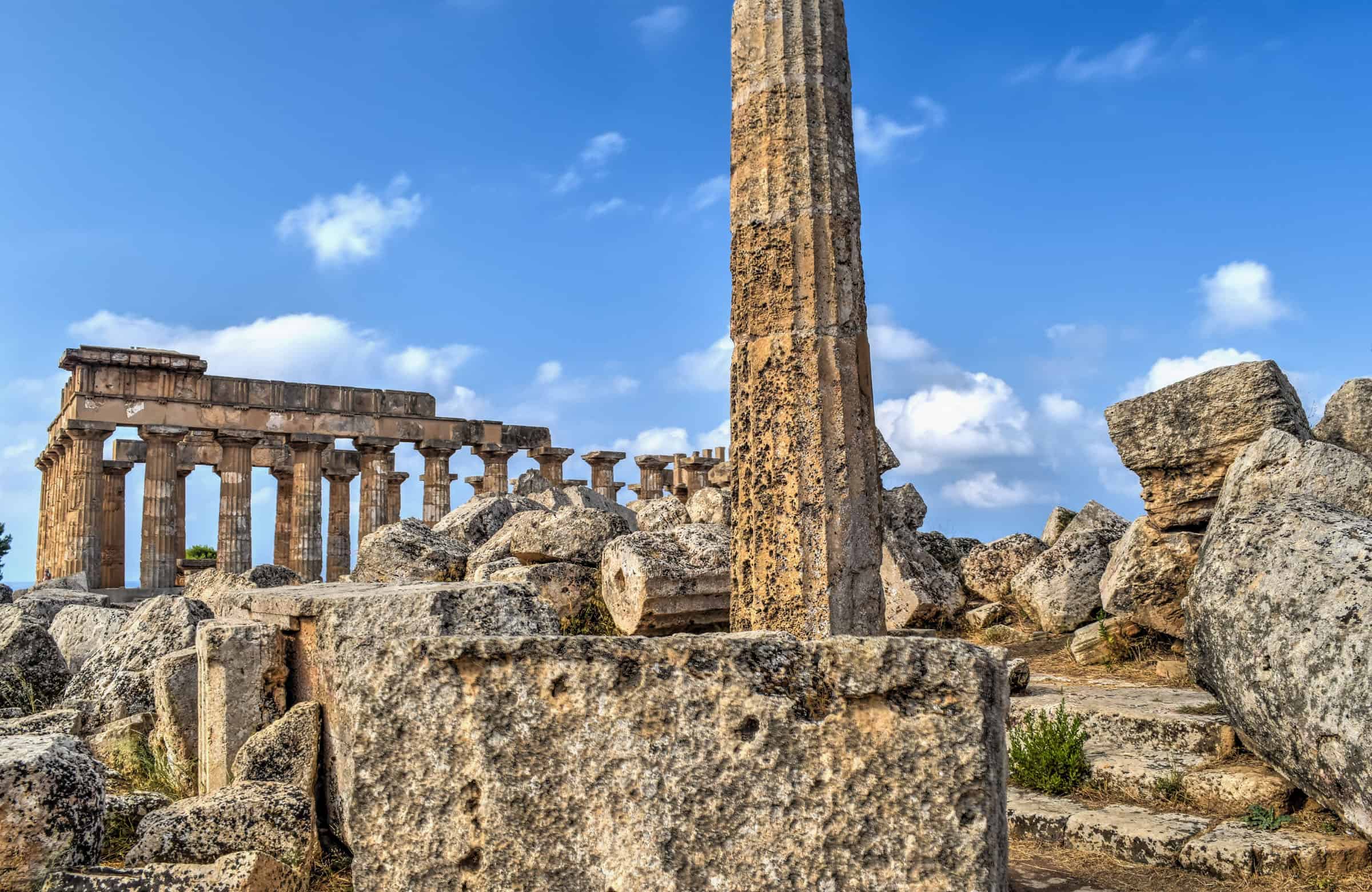
There are three temples on the East Hill. Temple E is the most recent of the three, and its current appearance is the result of anastylosis (reconstruction using the original material) carried out – controversially – between 1956 and 1959. Recent surveys performed inside the temple and under Temple E have revealed that it was preceded by two other sacred buildings, one of which was destroyed in 510 BC.
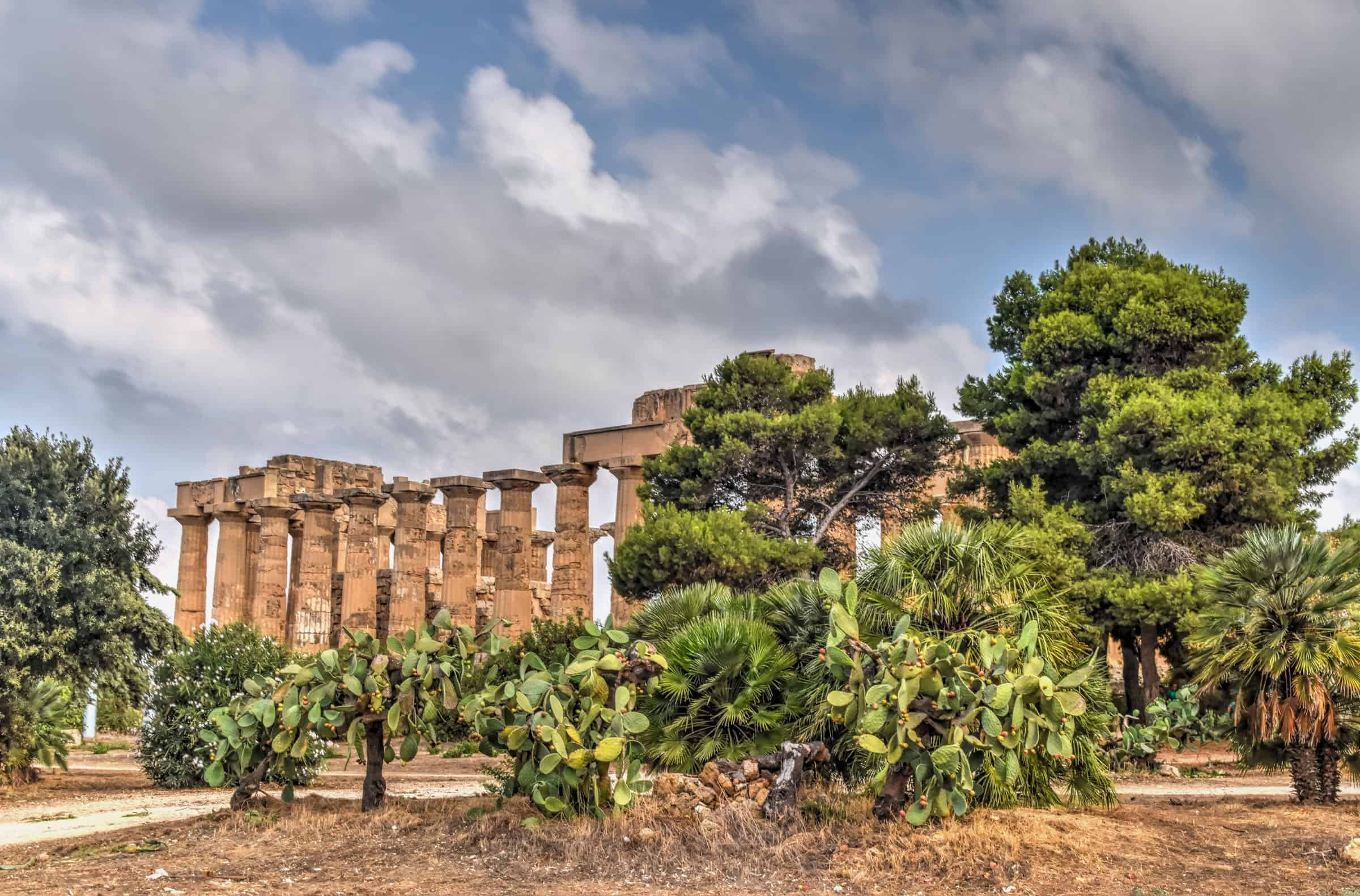
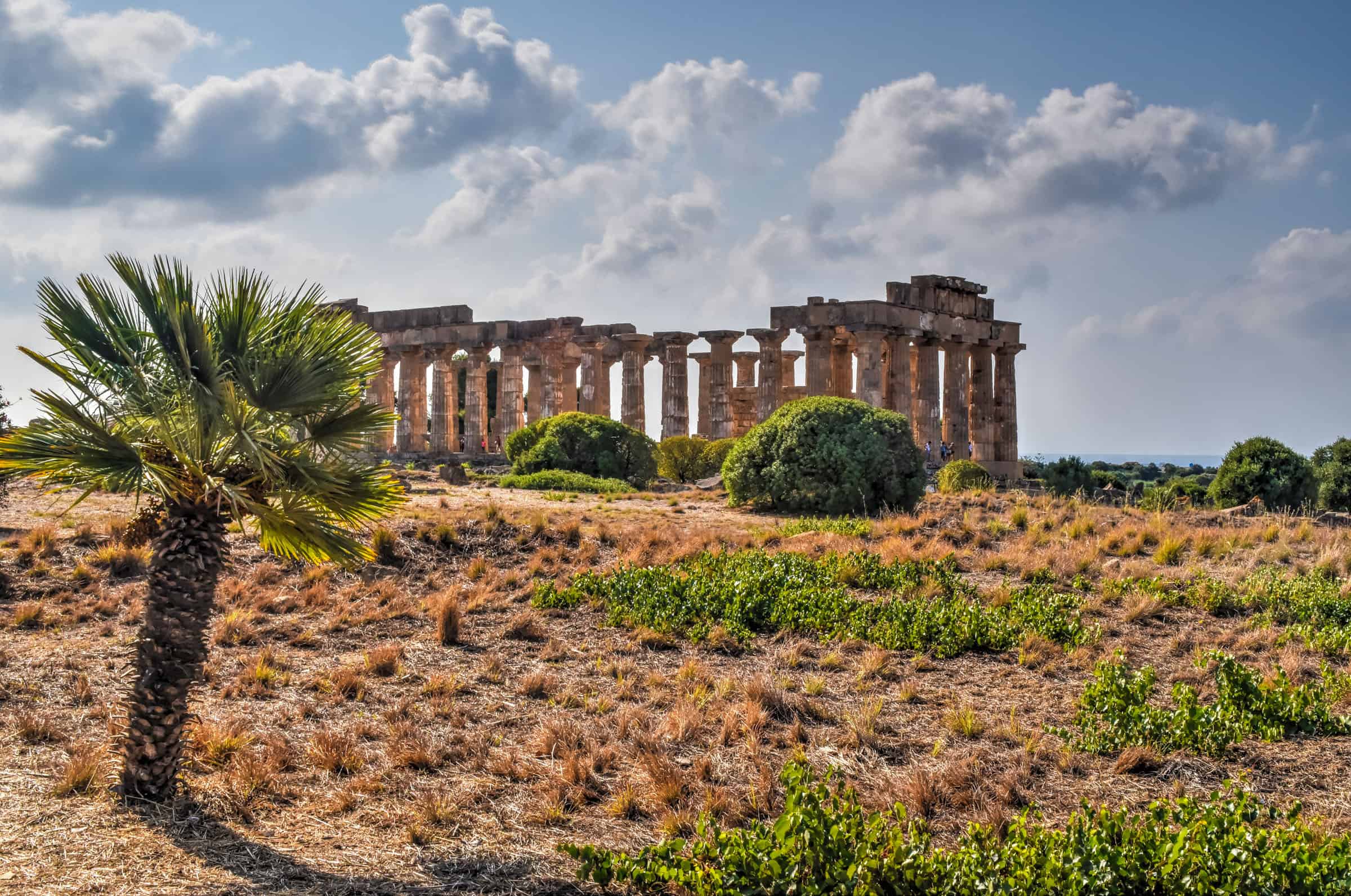
Temple F, the oldest and smallest of the three temples, is today mostly a pile of rocks, making it hard to discern the temple that once stood there.


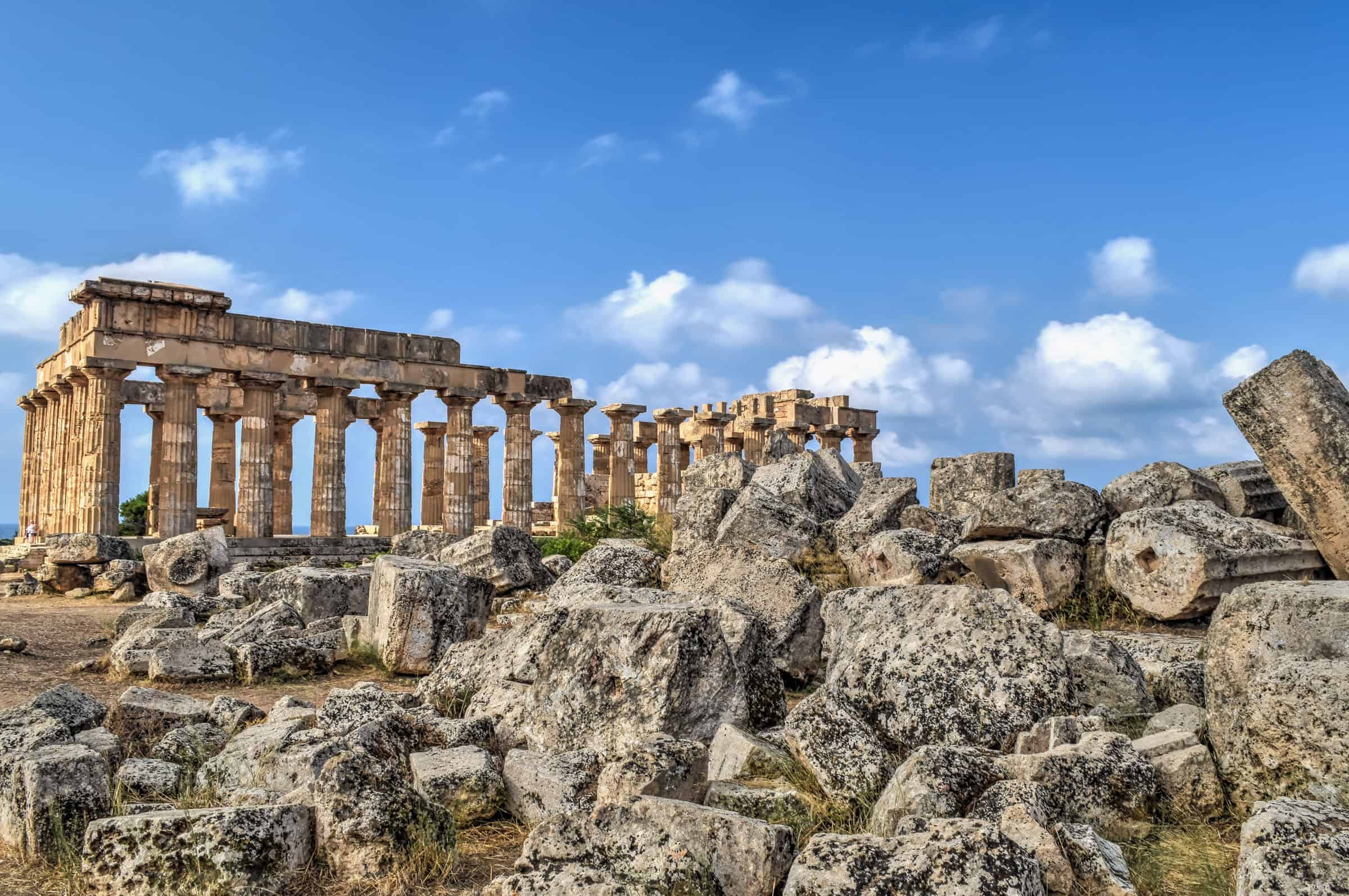
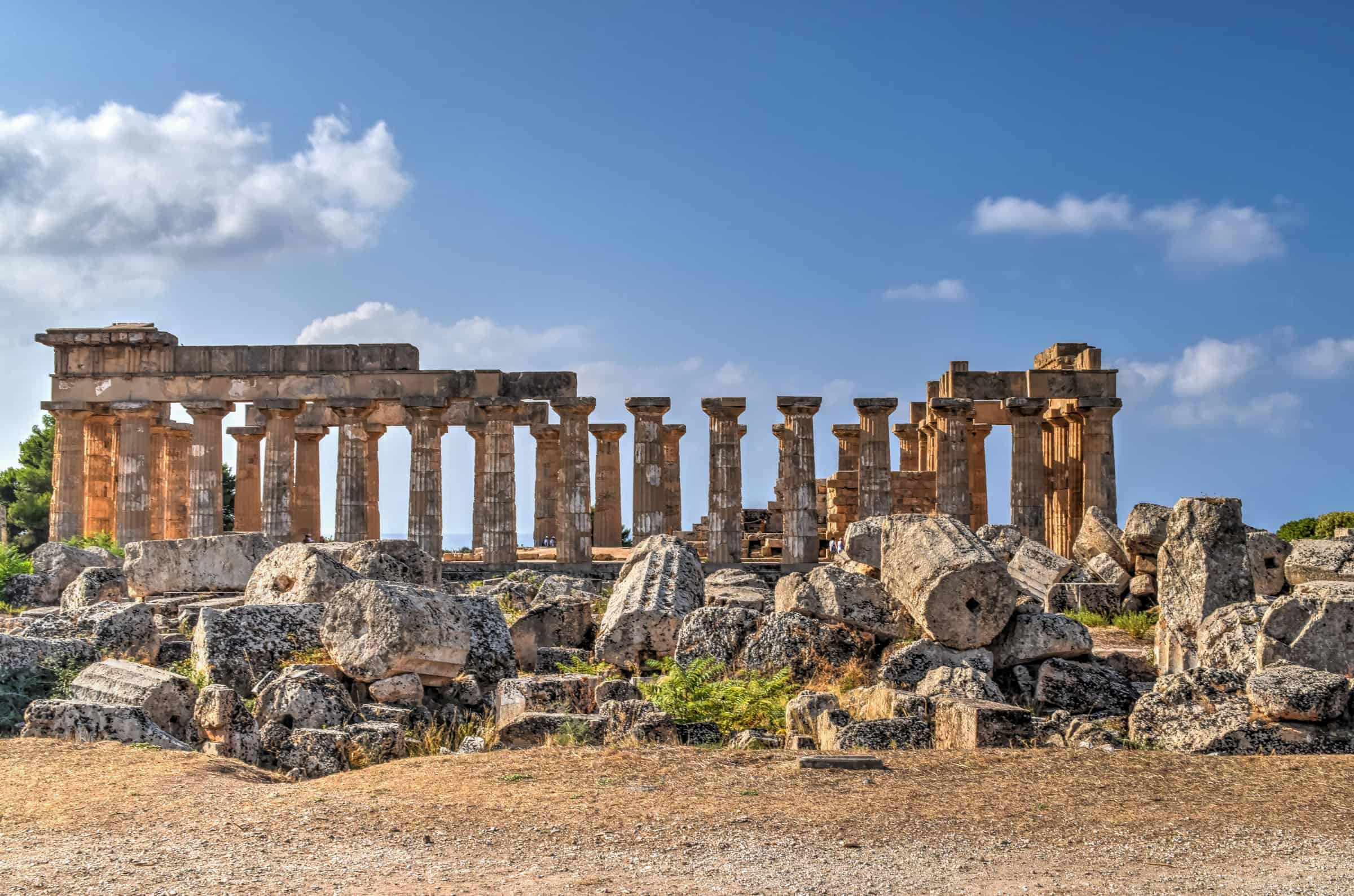
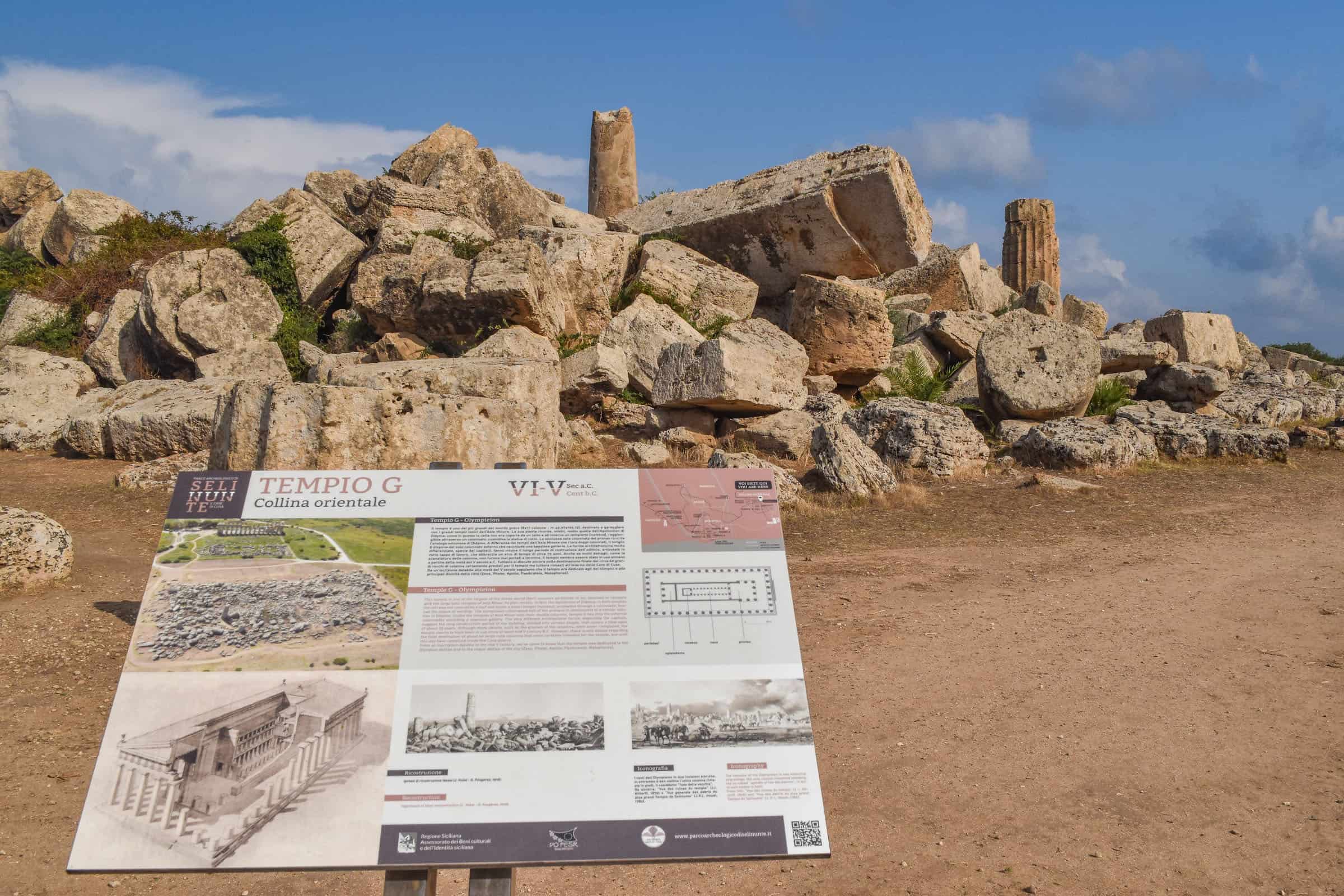
Temple G was the largest in Selinus (113.34 metres long, 54.05 metres wide and about 30 metres high) and was one of the largest in the Greek world at the time. The temple was under construction for nearly a century, as demonstrated by the variation of style across the temple (The east side follows archaic architectural principles, while the west side is more of a classical type), and was never actually completed, as shown by the absence of fluting on some of the columns.
In the massive pile of ruins of Temple G, it is possible to make out a peristyle of 8 x 17 columns, only one of which remains standing since following its re-erection in 1832, known in Sicilian as “lu fusu di la vecchia” (the old woman’s spindle).

Walking Between the East Hill and the Acropolis
To move between Selinunte’s two main areas—the East Hill and the Acropolis—you essentially have two options: a coastal path and a slightly longer inland path (If you’re short on time or visiting in peak heat, a shuttle also runs between the two areas, avoiding the walk altogether)
Both are easy to follow, and we recommend doing both: take the inland route on the way to the Acropolis, then return along the coastal path for a different perspective.
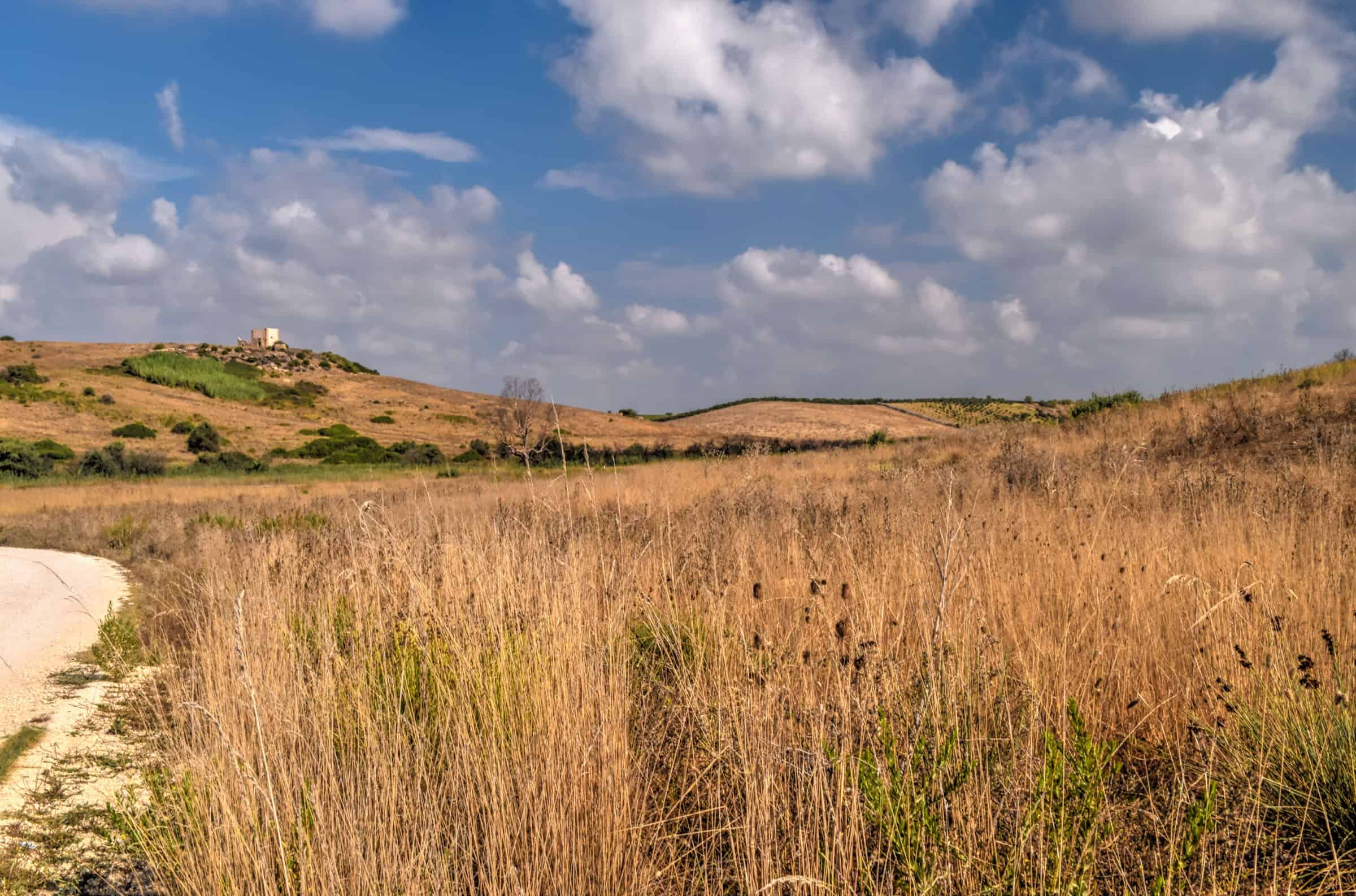
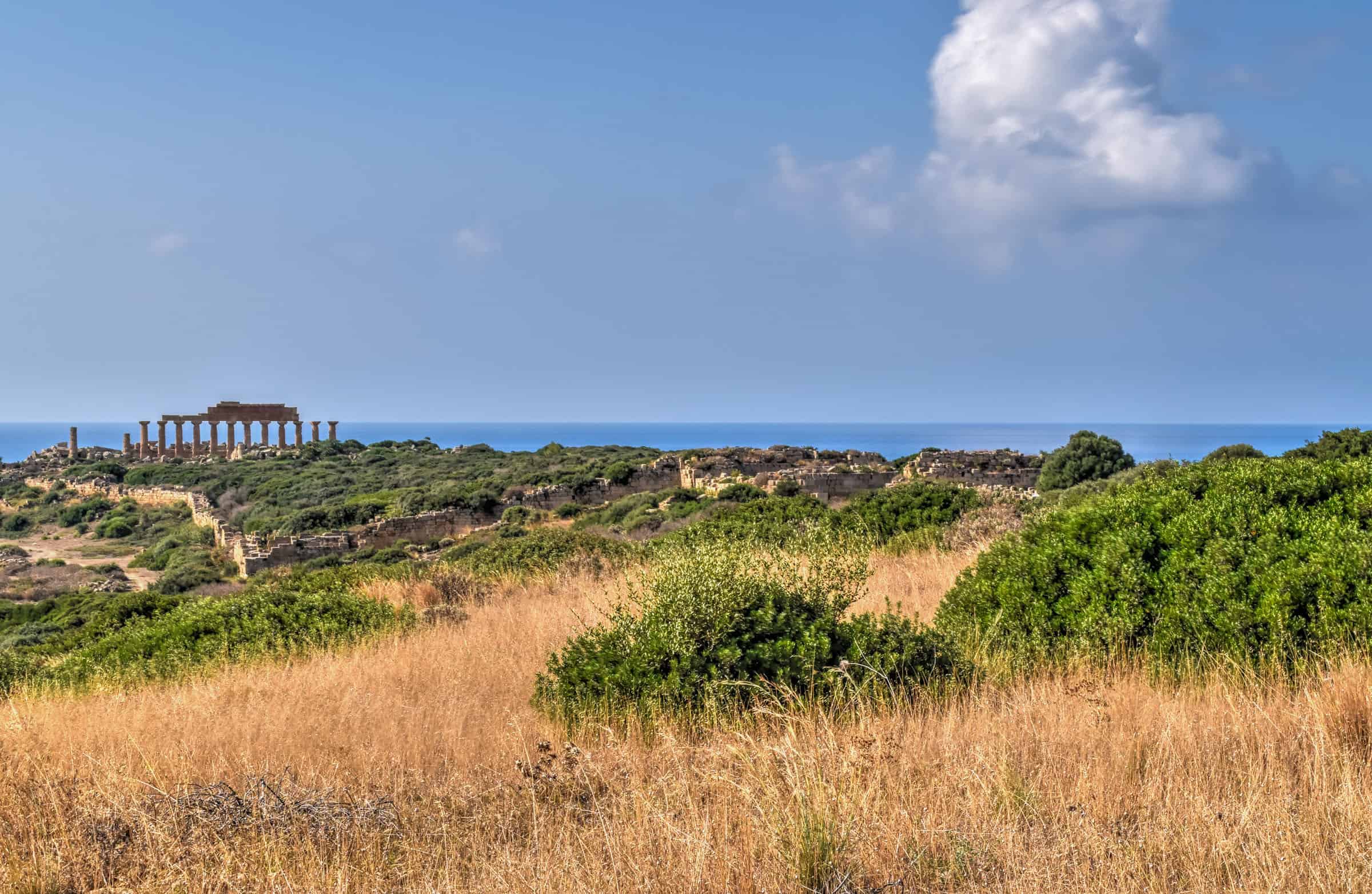
The inland path is a pleasant and quieter walk, especially in the morning or later in the day when temperatures are lower. It takes roughly 20 minutes and crosses open fields dotted with low ruins, giving you a better sense of the scale of the ancient city.
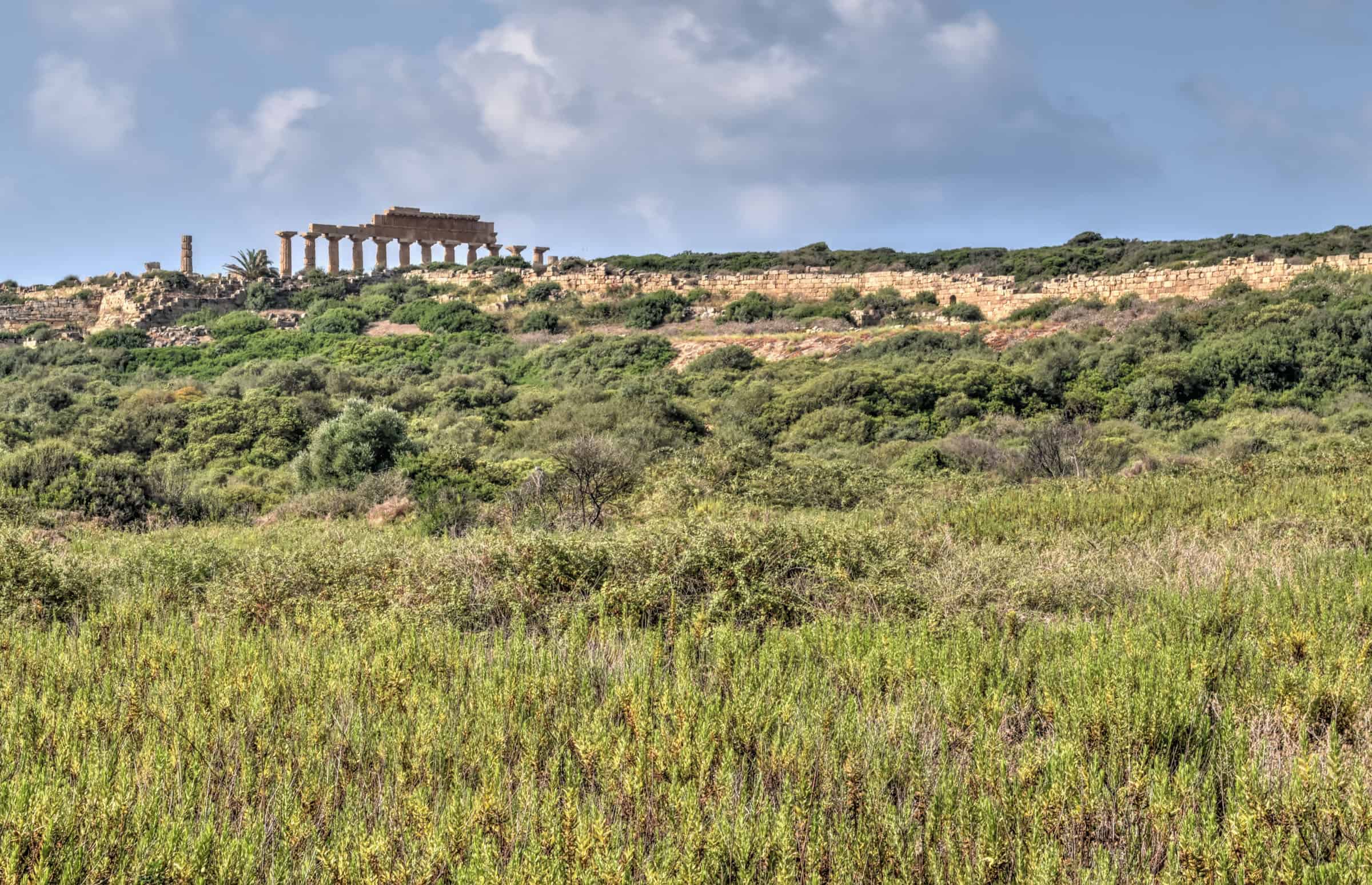
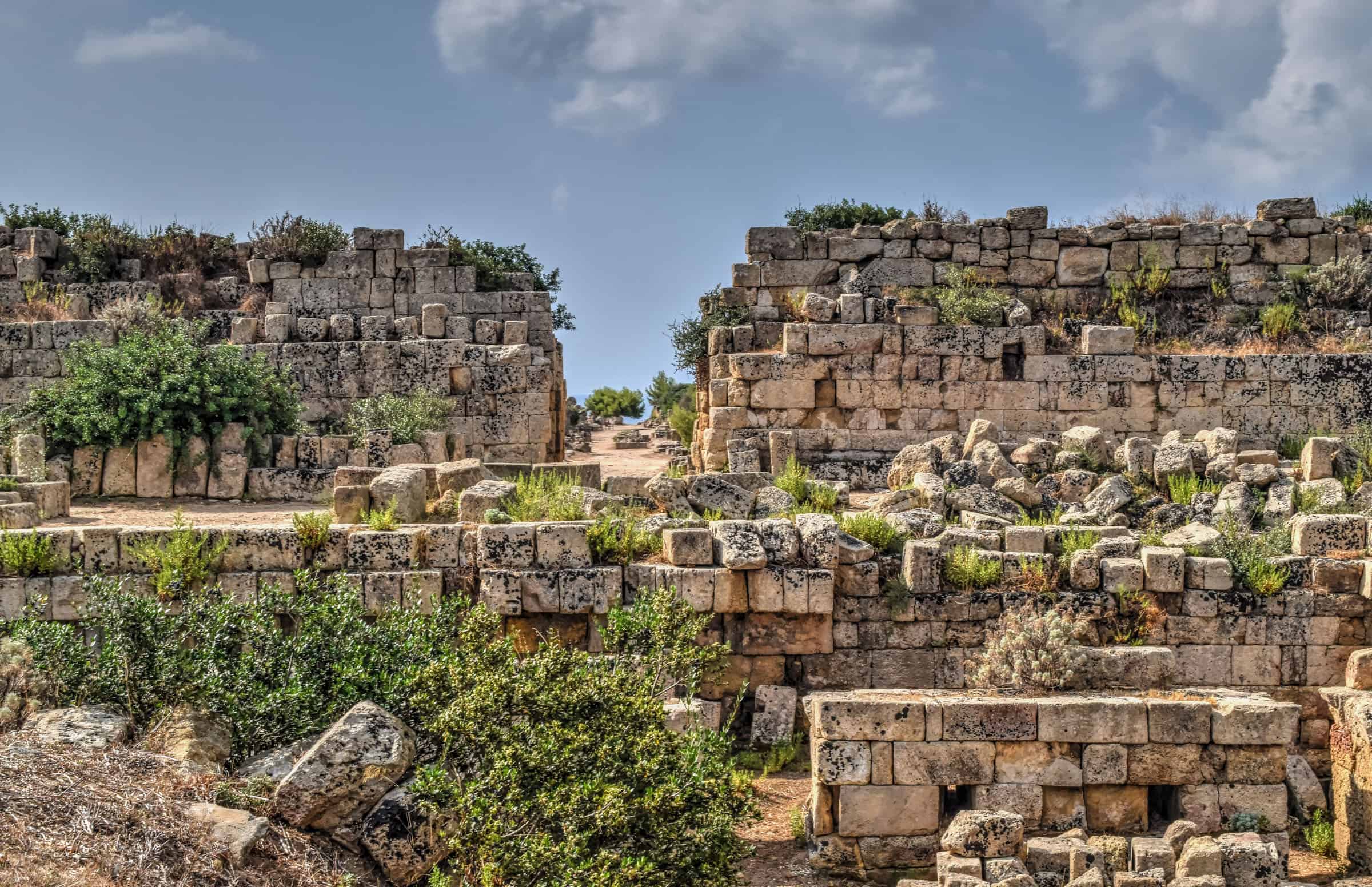
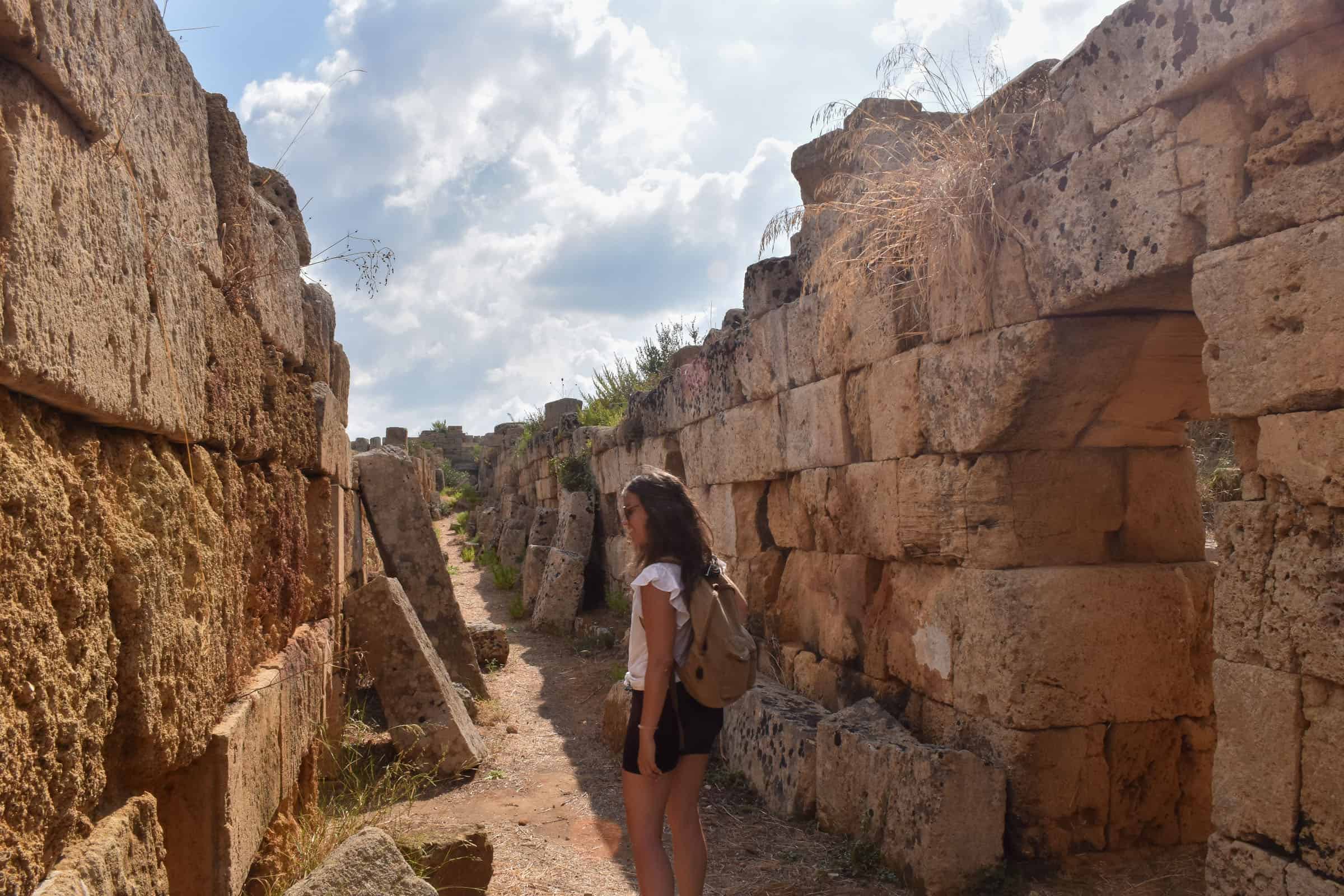
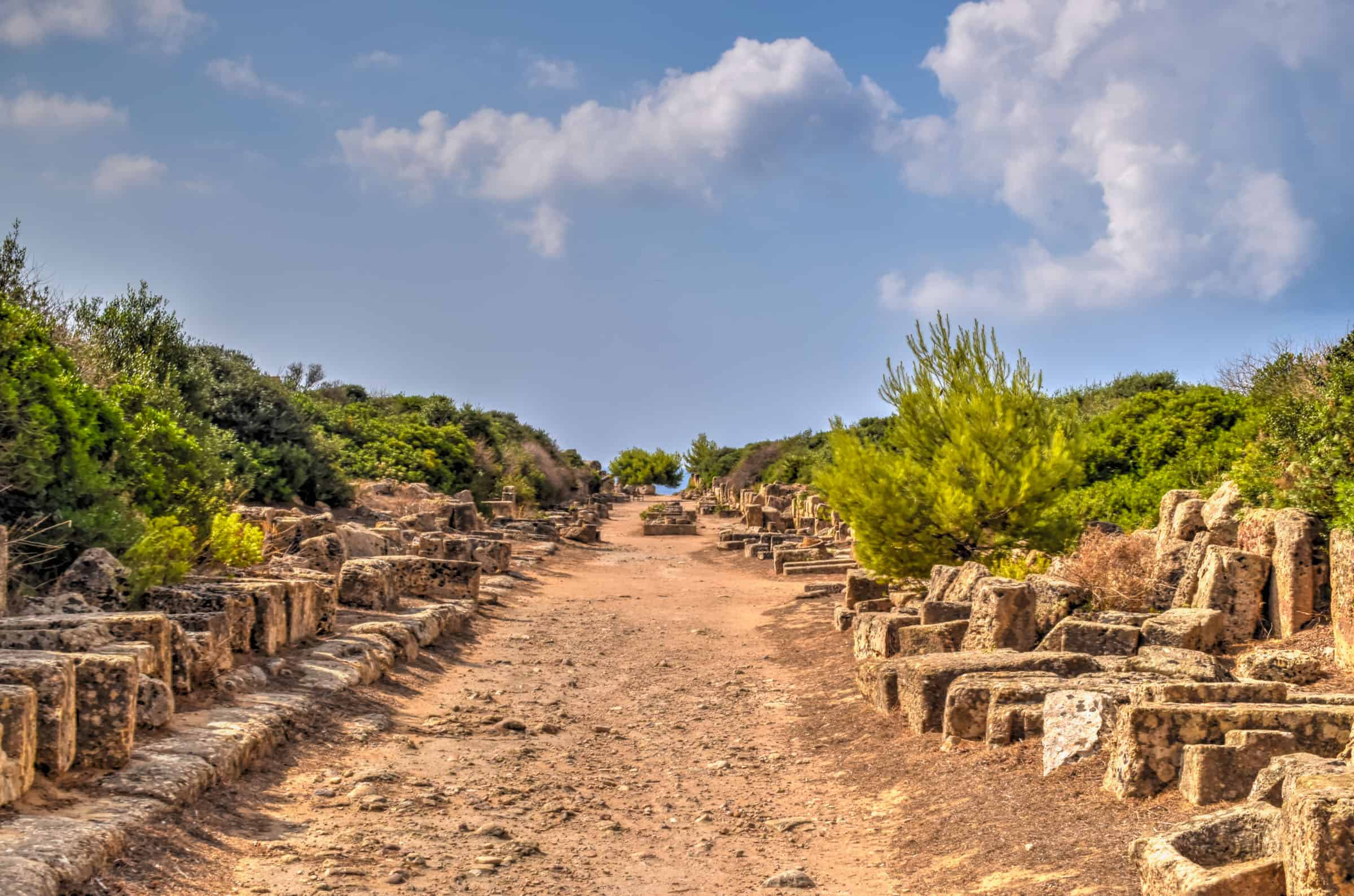
As you approach the Acropolis, the path connects with the remains of the city’s main north–south street, where you’ll begin to see more structured ruins on either side.


The coastal path, by contrast, runs closer to the shoreline and offers more direct views of the sea and cliffs, the beachtown of Marinella di Selinunte.
The Acropolis
The Acropolis is set on a limestone massif with a cliff face falling into the sea toward the south, in the shape of a massive trapezoid that narrows towards the north end, with a large retaining wall (about eleven metres high at the time of construction). On the crest of the Acropolis are the remains of numerous Doric temples (O, A, B, R, C, D). Most today are in rumble, but fourteen of Temple C‘s north side’s seventeen columns were re-erected in 1925.


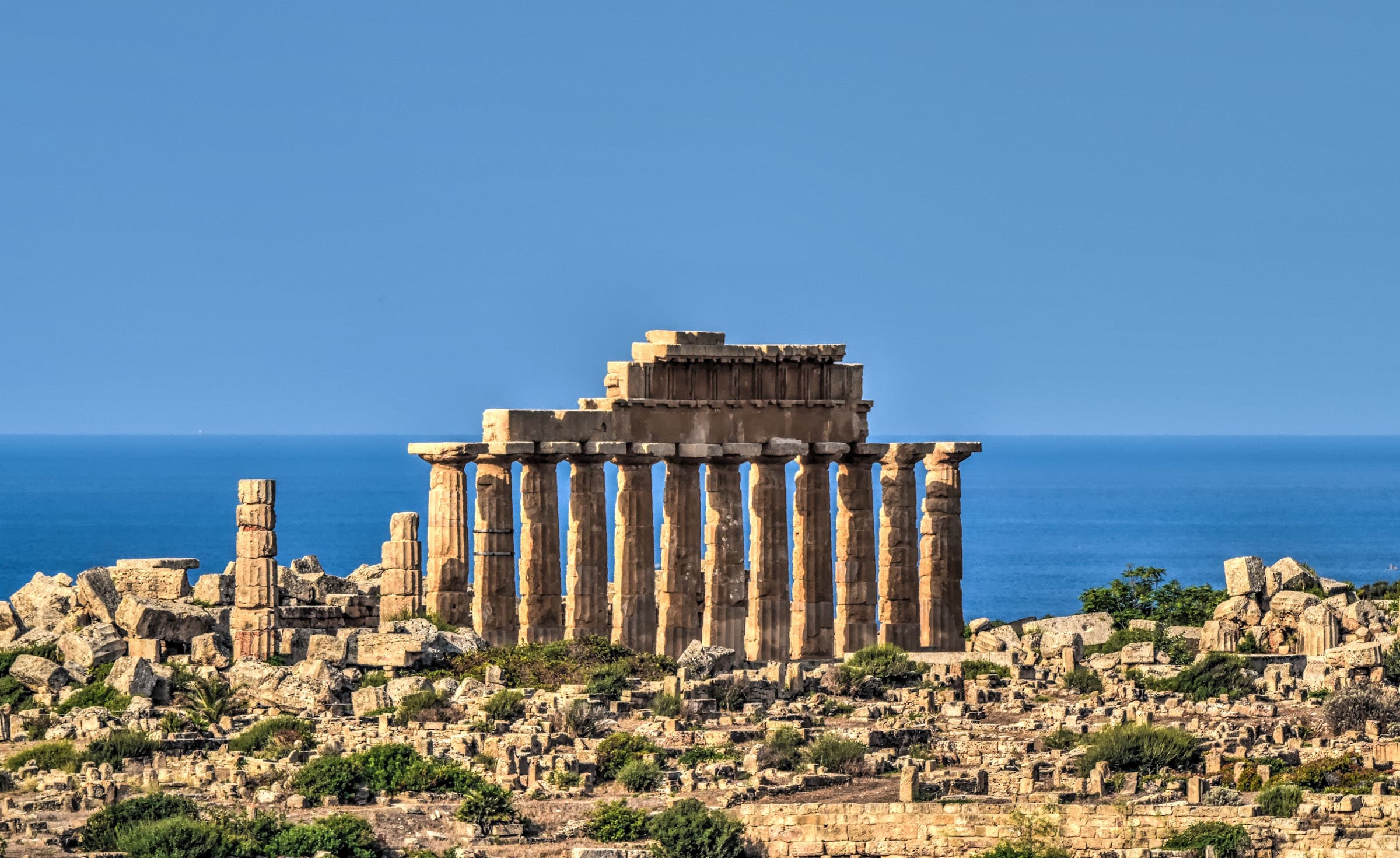
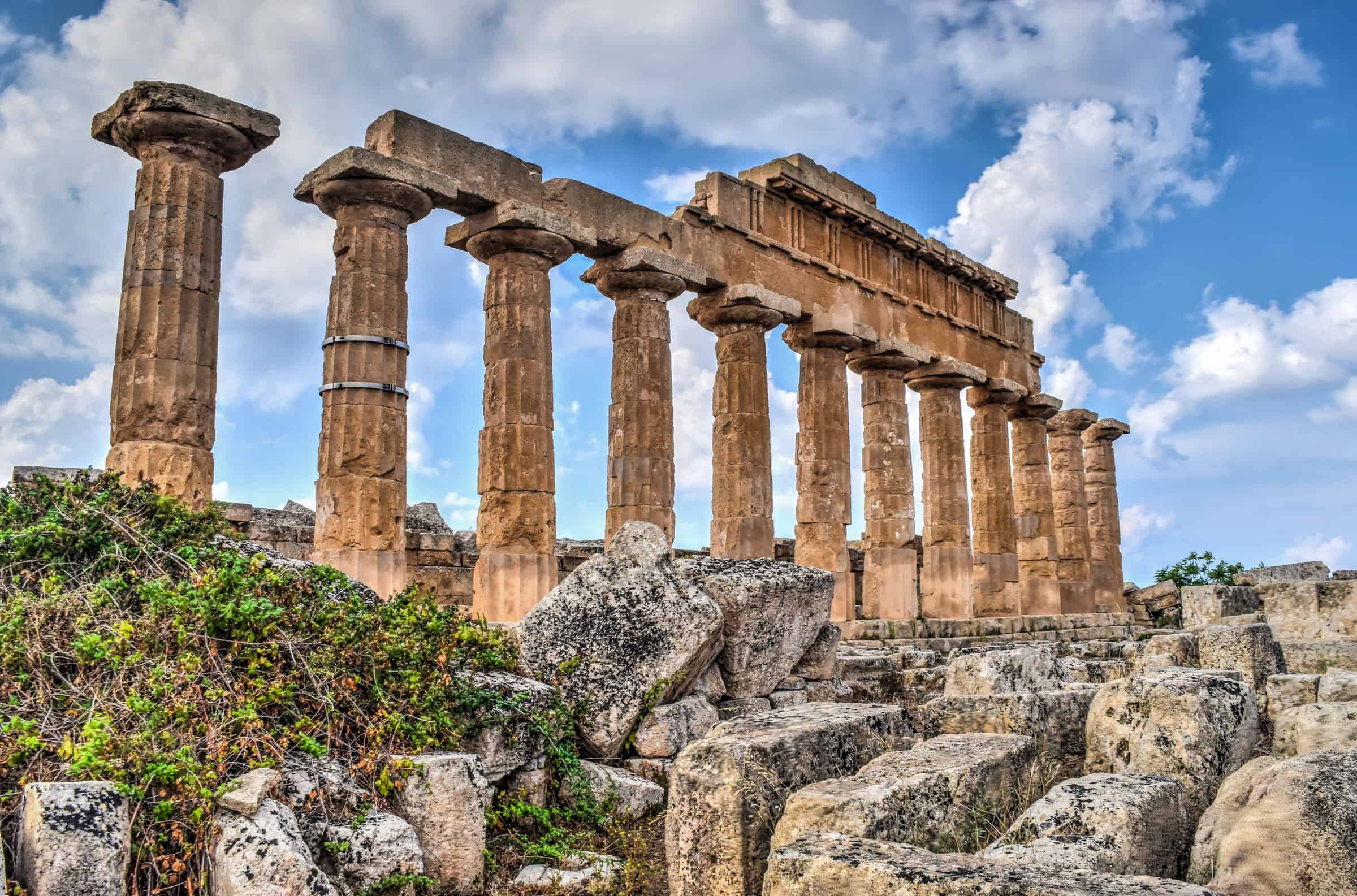
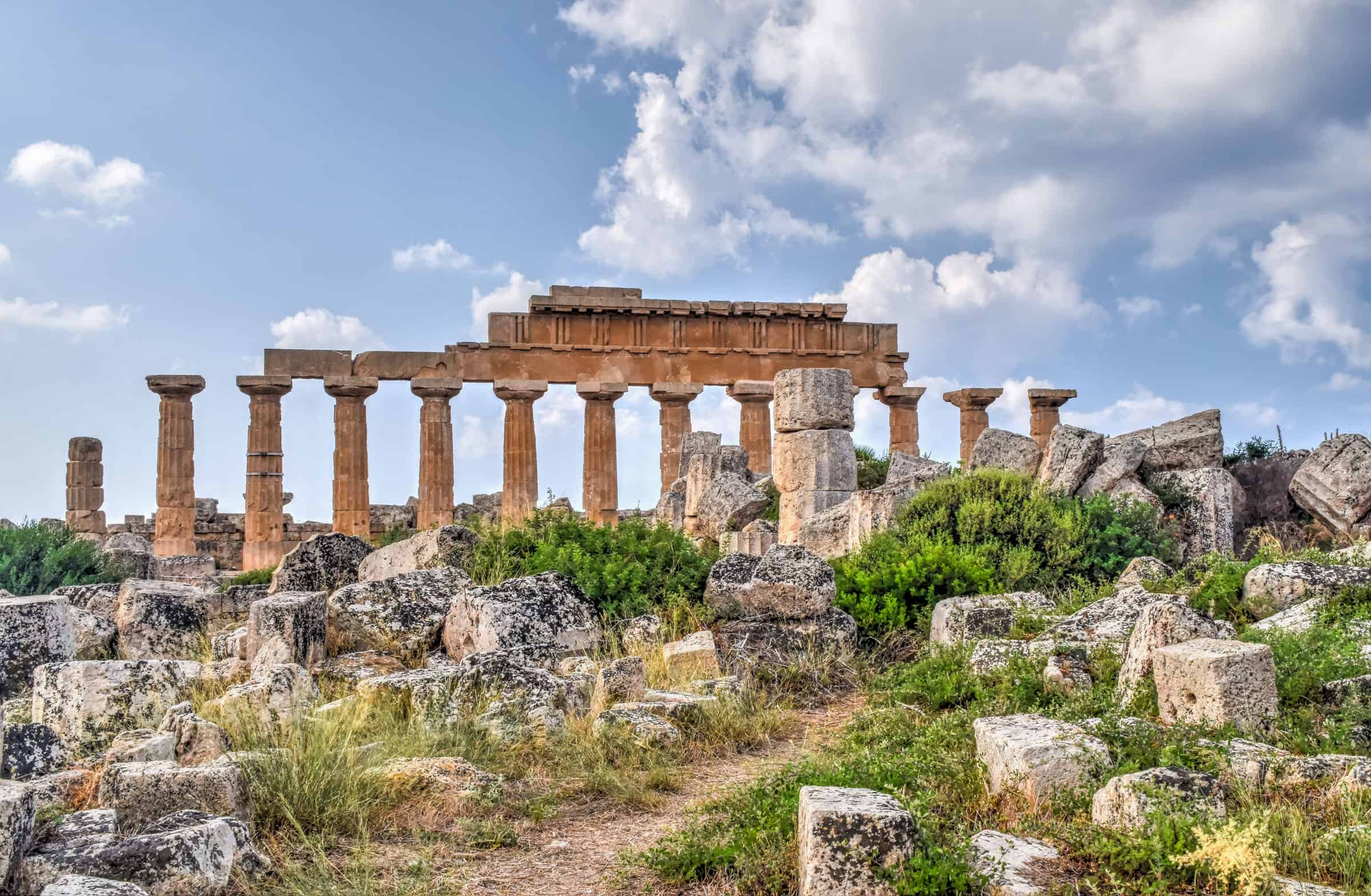
Multiple elements of the temple reveal unusual experimentation and divergence from a typical Doric temple. For instance, the columns show variation in the number of flutes, the width of the intercolumniation varies, and the corner columns have a larger diameter than the others.
Between Temples C and D are the ruins of a Byzantine village of the fifth century AD, which was built with recycled Selinunte stone.
How Long Do You Need in Selinunte Archaeological Park
You should plan to spend about 2–3 hours in the archaeological park, especially if you walk between both main areas (East Hill and the Acropolis).
If you have less time, focus on the main temples on the East Hill, as they are more impressive and closer to the entrance/exit.
While a shuttle connects the two sections, it’s not always a major time-saver, as you may have to wait for it.
Best Time to Visit Selinunte Archaeological Park
Best Time of the Year
Selinunte can be visited year-round, but the summer months can be very hot, with little shade across the site.
We recommend visiting in late spring (May–June) or early autumn (September–October), when temperatures are milder, and conditions are more comfortable for walking.
Summer is also the busiest period, though Selinunte generally remains less crowded than sites like the Valley of the Temples.
Best Time of Day
The best time to visit is early in the morning, when temperatures are cooler and the site is at its quietest.
If possible, plan to arrive right at opening, before tour buses begin arriving later in the morning.
Alternatively, late afternoon (close to last entry) can also be a good option, with softer light and fewer visitors.
Is Selinunte Archeological Park Worth It?
Selinunte is one of the most impressive Greek archaeological sites in Sicily, but it offers a different experience compared to more famous sites like the Valley of the Temple: less concentrated, but more open and far less crowded.
Why You Might Enjoy It:
– One of the largest archaeological sites in Sicily, with multiple temple complexes to explore
– Impressive and relatively well-preserved Greek temples, especially on the East Hill
– Coastal setting adds a more scenic and open feel compared to other sites
– Generally quieter and less crowded than the Valley of the Temples
Why It Might Not Be for You:
– Large, spread-out site requiring a fair amount of walking (or use of shuttle)
– Very little shade, which can make visits uncomfortable in hot weather
– Limited on-site interpretation compared to sites with larger museums
Bottom line: If you’re interested in Greek ruins and want a quieter, more open setting, Selinunte is well worth visiting. It may not be as dense or famous as Agrigento, but the scale, coastal setting, and more relaxed atmosphere make it a rewarding stop on a Sicily itinerary.
Places to See Near Selinunte
Selinunte is located along Sicily’s southwestern coast, roughly between the Trapani and Agrigento regions, making it easy to combine with other highlights in western Sicily.
Towards Trapani (west)
- Segesta Archaeological Park
One of the most scenic archaeological sites in Sicily is set among beautiful rolling hills. The Doric temple is exceptionally well preserved, and the hilltop theater offers wide views over the surrounding countryside. For more details, see our Segesta Archaeological Park Guide.


- Trapani
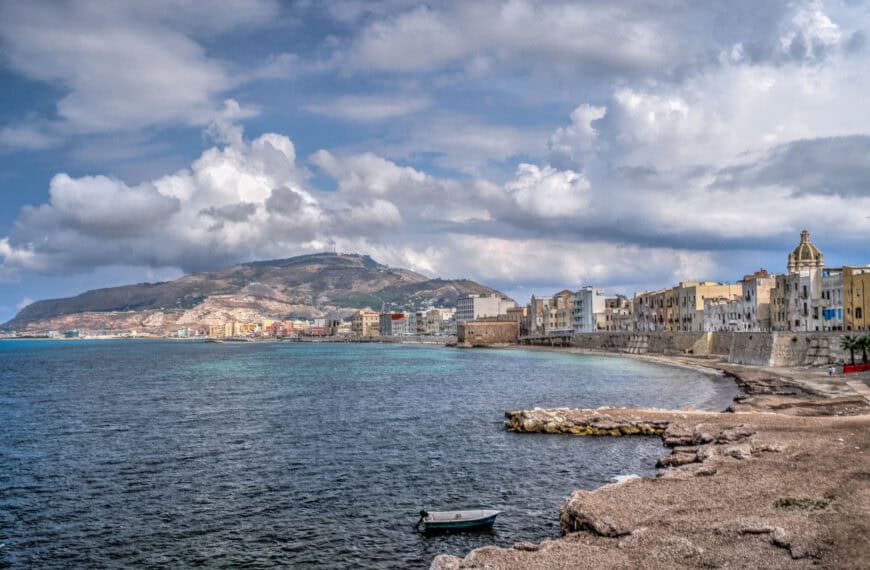
A relaxed coastal town with a pleasant historic center, often used as a base for exploring the region. It’s also the main gateway to the nearby islands. For more details, see our Trapani Guide.


- Erice
A hilltop medieval village above Trapani, known for its narrow stone streets and panoramic coastal views. Often covered in mist, which adds to its atmosphere. For more details, see our Erice Guide.


- Egadi Islands
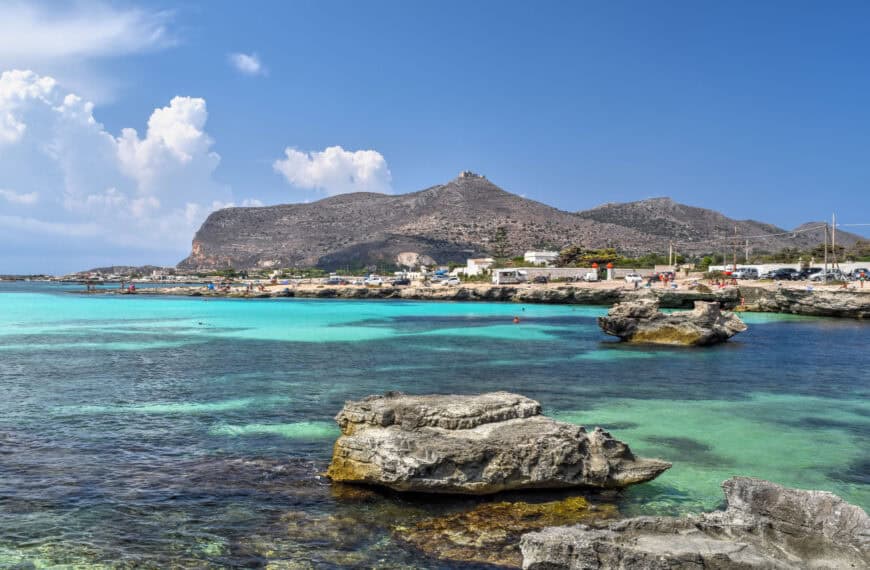
Easily reached by ferry from Trapani, especially Favignana and Levanzo, known for clear water, coves, and a more laid-back feel. For more details, see our Egadi Islands Guide.


Towards Trapani (west)
- Valley of the Temples
One of the most important archaeological sites in Sicily, featuring a remarkable collection of well-preserved Greek temples spread along a scenic ridge. For more details, see our Valley of the Temples guide.


- Scala dei Turchi
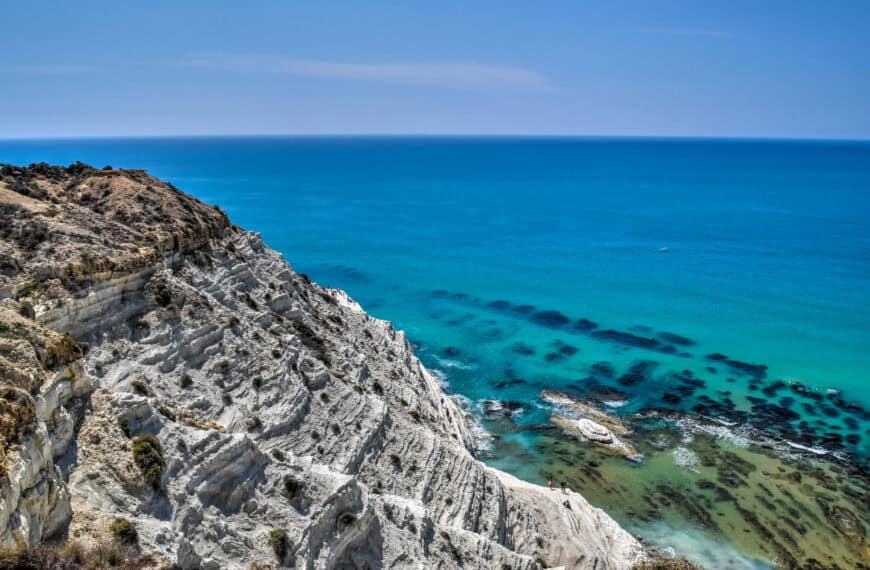
A striking stretch of white cliffs along the coast, known for their smooth, layered formations. Popular for photos and sunset views, with nearby beaches for swimming. For more details, see our Scala dei Turchi guide.


- Riserva Naturale Orientata Torre Salsa
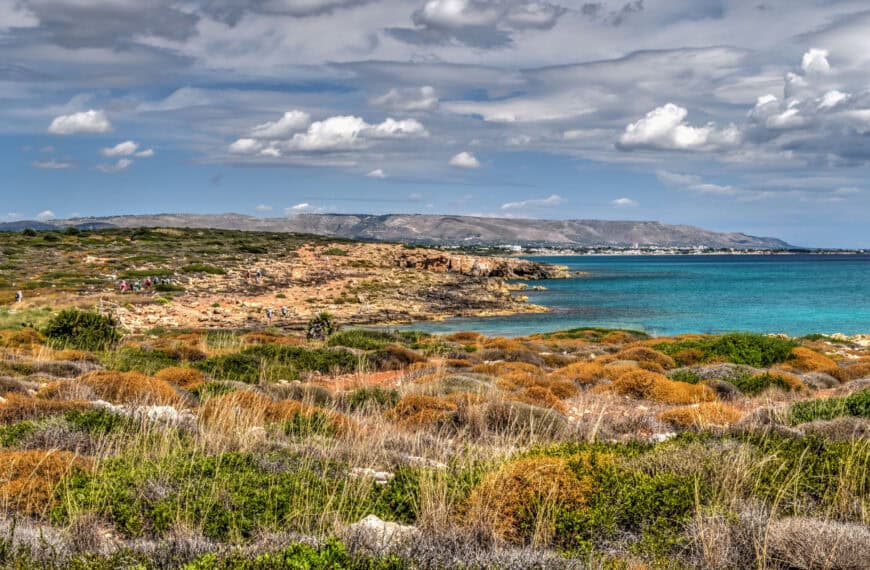
A quieter coastal reserve with sandy beaches, dunes, and walking trails. A good option if you’re looking to combine your visit with some time by the sea. For more details, see our Torre Salsa guide.


Where to Stay Near Selinunte
While there are a few accommodation options near Selinunte, the area itself is relatively quiet and not the most practical base for exploring the rest of Sicily.
Instead, we recommend staying in either Trapani or Agrigento and visiting Selinunte as a day trip. Both offer better access to other highlights in western Sicily, along with more dining and accommodation options. Below are some of the highly rated options for staying in either town.
Staying in Trapani (west)
Trapani is a convenient and well-connected coastal base, particularly if you’re also planning to visit places like Erice, Segesta, or the Egadi Islands.
- Palazzo Gatto
A well-located boutique stay in the historic center, with clean, modern rooms and easy access to restaurants and the harbor. - B&B HOTEL Trapani Crystal
A reliable mid-range option offering simple, comfortable rooms within walking distance of the old town. - Central Gallery Rooms- Palazzo D’Ali’ Staiti XIX
A more character-filled stay set in a historic building, combining classic architecture with updated interiors.
Staying in Agrigento (east)
Agrigento is the most convenient option if you’re also visiting the Valley of the Temples or continuing further along Sicily’s southern coast.
- Hotel Exclusive
A modern, centrally located hotel with comfortable rooms and easy access to both the town and archaeological sites. - Hera Rooms and Suites
A smaller, well-reviewed option offering a quieter stay with a more personal feel.
Selinunte Archaeological Park Frequently Asked Questions (FAQ)
Is Selinunte worth visiting?
Yes, especially if you’re interested in Greek ruins and want a quieter alternative to more crowded sites like the Valley of the Temples.
How long do you need at Selinunte?
Most visitors spend 2–3 hours exploring the East Hill and Acropolis.
Can you walk between the East Hill and the Acropolis?
Yes. The walk takes about 20 minutes and can be done via either a coastal or inland path.
Is there a shuttle at Selinunte?
Yes, a shuttle connects the main areas, though wait times can vary.
Can you visit Selinunte as a day trip?
Yes. It’s easily reachable within about 90 minutes from Trapani or Agrigento.
Photography Gear
If you like our photography, you might be interested in some of the gear we use to shoot our travel and hiking destinations.
Camera Body – Nikon Z 6ii Fx-series Mirrorless Body
Main Lens – NIKON 24-120mm F/4G ED VR AF-S
Zoom Lens – Sigma 745-306 150-600mm f/5-6.3
Polarizing filters – Urth Circular Polarizing (CPL)
Camera Tripod – K&F Concept 64-inch Camera Tripod
Mini-tripod – Lammcou Flexible Camera Tripod
Camera/hiking backpack – Vanguard Alta Rise 48 Backpack
Universal Travel Adapter – VYLEE Universal International Power Travel Plug
Other Travel Essentials
Travel Insurance
SafetyWing is a travel insurance company that offers comprehensive coverage for travellers. Includes Medical Insurance and Travel Insurance. Primarily geared towards long-term travellers, digital nomads, and expats.
e-Sim cards
Airalo is the world’s first and largest eSIM store with eSIM plans for 200+ countries and regions worldwide. With Airalo eSIMs, travellers can get connected the moment they land at their destination and avoid nasty data roaming charges
eSIMS are a sustainable alternative to single-use SIM cards – they are 100% digital, require less energy to produce and be re-used rather than disposed of.
Car Rentals
Discover Cars is our go-to website for car rentals. We almost always find our preferred rate there.
Transfer from Airport
Welcome Pickups is our favourite private transfer service, which you can pre-book at a fixed price. Currently available in 220 cities all over the world (mostly in Europe, but with several major cities in Asia, the Middle East and the US).
Kiwitaxi is another private transfer service – we haven’t tried it yet, but it’s currently available in a few more countries (102 as of 2024).
Hotels and Accommodations (coming soon)
Photography Prints
If you found this blog useful, you can help support our blog by purchasing low-cost digital prints. Printed physical prints are also available for purchase.


—–
Well, that wraps it up! We hope you enjoyed our Selinunte Archaeological Park Travel Guide and that it will prove useful for planning your trip.
—–
You might also be interested in these related pages: