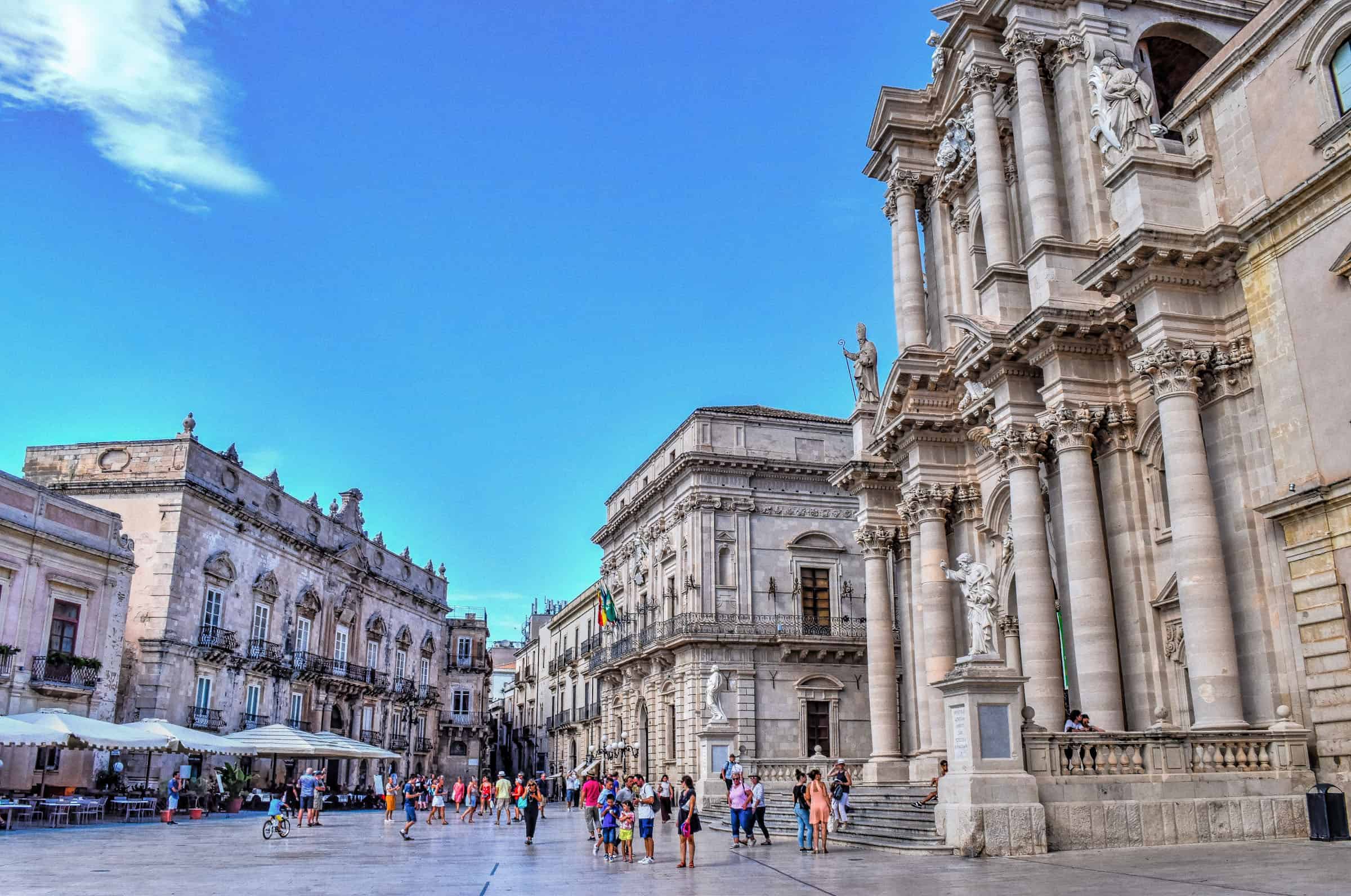
Siracusa (Syracuse) is one of the most historically rich destinations in Sicily, known for its mix of ancient Greek ruins and the atmospheric streets of Ortigia, its historic center.
With over 3,000 years of history, Syracuse is a UNESCO World Heritage Site, combining archaeological sites such as the Greek Theater with Baroque architecture, seaside promenades, and a compact old town that’s easy to explore on foot.
Most visits naturally split between Ortigia and the archaeological park, making the city well-suited for a short stay or a weekend trip.
This guide covers the best things to do in Syracuse, along with how to plan your visit and make the most of your time in the city.
Siracusa Highlights – At a Glance
Why Visit Siracusa
– Historic center (Ortigia): A compact island of narrow streets, Baroque architecture, and seaside views
– Ancient ruins: Major Greek and Roman sites, including the Neapolis archaeological park and theater
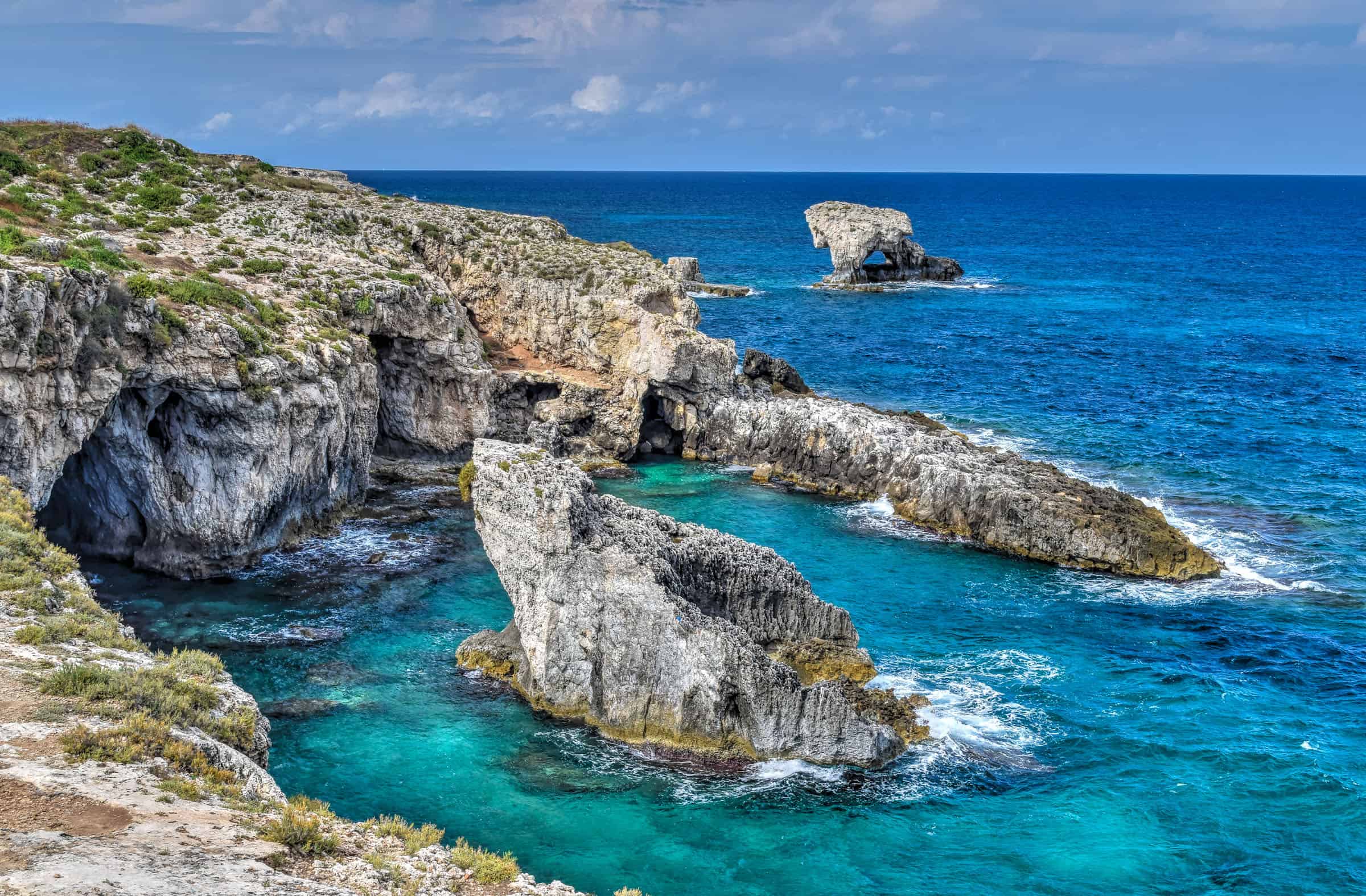
– Coastal setting: Waterfront promenades, small beaches, and swimming spots
– Atmosphere: Lively yet relaxed, with a strong mix of history, culture, and local life
– Unique attractions: Teardrop-shaped church and the San Giovanni catacombs
Good to Know
– Ideal stay: 2–3 days to explore Ortigia and the archaeological sites at a relaxed pace, longer if you want to use a base to explore the other nearby Baroque Towns
– Ortigia vs Siracusa:
Ortigia is the historic center, mostly pedestrian, and where most visitors spend their time
Siracusa (mainland) is more modern and home to the archaeological park
– Getting around: Ortigia is best explored on foot; a car is not needed unless planning day trips
Great base: Convenient base for visiting nearby baroque towns (Noto, Ragusa, Modica) and the Riserva Naturale di Vendicari




Disclosure: This page (Best Things to See and Do in Siracusa) may contain product affiliate links. At no additional cost to you, we may receive a commission for purchases made through these links. More details can be found on our disclosure and policies page.
Siracusa: Location & Map
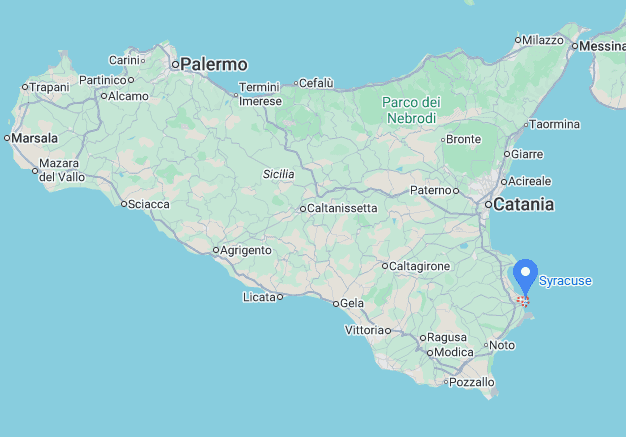
Siracusa is located on the southeastern coast of Sicily, about 1 hour south of Catania, the nearest major airport. The historic center, Ortigia, sits on a small island connected to the mainland by bridges and is where most visitors spend their time.
How to Get to Siracusa
By Car: Driving is the most convenient way to explore southeastern Sicily, and Siracusa is well connected by major roads.
From Noto: 40 km (45 minutes)
From Catania: 65 km (1 hour)
From Ragusa: 90 km (1h30)
From Palermo: 260 km (3 hours)
If you need to book a rental vehicle for your travels, we highly recommend using Discover Cars to get the best rates on your rental in Sicily.
We also highly recommend Airalo (eSIM card) for your connectivity needs when travelling abroad. Airalo is the world’s first and largest eSIM store with eSIM plans for 200+ countries and regions worldwide.
By Public Transit: Direct buses connect Siracusa to major Sicilian cities, such as Catania and Palermo. Key operators include FlixBus, SAIS Trasporti, and Interbus.
Driving in Siracusa: ZTL Areas (Restricted Traffic)
Siracusa’s ZTL (Zona a Traffico Limitato) restricts vehicle access to the historic center (Ortigia) via camera-enforced, white circular signs, operating late nights on weekdays and earlier on weekends/holidays. Fines for unauthorized entry exceed €100, often sent months later. Access requires special permits, usually handled by hotels.
ZTL Operating Hours (Ortigia):
- Monday–Friday: 20:00 – 02:00 (next day)
- Saturdays & Days Before Holidays: 16:00 – 02:00 (next day)
- Sundays & Holidays: 11:00 – 02:00 (next day)
Driving Tips & Avoiding Fines:
- Look for the Sign: A white circle with a red border means no entry for unauthorized vehicles.
- Camera Enforcement: Cameras on entry/exit points (e.g., at the bridges to Ortigia) record plates.
- Hotel Access: If staying in Ortigia, provide your license plate to the hotel immediately. They can register your car with the local police
Parking in Siracusa
If you’re staying in Siracusa, it’s best to choose accommodation that either provides parking or gives clear instructions on nearby options, especially if you’re staying in Ortigia.
For day visitors, the most convenient parking areas are located just outside Ortigia, such as Parcheggio Talete (link to Google Maps) or Parcheggio Molo Sant’Antonio (link to Google Maps), within a short walking distance of the historic center.
Because Ortigia is largely pedestrian and access is restricted, you’ll typically park outside the island and walk in.
Best Things to See in Siracusa
Most of the main sights in Siracusa are split between the historic island of Ortigia and the mainland.
The list below is divided into these two areas, with Ortigia covering the majority of what most visitors come to see, and the mainland home to the main archaeological sites and a few additional attractions.
Things to See in Ortigia
Strolling through Ortigia
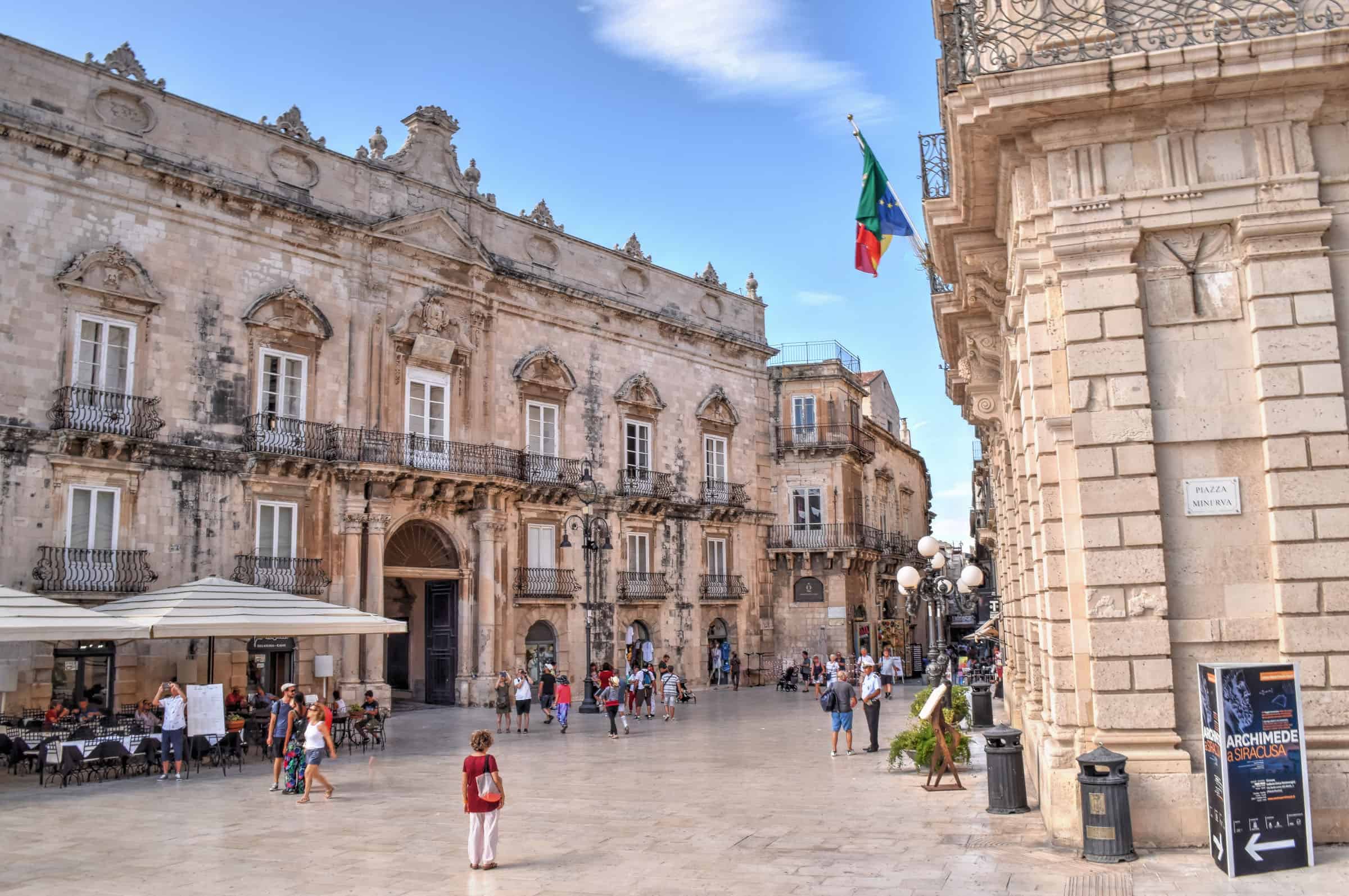
The best way to experience Ortigia is simply to wander. The island is a maze of pedestrian-only streets and alleyways, lined with Baroque buildings, church facades, small piazzas, and outdoor restaurants.


There’s no need to follow a strict route—this is very much a place to explore at your own pace. Despite its labyrinth-like layout, Ortigia is compact, and you’ll never be far from the sea, making it easy to reorient yourself at any point.


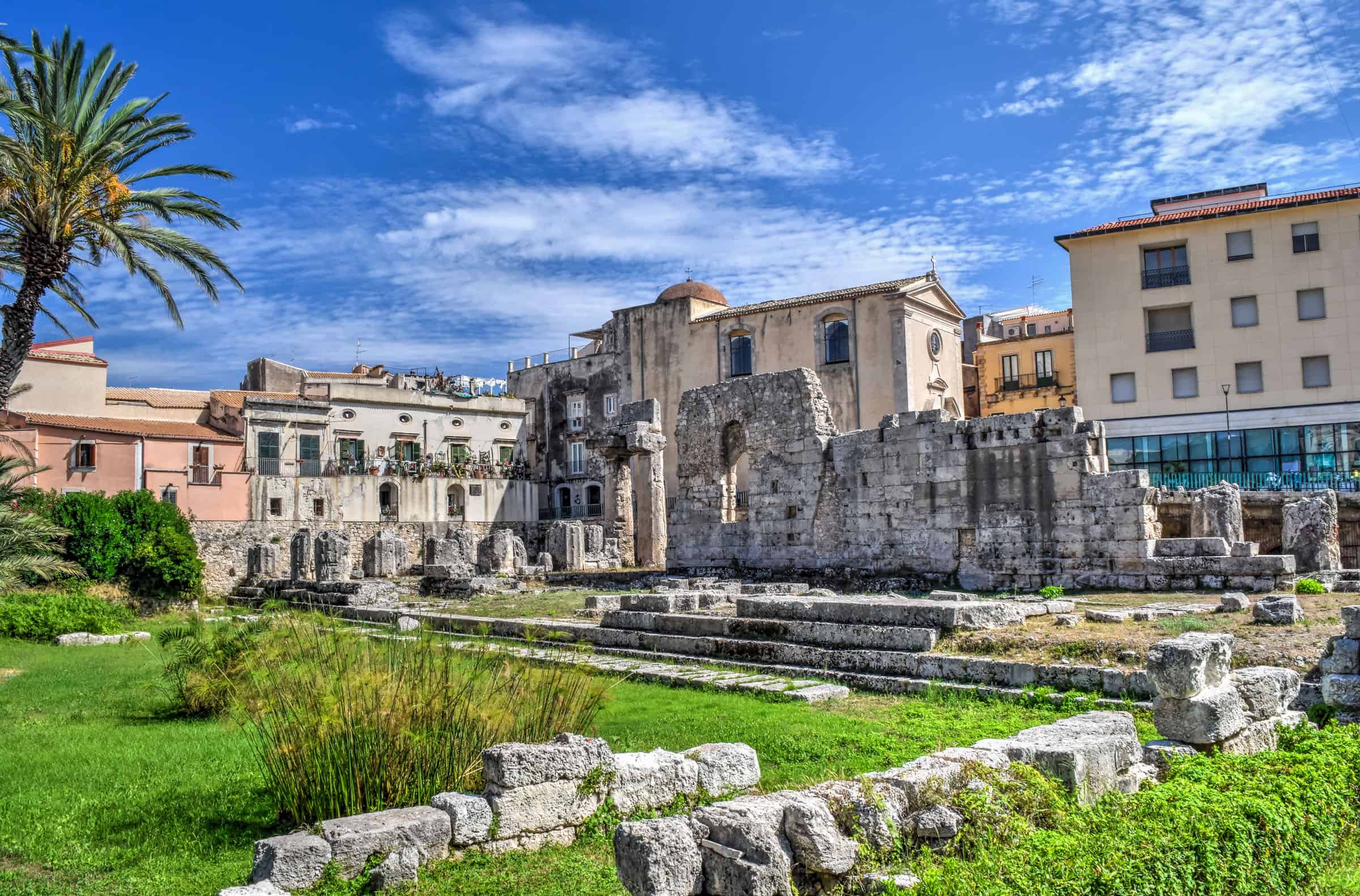
As you walk, you’ll naturally come across a few key landmarks, including the Fountain of Diana in Piazza Archimede and the Temple of Apollo, one of the oldest Greek temples in Sicily, located near the entrance to the island.
Piazza del Duomo & Cathedral
Although located within Ortigia, the Piazza del Duomo deserves its own stop. This large, elegant square is surrounded by bright stone buildings and is one of the most striking spaces in Siracusa.
The piazza is almost always lively, with street performers, artists, and plenty of outdoor cafés, making it a great place to pause and take in the atmosphere. It works just as well during the day as it does in the evening, when the lighting adds to its character.


At the center stands the Duomo di Siracusa, one of the most unique buildings in Sicily. Originally a 5th-century BC Greek temple dedicated to Athena, it was later transformed into a cathedral, with the original Doric columns still visible as part of the structure.


Lungomare Alfeo, Maniace Castle & Arethusa Spring
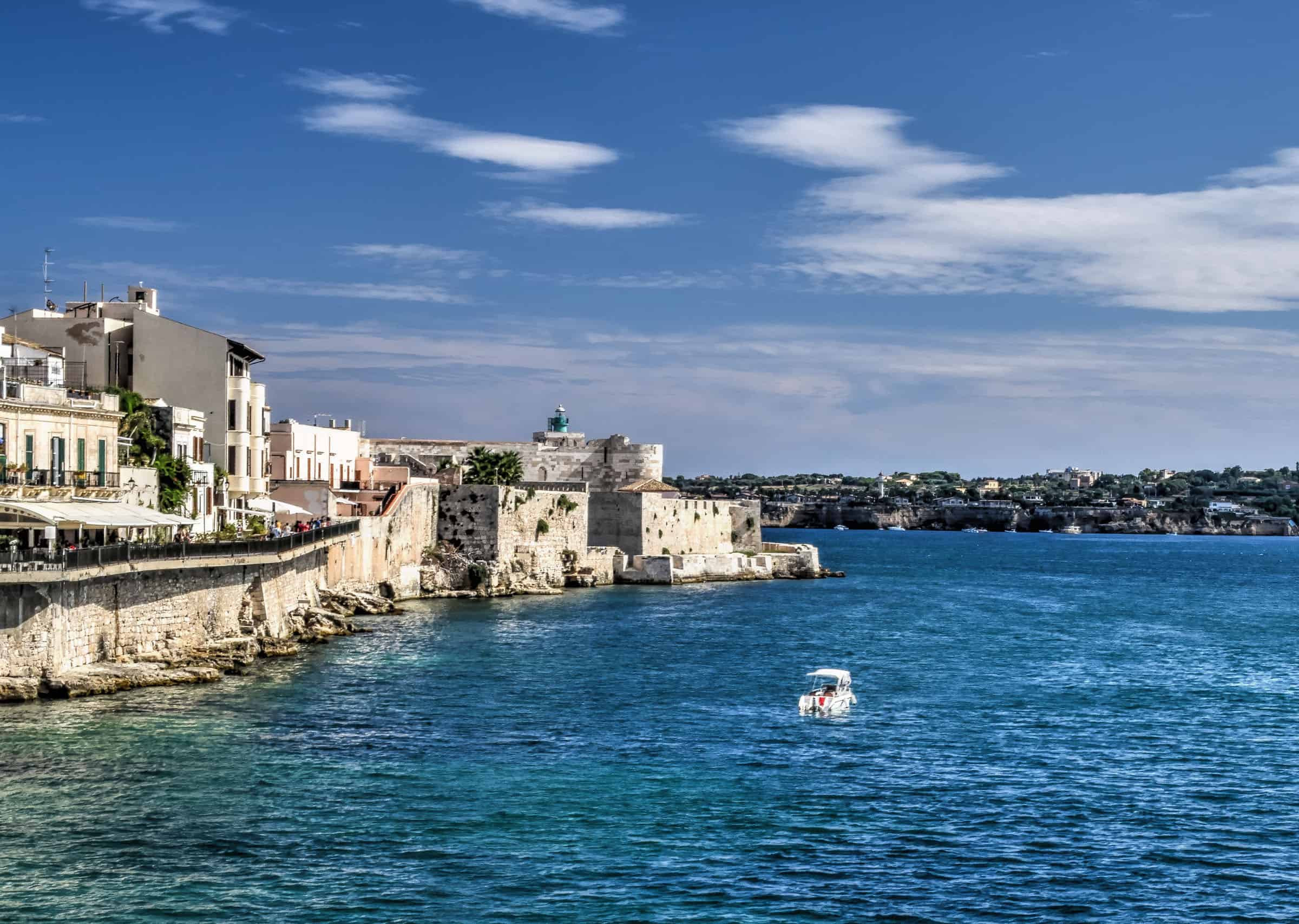
On the western edge of Ortigia, the Lungomare Alfeo is a scenic waterfront promenade with open views over the sea. It’s one of the nicest places for a relaxed walk, especially in the late afternoon or evening.
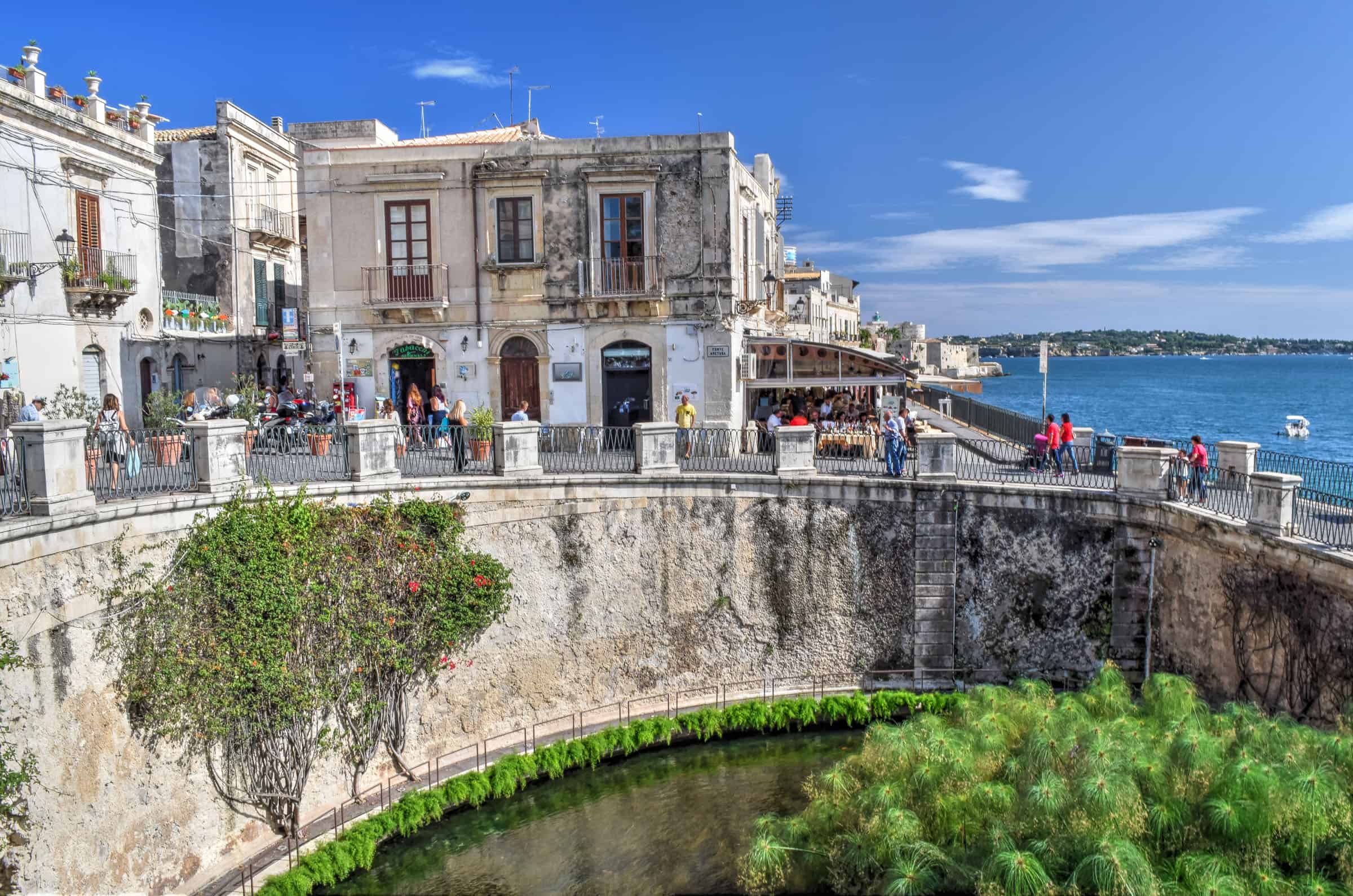
At one end, you’ll reach the Castello Maniace, a fortress dating back to the 13th century, set right at the tip of the island. Along the way, you’ll also pass the Fountain of Arethusa, a freshwater spring just steps from the sea, known for its papyrus plants.
This stretch is less about individual sights and more about enjoying the setting, combining coastal views with a few key landmarks along the route.

Siracusa Harbour Views
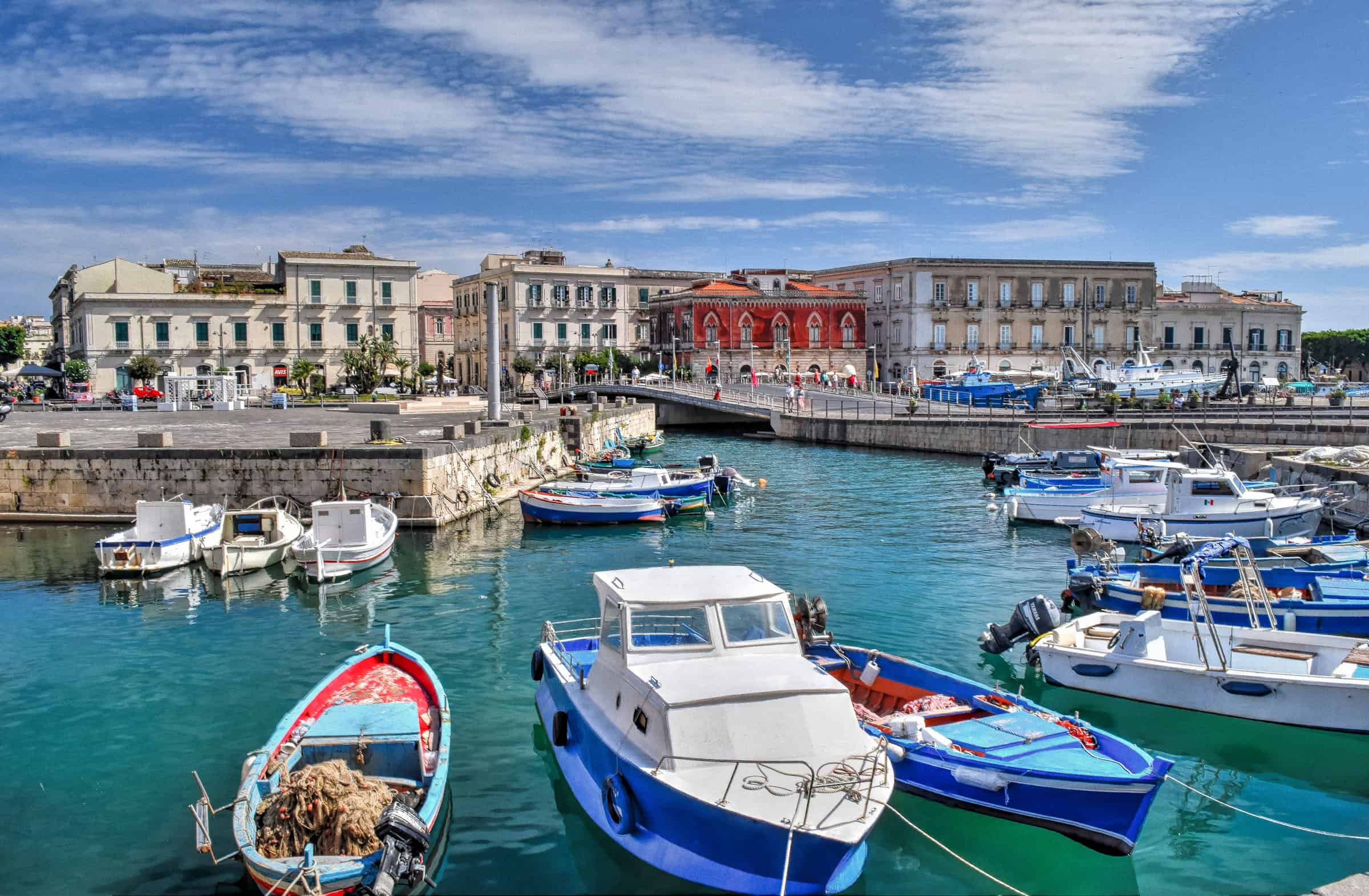
The area where Siracusa meets Ortigia offers some of the best open views in the city, with the harbor stretching out on both sides.
Walking along the bridges and waterfront paths, you’ll get a sense of how the city is laid out, with boats in the marina and views back toward Ortigia’s historic buildings. It’s a simple stop, but a good transition point as you move between the mainland and the old town.


Things to See in Siracusa (Mainland)
Neapolis Archaeological Park & Greek Theater
The Neapolis Archaeological Park is located on the mainland side of Siracusa (link to Google Maps), about a 20–25 minute walk from Ortigia. It contains the most important remains of the ancient Greek and Roman city.
The park is divided into three main sections: the Greek Theatre, the Latomia del Paradiso (ancient quarry), and the Roman Amphitheatre.
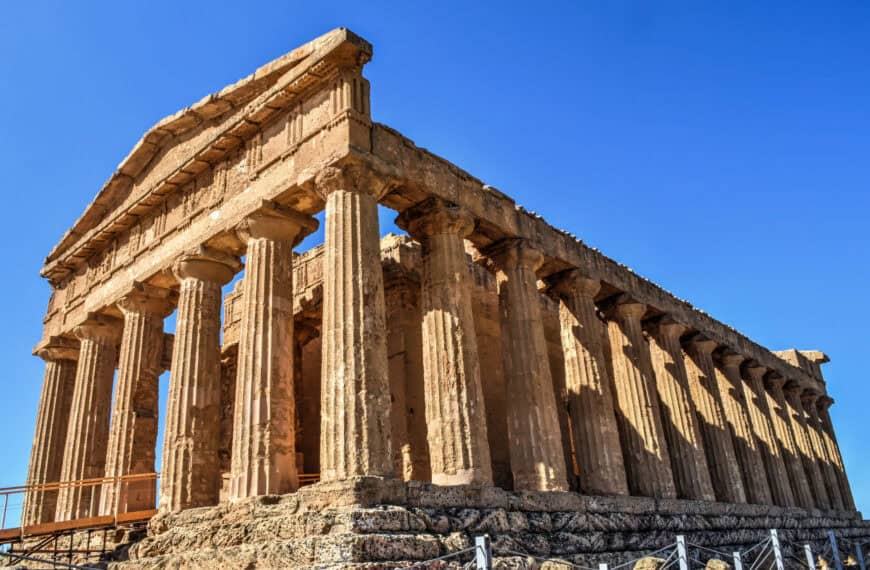
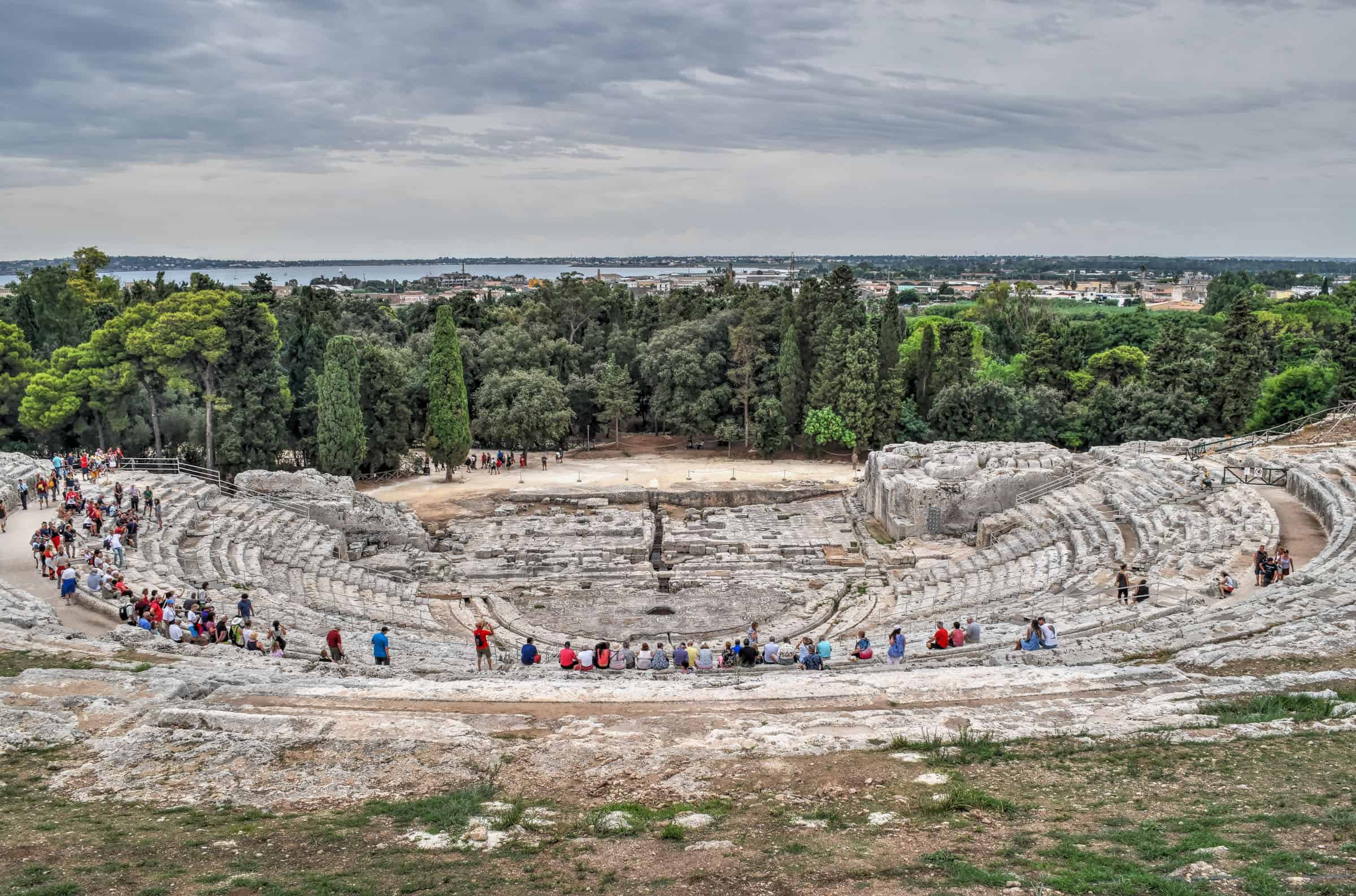
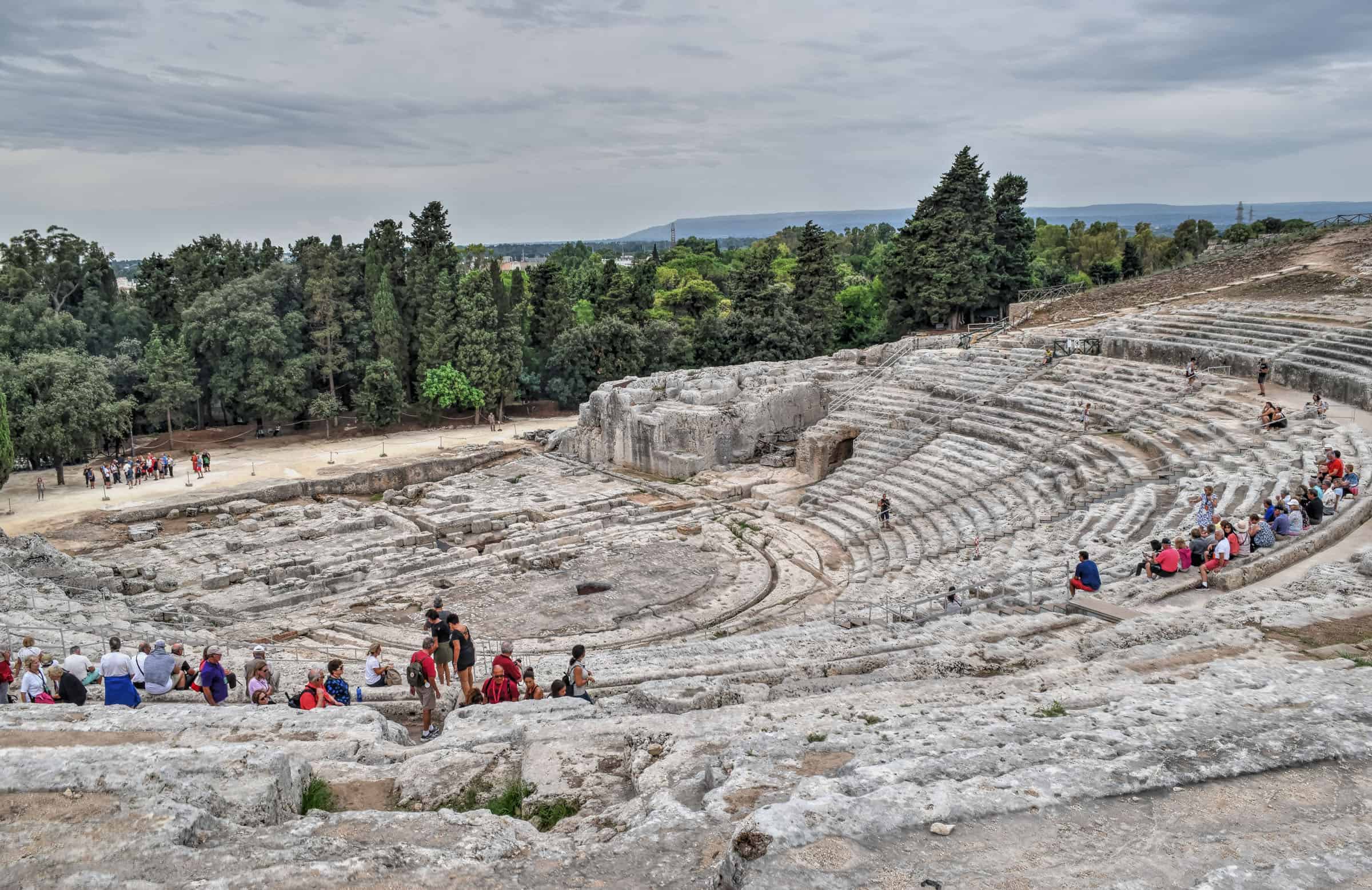
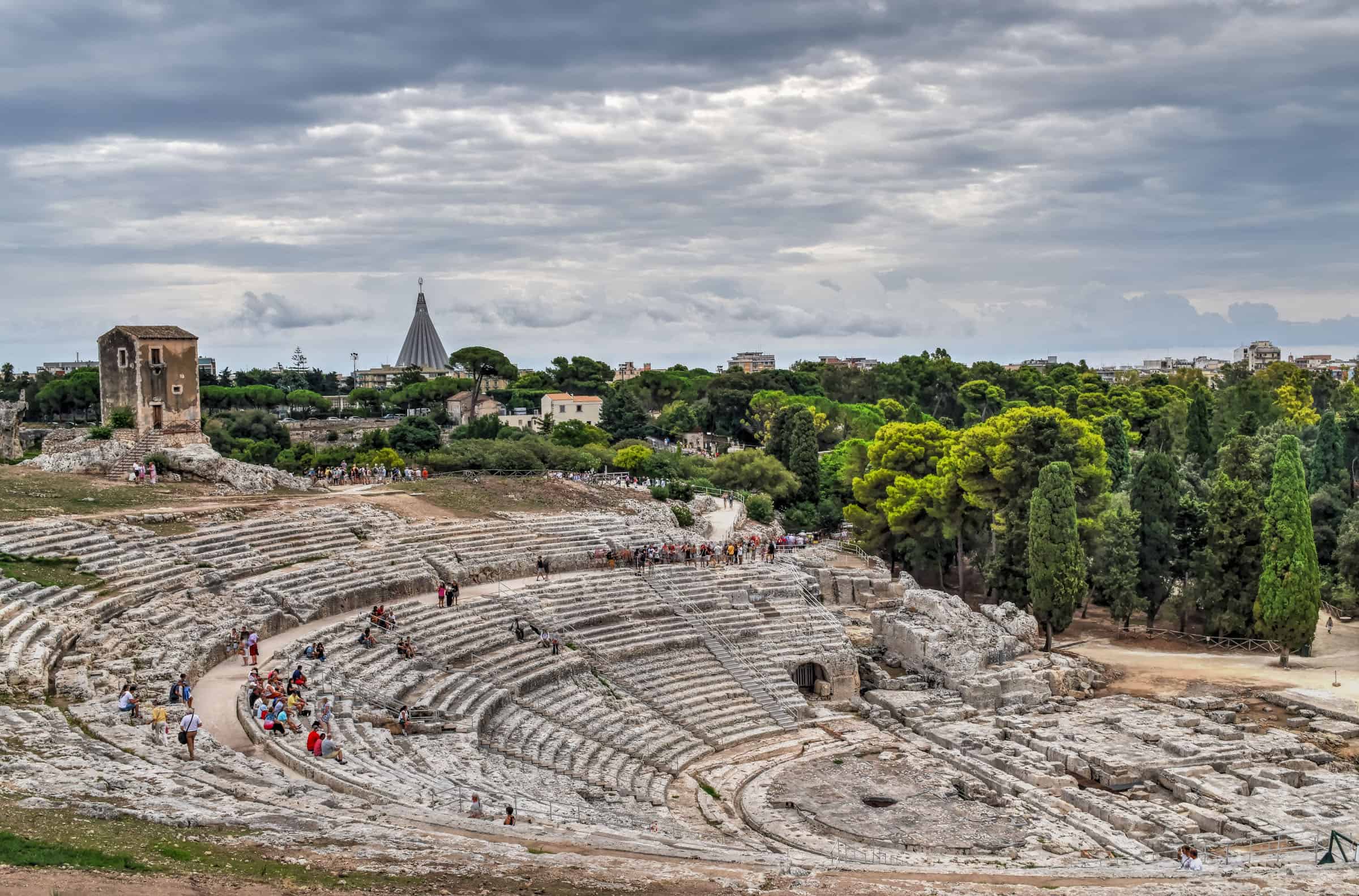
The highlight for most visitors is the Greek Theatre of Syracuse. Originally built in the 5th century BC and later expanded, this large amphitheatre is carved directly into the rock and could once hold up to 16,000 spectators. From the upper tiers, you’ll also get distant views toward the sea.
Another notable area is the Latomia del Paradiso, a former quarry where prisoners were once held. At its far end lies the famous Ear of Dionysius, a tall, narrow cavern known for its unusual acoustics.


The final section includes the remains of a Roman amphitheatre, once used for spectacles such as gladiator games, though much of it was dismantled in later centuries. It’s currently covered by lots of vegetation.


For current timetables and up-to-date entrance fees, check out the Park’s official website.
Santuario della Madonna delle Lacrime
The Santuario della Madonna delle Lacrime is a modern basilica that stands out against the skyline of Siracusa. Built in the late 20th century, its distinctive conical shape was designed to resemble a teardrop.
The shrine was constructed to house a small statue of the Virgin Mary that, according to local accounts, shed tears over several days in 1953, an event that drew widespread attention and led to the creation of the sanctuary.

The interior is just as striking as the exterior, with tall vertical windows rising toward the apex of the structure.

As of 2026, entry to the sanctuary is free.
Museo Archeologico Regionale Paolo Orsi
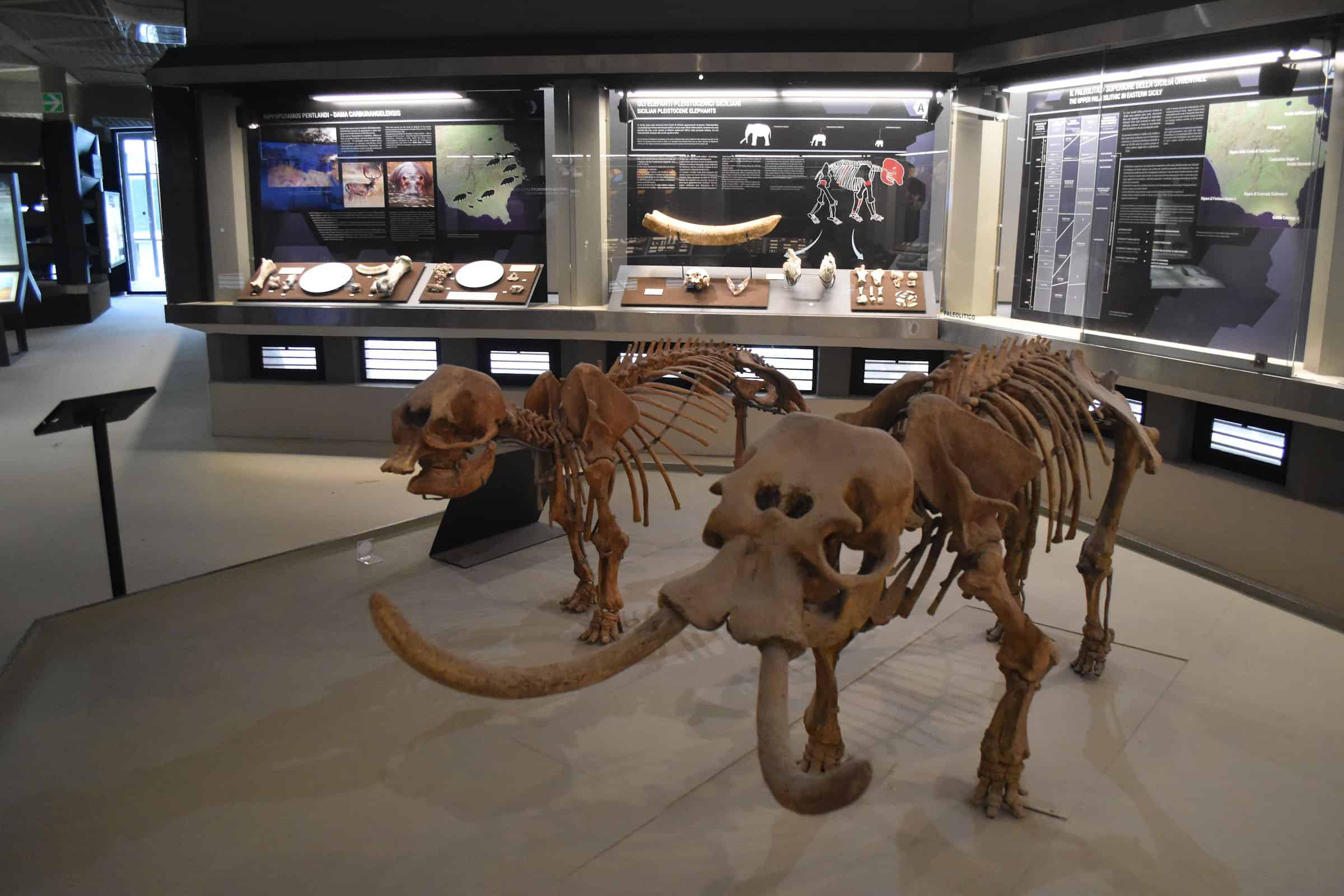
The Museo Archeologico Regionale Paolo Orsi is one of the most important archaeological museums in Sicily, housing a large collection of artifacts from the Greek and Roman periods.
It’s a good complement to a visit to the Neapolis Archaeological Park, providing additional context on the history of the region. That said, it’s best suited for visitors with a strong interest in archaeology, as the exhibits are extensive and more informational than experiential.
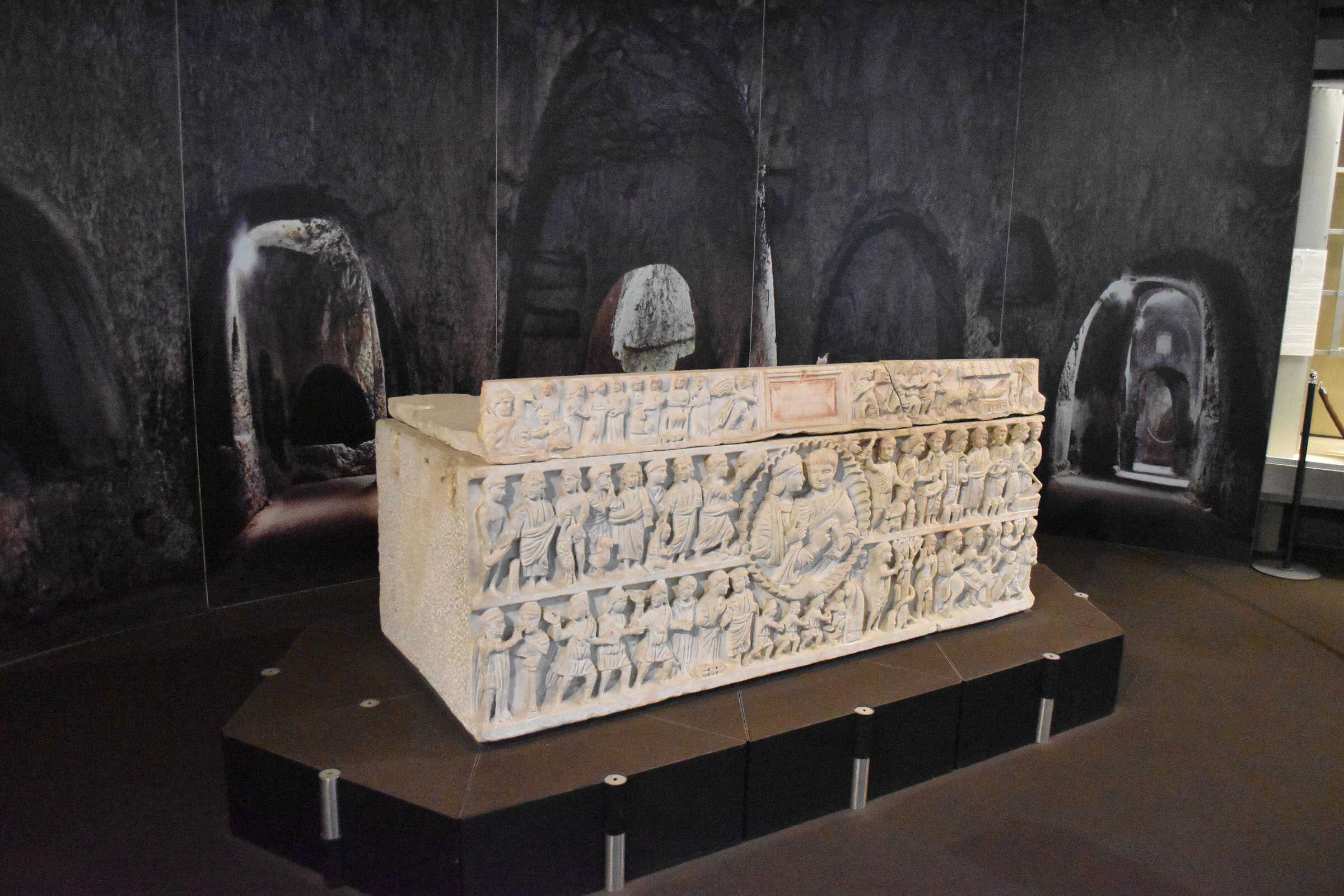
For current timetables and up-to-date entrance fees, check out the Museum’s official website.
Catacombe di San Giovanni
The Catacombe di San Giovanni is a network of underground tunnels dating back to the early Christian period, located beneath the Basilica of San Giovanni.
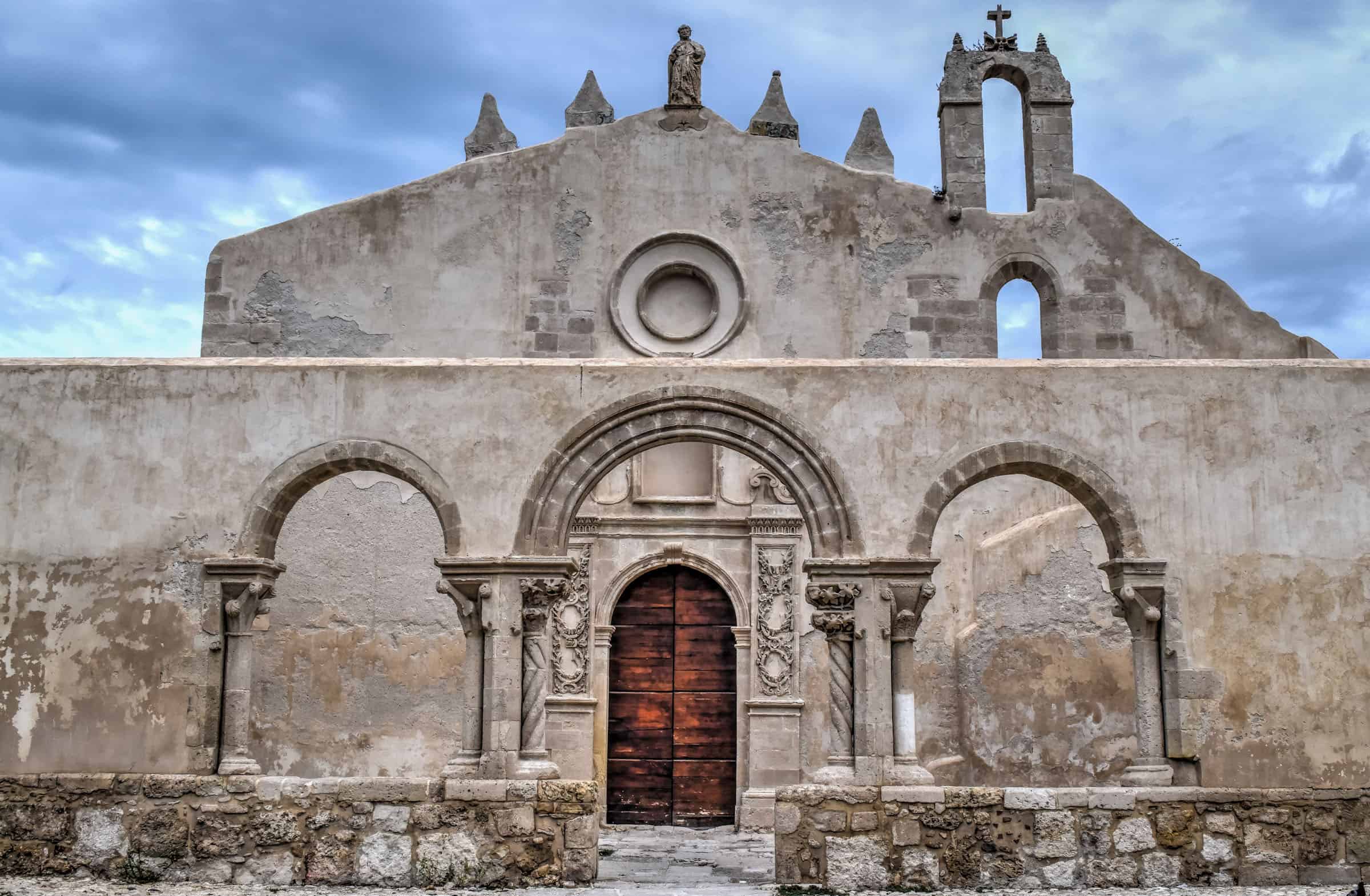
The site includes tombs, sarcophagi, and burial chambers carved into the rock, offering insight into the city’s later historical layers. Visits are typically guided, which helps bring context to what would otherwise be a more abstract site.


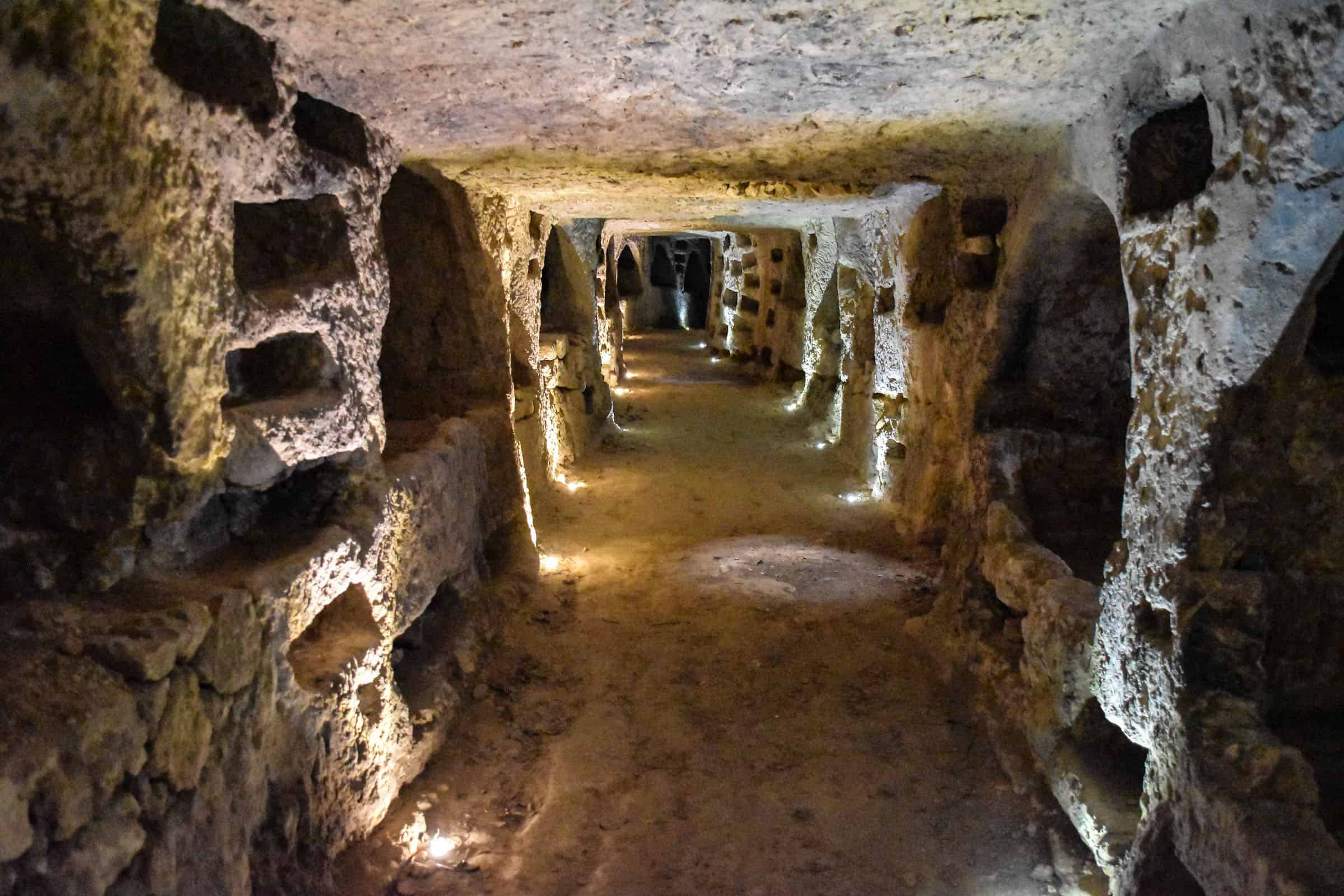
For current timetables and up-to-date entrance fees, check out the site’s official website.
Pista Ciclabile Rossana Maiorca
The Pista Ciclabile Rossana Maiorca is a scenic walking and cycling path built along a former railway line just north of the city.


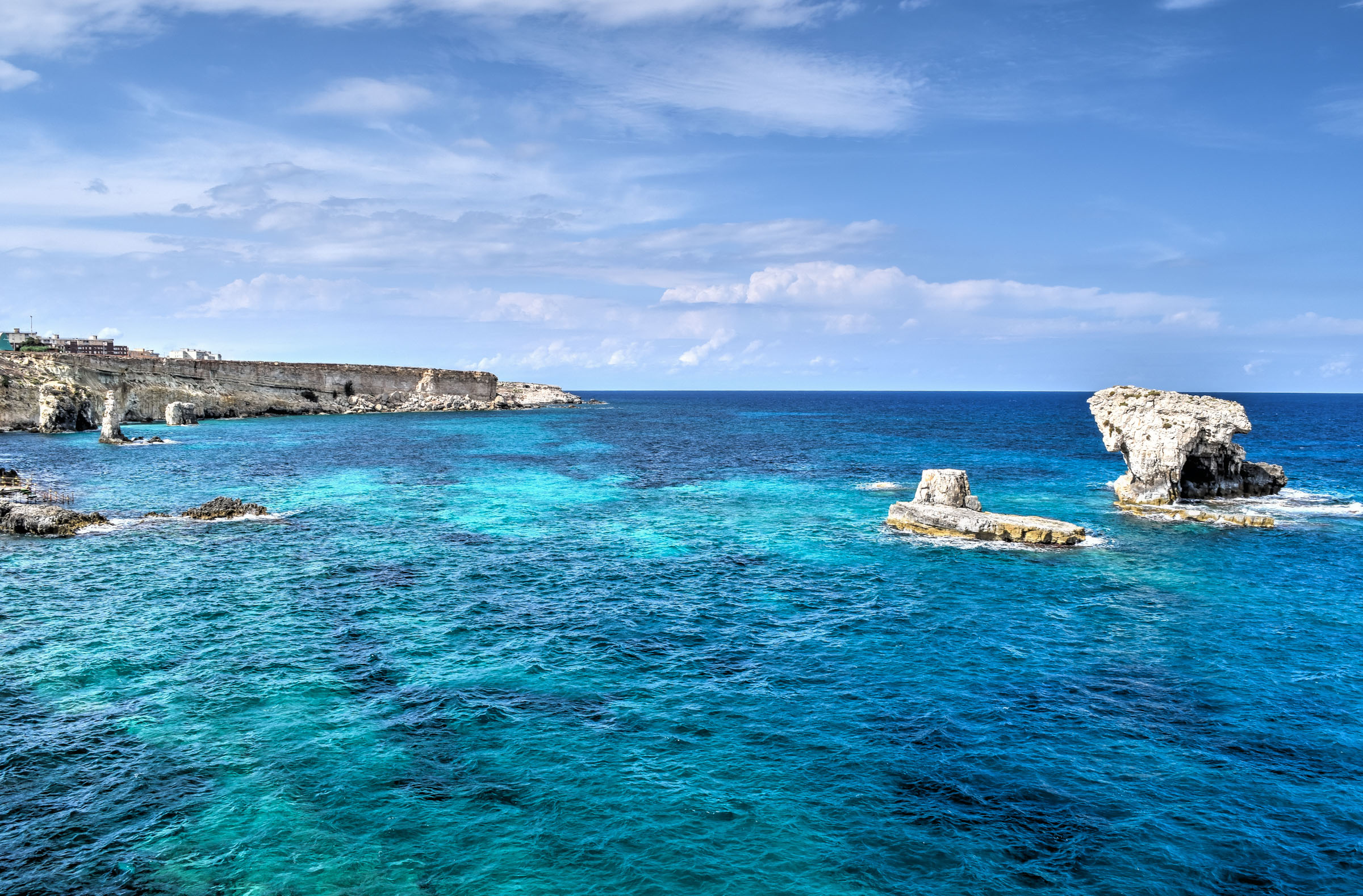
Stretching for about 7 km (14 km return), it offers open views of the coastline and is a nice option if you’re looking to get outside the historic center. It’s easily accessible from Ortigia; cross the bridge to the mainland and follow the waterfront north toward Piazzale dei Cappuccini, where the path begins (link to Google Maps).
How Much Time to Spend in Siracusa
While it’s possible to see most of the main sights in Siracusa in a single day, it will feel rushed.
We recommend spending at least 2 days, with one day dedicated to exploring Ortigia at a slower pace, and another focused on the mainland attractions such as the archaeological park, museum, and other sites.
If you’re planning to use Siracusa as a base to explore southeastern Sicily—including the Baroque towns and nearby coastal areas, it’s worth adding an extra day or two to your stay.
Day Trips from Siracusa
Siracusa is also an excellent base for exploring southeastern Sicily, with several worthwhile destinations within a short drive.
Popular options include the Baroque towns of Noto, Modica, and Ragusa, as well as coastal areas like the Riserva Naturale di Vendicari and the fishing village of Marzamemi.


For a full breakdown of these options and how to plan them, see our dedicated guide to the best day trips from Siracusa.
Best Time to Visit Siracusa
The best time to visit Siracusa is during the shoulder seasons (April–June and September–October), when temperatures are warm but more comfortable, and the city is less crowded than in peak summer.
These months are particularly well-suited for exploring Ortigia and visiting outdoor sites like the Neapolis Archaeological Park, where shade can be limited.
Summer (July–August) is the busiest and hottest time of year, with temperatures often exceeding 30°C. While this is a great time for swimming and enjoying the coastline, sightseeing, especially at archaeological sites, can be more demanding.
Winter is quieter and cooler, and while it can still be pleasant on sunny days, conditions are less predictable. It’s a good time for exploring the city itself, though some beach-focused activities may be less appealing.
Is Siracusa Worth Visiting?
Siracusa is one of the most rewarding destinations in Sicily, combining ancient history with a lively coastal setting.
Why You Might Enjoy It:
– A unique mix of Greek and Roman ruins, including the Neapolis Archaeological Park
– The atmospheric streets and waterfront setting of Ortigia
– Compact and walkable historic center with plenty of restaurants and cafés
– A good balance between sightseeing and a relaxed coastal atmosphere
Why It Might Not Be for You:
– Some of the main sights are spread between Ortigia and the mainland
– Can get busy in peak summer, especially in Ortigia
Bottom line: Siracusa is well worth visiting, especially if you’re interested in history and want a destination that combines major archaeological sites with a lively and walkable historic center. It also works very well as a base for exploring southeastern Sicily.
Where to Stay in Siracusa
The best place to stay in Siracusa depends largely on whether you want to be based in the historic center or just outside of it.
Most visitors choose to stay in Ortigia, the old town, where you’ll be within walking distance of the main sights, restaurants, and waterfront. However, accommodation options here can be more limited, and access by car is restricted.
Staying just outside Ortigia is often a more practical alternative, offering easier parking and a wider range of hotels, while still being within a short walk of the historic center.
Below are some of the best mid-range options in both areas.
In Ortigia (Siracusa Old Town):
Hotel Posta – A well-located option near the waterfront, with easy access to Ortigia’s main sights.
Lanterne Magiche Ortigia Suites – A smaller, more character-filled stay with stylish interiors in the heart of the old town
Hotels just outside Ortigia (within walking distance):
Hotel Palazzo Cavalieri – A comfortable option slightly outside the historic center, offering good value and quieter surroundings.
Caportigia Boutique Hotel – A modern boutique stay with clean design and a convenient central location.
Mercure Siracusa Prometeo – A reliable mid-range hotel with more amenities, including a rooftop pool.
Hotel Centrale – A simple and budget-friendly option within walking distance of Ortigia.
Siracusa Frequently Asked Questions (FAQ)
Is Siracusa worth visiting?
Yes, Siracusa is one of the most historically rich destinations in Sicily, combining ancient ruins with the atmospheric setting of Ortigia.
How long do you need in Siracusa?
2 days is the minimum. This allows you to explore Ortigia at a relaxed pace and visit the mainland sites such as the Neapolis Archaeological Park.
Should you stay in Ortigia or Siracusa?
Most visitors prefer staying in Ortigia for its atmosphere and walkability, though staying just outside the island can be more practical for parking and access.
Do you need a car in Siracusa?
No, not for the city itself, Ortigia is best explored on foot. A car is useful if you plan to take day trips to places like Noto or the Riserva Naturale di Vendicari.
Is Ortigia pedestrian-only?
Mostly yes. Vehicle access is restricted due to ZTL regulations, so most visitors will park outside and walk in.
What are the main things to see in Siracusa?
The highlights include exploring Ortigia, visiting the Duomo, and seeing the ancient ruins in the Neapolis Archaeological Park.
Photography Gear
If you like our photography, you might be interested in some of the gear we use to shoot our travel and hiking destinations.
Camera Body – Nikon Z 6ii Fx-series Mirrorless Body
Main Lens – NIKON 24-120mm F/4G ED VR AF-S
Zoom Lens – Sigma 745-306 150-600mm f/5-6.3
Polarizing filters – Urth Circular Polarizing (CPL)
Camera Tripod – K&F Concept 64-inch Camera Tripod
Mini-tripod – Lammcou Flexible Camera Tripod
Camera/hiking backpack – Vanguard Alta Rise 48 Backpack
Universal Travel Adapter – VYLEE Universal International Power Travel Plug
Other Travel Essentials
Travel Insurance
SafetyWing is a travel insurance company that offers comprehensive coverage for travellers. Includes Medical Insurance and Travel Insurance. Primarily geared towards long-term travellers, digital nomads, and expats.
e-Sim cards
Airalo is the world’s first and largest eSIM store with eSIM plans for 200+ countries and regions worldwide. With Airalo eSIMs, travellers can get connected the moment they land at their destination and avoid nasty data roaming charges
eSIMS are a sustainable alternative to single-use SIM cards – they are 100% digital, require less energy to produce and be re-used rather than disposed of.
Car Rentals
Discover Cars is our go-to website for car rentals. We almost always find our preferred rate there.
Transfer from Airport
Welcome Pickups is our favourite private transfer service, which you can pre-book at a fixed price. Currently available in 220 cities all over the world (mostly in Europe, but with several major cities in Asia, the Middle East and the US).
Kiwitaxi is another private transfer service – we haven’t tried it yet, but it’s currently available in a few more countries (102 as of 2024).
Hotels and Accommodations (coming soon)
Photography Prints
If you found this blog useful, you can help support our blog by purchasing low-cost digital prints. Printed physical prints are also available for purchase.


—–
Well, that wraps it up! We hope you enjoyed our Siracusa Travel Guide and that it will prove useful for planning your trip.
—–
You might also be interested in these related pages: