Located near Cala Gonone and Dorgali, Serra Orrios is an exceptionally well-preserved Nuragic archaeological sanctuary-village dating from the Bronze Age, nearly 4000 years ago. Here you’ll find the well-preserved ruins of circular stone huts, small temples, passageways, and open spaces spread across the site. Serra Orrios is considered one of the best-preserved Nuragic settlements in Sardinia, and one of the best places to visit to get a sense of the island’s prehistoric past.
To help you know what to expect and whether it’s worth adding to your Sardinia itinerary, we put together this travel guide for visiting Serra Orrios. Of the many Nuragic sites we visited during our time in Sardinia, Serra Orrios was definitely among our top three favorites, along with Nuragic Complex Romanzesu and Nuraghe Santu Antine.
Serra Orrios Nuragic Village – At a Glance
Location
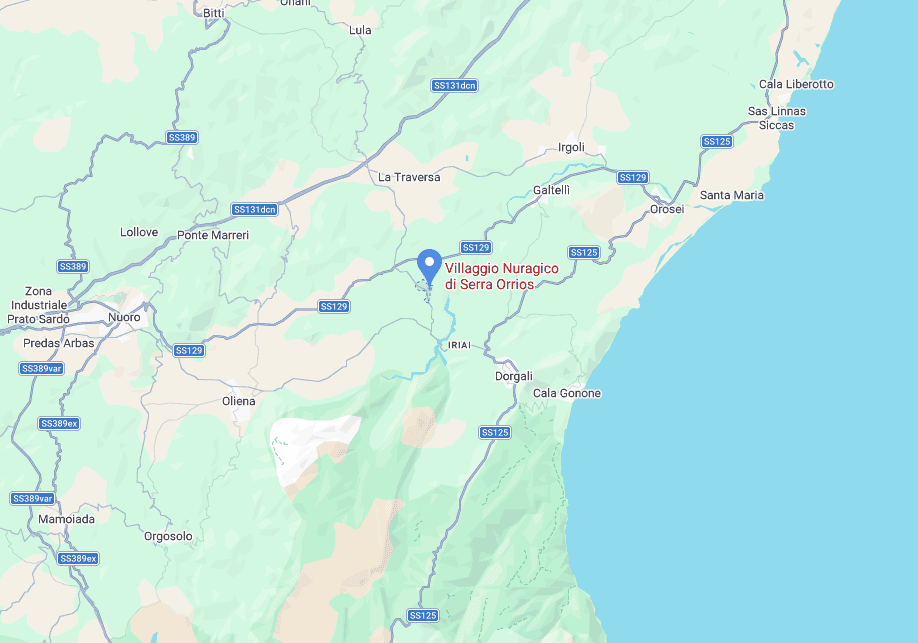
Slightly north of Cala Gonone and about 10 km from the town of Dorgali.
How to Get There
The easiest way to reach Serra Orrios is by car. The archaeological site is located along SP38, about a 30-minute drive from Cala Gonone.
Site & Visit info
– Self-guided visit; several information panels are scattered across the site
– Time required: expect to spend about 45-60 minutes
– Entrance fees: €6 per adult (2026)
Good to know
– The Nuragic site is about a 500 m walk from the ticket office, along an easy path
– Washrooms, a café, and a small gift shop are located near the ticket office
– Tour groups often arrive by mid-morning, so early morning is usually the best time to visit if you want a quieter experience


Disclosure: This page (Serra Orrios Nuragic Village) may contain product affiliate links. At no additional cost to you, we may receive a commission for purchases made through these links. More details can be found on our disclosure and policies page.
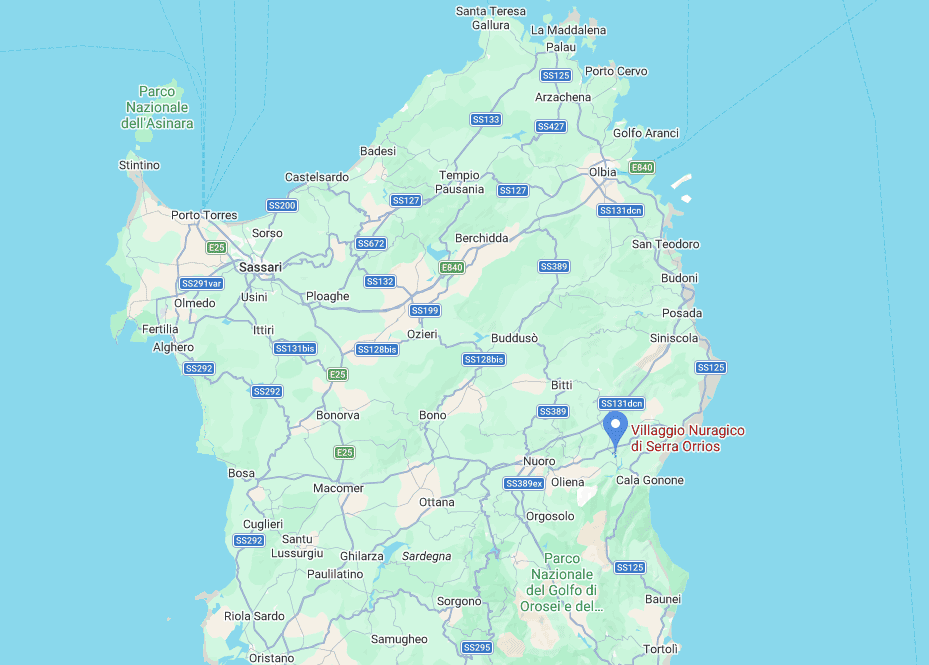
Serra Orrios Nuragic Village: Location, Map, and How to Get There
Serra Orrios is located on the Golei plateau, slightly north of Cala Gonone and slightly west of Orosei, about 10 km from the town of Dorgali.
Getting to Serra Orrios
Driving is by far the most practical way to reach Serra Orrios.
Typical driving times:
From Dorgali: 15 minutes (10 km)
From Cala Gonone: 30 minutes (20 km)
From Orosei: 25 minutes (25 km)
From Olbia: 60 minutes (85 km)
If you need to book a rental vehicle for your travels, we highly recommend using Discover Cars to get the best rates on your rental in Sardinia.
We also highly recommend Airalo (eSIM card) for your connectivity needs when travelling abroad. Airalo is the world’s first and largest eSIM store with eSIM plans for 200+ countries and regions worldwide.
Serra Orrios Nuragic Village: Entrance Fees and Opening Hours
Entrance Fee
Entrance to Serra Orrios costs €6 for adults (2026) for a standard self-guided visit, with reduced rates available for children.
There is also a guided-visit ticket listed at €8 for adults, though it was not entirely clear to us how regularly guided visits are offered or how they are scheduled. Even after visiting the site, the guided-visit system felt a little unclear, so we would not rely on being able to join one unless you confirm the details directly when buying your ticket.
There are also combined tickets available if you are planning to visit several sites around Dorgali and Cala Gonone, which include places such as Grotta del Bue Marino, Grotta di Ispinigoli, the Archaeological Museum in Dorgali, and a few others.
Operating Hours
Serra Orrios generally opens at 9:00 AM throughout the year, but closing times vary depending on the season. As a general rule, the site closes between 5:00 PM and 7:00 PM, with the latest closing times in July and August.
Important to know: The site also typically closes for a 1-3 hour midday break, usually from 1:00 PM to 2:00 PM (when it closes at 5 PM), 3:00 PM (when it closes at 6 PM), or 4:00 PM (when it closes at 7 PM, in July & August), depending on the time of year, meaning that it is always open for 3 hours post-break and the longest breaks are held during the warmer and busier summer months.
For up-to-date schedules, see the official Serra Orrios website.
Facilities
There are washrooms and a small cafe with a shop by the ticket office where you can buy various snacks and beverages. There’s also covered and uncovered outdoor seating.


Good to Know
The site is mostly exposed with very little shade, so having sun protection is generally a good idea.
Walking to the Site
The nuragic site is about a 500 m walk from the ticket office. The walk is fairly straightforward along a fairly level stone path.


Serra Orrios Nuragic Village – A quick history
Serra Orrios dates back to the Nuragic period, with evidence suggesting that the site was used from the Bronze Age and became especially active during the later phases of Nuragic civilization. The Nuragic civilization is generally dated from around 1800 BCE to 238 BCE, meaning it began roughly 3,800 years ago and continued until the Roman conquest of Sardinia.
Serra Orrios is a large village-sanctuary where people lived, worked, gathered, and performed ritual activities. Today, the remains of circular huts, courtyards, storage spaces, and small temple structures help show how organized and complex these prehistoric communities were.
The site was rediscovered and excavated in the 1930s, with major archaeological work carried out by Doro Levi between 1936 and 1938. Later restoration and research helped turn Serra Orrios into one of the most accessible and informative Nuragic sites to visit in eastern Sardinia.
Serra Orrios Nuragic Village – What to Expect during your Visit
Once you arrive at Serra Orrios, you are free to explore the archaeological site at your own pace. There is no strict route to follow, so you can wander through the ruins in whichever direction you prefer. Several information panels are placed near the most important structures, with English explanations.
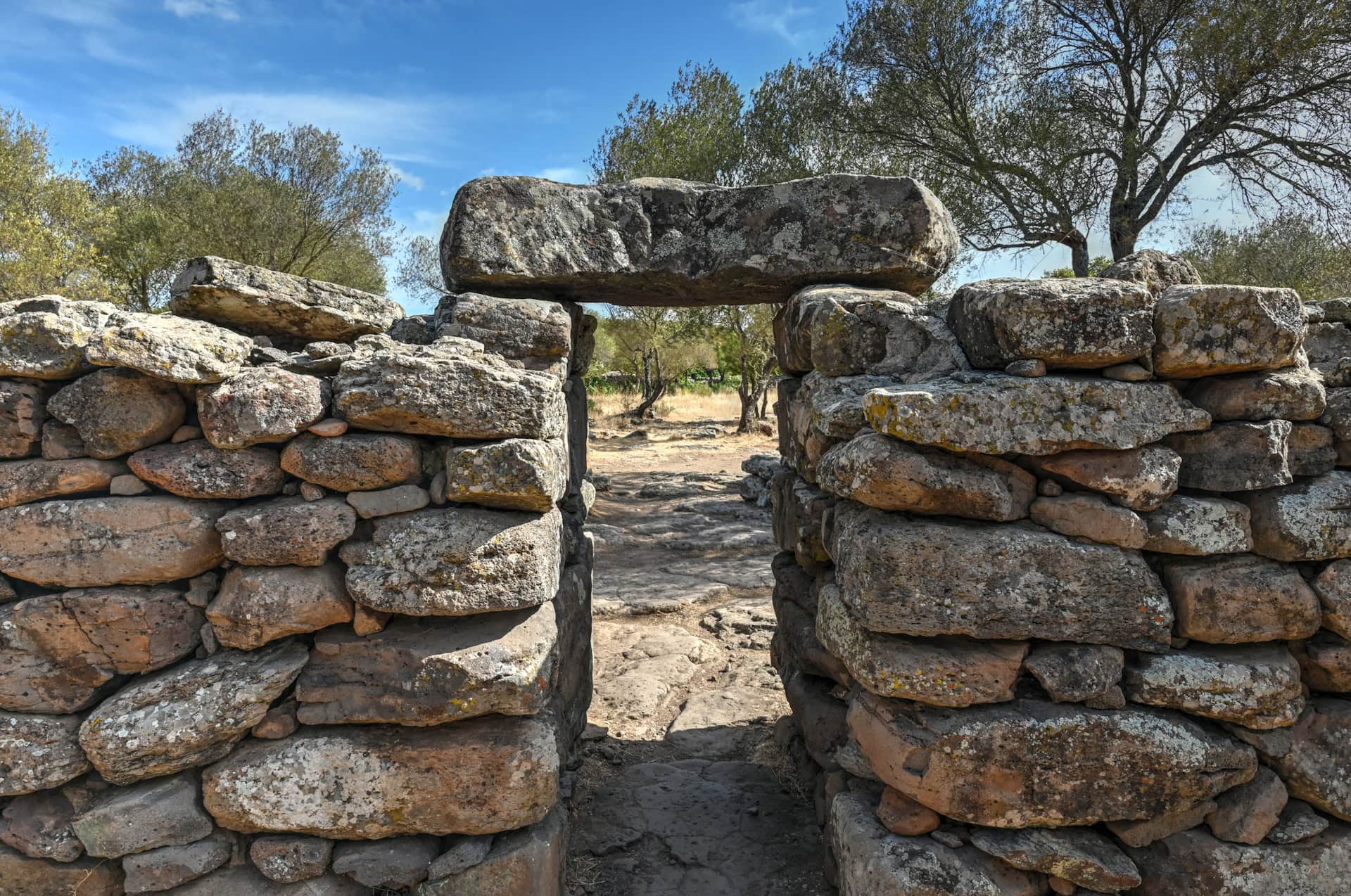


One of the things that makes Serra Orrios especially interesting is that it feels very different from many other Nuragic sites in Sardinia. Instead of being centered around a tall defensive nuraghe tower, the settlement is much more open and horizontal. The village spreads across a broad area, with different zones of circular stone huts, courtyards, passageways, and religious structures.
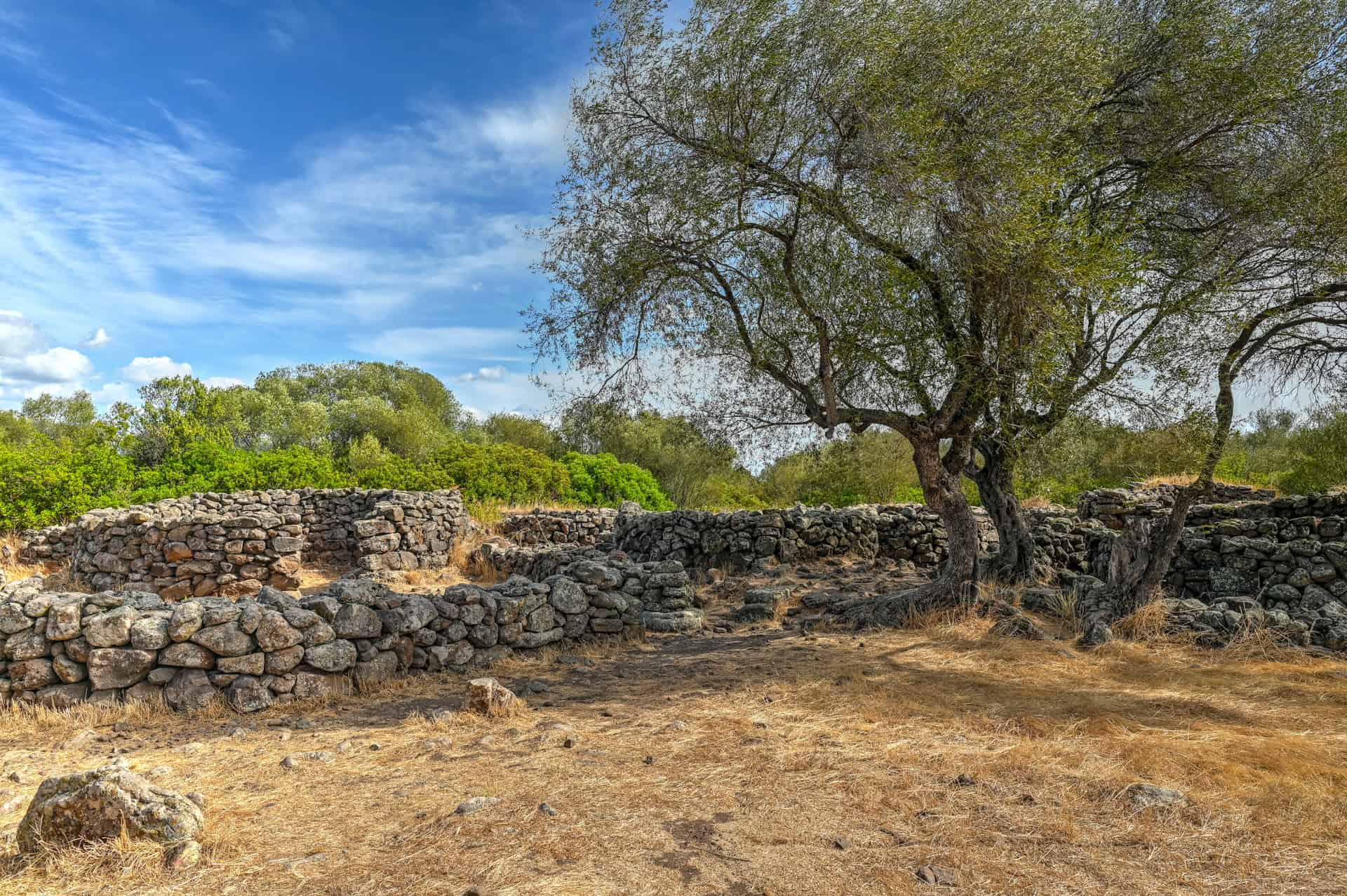
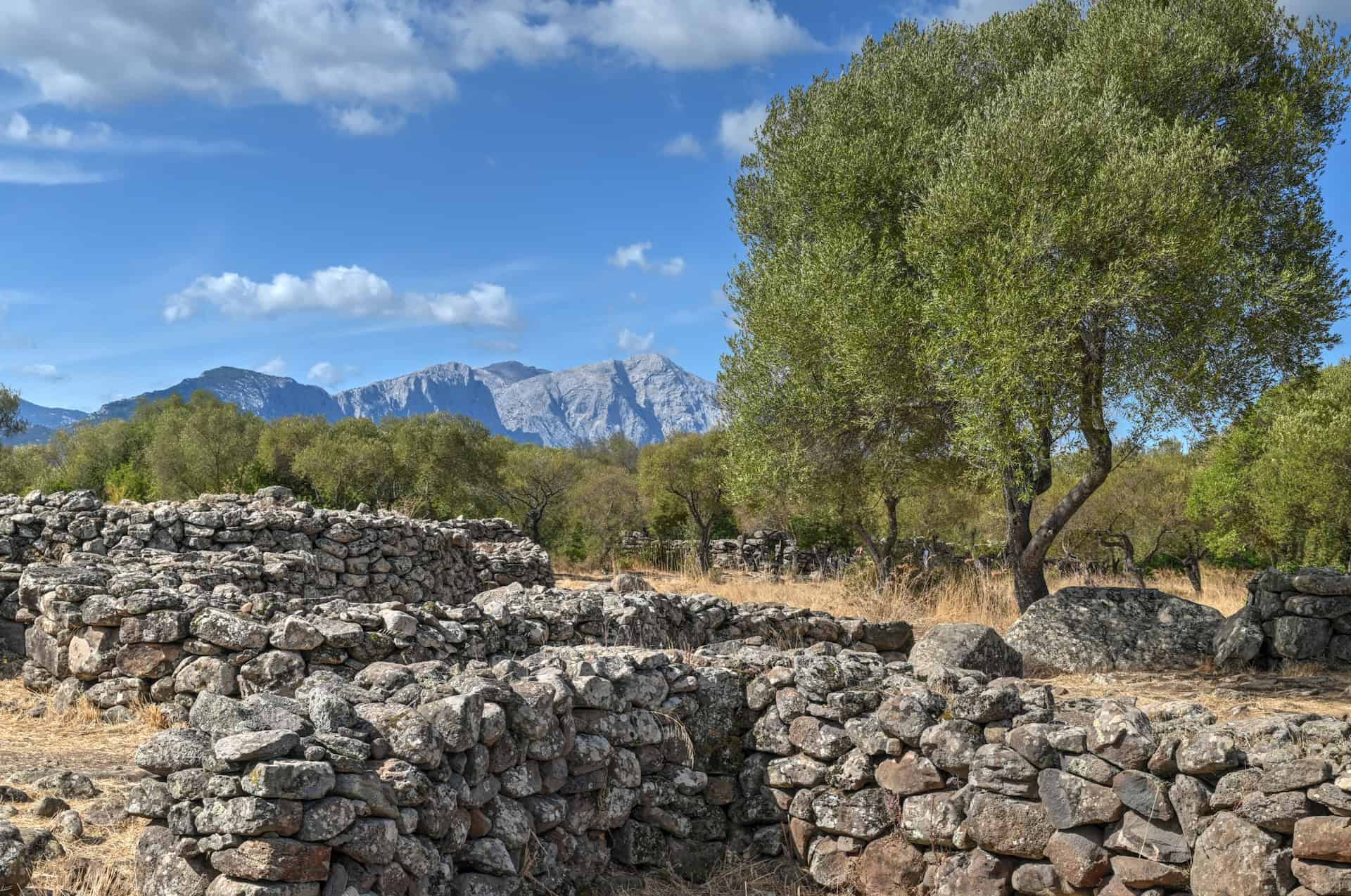
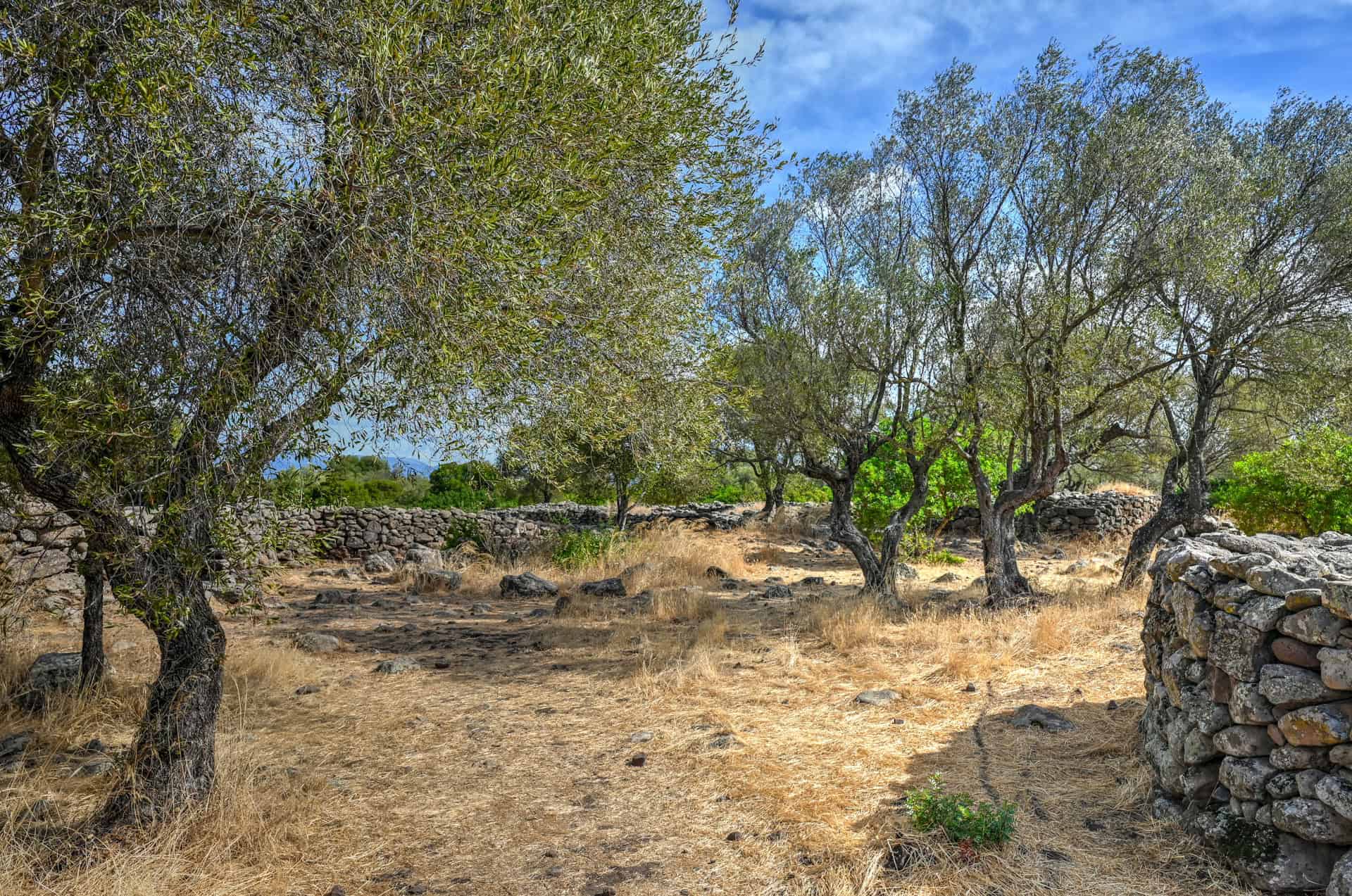
In total, Serra Orrios contains around 100 circular basalt-stone huts that aren’t arranged randomly but are rather grouped into distinct residential blocks, with shared outer walls and interior courtyard spaces. We felt that walking through and in between the huts gives you a much better sense of the village layout.
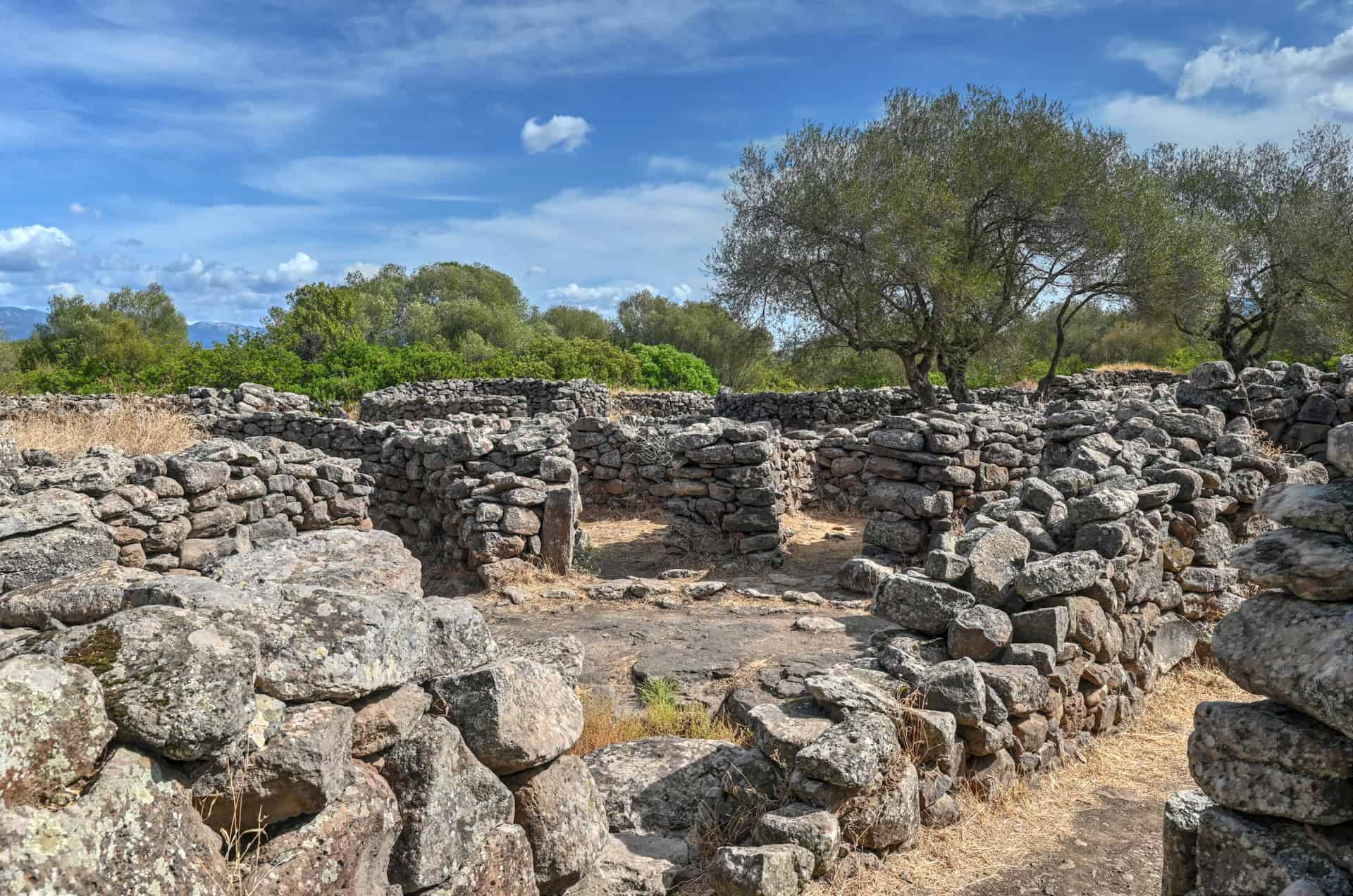


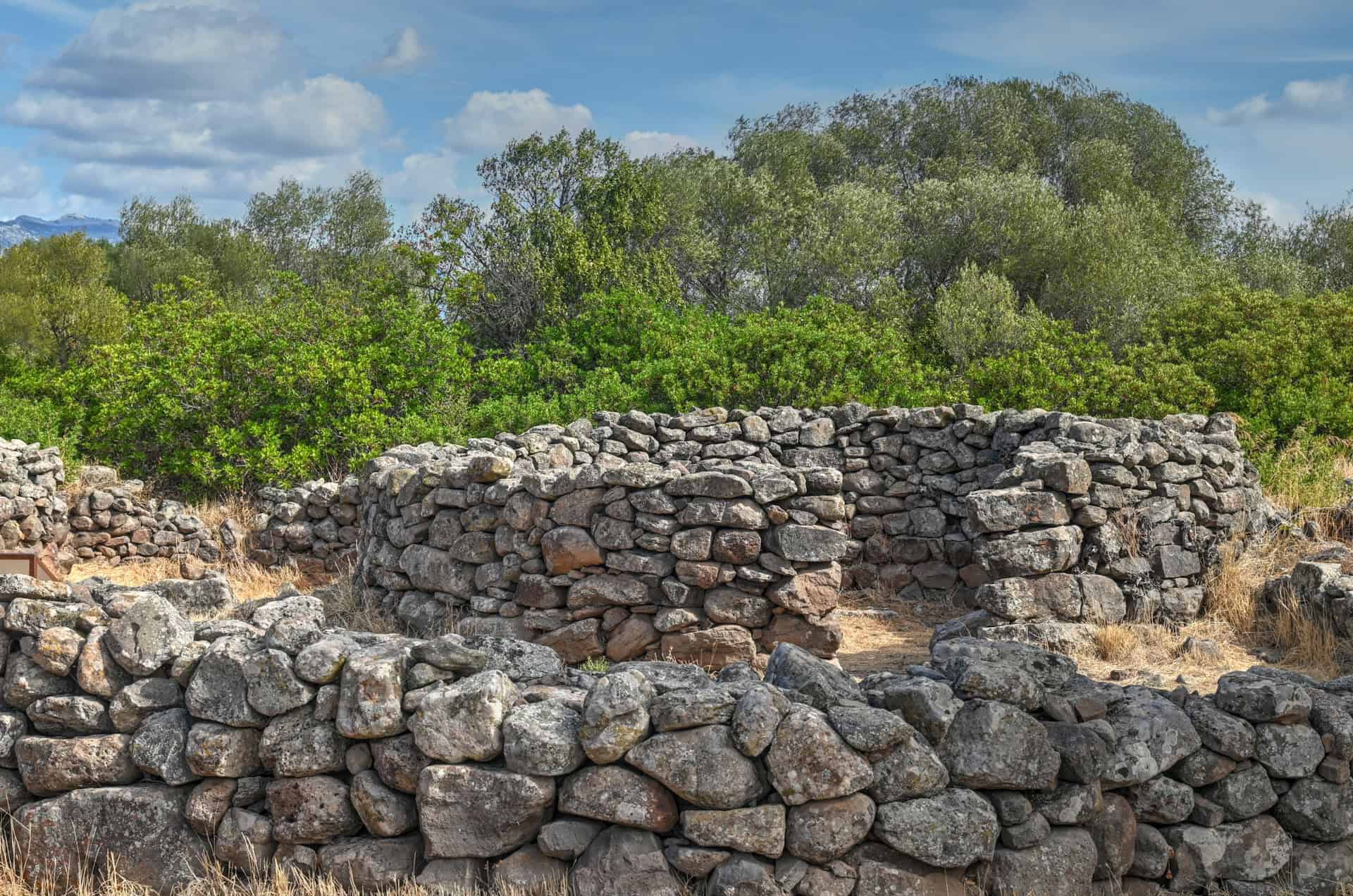
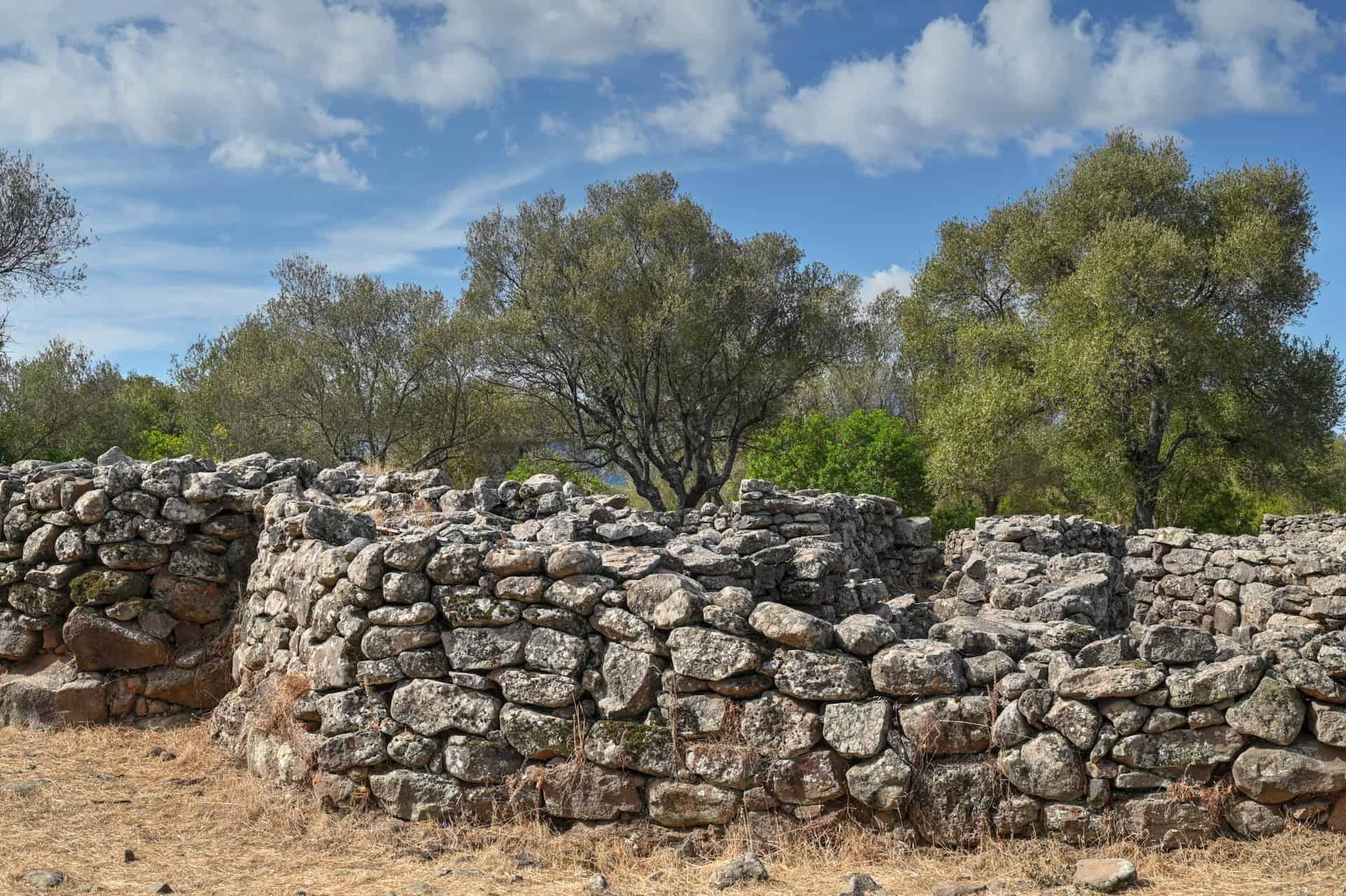
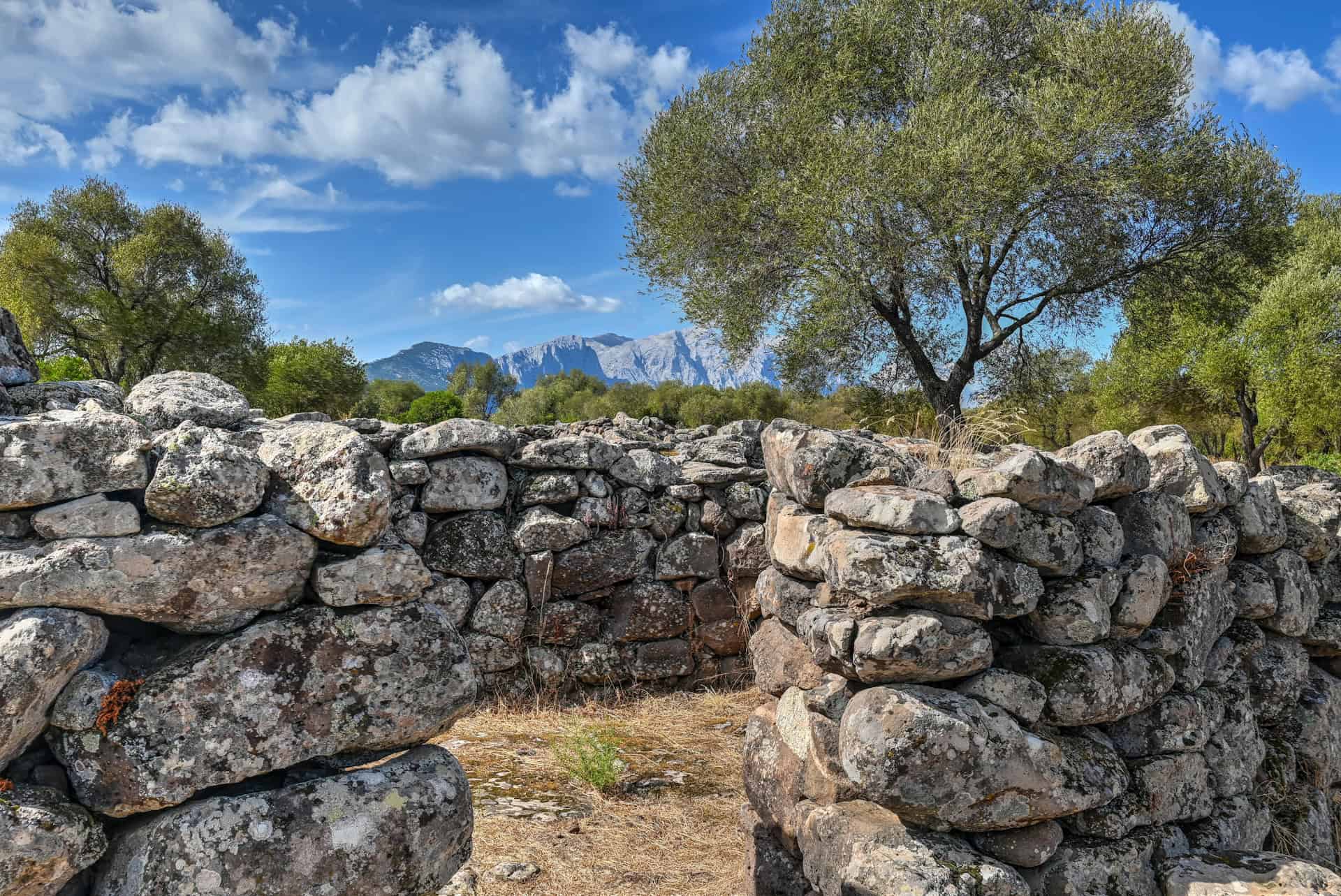
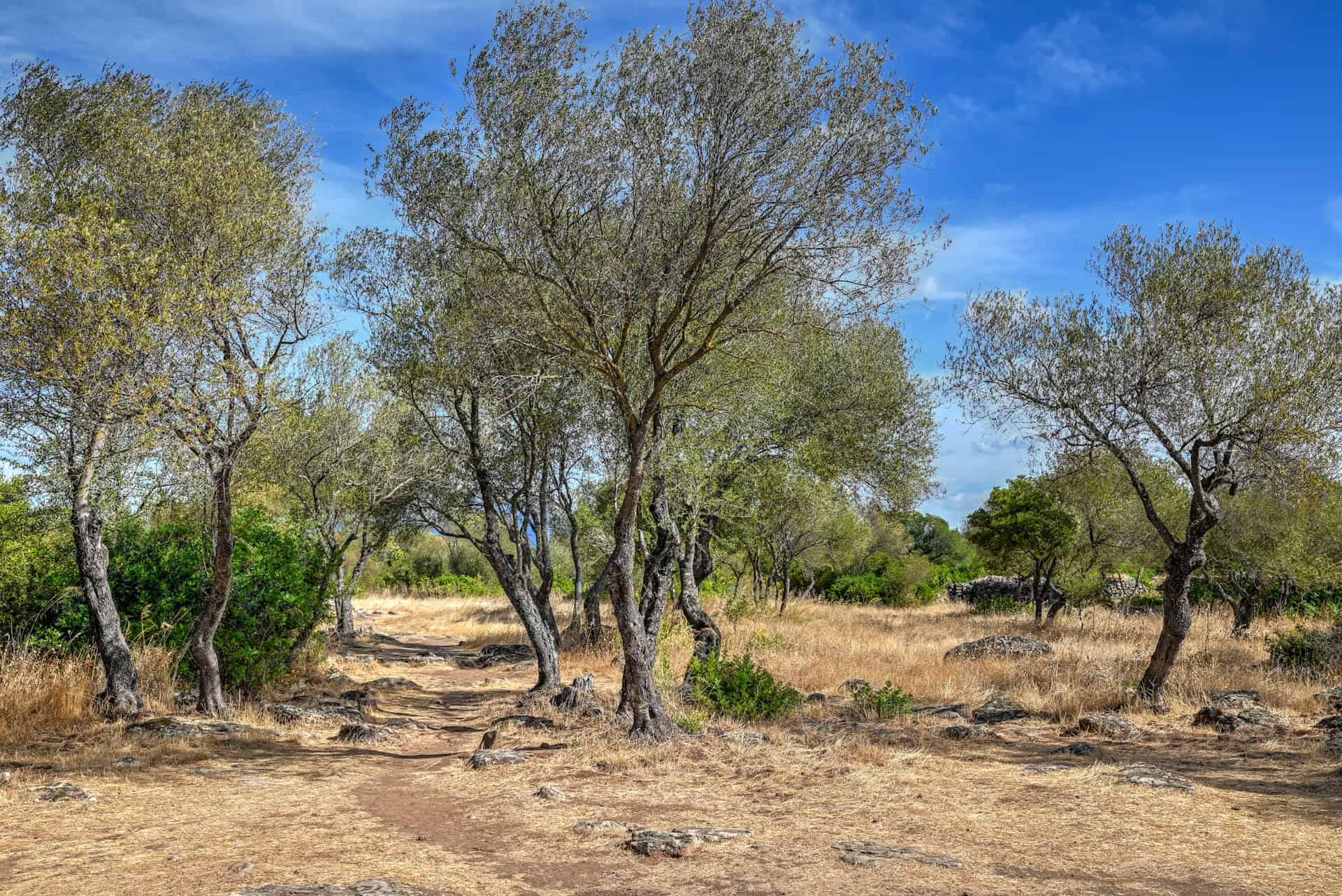
We also felt that the natural setting added a lot and contributed to what made our visit to Serra Orrios so memorable. The ruins are surrounded by dense Mediterranean scrub, with wild olive trees, cork oaks, and low vegetation growing throughout the site, with the Supramonte mountains in the background, together creating a highly atmospheric environment.


Serra Orrios Nuragic Village – Is it Worth it?
Yes, we definitely think Serra Orrios is worth visiting, especially if you’re staying in Cala Gonone, Dorgali, or Orosei. Of the many Nuragic sites we visited in Sardinia, Serra Orrios was one of our favorites. What makes it stand out is not one towering monument, but rather the overall layout and size of the village.
Why You Might Enjoy It:
– One of the best-preserved Nuragic villages in Sardinia
– More expansive and village-like than sites focused mainly on a single nuraghe tower
– Easy self-guided visit with information panels in English
– Atmospheric setting surrounded by Mediterranean vegetation
Why It Might Not Be for You:
– The site requires some imagination if you are not already interested in archaeology
– It may feel less visually impressive than Sardinia’s larger nuraghe complexes, such as Santu Antine
Bottom line: Serra Orrios is worth visiting if you want to better understand Sardinia’s Nuragic history. It is especially easy to add to a day around Dorgali and Grotta di Ispinigoli, or as a stop when traveling between Cala Gonone, Orosei, and other areas of the island.
How Long Do You Need in the Serra Orrios Nuragic Village
Although Serra Orrios is large for a Nuragic site, it is not overly large compared to many archaeological sites across Europe. If you are not especially interested in the history, you could walk through the main areas fairly quickly, in as little as 10–15 minutes.
We think that 45–60 minutes is a good amount of time to explore the site properly, though you may want to stay a little longer if you enjoy archaeology, photography, or simply want to linger in the beautiful natural setting of the site.
Best Time to Visit the Serra Orrios Nuragic Village
Best Time of Year
Serra Orrios can be visited at any time of year. That said, summer visits can feel hot, especially because much of the archaeological site is exposed and shade is limited once you leave the ticket office area.
Best Time of Day
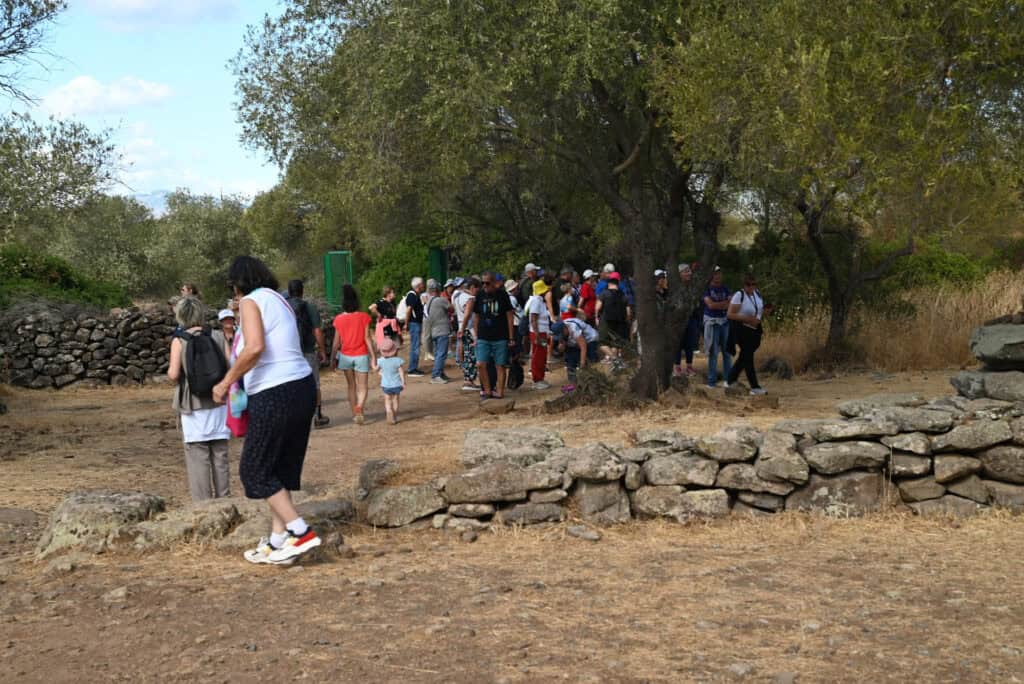
The best time to visit Serra Orrios is definitely early in the morning or later in the afternoon, both for cooler temperatures and a quieter experience. Tour groups and buses often arrive around mid-morning or midday, which can quickly change the feel of the site.
When we visited shortly after opening, we had Serra Orrios almost entirely to ourselves for most of our visit. As we were leaving, a large group of 30+ people had just arrived, which confirmed that arriving early had been the right call.
Other Nuragic Sites You Might Want to Visit
If you are interested in exploring more of Sardinia’s Nuragic history, Nuragic Complex Romanzesu is one of the most atmospheric sites we visited. It is somewhat more remote and more off the beaten path than Serra Orrios, but that is part of its appeal. The ruins are scattered through an enchanting forest setting, with temples, stone structures, and ritual areas that makes the visit feel quiet, immersive, and very different from more heavily visited archaeological sites.


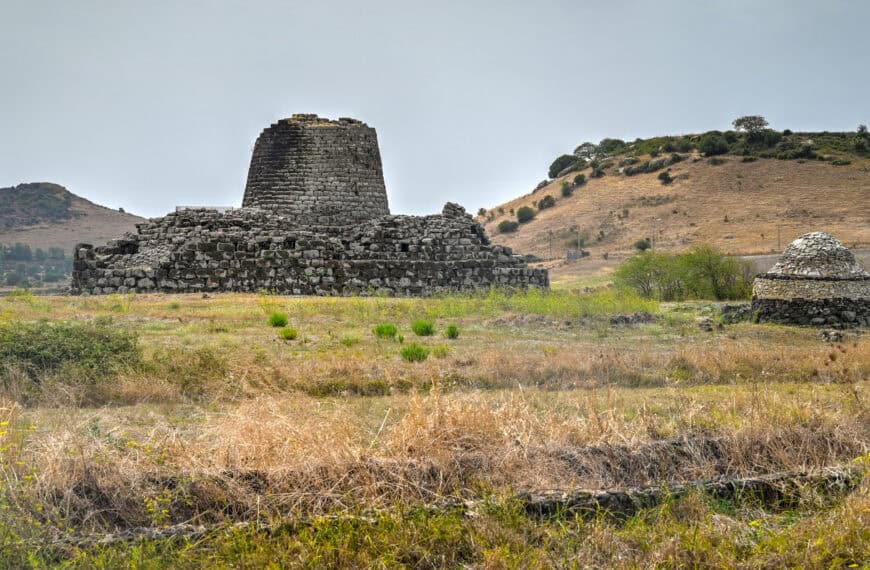
Nuraghe Santu Antine offers a completely different experience. Instead of a spread-out village-sanctuary, the highlight here is an imposing central nuraghe tower, one of the most impressive in Sardinia. Inside, you can explore stone corridors, stairways, chambers, a impressive tunnel-like network, and an upper level providing stunning views of the countryside.


Other Places to Visit Near Serra Orrios
Cala Gonone
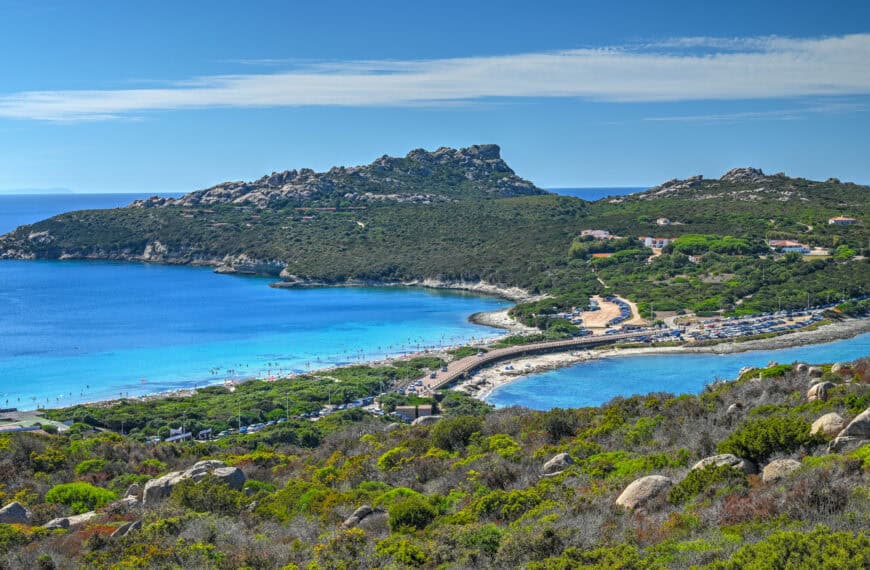
Cala Gonone is the main tourist hub along this section of Sardinia’s east coast and one of the most practical bases for exploring the Gulf of Orosei.


From here, you can:
- Join boat tours to beaches like Cala Luna and Cala Goloritzé
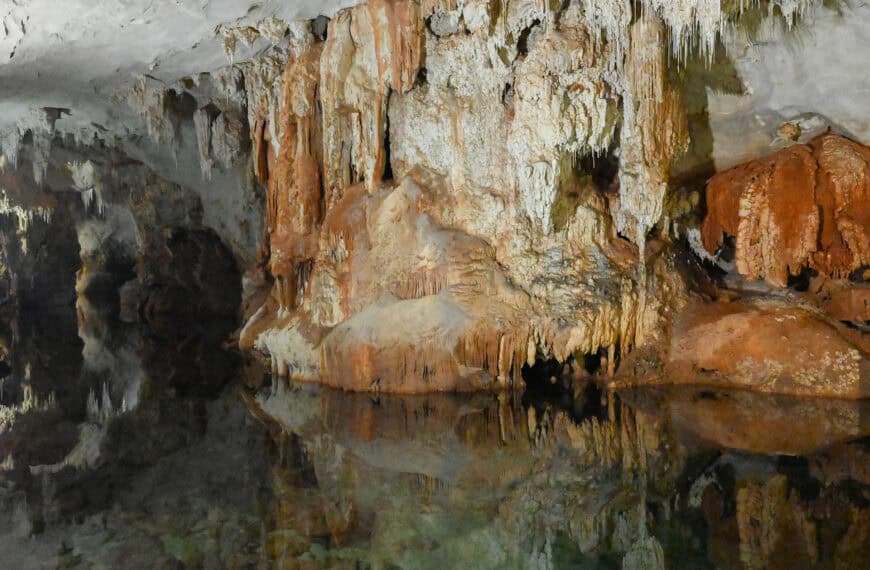
- Visit Grotta del Bue Marino
- Arrange kayaking or snorkeling excursions
- Get direct access to some beautiful sandy beaches
Compared to smaller coastal villages farther south, Cala Gonone offers a wider range of accommodations, restaurants, and services, making it a convenient base for several days of exploring the coastline.
For more details, tips, and boat tour suggestions, see our Cala Gonone Guide.
Where to Stay Near Serra Orrios
In our opinion, Cala Gonone is the most practical and enjoyable base for exploring the area.
Staying in Cala Gonone
A modern and well-rated stay located close to the waterfront, offering comfortable rooms and easy access to Cala Gonone’s beaches, restaurants, and boat departures. Its location makes it particularly convenient for visitors planning multiple excursions along the Gulf of Orosei.
A stylish adults-oriented hotel located near the seafront, known for its clean contemporary design and excellent location within walking distance of the harbor and town center. A good option for travelers looking for a quieter and more relaxed stay in Cala Gonone.
Serra Orrios Frequently Asked Questions (FAQ)
What is Serra Orrios?
Serra Orrios is a Nuragic village-sanctuary located near Dorgali in eastern Sardinia. The site includes the remains of circular stone huts, residential blocks, courtyards, passageways, and two megaron temples.
How old is Serra Orrios?
Serra Orrios dates back to the Nuragic period, a prehistoric civilization that developed in Sardinia nearly 4,000 years ago, beginning around 1800 BCE.
How do you get to Serra Orrios?
The easiest way to reach Serra Orrios is by car. The site is located along SP38, about 10 km from Dorgali and roughly 30 minutes from Cala Gonone.
How long do you need to visit Serra Orrios?
Most visitors should plan on about 45–60 minutes to explore the site. If you are not especially interested in archaeology, you could walk through more quickly, but the setting is worth taking some time to enjoy.
Are there facilities at Serra Orrios?
Yes, but they are located near the ticket office, not inside the archaeological site itself. You’ll find washrooms, a café, and a small gift shop near the entrance area.
When is the best time to visit Serra Orrios?
Early morning is usually the best time to visit. The site is quieter, temperatures are cooler, and you have a better chance of avoiding tour groups that often arrive later in the morning or around midday.
Can you combine Serra Orrios with other places nearby?
Yes. Serra Orrios is easy to combine with Dorgali, Grotta di Ispinigoli, Parco Museo S’Abba Frisca, or the Archaeological Museum in Dorgali. It also works well as a stop when driving between Cala Gonone, Orosei, and other parts of Sardinia.
Photography Gear
If you like our photography, you might be interested in some of the gear we use to shoot our travel and hiking destinations.
Camera Body – Nikon Z 6ii Fx-series Mirrorless Body
Main Lens – NIKON 24-120mm F/4G ED VR AF-S
Zoom Lens – Sigma 745-306 150-600mm f/5-6.3
Polarizing filters – Urth Circular Polarizing (CPL)
Camera Tripod – K&F Concept 64-inch Camera Tripod
Mini-tripod – Lammcou Flexible Camera Tripod
Camera/hiking backpack – Vanguard Alta Rise 48 Backpack
Universal Travel Adapter – VYLEE Universal International Power Travel Plug
Other Travel Essentials
Travel Insurance
SafetyWing is a travel insurance company that offers comprehensive coverage for travellers. Includes Medical Insurance and Travel Insurance. Primarily geared towards long-term travellers, digital nomads, and expats.
e-Sim cards
Airalo is the world’s first and largest eSIM store with eSIM plans for 200+ countries and regions worldwide. With Airalo eSIMs, travellers can get connected the moment they land at their destination and avoid nasty data roaming charges
eSIMS are a sustainable alternative to single-use SIM cards – they are 100% digital, require less energy to produce and be re-used rather than disposed of.
Car Rentals
Discover Cars is our go-to website for car rentals. We almost always find our preferred rate there.
Transfer from Airport
Welcome Pickups is our favourite private transfer service, which you can pre-book at a fixed price. Currently available in 220 cities all over the world (mostly in Europe, but with several major cities in Asia, the Middle East and the US).
Kiwitaxi is another private transfer service – we haven’t tried it yet, but it’s currently available in a few more countries (102 as of 2024).
Hotels and Accommodations (coming soon)
Photography Prints
If you found this blog useful, you can help support our blog by purchasing low-cost digital prints. Printed physical prints are also available for purchase.


—–
Well, that wraps it up! We hope you enjoyed our Serra Orrios Nuragic Village Guide and that it will prove useful for planning your trip to Sardinia.
—–
You might also be interested in these related pages: