Sedona is a hiker’s paradise, with trails that lead through glowing red-rock Arizona canyons, across wide sandstone plateaus, and up to jaw-dropping panoramic viewpoints. But with more than 200 miles of trails weaving through the landscape, choosing where to start can feel overwhelming, especially if you want routes that deliver big scenery without requiring technical climbing or full-day commitments. To help you make the most of your time, we’ve put together this guide to the best and most rewarding hiking trails in Sedona, focusing on easy-to-moderate routes that offer incredible payoffs for a relatively modest effort. Whether you’re looking for sunrise viewpoints, family-friendly canyon walks, or short climbs with unforgettable vistas, these hand-picked trails highlight the very best Sedona has to offer.
Why Hiking in Sedona Is Unforgettable
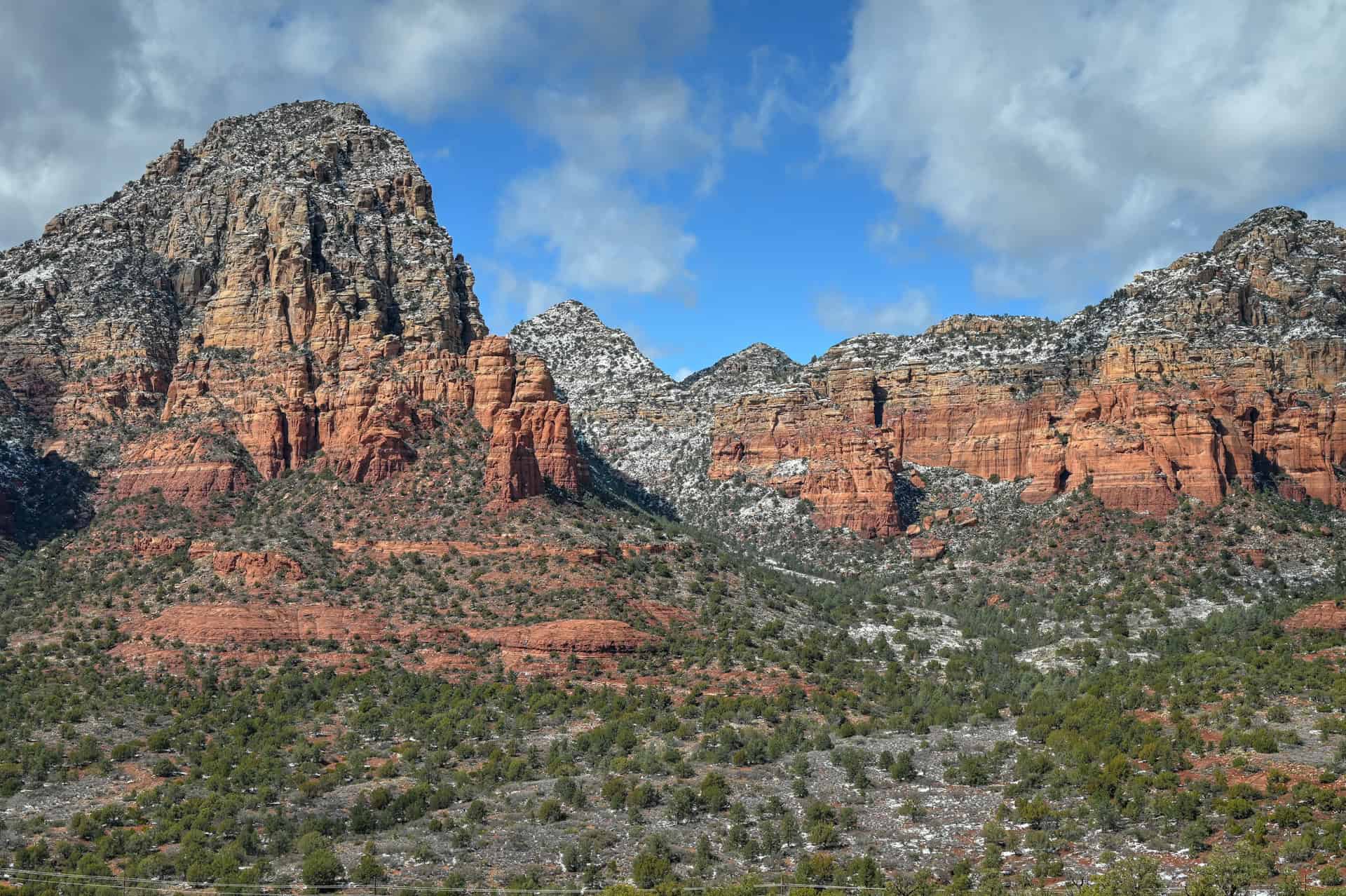
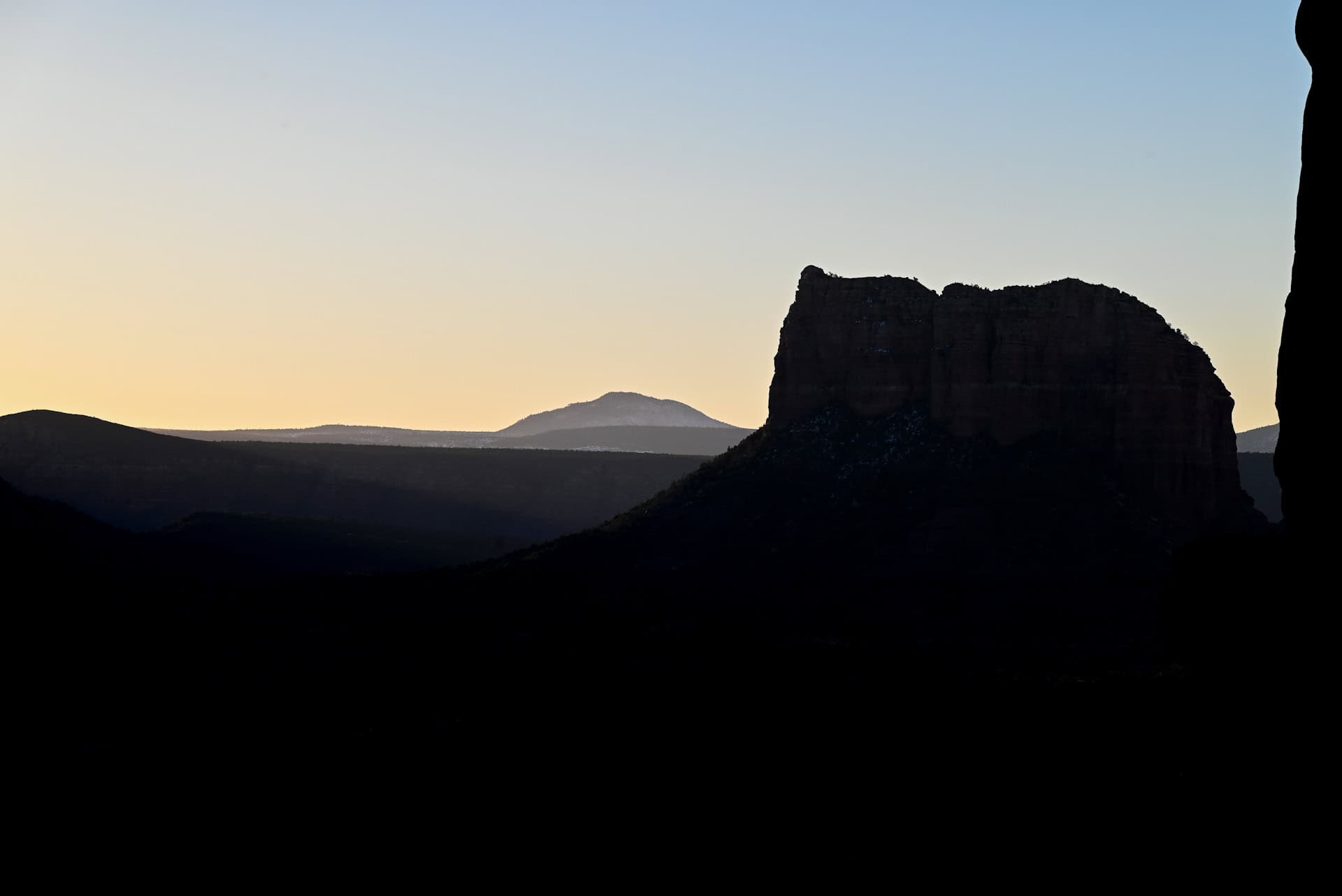
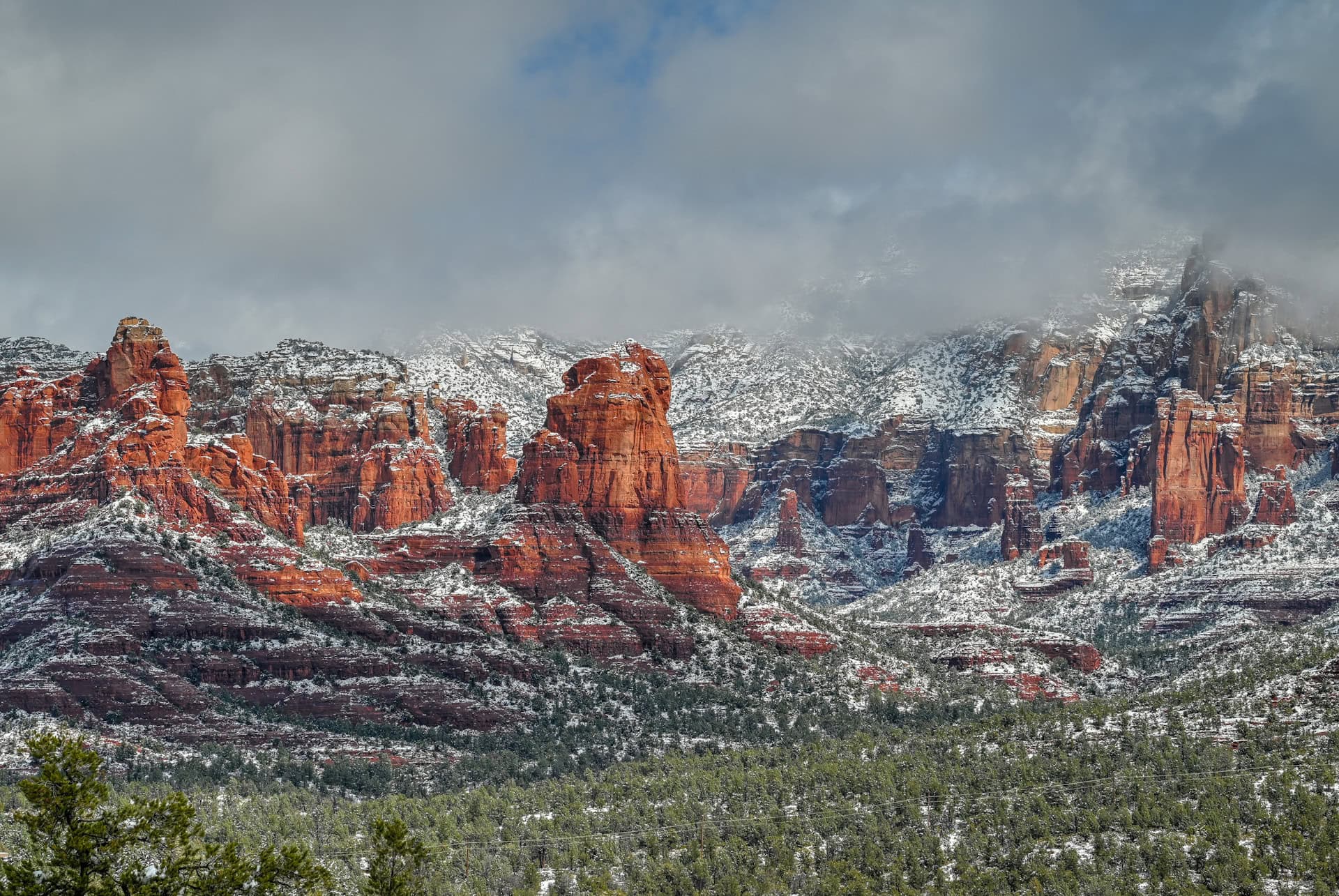
A landscape unlike anywhere else – Sedona’s trails weave through glowing red-rock canyons, sandstone towers, and panoramic mesas that shift color with the sun. Even short routes deliver big scenery, making Sedona one of the rare places where every hike feels dramatic and photogenic.
High reward for minimal effort – Many of Sedona’s most iconic views, such as Cathedral Rock, Bell Rock, Doe Mountain, and Soldier Pass, can be reached on hikes that are relatively short or moderate. This makes the region ideal for travellers who want short adventures with huge payoffs.
Incredible trail variety – Whether you prefer slickrock scrambles, forested canyon paths, wide-open vistas, or gentle desert walks, Sedona has it all. You can watch a sunrise from a red-rock saddle, wander along a shaded creek, climb to a panoramic mesa, and explore surreal sandstone formations, all in the same trip.
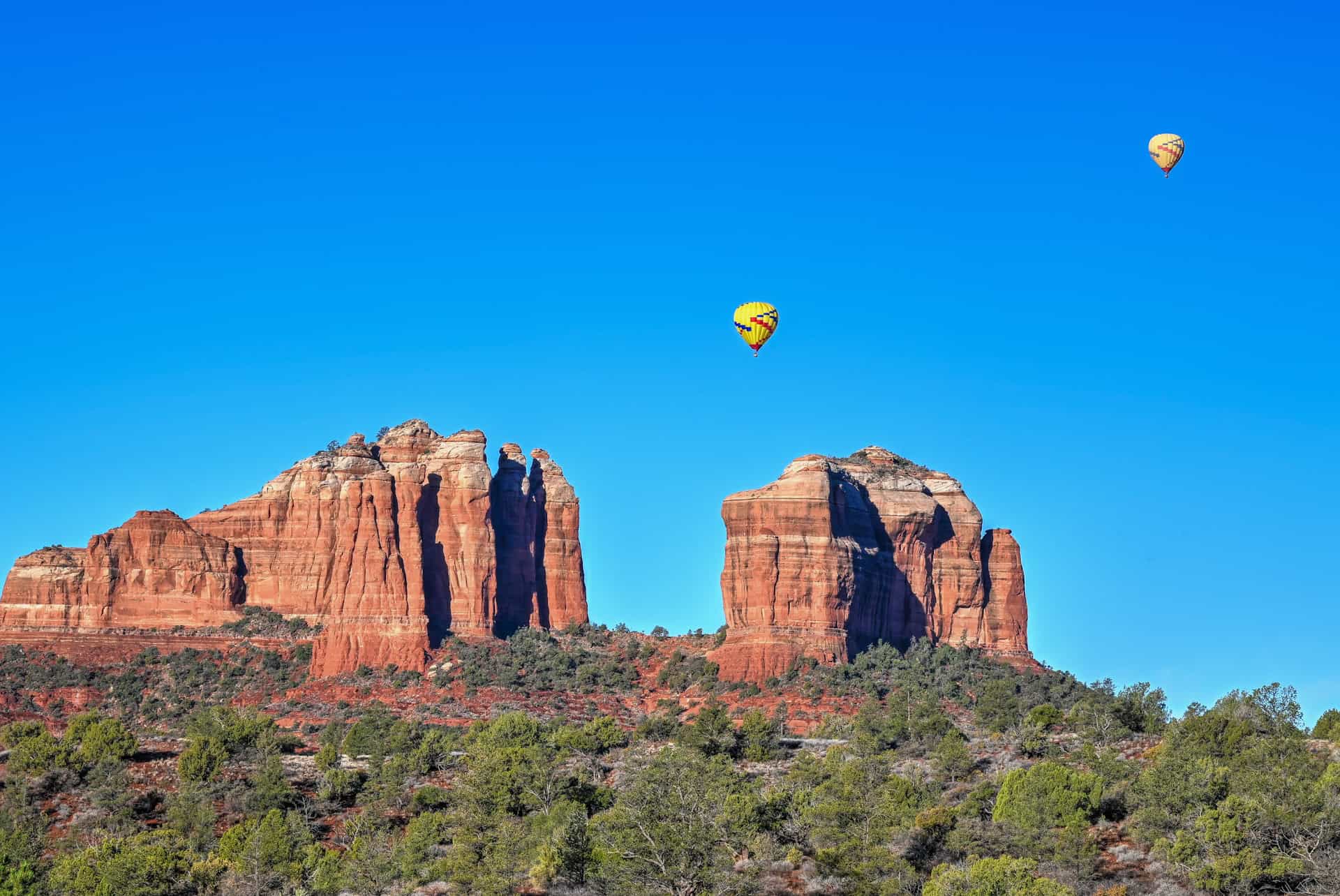
Sunrises, sunsets, and perfect desert light – The warm glow across red rock during the early morning and late afternoon is one of Sedona’s hallmarks. Many trails become even more magical at these times, with long shadows, glowing cliffs, and hot-air balloons floating above the valley.
Accessible adventure for all levels – Visitors don’t need technical skills or long mileage to experience Sedona’s best scenery. Easy to moderate trails offer views that rival more strenuous hikes elsewhere, making Sedona an ideal destination for both casual hikers and avid adventurers.


Disclosure: This page (Best Hiking Trails in Sedona) may contain product affiliate links. At no additional cost to you, we may receive a commission for purchases made through these links. More details can be found on our disclosure and policies page.
Sedona: Location and Map
Sedona is located in northern Arizona, straddling the county line between Coconino and Yavapai counties. It is situated in the north of the Verde Valley region, between Flagstaff and Phoenix.
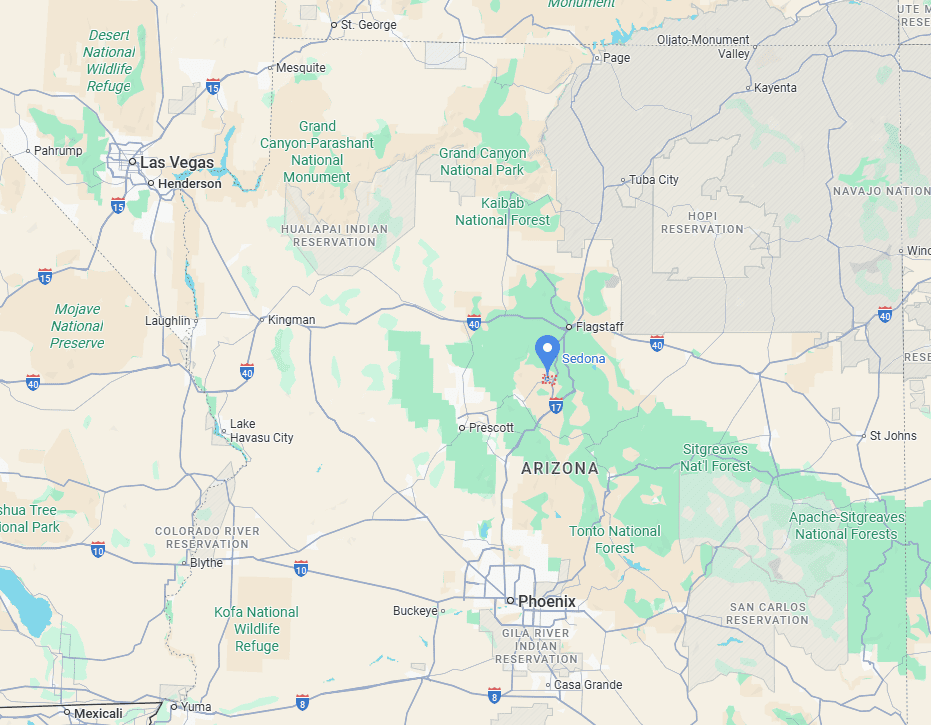
Driving times to Sedona, AZ
- Phoenix, AZ: 190 km / 120 mi – about 2 hours
- Flagstaff, AZ: 50 km / 30 mi – about 1 hour
- Grand Canyon (South Rim): 180 km / 110 mi – about 2.5 hours
- Prescott, AZ: 95 km / 60 mi – about 1.5 hours
- Page, AZ: 250 km / 160 mi – about 3 hours
- Las Vegas, NV: 475 km / 300 mi – about 5 hours
These times assume good weather and minimal stops.
If you need to book a rental vehicle for your hiking excursion, we highly recommend using Discover Cars to get the best rates on your rental in Utah, Nevada and Arizona.
We also highly recommend Airalo (eSIM card) for your connectivity needs when travelling abroad. Airalo is the world’s first and largest eSIM store with eSIM plans for 200+ countries and regions worldwide.
Best and Most Rewarding Trails in Sedona
We’ve ordered the hikes below based on how rewarding they are overall: a balance of scenery, effort, variety, and the “wow factor” you get along the way and at the viewpoints. These aren’t just popular trails; they’re the ones we feel offer the best combination of accessibility, fun, and unforgettable Sedona landscapes. Whether you want big views with minimal effort, short-but-steep scrambles, or classic red-rock panoramas, this list is arranged to help you start with Sedona’s most rewarding hikes and work your way down through, what we believe, to be an exceptionally solid lineup of easy-to-moderate trails.
Cathedral Rock Trail
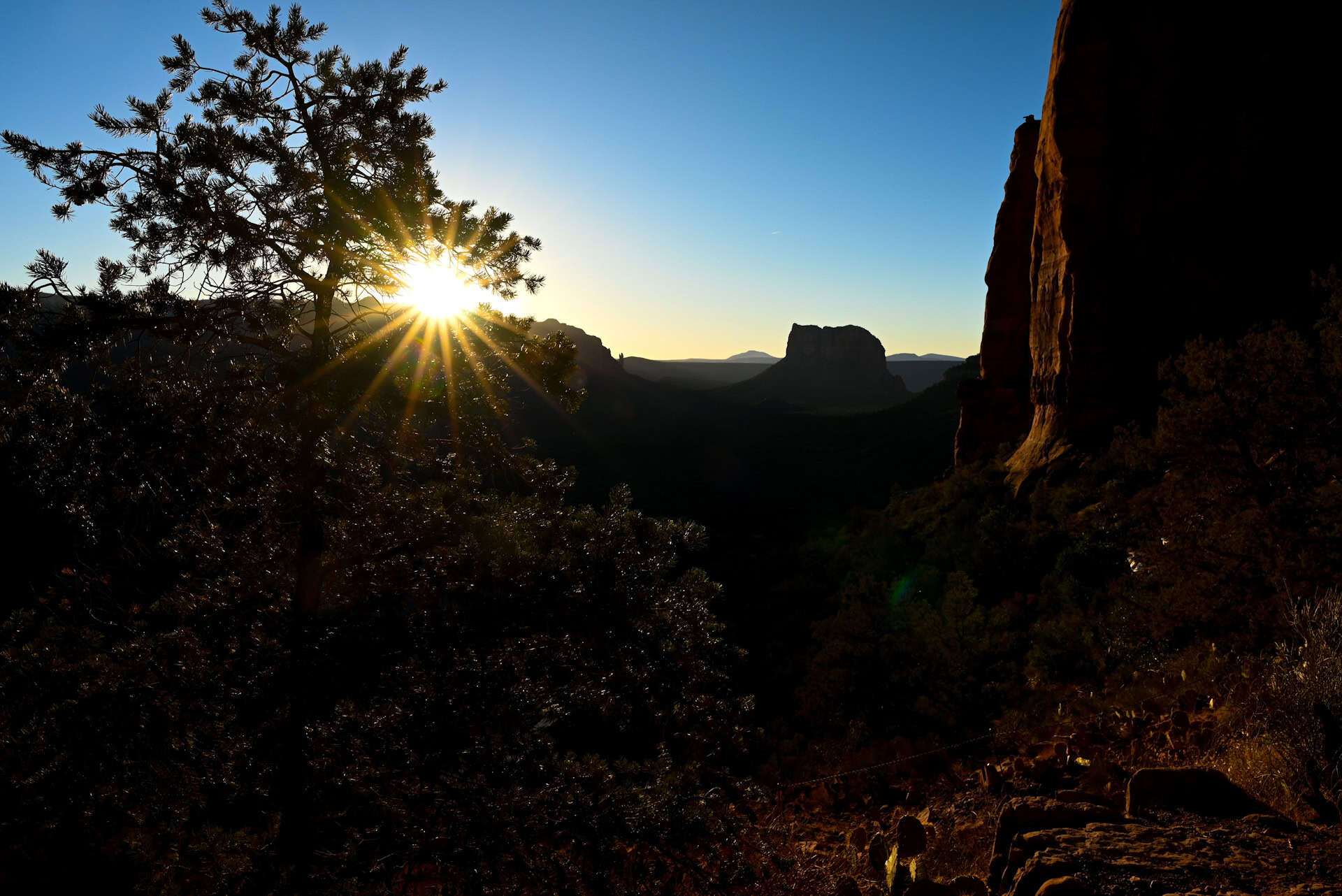
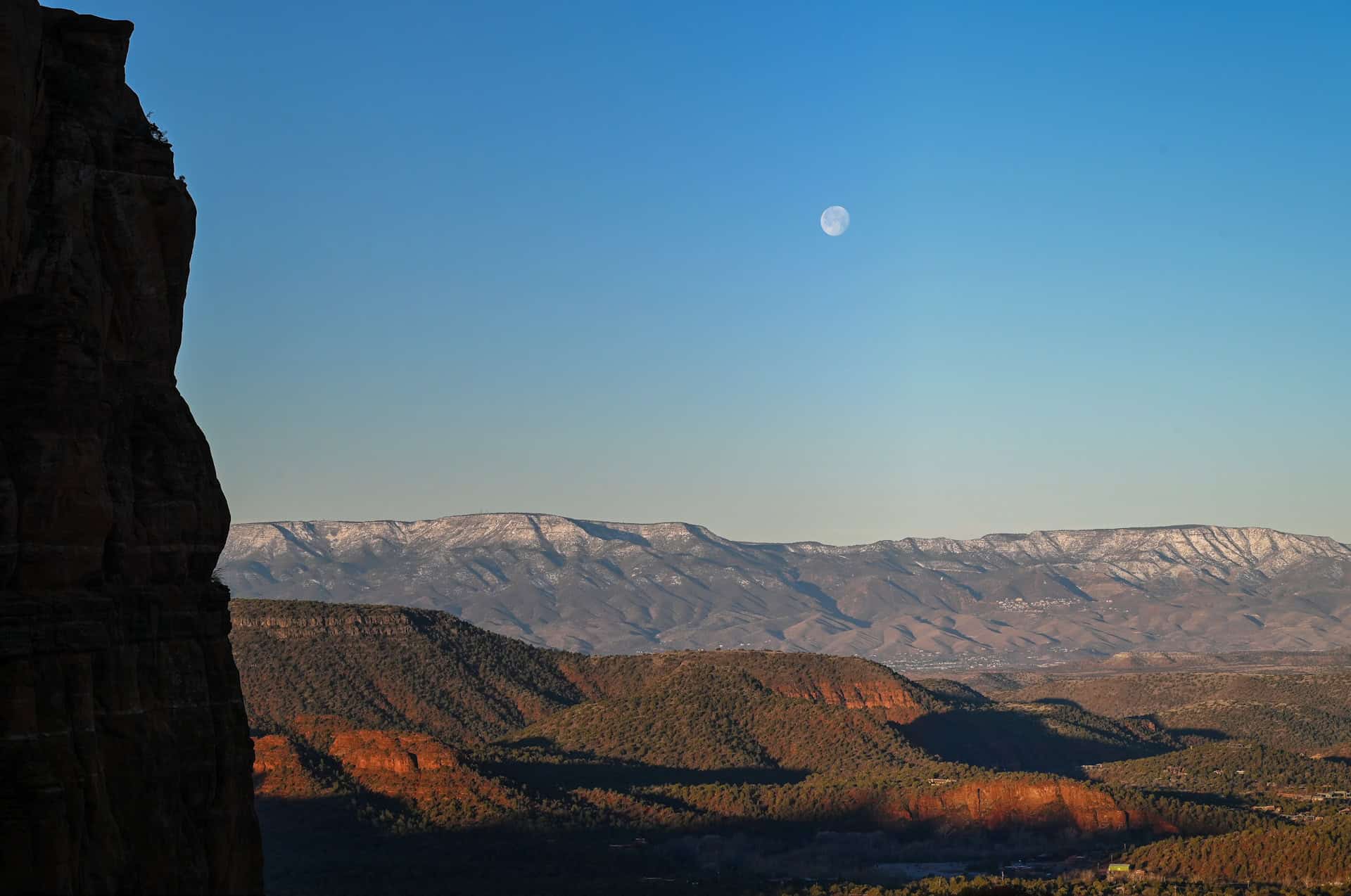
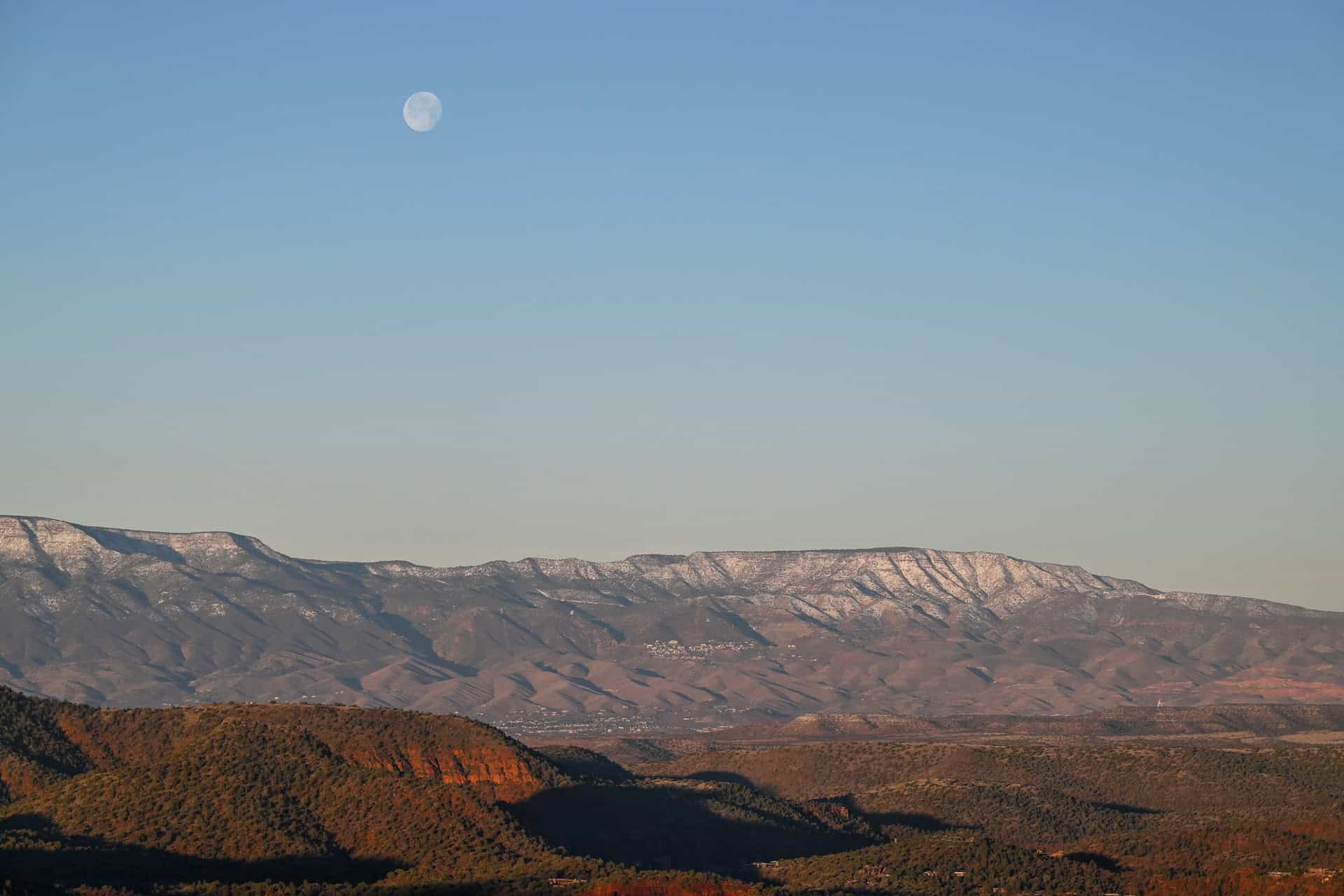
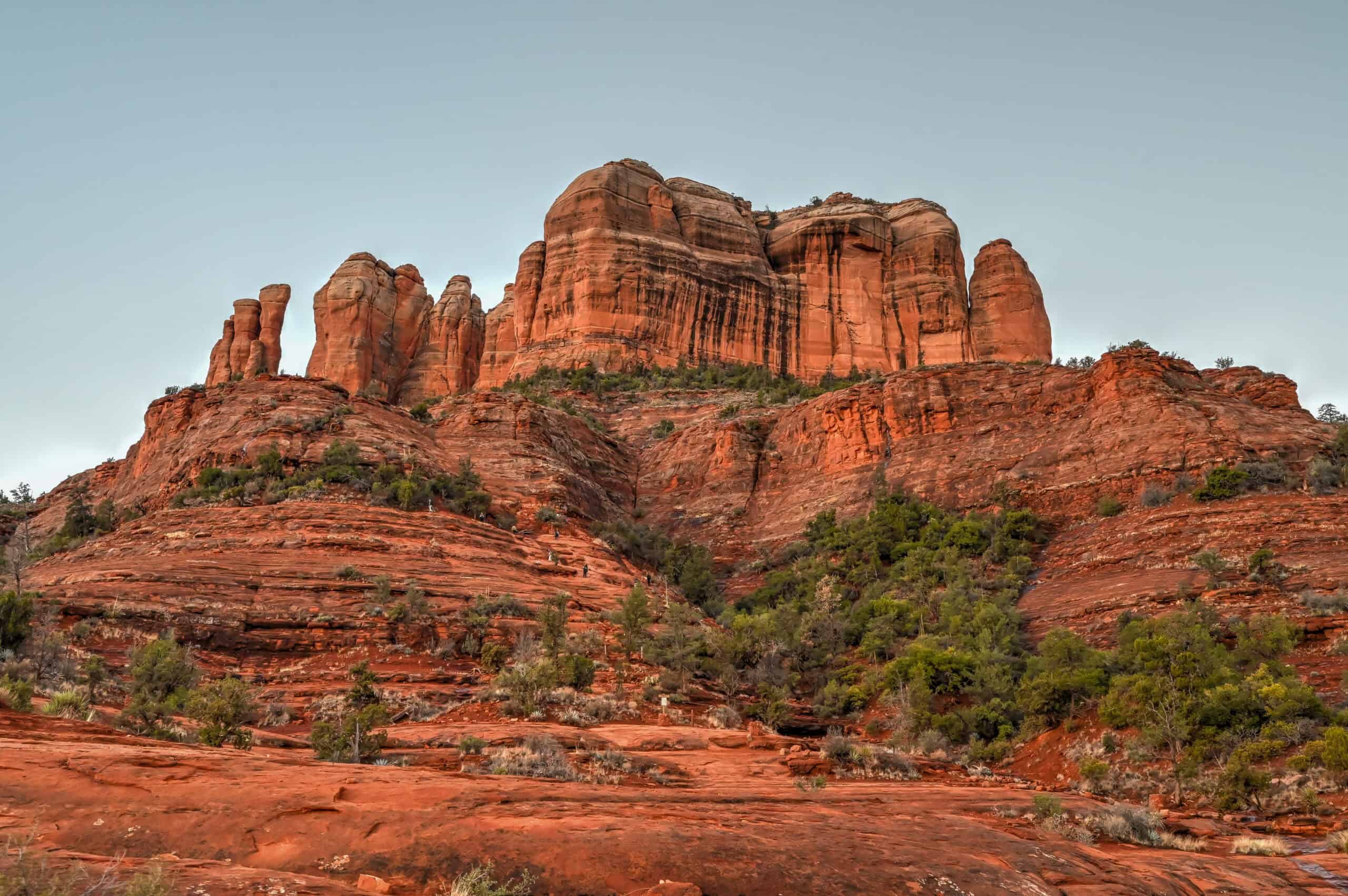
Cathedral Rock Trail is one of Sedona’s most iconic hikes, offering a short but steep climb up to the base and saddle of towering sandstone spires. In just over a mile, the trail delivers an immersive red-rock experience, complete with adventures, but easy scrambling, slickrock ledges, and breathtaking panoramic views of the surrounding canyons. Whether you’re an early riser seeking sunrise magic or a photographer chasing the perfect shot, Cathedral Rock truly rewards every effort.


Why This Hike Is for You
- You want a quintessential Sedona hike that’s short but visually spectacular.
- You’re excited by a hands-on scramble and aren’t afraid of a few narrow ledges.
- The summit and saddle provide incredible vantage points for viewing the sunrise and hot air balloons flying over the valley.
Why This Hike Might Not Be for You
- The trail is steep and includes a technical section (“the chute”) that requires hand-over-foot scrambling.
- It can get crowded, especially on weekends.
- Parking is limited and thus can be a challenge.
- There’s limited shade along the route, so summer hikes can be hot.
Quick Details
- Time Required: 1h15-1h45
- Difficulty Level: Very Easy | Easy | Moderate | Moderately Challenging | Challenging
- Shuttle Required?: Yes, during shuttle operating hours. Typically from Thursday to Sunday.
- Cost: Free if using the shuttle; Red Rock Pass required to park at the trailhead ($5 daily / $15 weekly; free with America the Beautiful Pass).
For a full step-by-step trail guide, including route maps and scramble tips, see our complete Cathedral Rock Trail Guide.
About The Sedona Shuttle
What it is: The Sedona Shuttle is a free public shuttle service that helps reduce traffic and parking congestion at popular trailheads throughout Sedona.
Operating days: Typically Thursday through Sunday, year-round, roughly from 7 am to 5 pm (check the official schedule for updates).
How it works: Shuttles run from designated Park & Ride locations, such as Posse Grounds, and drop off at major trailheads.
Mandatory Use: During operating hours, it is not permitted to park at the trailhead parking lots. For certain trailheads, such as Cathedral Rock, it is possible to drive and park before or after shuttle operating hours. Other trailheads, such as Soldier Pass, remain off-limits to private vehicles on shuttle days.
Tips: Arrive early during peak season or on weekends to secure a spot.
The Red Rock Pass
Purpose: Required to park at many trailheads within Sedona’s Red Rock District. Helps fund trail maintenance and conservation.
Cost: $5 daily or $15 weekly.
How to purchase:
-At the trailhead kiosk (physical pass must be displayed)
-At Sedona Visitor Centers
–Online at recreation.gov (license plate required for digital pass)
Free access: Holders of the America the Beautiful Pass may enter at no charge.
You can purchase your pass ahead of time through the REI store.
Note: No Red Rock Pass is required if using the Sedona Shuttle to reach the trailhead.
Soldier Pass Trail
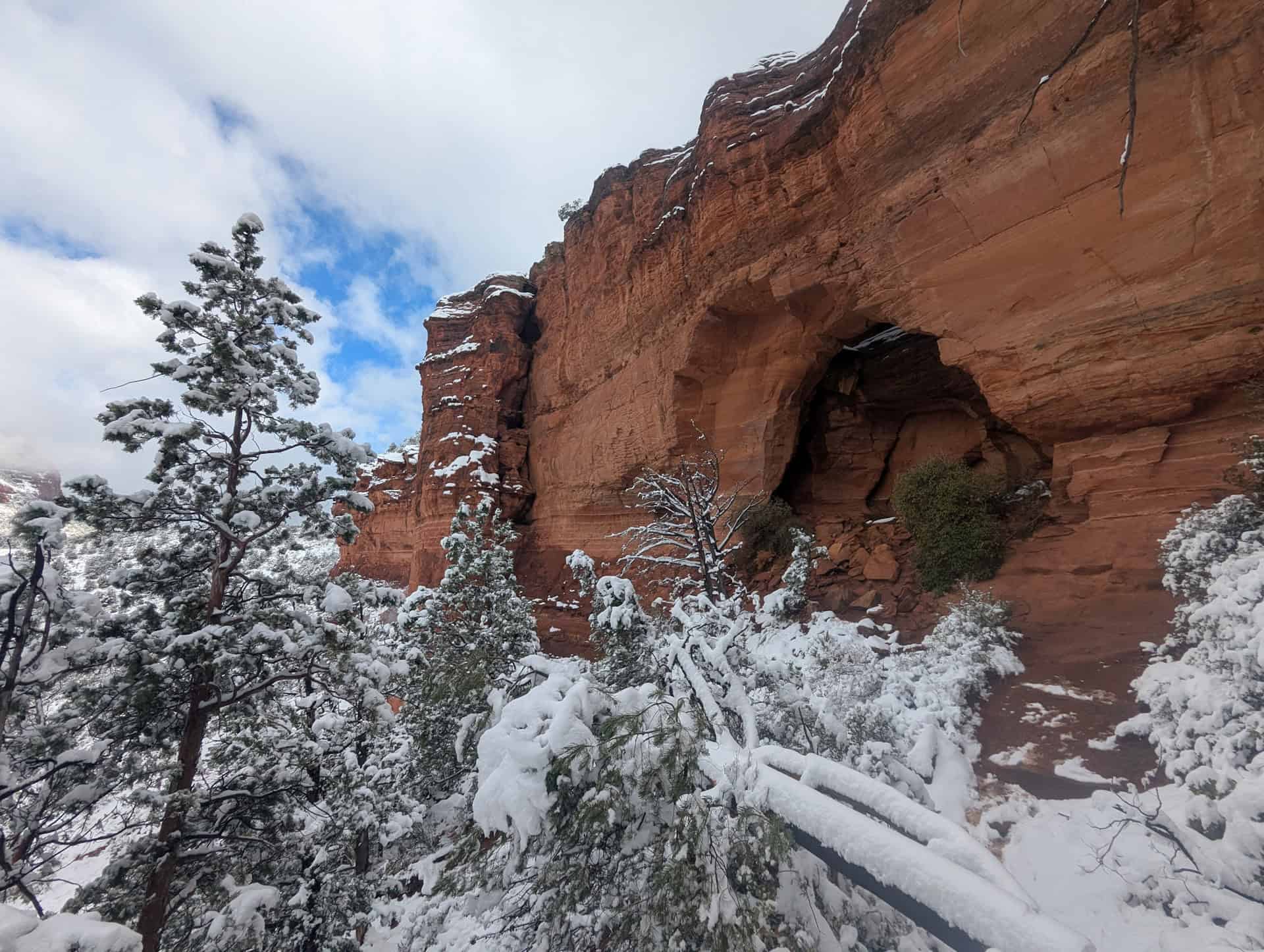
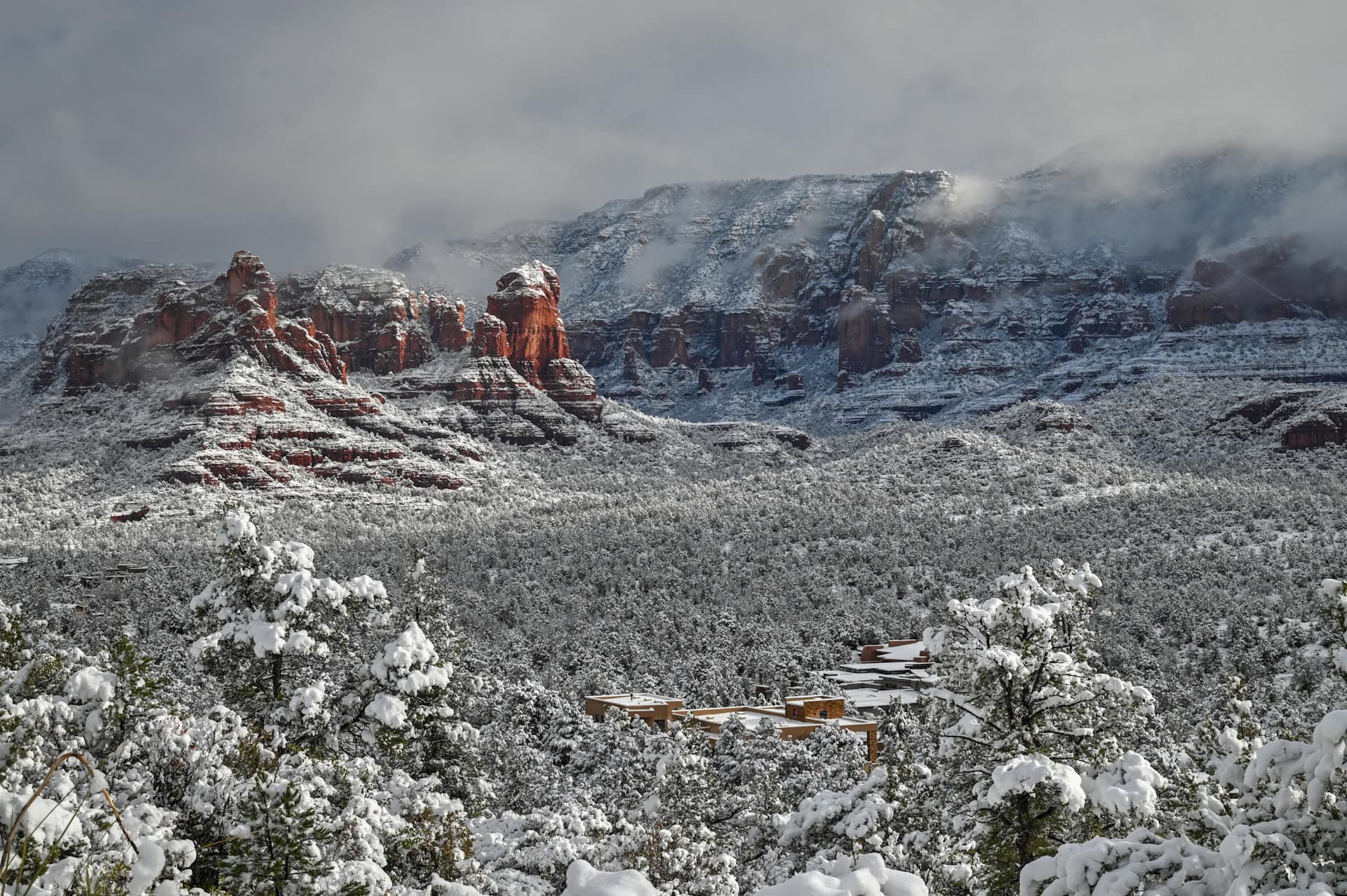
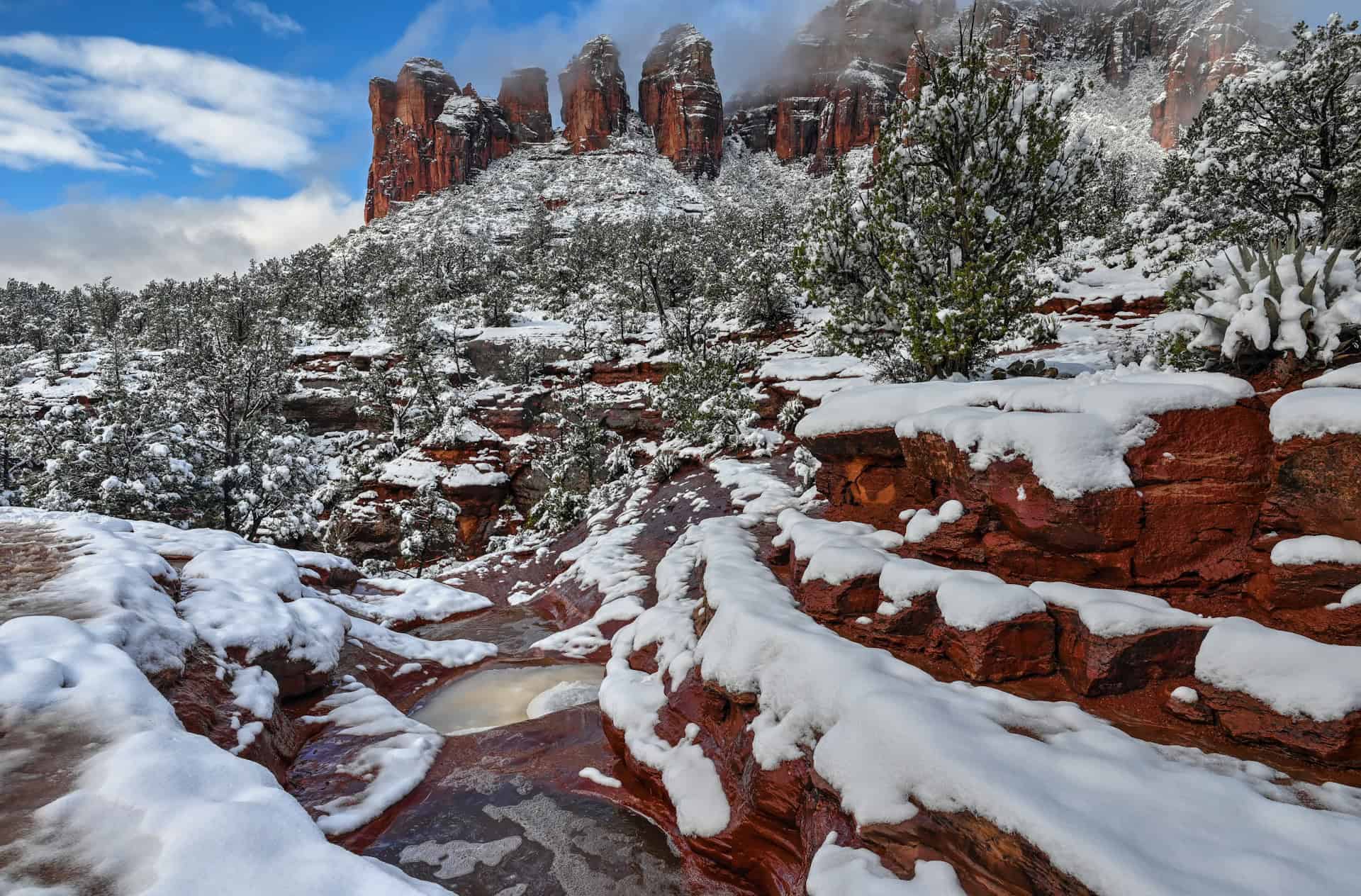
The Soldier Pass Trail is one of Sedona’s most varied and rewarding hikes, offering a mix of forested washes, open slickrock, and iconic red rock landmarks. In just a few miles, you’ll encounter the dramatic Devil’s Kitchen Sinkhole, the Seven Sacred Pools, and the hidden Soldier Pass Cave, making it a trail that delivers both adventure and scenic payoff. The route is well-marked and manageable for hikers of most abilities, with just a few sections that require careful footing or short scrambles.


Why This Hike Is for You
- You want a Sedona hike that blends adventure with variety: forested washes, slickrock ledges, natural pools, and a hidden sandstone cave.
- You enjoy a trail that’s easy to moderate, with short scrambles that add a sense of discovery without requiring technical climbing.
- You love iconic Sedona landmarks in a compact route: the Devil’s Kitchen Sinkhole, Seven Sacred Pools, and Soldier Pass Cave are all along the way.
Why This Hike Might Not Be for You
- Certain sections near the pools and cave involve uneven footing and small rock scrambles; casual walkers or very young children may struggle.
- The trail can be busy on weekends or holidays, particularly near the pools and cave.
Quick Details
- Time Required: 1h15-1h45
- Difficulty Level: Very Easy | Easy | Moderate | Moderately Challenging | Challenging
- Shuttle Required?: Yes, during shuttle operating hours. Typically from Thursday to Sunday.
- Cost: Red Rock Pass required to park at the trailhead ($5 daily / $15 weekly; free with America the Beautiful Pass).
For a full step-by-step trail guide, including route maps and scramble tips, see our complete Soldier Pass Trail Guide.
Doe Mountain Trail
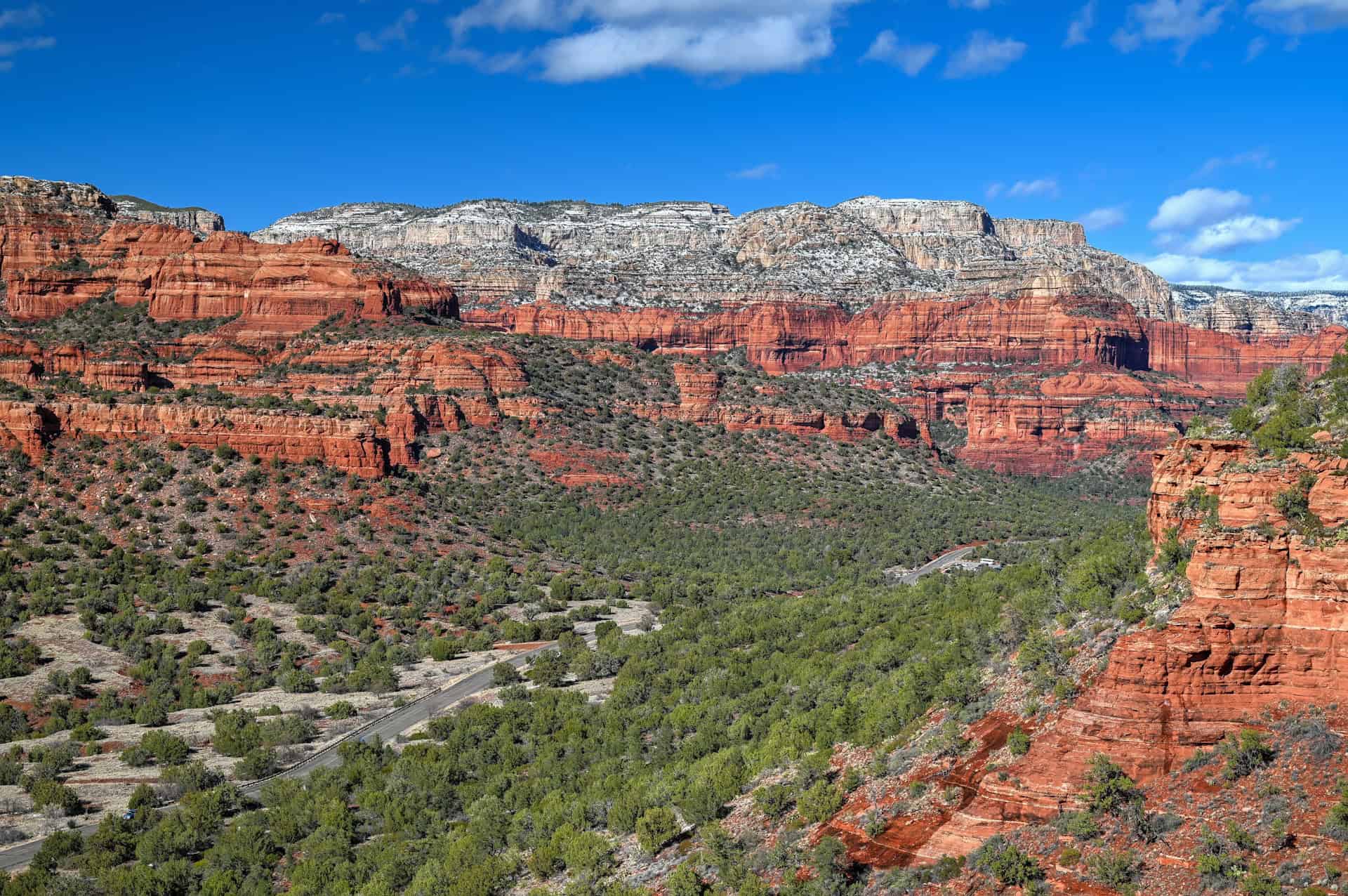
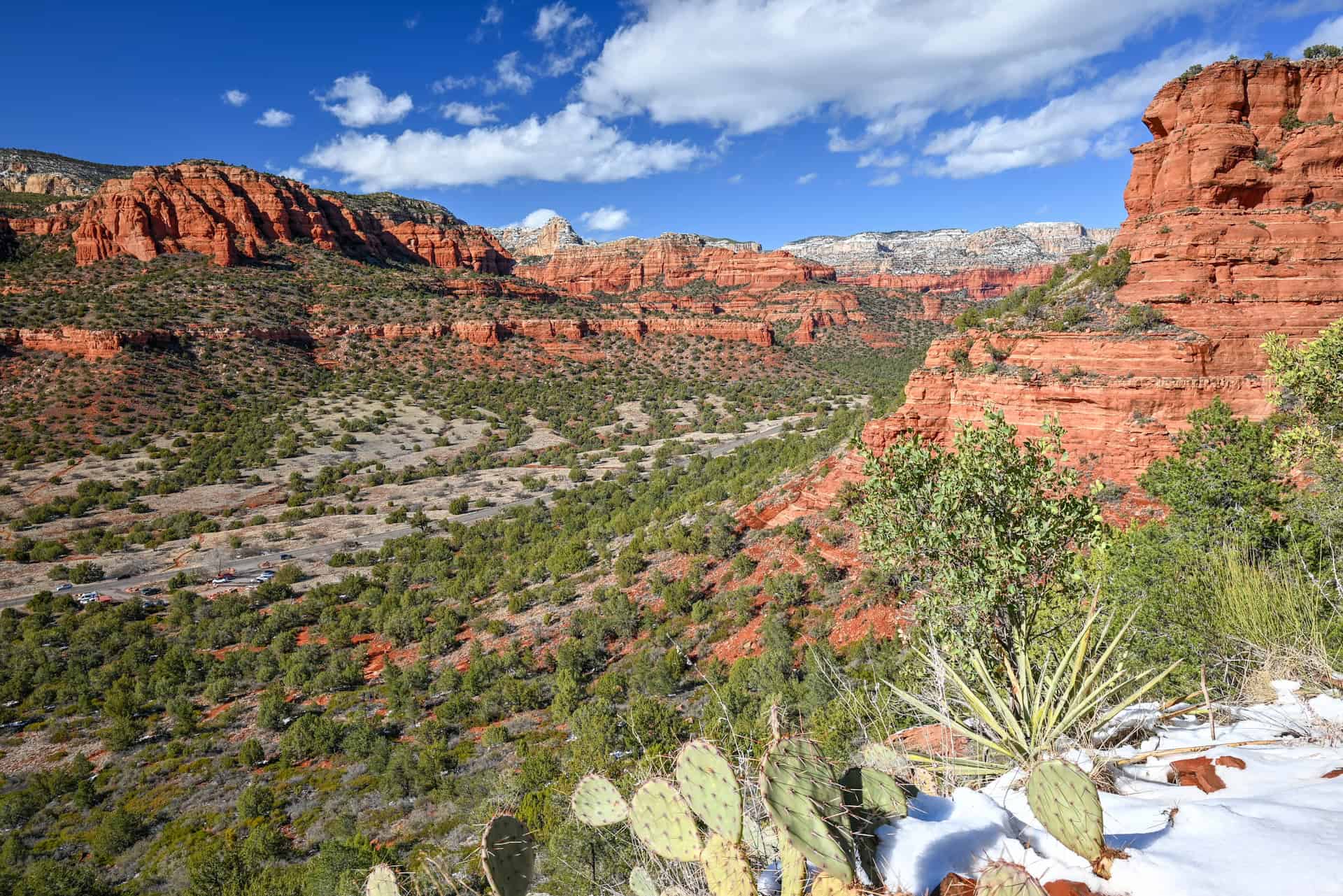
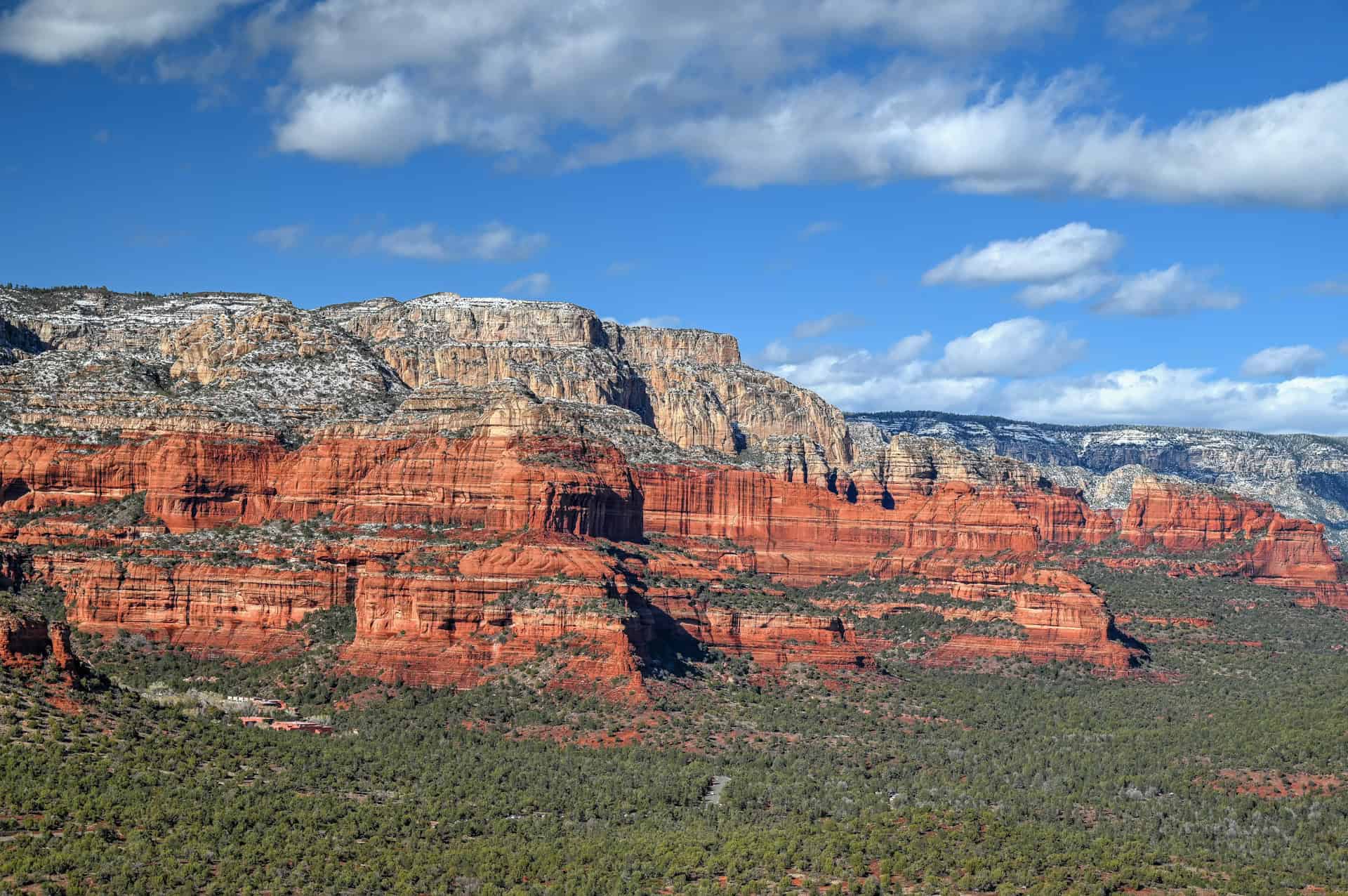
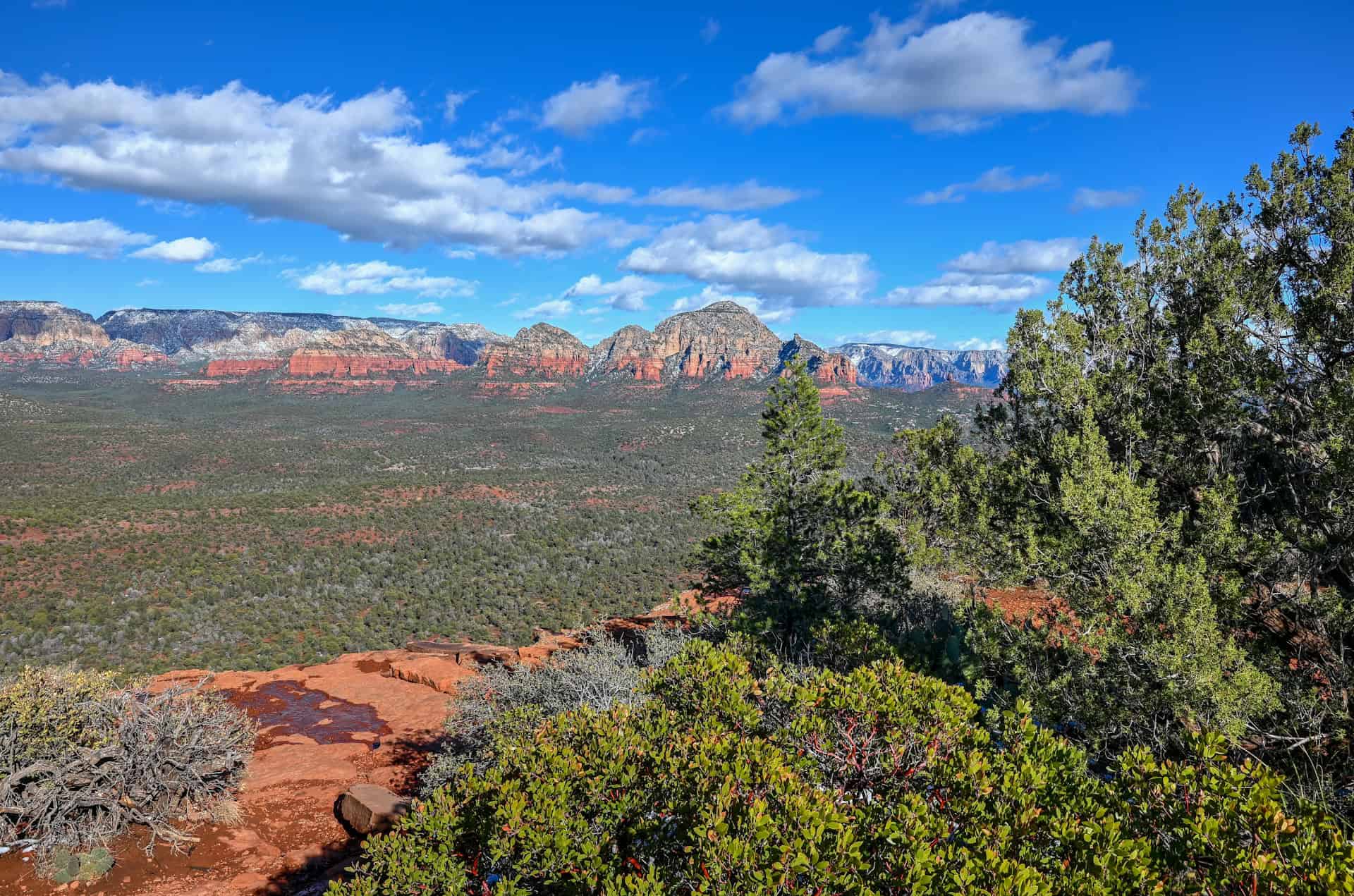
Doe Mountain Trail offers a short but rewarding climb to a flat-topped mesa, giving hikers a panoramic 360° view of Sedona’s red rock country. The trail is straightforward, with well-defined switchbacks that lead to the summit, making it ideal for those seeking a quick adventure with a big payoff. Once on the mesa, the open slickrock and desert grasses create a sense of spaciousness that contrasts beautifully with the surrounding canyons and cliffs.


Why This Hike Is for You
- You want a short, manageable hike that still delivers stunning views from a high vantage point.
- You enjoy clear trails with minimal navigation challenges and a moderate ascent that’s satisfying but not exhausting.
- The mesa top provides sweeping panoramas of Bear Mountain, Capitol Butte, and surrounding red rock formations, perfect for photography or a scenic picnic.
Why This Hike Might Not Be for You
- Although short, the trail does have a pretty steep slope in sections
- The trail has limited shade, so summer hikes can be hot.
- Hikers seeking a long, strenuous trek may find the trail too short to be fully satisfying.
Quick Details
- Time Required: 1h-1h15
- Difficulty Level: Very Easy | Easy | Moderate | Moderately Challenging | Challenging
- Shuttle Required?: No
- Cost: Red Rock Pass required to park at the trailhead ($5 daily / $15 weekly; free with America the Beautiful Pass).
For a full step-by-step trail guide, including route maps and scramble tips, see our complete Doe Mountain Trail Guide.
Fay Canyon Trail
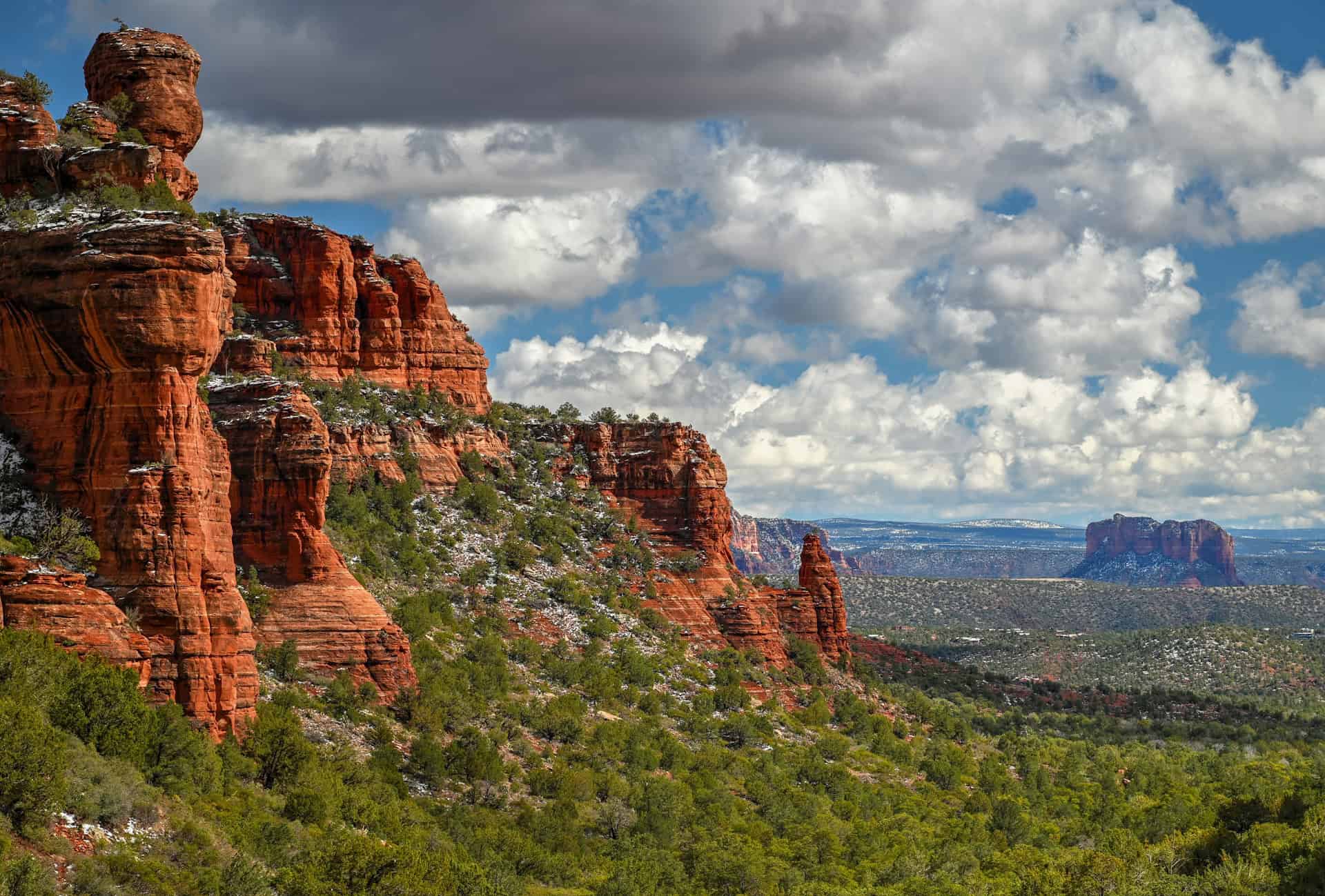
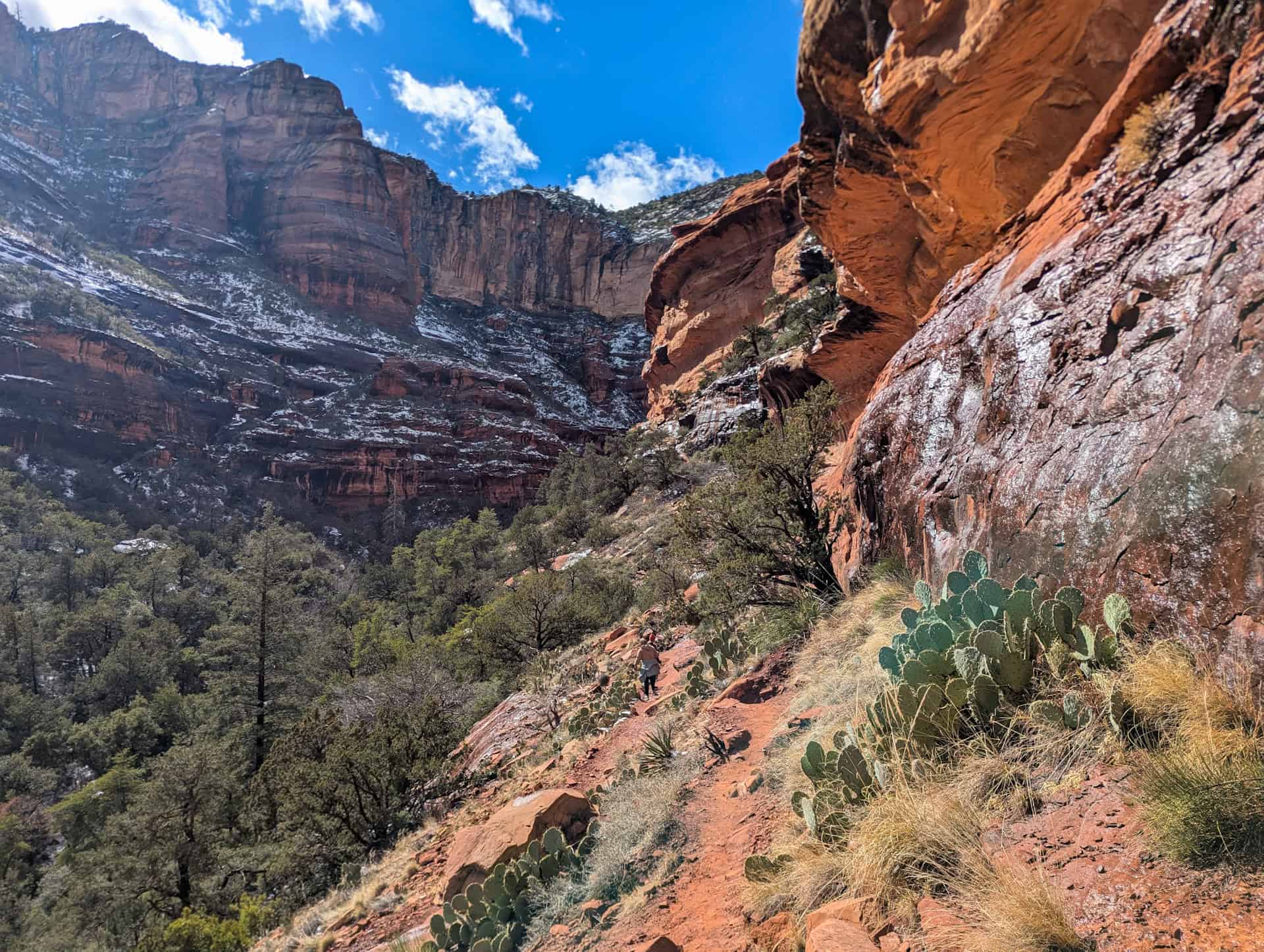
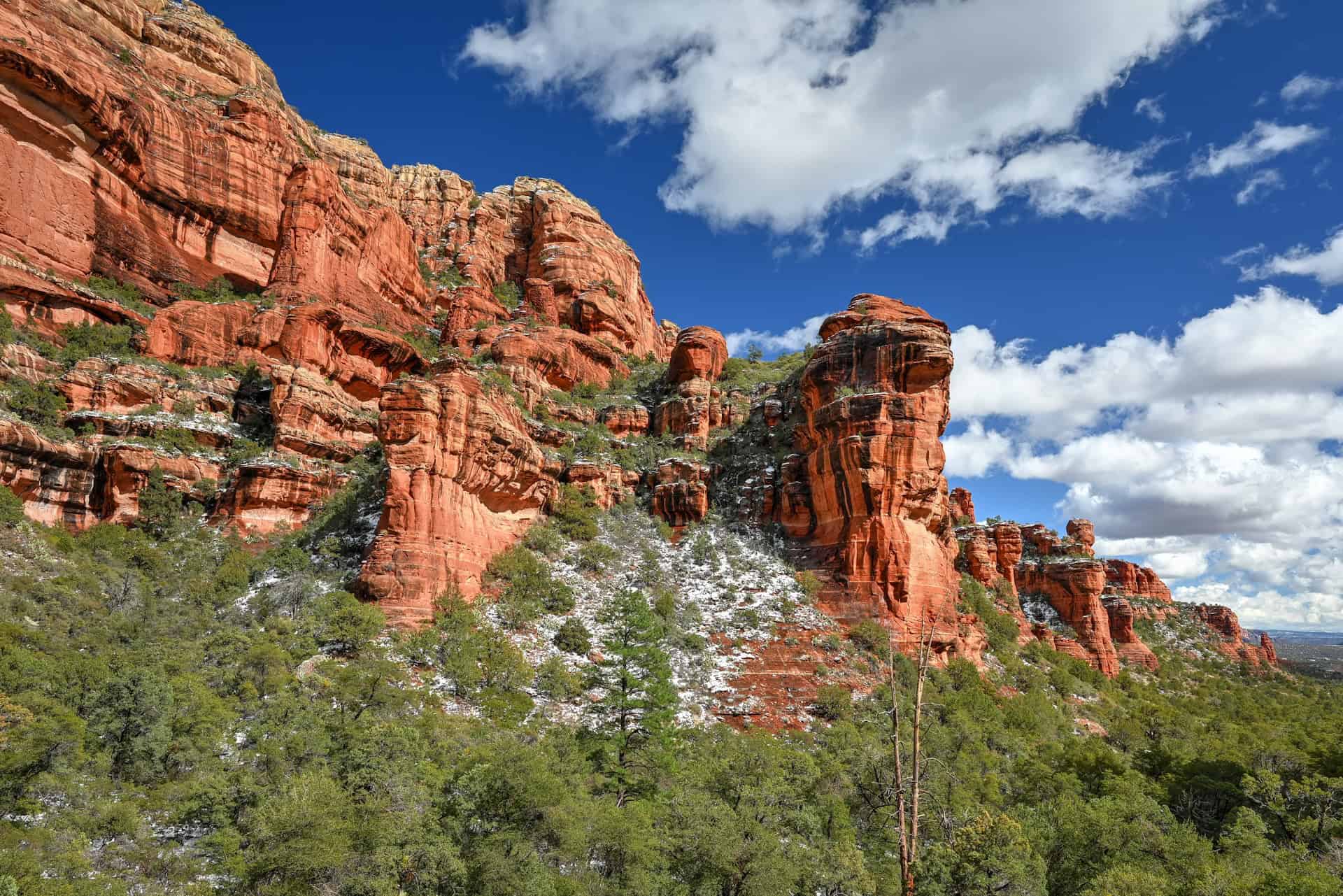
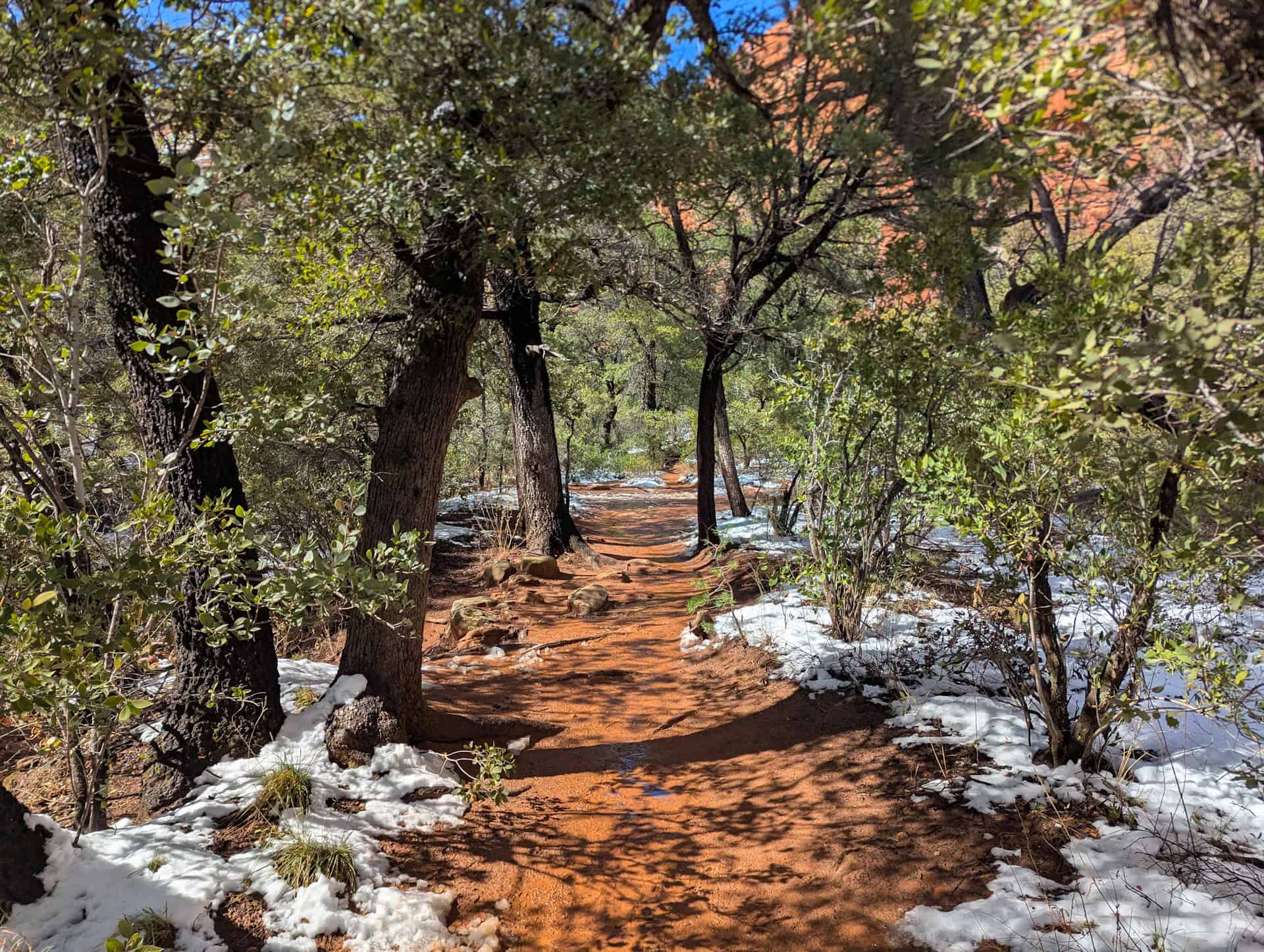
Fay Canyon Trail is a gentle, shaded hike through a narrow red rock canyon, framed by towering sandstone walls and dotted with desert vegetation. The trail leads to a scenic alcove and a hidden natural arch, making it a serene escape that feels a world away from the busier Sedona trails. For those seeking a bit more adventure, a short but steep unofficial scramble at the canyon’s end reveals one of Sedona’s most rewarding secret viewpoints, a dramatic panorama of the surrounding cliffs and red rock formations.


Why This Hike Is for You
- You want a short, easy hike with dramatic canyon scenery.
- The trail offers a quiet, low-stress experience without technical sections.
- For adventurous hikers, the unofficial scramble offers an additional challenge with stunning, nearly private panoramic views.
Why This Hike Might Not Be for You
- If you’re seeking steep climbs, long trails, or sustained panoramic summit views, this hike may feel too gentle.
Quick Details
- Time Required: 45–75 minutes
- Difficulty Level: Very Easy | Easy | Moderate | Moderately Challenging | Challenging
- Shuttle Required?: No
- Cost: Red Rock Pass required to park at the trailhead ($5 daily / $15 weekly; free with America the Beautiful Pass).
For a full step-by-step trail guide, including route maps and scramble tips, see our complete Fay Canyon Trail Guide.
Teacup & Sugarloaf Trails
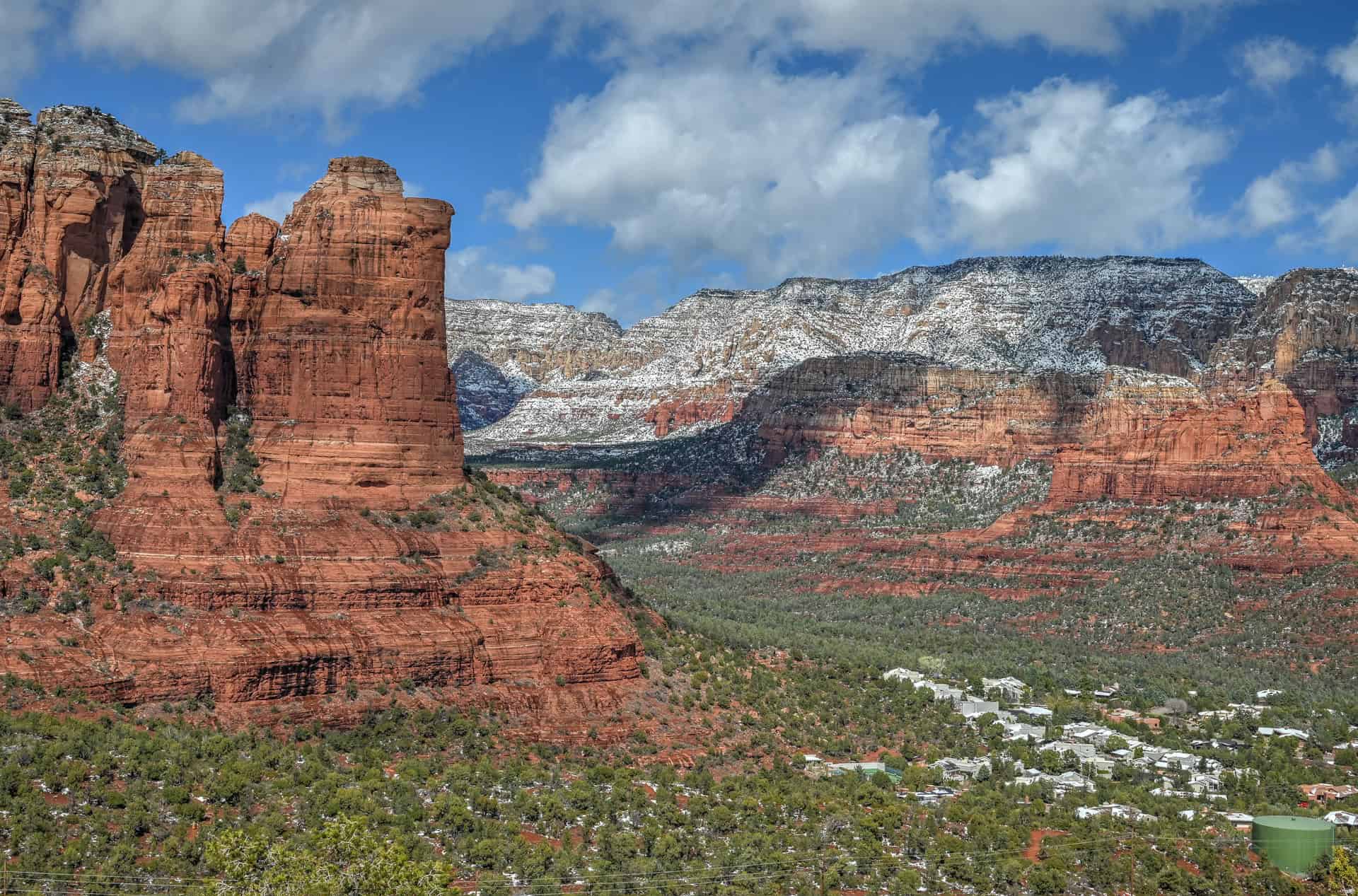
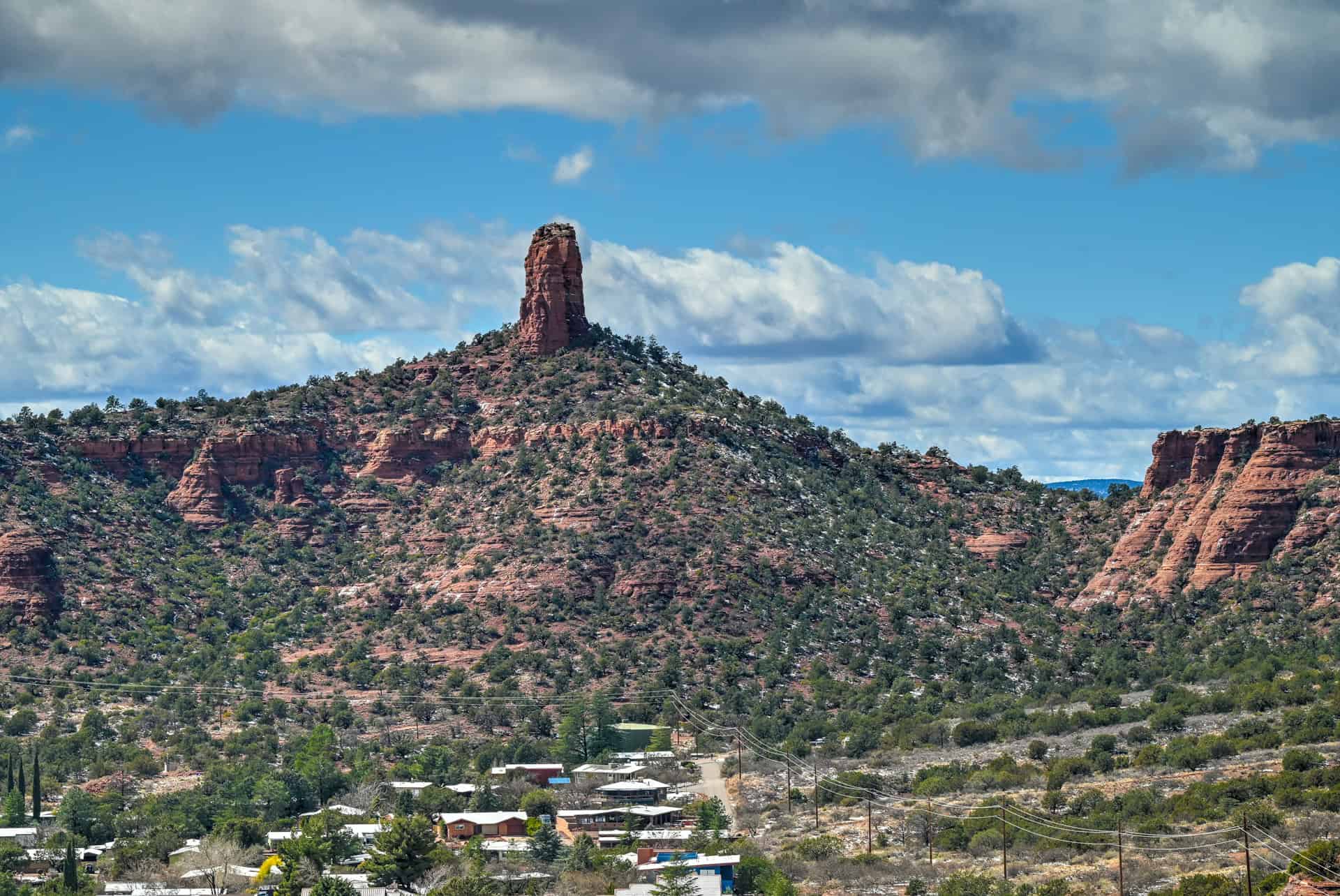
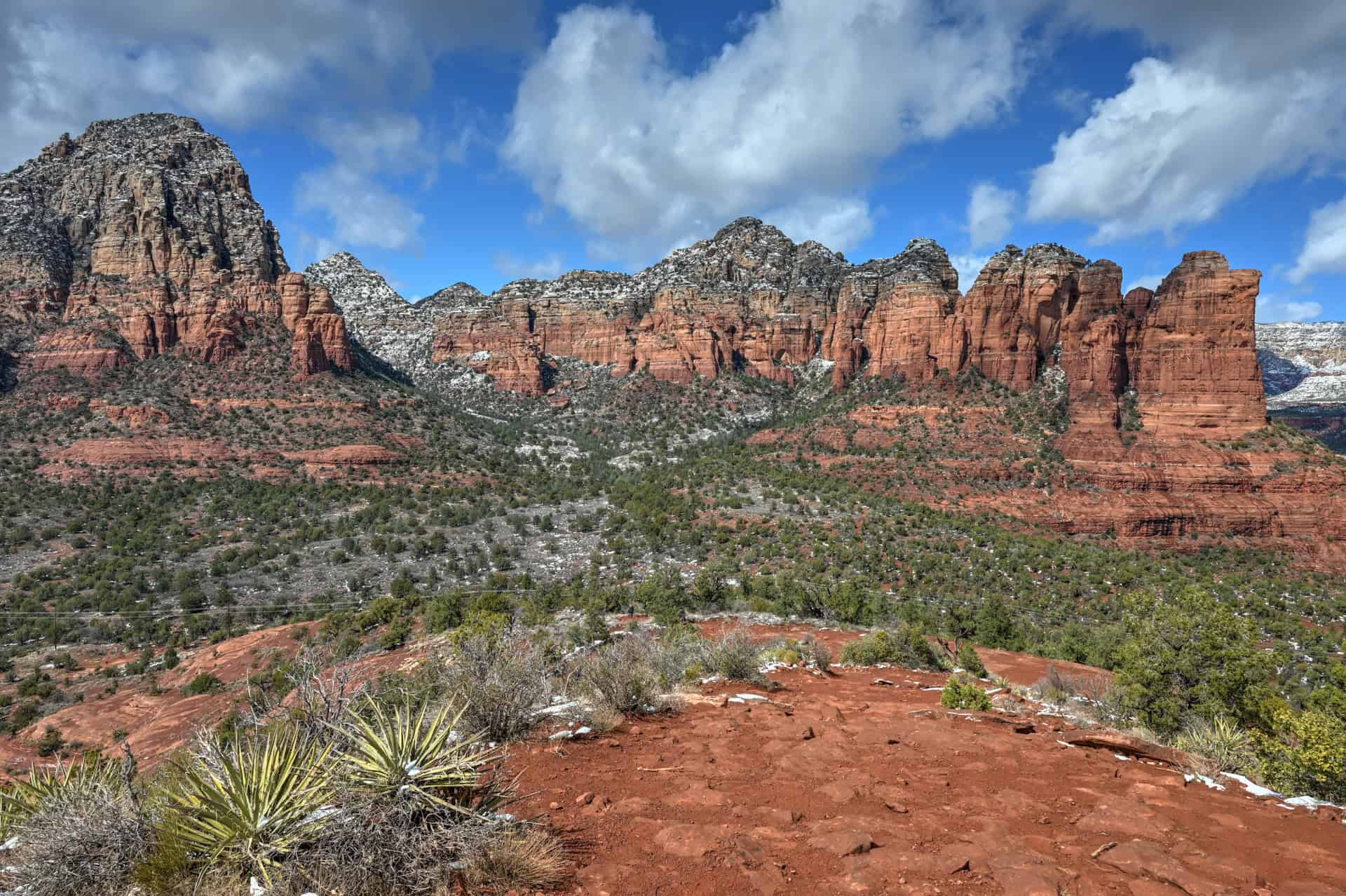
The Teacup and Sugarloaf Trails form a compact loop in West Sedona, offering a mix of moderate climbing, scenic overlooks, and classic red-rock panoramas. The loop climbs to the 360° summit of Sugarloaf, rewarding hikers with expansive views of Coffee Pot Rock, Thunder Mountain, and the surrounding Sedona landscape. While AllTrails often suggests hiking the loop counterclockwise, we recommend doing it clockwise to save the dramatic summit vista for last.


Why This Hike Is for You
- You want a short loop that combines climbing, panoramic views, and classic Sedona scenery.
- Sugarloaf’s summit offers a 360° viewpoint that makes the effort feel worthwhile.
- The trail is well-connected with other trails, offering multiple options for extending the hike.
Why This Hike Might Not Be for You
- There is minimal shade along much of the trail, so summer hikes can be hot.
- Parking is limited at the trailhead, and weekends or holidays can be busy.
- Some sections include steeper climbs and rock steps, which may be challenging for beginners despite the trail’s short length.
Quick Details
- Time Required: 1h – 1h15
- Difficulty Level: Very Easy | Easy | Moderate | Moderately Challenging | Challenging
- Shuttle Required?: No
- Cost: Red Rock Pass required to park at the trailhead ($5 daily / $15 weekly; free with America the Beautiful Pass).
For a full step-by-step trail guide, including route maps and scramble tips, see our complete Teacup & Sugarloaf Trails Guide.
Bell Rock & Courthouse Vista Trails
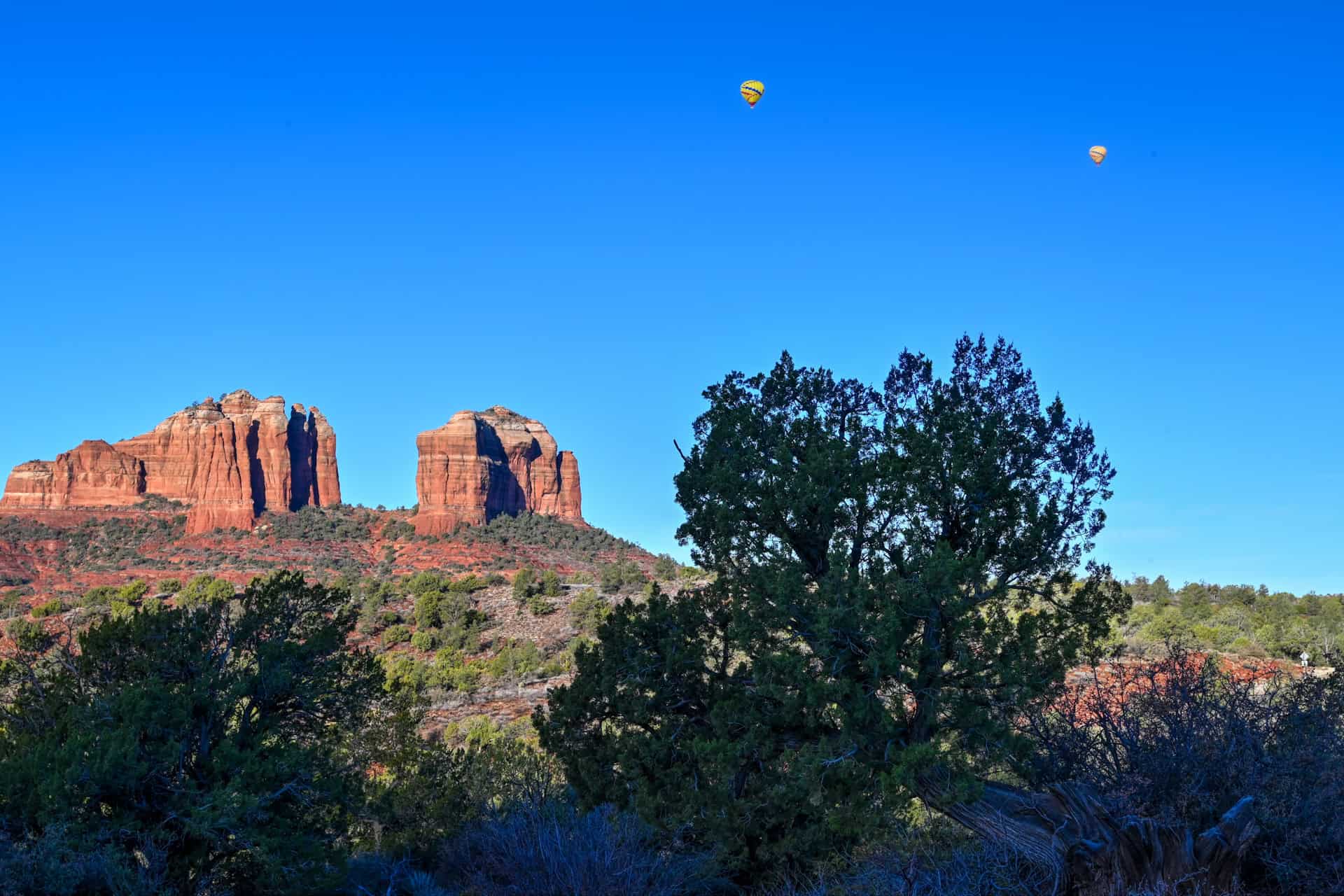
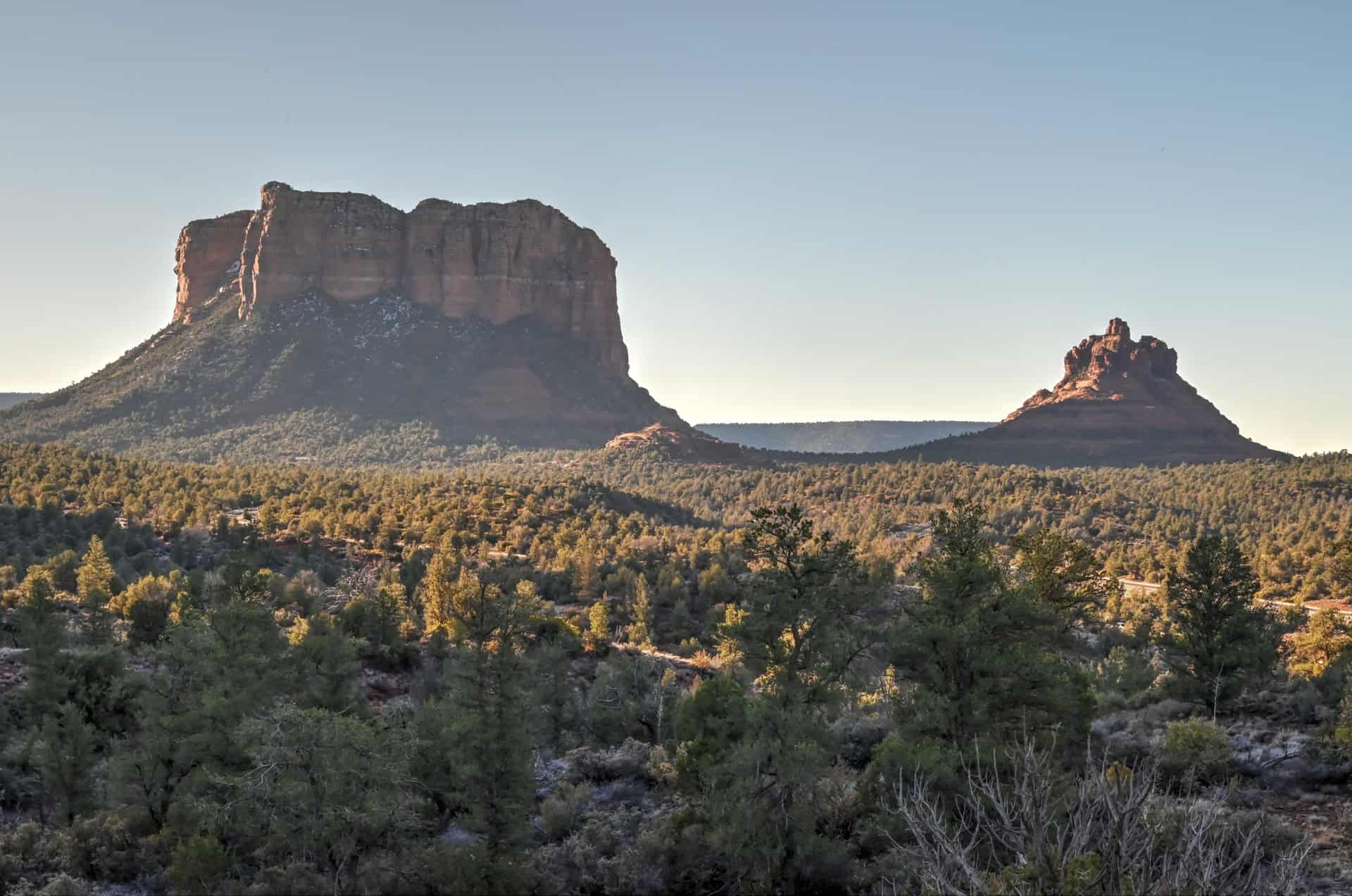
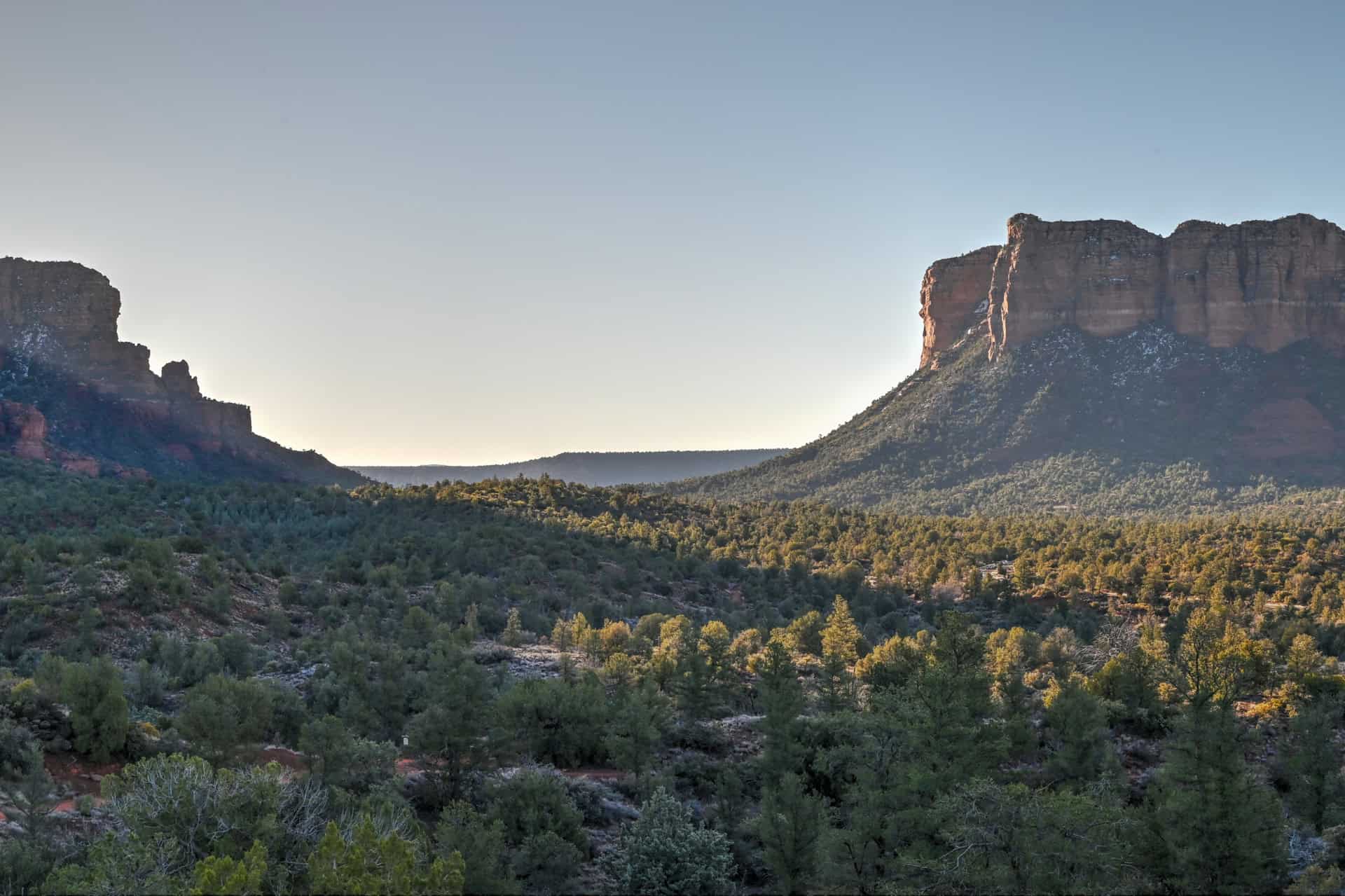
Bell Rock and Courthouse Butte offer some of Sedona’s most instantly recognizable formations, making this area a perfect destination for first-time visitors or those looking for a shorter, visually rewarding hike. The trails wind around the base of both landmarks, providing close-up views of towering sandstone cliffs, subtle desert vegetation, and iconic red-rock vistas. Optional spurs lead to slightly higher vantage points for more dramatic panoramas without the commitment of a strenuous climb.


Why This Hike Is for You
- You want an iconic Sedona experience with minimal effort: a short, easy loop with spectacular red-rock scenery.
- Great for photography or quick outings, with viewpoints that showcase both Bell Rock and Courthouse Butte.
- You can take iconic shots of the hot air balloons passing over Cathedral Rock.
Why This Hike Might Not Be for You
- The trails are relatively flat, so you won’t get the hands-on scrambling experience of Cathedral Rock or Soldier Pass.
- Limited shade, which can make summer hikes hot unless started early or late in the day.
Quick Details
- Time Required: 1h30-2h
- Difficulty Level: Very Easy | Easy | Moderate | Moderately Challenging | Challenging
- Shuttle Required?: No
- Cost: Red Rock Pass required to park at the trailhead ($5 daily / $15 weekly; free with America the Beautiful Pass).
For a full step-by-step trail guide, including route maps and scramble tips, see our complete Bell Rock & Courthouse Vista Guide (coming soon).
Airport View Trail
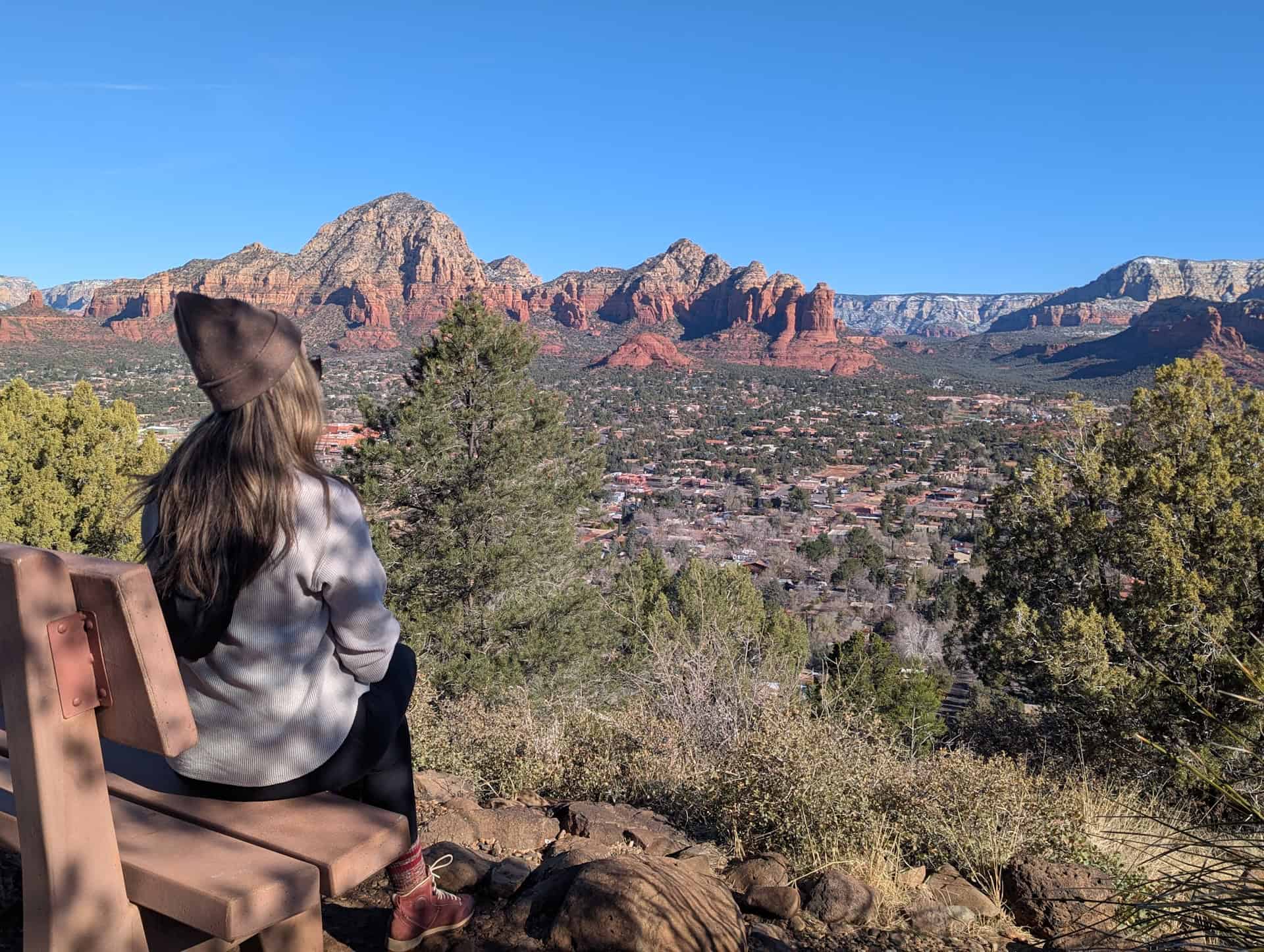
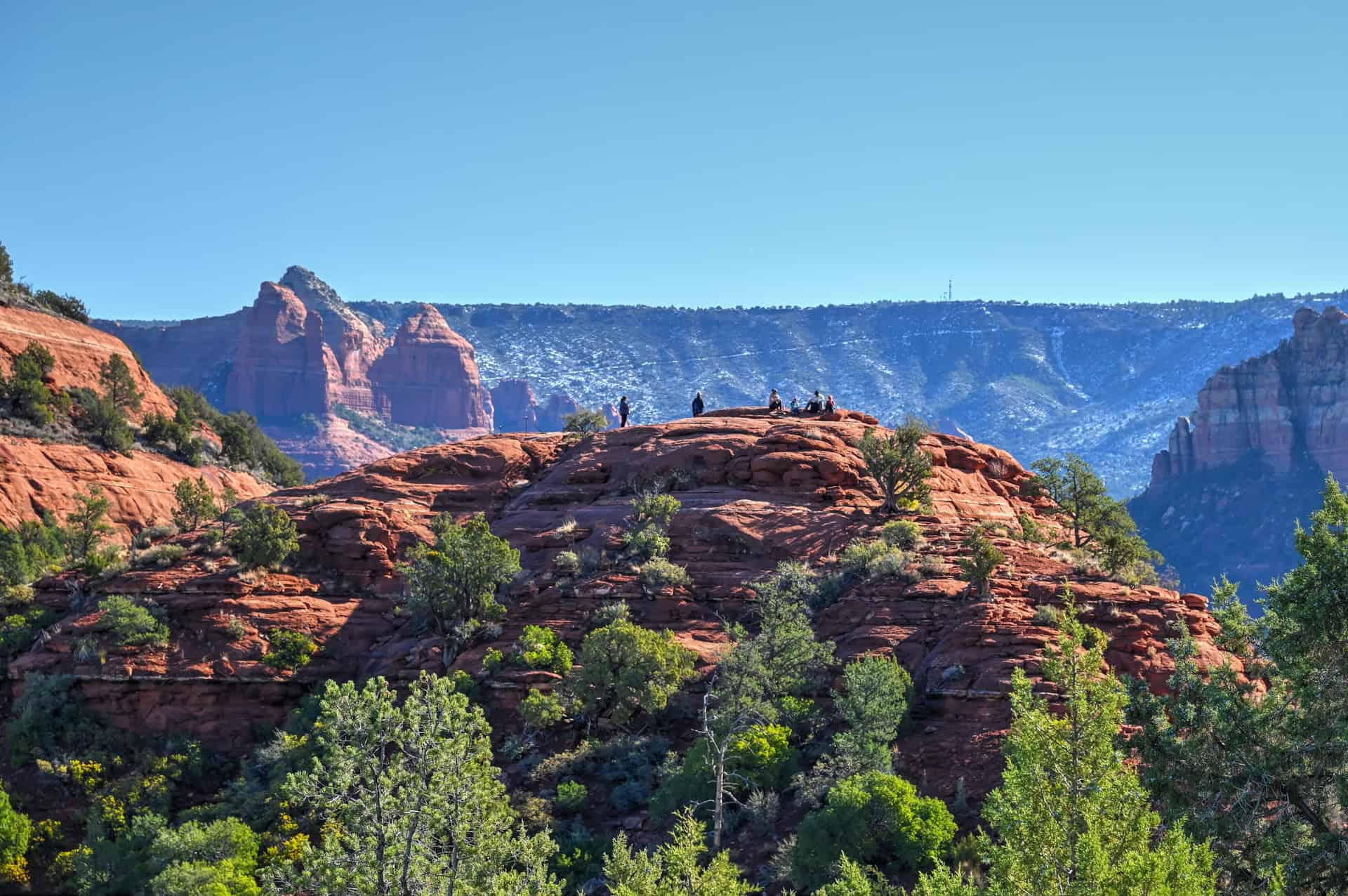
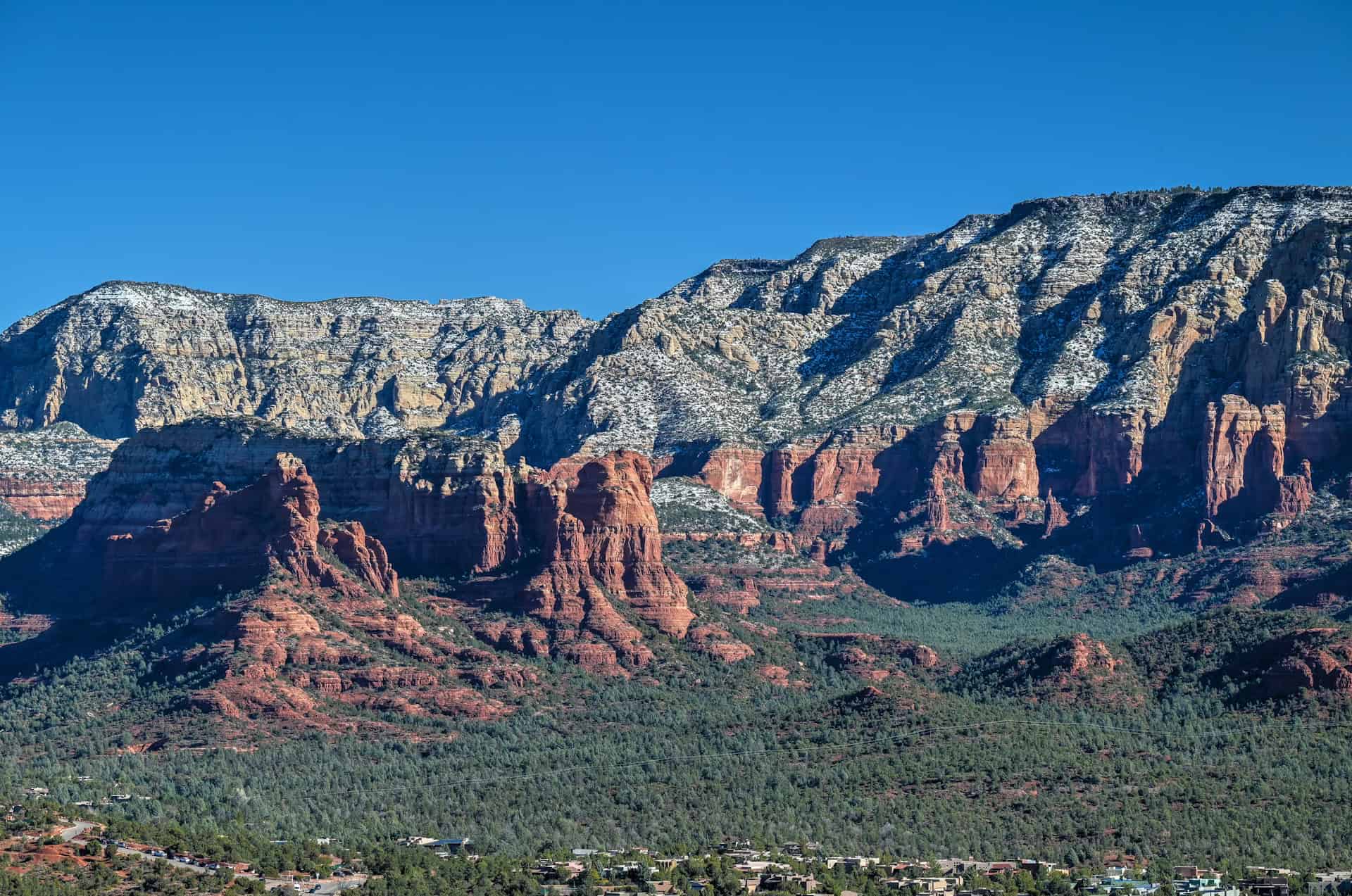
The Airport View Trail is one of Sedona’s best short scenic walks, offering nonstop panoramas without the effort of a longer hike. Stretching along the spine of Airport Mesa, the trail links two of the area’s most popular viewpoints, the Airport Mesa Viewpoint and the Sedona Airport Overlook, giving you a front-row seat to Sedona’s major landmarks.


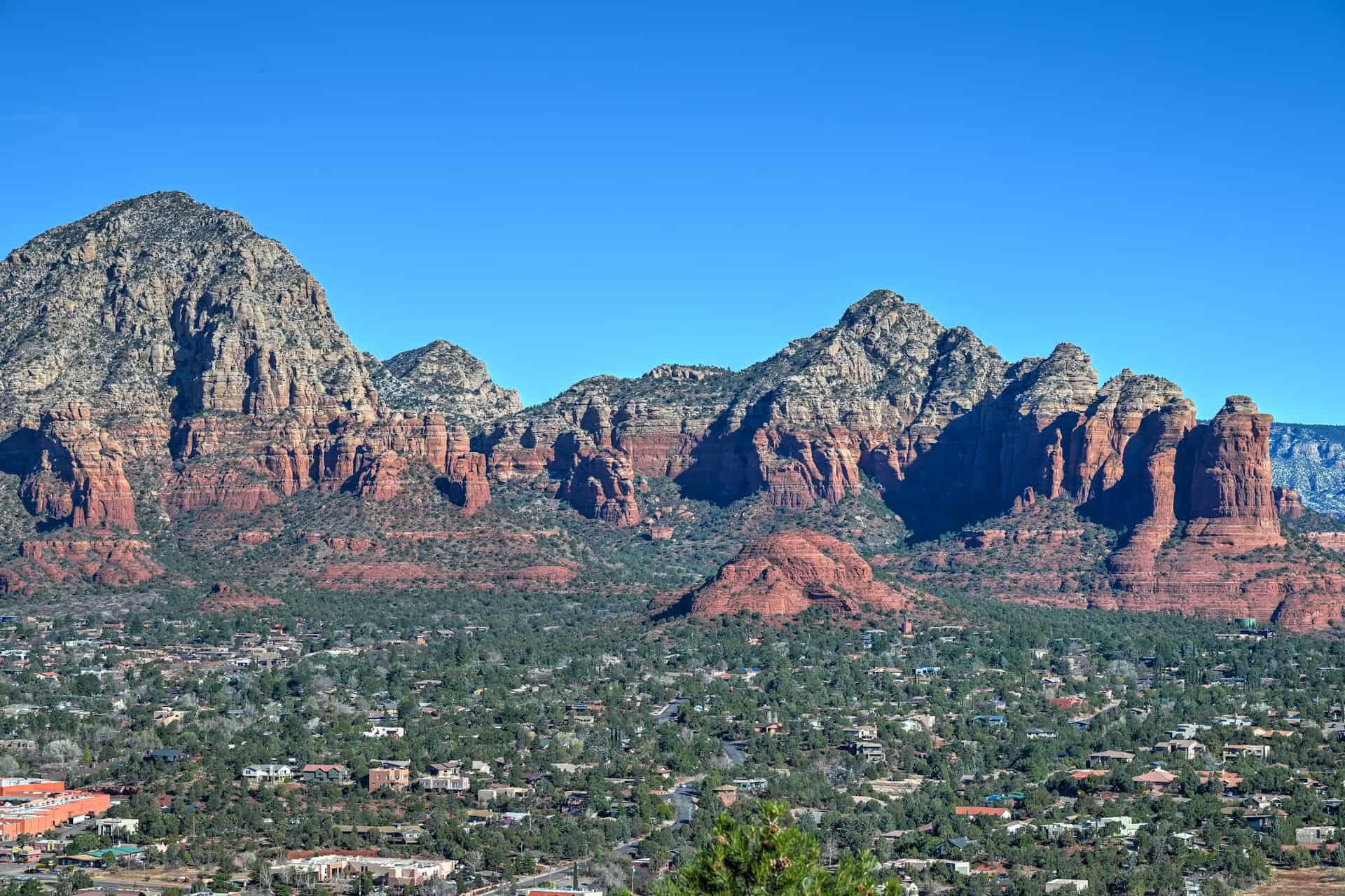
Why This Hike Is for You
- You want panoramic views without a strenuous climb.
- Ideal for sunrise or sunset photography, with wide vistas in multiple directions
- The trail is mostly flat with some mild inclines, making it family- and beginner-friendly
Why This Hike Might Not Be for You
- Because of its accessibility and viewpoints, it can be crowded during peak sunrise or sunset hours.
- Parking can be limited at the eastern access point.
- The iconic red-rock pillars and mesas are farther away compared to trails like Cathedral Rock or Doe Mountain, so the dramatic formations feel more distant.
Quick Details
- Time Required: 30-45 minutes
- Difficulty Level: Very Easy | Easy | Moderate | Moderately Challenging | Challenging
- Shuttle Required?: No
- Cost: It depends on which car park you can secure a spot in.
For a full step-by-step trail guide, including route maps and scramble tips, see our complete Airport View Trail Guide.
Hiking Packing List
All Trails subscription – This comes in really handy for areas with little or no cell reception, as the annual subscription allows you to download trail maps for offline use.
External Battery – If you are using your phone to track your progress along the trail or to help with navigation, you certainly don’t want your phone to die on you. That’s especially true in the unlikely event that you might get hurt or need assistance.
Hiking poles – These can be particularly useful in steep trails or muddy/boggy trail conditions.
Water Filter Bottle – The Life Straw bottle is an advanced water bottle with a filter that not only improves water taste but more importantly filters out bacteria and parasites, chemicals and microplastics.
Headlamp – very practical and a smart choice if you plan to start your hike before sunrise or finish it after sunset.
Other Notable Hikes in Sedona (and Why They Didn’t Make Our Top List)
Sedona has dozens of well-known trails, but not all of them deliver the same level of scenery, enjoyment, or overall payoff as the routes highlighted above—at least according to us. These three are undeniably famous (and worth knowing about), but each comes with trade-offs that keep them off our “best and most rewarding” list.
Devil’s Bridge
Devil’s Bridge is one of Sedona’s most iconic photo ops, with a stunning natural sandstone arch and a dramatic viewpoint. It’s extremely popular and delivers an undeniably memorable picture — but the overall hiking experience doesn’t quite match the hype in our opinion.
Why This Trail Isn’t One of Our Favorites
- Extremely popular: expect large crowds and lines for photos, especially during peak hours. Having to wait for a significant amount of time to take a picture definitely isn’t our cup of tea.
- The default route from Dry Creek involves a dusty dirt road that can feel more like a drive than a hike.
- Most of the enjoyment comes from the single photo moment, not the journey itself.
- While the arch view itself is spectacular, much of the trail feels less dynamic than other red-rock hikes.
Boynton Canyon
Boynton Canyon is a deep, beautiful red-rock canyon that appeals to hikers who prefer quieter, forested routes. It’s a long, peaceful, and immersive trail, but the views are limited for most of it.
Why This Trail Isn’t One of Our Favorites
- It’s a long out-and-back with minimal scenery until the very end.
- The Subway Cave, a popular feature of the Boynton Canyon, is accessible via an unmarked social trail (not an official route), and its popularity has surged, leading to heavy foot traffic, crowding, and environmental concerns that detract from the original sense of discovery.
- We prefer Fay Canyon because the views start sooner, the canyon walls feel more immersive, the trail is quieter, and the optional scramble delivers a faster, more rewarding payoff than Boynton Canyon’s much longer approach
Birthing Cave
The Birthing Cave is a short, scenic hike to a shallow alcove carved into the red rock cliffs. The “inside-the-cave” photo angle is very popular—with a wide-angle lens or pano mode, you can capture the cave’s rounded walls framing the sweeping canyon view.
Why This Trail Isn’t One of Our Favorites
- Parking is very limited, and the cave area can feel crowded at peak times.
- The cave’s views are somewhat limited, and most iconic photos rely on wide-angle lenses or tricky framing.
- It’s very short with only one main viewpoint — more of a quick stop than a truly satisfying hike.
Sedona Hiking Tips
Hiking Experience
Most Sedona trails in the easy-to-moderate range feature a mix of packed dirt paths, uneven rock surfaces, and short sections of slickrock. While many routes are accessible to beginners, hikers should be prepared for occasional light scrambling, stair-like rock steps, and moderate elevation gain. Trails are generally well-marked, but intersections and wide slickrock areas can be confusing without a map. Confident hikers and active families will find these routes fun and manageable; those new to desert hiking should pace themselves and avoid midday heat.
Cell Service
Cell reception varies dramatically across Sedona. Some trails have a strong signal for most of the route (e.g., Doe Mountain), while others lose coverage quickly as soon as you enter canyons (e.g., Fay Canyon) or move behind major rock formations. Do not rely on the service for navigation or emergencies. Always download offline trail maps beforehand.
Not an AllTrails member yet? We highly recommend signing up for either their free or paid membership plans. The free plan allows you to find new trails and plan routes but it can only be used while hiking if you have access to mobile data. The paid membership plan (AllTrails+) allows you to download trail maps for offline use and provides live progress updates and off-route notifications.
If you are still uncertain – you should know that the All Trails mobile application was voted the 2023 iPhone App of the Year by Apple.
We find that AllTrails is a great tool to have when hiking, particularly for assisting with navigation when the trail is hard to locate and to help monitor your progress along the trail, which helps estimate how much time you’ll need to complete the trail.
Leave No Trace
Sedona’s desert environment is fragile, especially in areas containing cryptobiotic soil, delicate desert plants, and slickrock surfaces prone to erosion. Stay on established trails and cairned routes; avoid creating new paths across open rock or soil. Pack out all trash, refrain from climbing on unstable formations, and keep noise low — sound carries far in the canyons and red-rock basins.
Bugs
Bugs in Sedona are generally mild. You may encounter gnats, flies, or tiny no-see-ums in warmer months and after rain, especially near drainages. Mosquitoes and ticks are uncommon on most Sedona trails. Insect repellent can be helpful, but is rarely essential.
Equipment
No technical gear is needed for any hikes on this list, but good footwear makes a big difference. Wear sturdy hiking shoes or trail runners with a strong grip, as slickrock is common and can be slippery when wet or dusty. Bring plenty of water, sun protection (hat, sunscreen, sunglasses), and a light layer if starting early or hiking in winter. Trekking poles are optional; they’re useful on moderate climbs but may be cumbersome on narrow ledges or scrambles.
Weather and Exposure
Sedona trails are mostly exposed, offering big views but little shade.
- Monsoon season (July–September): Watch for fast-building storms, lightning, and sudden flash floods in washes.
- Summer: Start early (before 8 a.m.) or hike later in the afternoon to avoid peak heat.
- Winter: Cool, quiet, beautiful — but slick, shaded rock can ice over after snow or frost.
Current Trail Conditions
Check the Coconino National Forest Alerts page for updates on trail conditions or temporary closures.
Wildlife
Sedona’s wildlife is generally shy and harmless. Expect to see lizards, mule deer, jackrabbits, and ravens year-round. Rattlesnakes become more active in warmer months, typically at dusk or dawn — stay aware near rocks, logs, and brush, but encounters are rare and snakes generally avoid hikers. Never feed or approach wildlife, and give any animals plenty of space.
Best Time to Hike in Sedona
Sedona’s high-desert climate allows for year-round hiking, but trail comfort and safety vary significantly by season. Most trails offer little shade and involve some degree of slickrock, open exposure, or mild scrambling — so choosing the right time of year can make a big difference.
Spring (March–May):
One of the best seasons for hiking in Sedona. Temperatures usually range from 60–80°F (15–27°C), wildflowers begin to bloom, and the red cliffs glow beautifully in the clear spring light. Trails are popular this time of year, so expect moderate to heavy crowds, especially on weekends.
Summer (June–August):
Hot and dry, with daytime highs often exceeding 95°F (35°C). Most trails are fully exposed, so early morning or late evening hikes are strongly recommended. Hydration is essential. From late July through early September, monsoon storms can develop quickly — be alert for lightning, fast-moving clouds, and flash flood potential in washes or canyons.
Fall (September–October):
Another ideal hiking window. Temperatures drop back into the 70s–80s°F (21–30°C), visibility is excellent, and the late-afternoon light casts warm golden tones across the red rock. Crowds remain steady in September but taper off in late October.
Winter (November–February):
Cool, quiet, and scenic. Highs typically reach 50–60°F (10–16°C), making midday hikes comfortable. Mornings can be cold, and shaded sections of slickrock may develop ice after frost or light snow. Snow-dusted red rocks make for beautiful photos — just use caution on north-facing or shaded ledges.
Quick Summary – When to Visit
Spring & Fall: The best overall balance of temperature, trail conditions, and scenic light.
Summer: Possible with a very early or late start; avoid midday heat and carry extra water.
Winter: Great for solitude and crisp views — just watch for icy or slick shaded sections.
Hiking Packing List
All Trails subscription – This comes in really handy for areas with little or no cell reception, as the annual subscription allows you to download trail maps for offline use.
External Battery – If you are using your phone to track your progress along the trail or to help with navigation, you certainly don’t want your phone to die on you. That’s especially true in the unlikely event that you might get hurt or need assistance.
Hiking poles – These can be particularly useful in steep trails or muddy/boggy trail conditions.
Water Filter Bottle – The Life Straw bottle is an advanced water bottle with a filter that not only improves water taste but more importantly filters out bacteria and parasites, chemicals and microplastics.
Headlamp – very practical and a smart choice if you plan to start your hike before sunrise or finish it after sunset.
Where to Stay in Sedona
If you’re looking for comfortable, well-located lodging in Sedona without splurging on luxury, here are four of the best mid-range options. These hotels and resorts put you within easy reach of popular hiking trails, the Red Rock Scenic Byway, and Sedona’s shops and restaurants. Most include free WiFi, parking, and convenient amenities, making them solid bases for exploring the area.
GreenTree Inn Sedona
What sets it apart: affordable comfort with a quiet, convenient location near Uptown Sedona.
Clean, well-appointed rooms, complimentary breakfast, and friendly service make this a reliable choice for hikers and families alike. Its easy access to main roads ensures a quick drive to trailheads while still offering a peaceful stay.
Hilton Grand Vacations Club – Sedona Ridge
What sets it apart: Spacious suites ideal for families or longer stays.
Featuring full kitchens, separate living areas, and a resort-style outdoor pool, this property combines convenience with extra space. Guests can enjoy easy access to nearby trails and Sedona’s scenic viewpoints, making it perfect for those who want both comfort and flexibility.
Arabella Hotel Sedona
What sets it apart: Classic mid-range hotel with a touch of style and excellent amenities.
Offering outdoor pools, on-site dining, and clean, comfortable rooms, Arabella is an easy pick for travellers seeking a balance of affordability and quality. Its central location also makes it a convenient home base for exploring both Uptown Sedona and nearby Red Rock trails.
The Wilde Resort and Spa
What sets it apart: A modern, boutique-inspired option with a spa and scenic views.
The Wilde combines well-designed rooms with amenities like a hot tub, fitness center, and easy access to nearby hiking. Ideal for those who want a bit more flair without going full luxury.
Booking Tip: Sedona lodgings can fill up quickly, particularly in spring and fall when temperatures are ideal for hiking, as well as on weekends. Early reservations are strongly recommended to secure the best rates and rooms.
Explore More Arizona
Continue exploring Arizona with these detailed travel guides:
Best Things to See and Do in Page
Monument Valley Travel Guide
Sunset Crater Volcano National Monument
Marble Canyon Guide
Photography Gear
If you like our photography, you might be interested in some of the gear we use to shoot our travel and hiking destinations.
Camera Body – Nikon Z 6ii Fx-series Mirrorless Body
Main Lens – NIKON 24-120mm F/4G ED VR AF-S
Zoom Lens – Sigma 745-306 150-600mm f/5-6.3
Polarizing filters – Urth Circular Polarizing (CPL)
Camera Tripod – K&F Concept 64-inch Camera Tripod
Mini-tripod – Lammcou Flexible Camera Tripod
Camera/hiking backpack – Vanguard Alta Rise 48 Backpack
Universal Travel Adapter – VYLEE Universal International Power Travel Plug
Other Travel Essentials
Travel Insurance
SafetyWing is a travel insurance company that offers comprehensive coverage for travellers. Includes Medical Insurance and Travel Insurance. Primarily geared towards long-term travellers, digital nomads, and expats.
e-Sim cards
Airalo is the world’s first and largest eSIM store with eSIM plans for 200+ countries and regions worldwide. With Airalo eSIMs, travellers can get connected the moment they land at their destination and avoid nasty data roaming charges
eSIMS are a sustainable alternative to single-use SIM cards – they are 100% digital, require less energy to produce and be re-used rather than disposed of.
Car Rentals
Discover Cars is our go-to website for car rentals. We almost always find our preferred rate there.
Transfer from Airport
Welcome Pickups is our favourite private transfer service, which you can pre-book at a fixed price. Currently available in 220 cities all over the world (mostly in Europe, but with several major cities in Asia, the Middle East and the US).
Kiwitaxi is another private transfer service – we haven’t tried it yet, but it’s currently available in a few more countries (102 as of 2024).
Hotels and Accommodations (coming soon)
Photography Prints
If you found this blog useful, you can help support our blog by purchasing low-cost digital prints. Printed physical prints are also available for purchase.


—–
Well, that wraps it up! We hope you enjoyed our Sedona Hiking Guide that it will prove useful for planning your hiking trip.
—–
You might also be interested in these related pages: