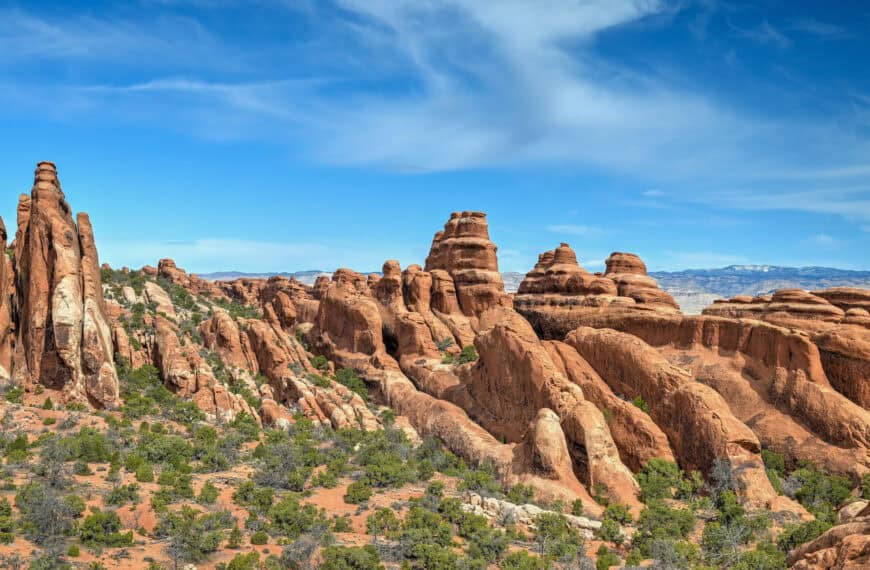
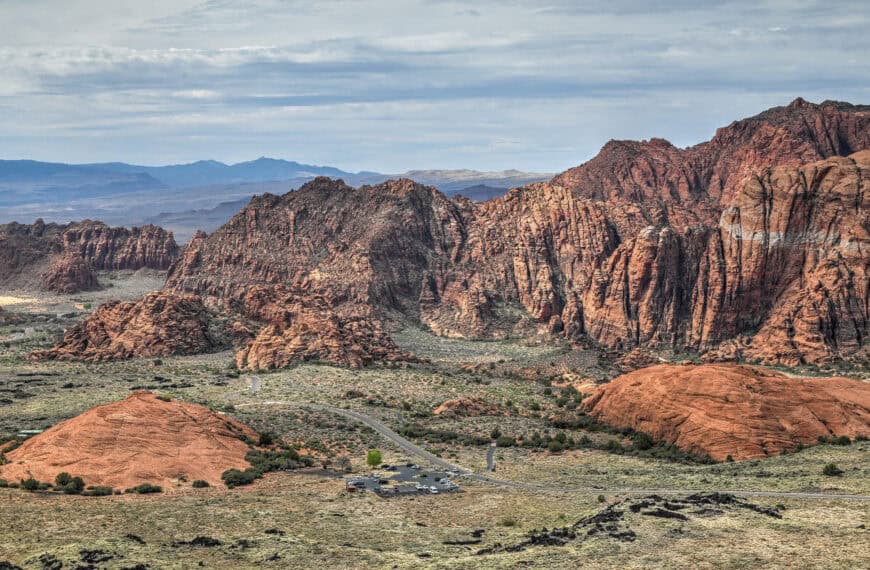
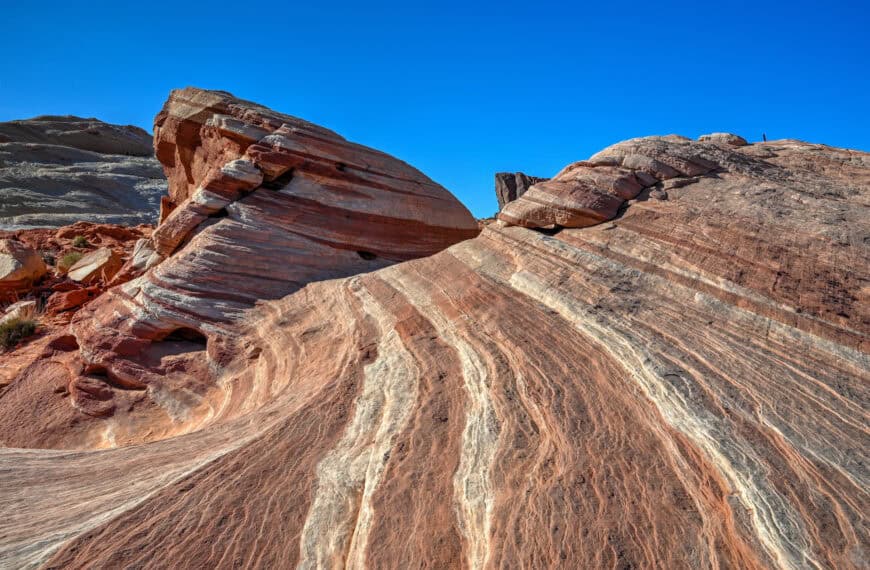
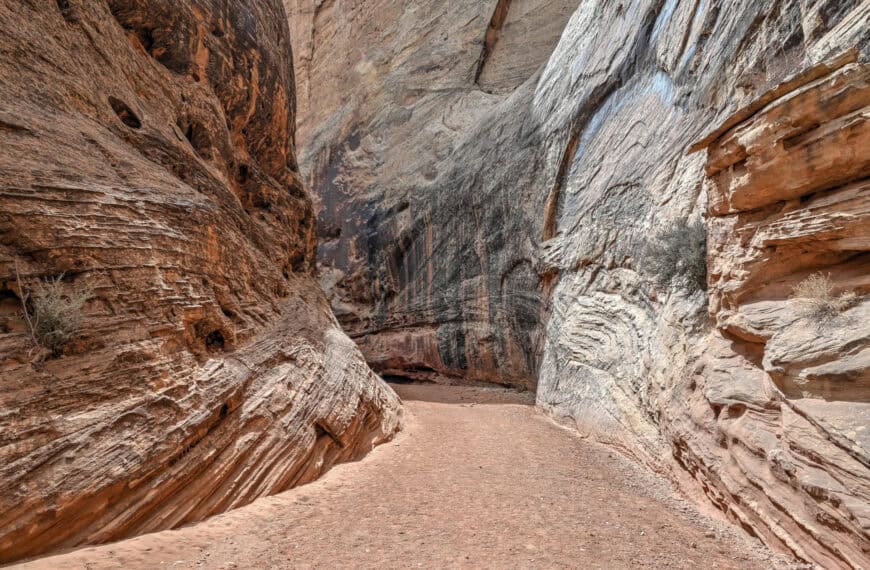
A Southwest road trip is one of the best ways to experience the desert landscapes of the United States, with a high concentration of national parks, scenic drives, and unique geological formations within a relatively compact area.
This 2-week itinerary focuses on a loop through Utah and Arizona, starting and ending in Las Vegas. Along the way, you’ll visit destinations such as Sedona, Page, Monument Valley, and Moab, before continuing to Bryce Canyon National Park and Zion National Park.
Unlike many Southwest itineraries, this route skips Grand Canyon National Park to keep travel distances manageable and allow more time in areas with a higher concentration of hikes and viewpoints. You’ll still experience dramatic canyon landscapes throughout the trip, particularly in Canyonlands National Park and in several other spots along the Colorado River.
The itinerary is designed to balance driving time, hiking opportunities, and sightseeing, while leaving enough flexibility to adapt based on weather, energy levels, and personal interests.
Southwest Road Trip Highlights – At a Glance
Start / End Point: Las Vegas
Route direction: Counterclockwise, starting with northern Arizona and then looping back towards Vegas through southern Utah.
Trip length: 14 days / 13–14 nights
Main stops & home bases: Sedona (AZ) –> Page (AZ) –> Monument Valley (AZ/UT) –> Moab (UT) –> Bryce Canyon National Park (UT) –> Zion National Park (UT)
Additional stops along the route: Goblin Valley State Park (UT), Capitol Reef (UT) National Park, Snow Canyon State Park (UT), Valley of Fire State Park (NV), Grafton ghost town (UT), Dead Horse Point State Park (UT), Coral Pink Sand Dunes State Park (UT), Moqui Sand Caves (UT), and many more.
Best for: First-time Southwest visitors, with a good mix of easy walks, moderate hikes, and scenic drives
Good to know: This itinerary skips the Grand Canyon to reduce driving time and allow more time in other areas


Disclosure: This page (2-Week Southwest Road Trip) may contain product affiliate links. At no additional cost to you, we may receive a commission for purchases made through these links. More details can be found on our disclosure and policies page.
2-Week Southwest Road Trip Route Overview
Route Summary
Las Vegas –> Sedona –> Page –> Monument Valley –> Moab (Canyonlands and Arches National Parks) –> Bryce Canyon National Park –> Zion National Park –> Las Vegas
Our proposed itinerary follows a loop starting and ending in Las Vegas, covering some of the most scenic areas in northern Arizona and southern Utah.
Nights Breakdown
Las Vegas – 1 night (optional, depending on flight departure time)
Sedona – 2 nights
Page – 1 night
Monument Valley – 1 night
Moab (Canyonlands and Arches National Parks) – 4 nights
Bryce Canyon – 2 nights
Zion (Springdale) – 3 nights
Choice of Starting Point
Las Vegas is an ideal starting point for this type of trip, with frequent flight options, competitive rental car prices, and direct access to multiple Southwest routes without requiring a one-way itinerary. It’s also ideally situated geographically for both the Utah and Arizona legs of the road trip.
Choice of Loop Direction
From Las Vegas, the route first moves east into Sedona. This helps get one of the longer driving days out of the way early in the trip, while leaving a shorter, more manageable drive between Zion National Park and Las Vegas for the final day.
From there, the itinerary gradually works north through Arizona into Utah, starting with Monument Valley, which straddles both states, before looping back west.
This counter-clockwise loop minimizes backtracking and creates a nice sequence of landscapes, moving from red rock desert and mesas to deeper canyon systems and higher-elevation terrain. That said, there’s no wrong direction as the scenery is spectacular throughout.
Driving Overview
Total driving distance: ~1,200–1,400 miles (1,900–2,250 km)
- Longest drive day: Moab –> Bryce Canyon (6-8 hours depending on specific route taken)
- Most transit days between bases: 2–4 hours of driving with optional stops along the way
Driving is spread out as much as possible to avoid overly long days, and most transit days include worthwhile stops so that travel time feels like part of the experience rather than a necessity.
What This Suggested Itinerary Prioritizes
Efficient routing with minimal backtracking – The loop structure keeps the driving straightforward while minimizing detours, making better use of your time.
More time in high-value areas – Extra nights are allocated to destinations like Moab and Zion National Park, where there is a higher concentration of hikes, viewpoints, and activities.
Variety of desert landscapes – The route covers a wide range of scenery, from red rock formations and desert mesas to deep canyon systems and river corridors.
A mix of viewpoints, short hikes, and scenic drives – The itinerary emphasizes easy-access viewpoints, roadside stops, and short-to-moderate hikes with strong visual payoff, rather than full-day or multi-day treks.
Flexibility – The itinerary can be shortened, extended, or adjusted depending on your interests, fitness level, and travel pace. We’ll go over some suggested cuts or add-ons, depending on whether you have more or less than two weeks to dedicate to your southwest itinerary.
If you need to book a rental vehicle for your hiking excursion, we highly recommend using Discover Cars to get the best rates on your rental in Utah, Nevada, and Arizona.
We also highly recommend Airalo (eSIM card) for your connectivity needs when travelling abroad. Airalo is the world’s first and largest eSIM store with eSIM plans for 200+ countries and regions worldwide.
Detailed 2-Week Southwest Itinerary
Day 1 – Arrival in Las Vegas (Optional)
If you arrive early in the day, it’s possible to begin the drive toward Sedona right away. However, unless you’re landing in the morning and planning to take the most direct route, we generally recommend spending one night in Las Vegas.
This helps break up what would otherwise be a long travel day and allows you to follow the more scenic route to Sedona the next day, with time to stop at places like Hoover Dam and along historic Route 66.
Day 2 – Drive from Las Vegas to Sedona
Drive time: 4.5–5 hours (direct)
With our suggested route & stops: 7–10 hours
The drive from Las Vegas to Sedona is one of the most varied of the trip, transitioning from desert landscapes to Route 66 towns and eventually the red rock scenery of northern Arizona.
While it’s possible to complete the drive quickly via US-93 and I-40, we strongly recommend taking your time and stopping at a few key highlights along the way. The most worthwhile stops include Lake Mead National Recreation Area, Hoover Dam, and classic Route 66 towns like Seligman, as well as roadside stops such as Hackberry General Store.


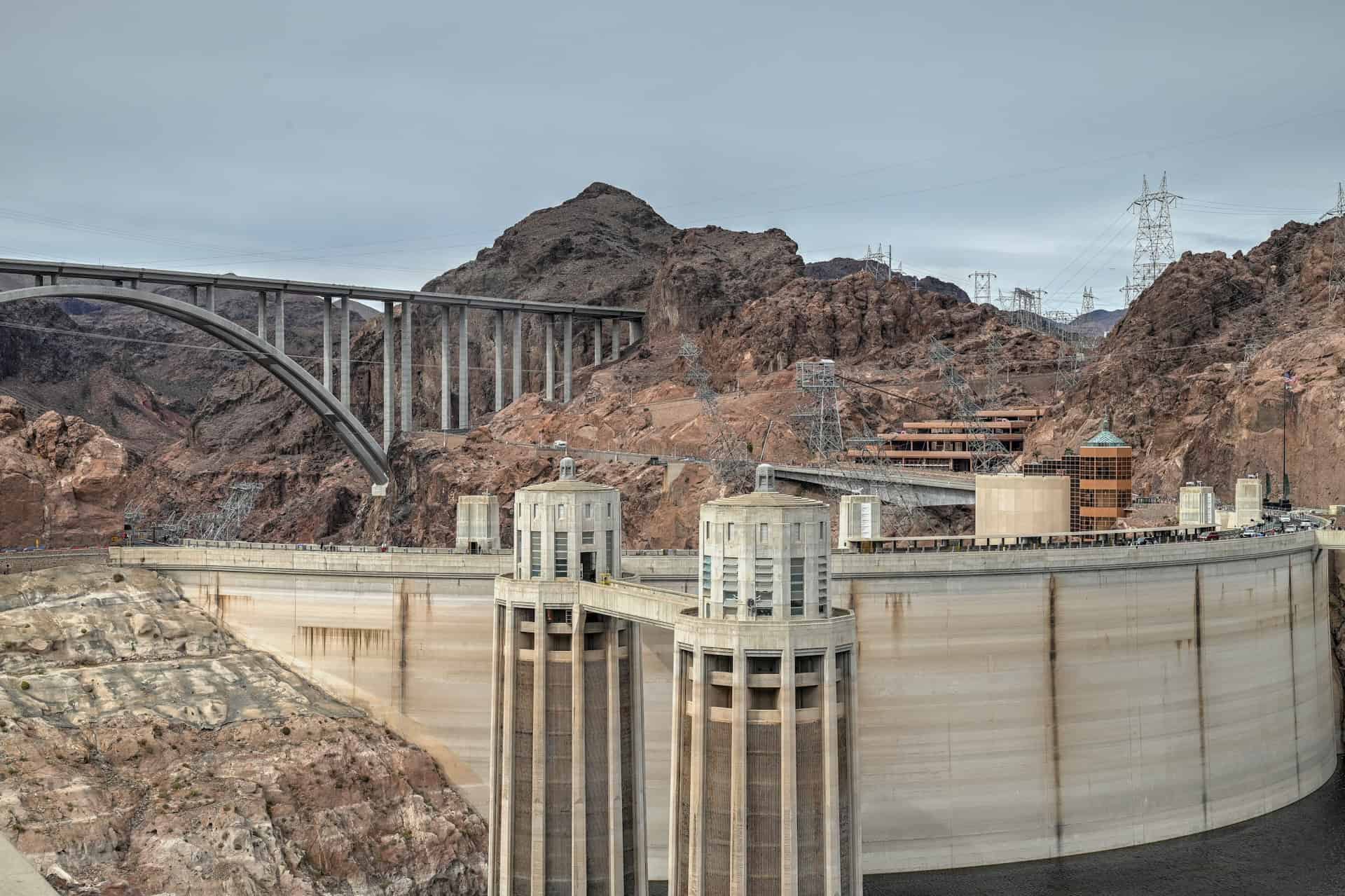
For a full breakdown of stops and optional detours, see our guide to the Best Stops Between Las Vegas and Sedona.
Days 2–4 – Sedona (2 nights)
Sedona is one of the most rewarding stops on this itinerary, especially for hiking. The area offers an unusually high concentration of short, easy-to-moderate trails, making it one of the best places on this route to fit in multiple hikes in a short time.
With about a day and a half in Sedona, you won’t have time to do everything. Some of the most worthwhile hikes include Cathedral Rock (especially at sunrise), Soldier Pass, Doe Mountain, and Fay Canyon, each offering a slightly different perspective on Sedona’s red rock landscape.


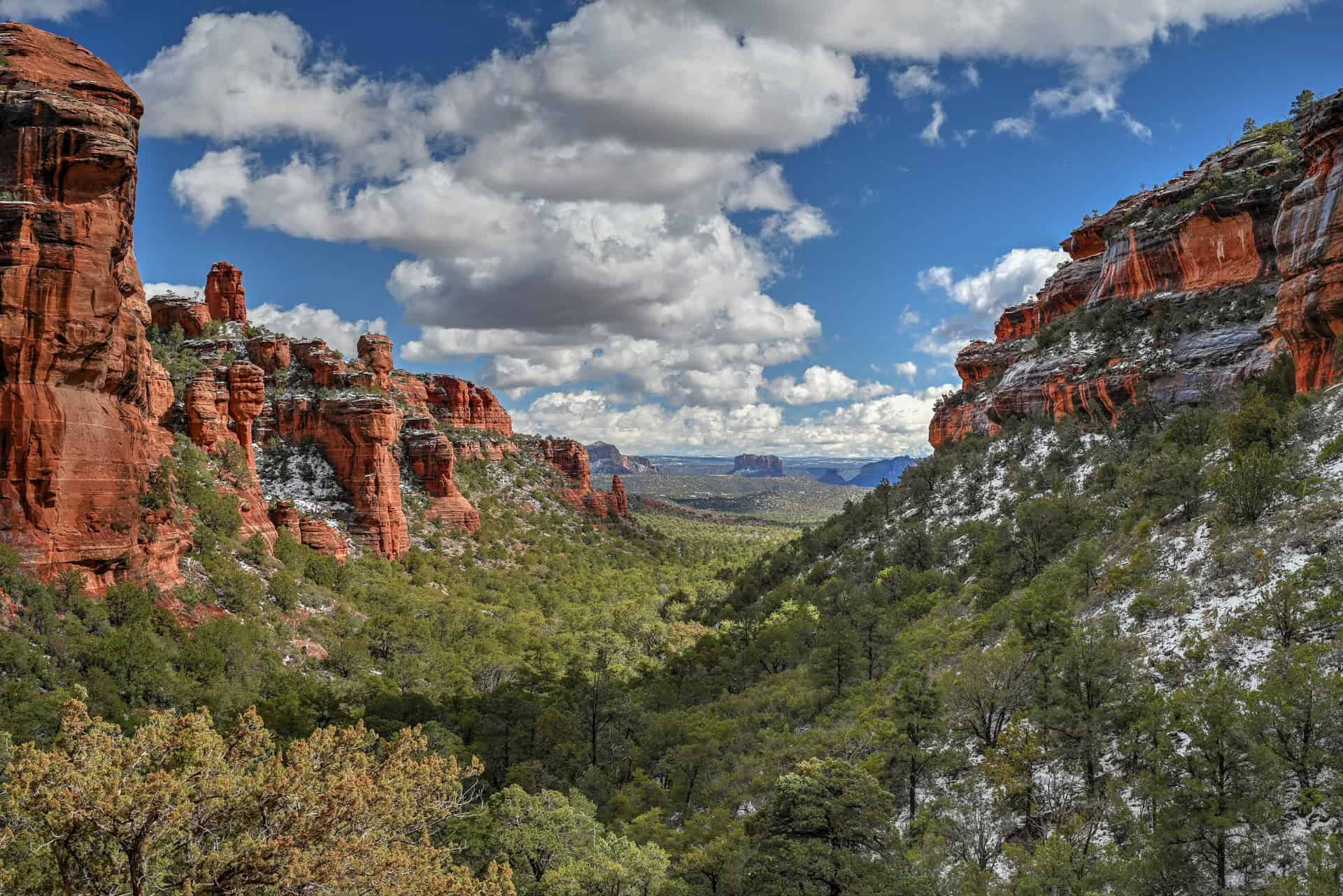
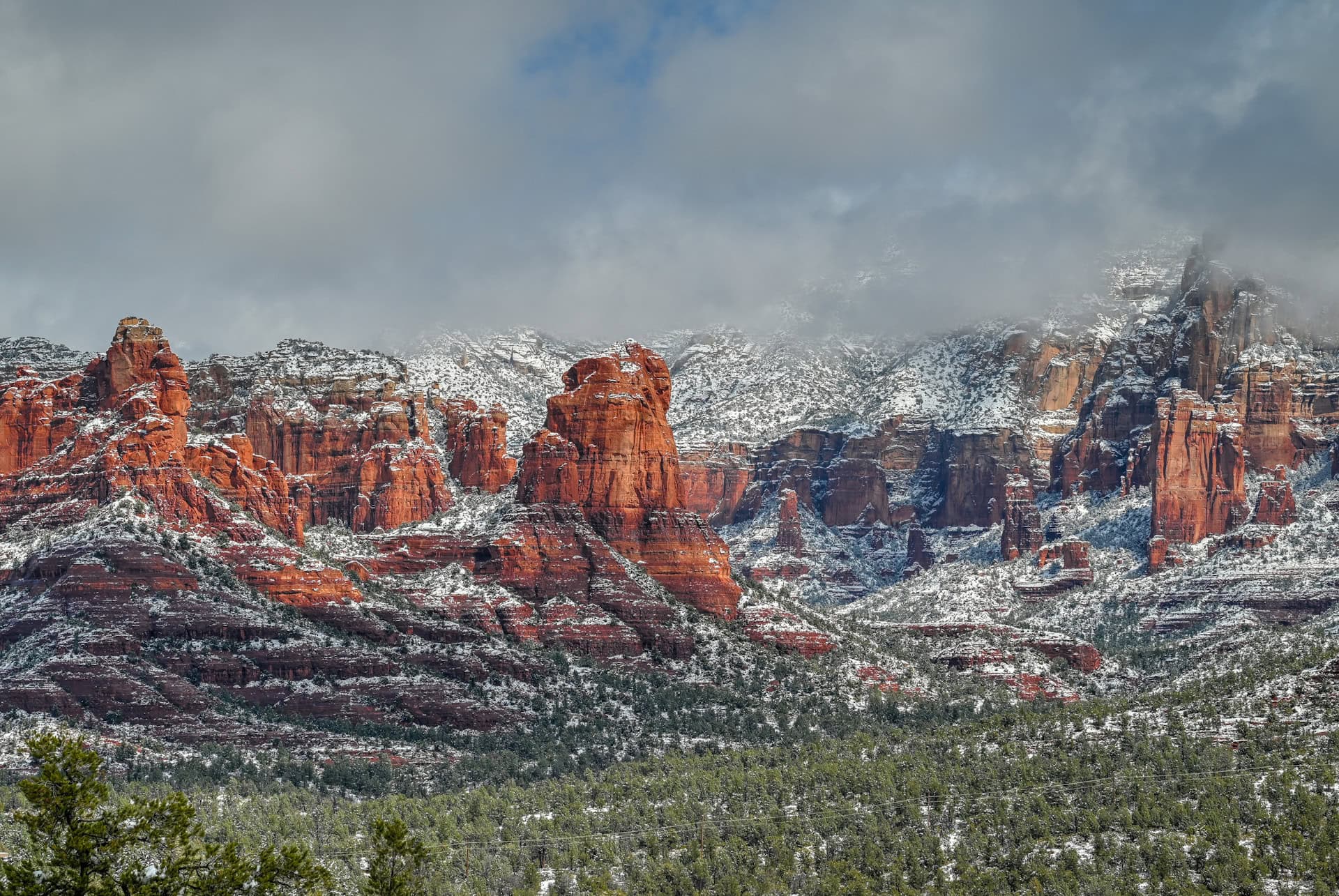
Sedona also stands out as one of the larger and more developed towns on this itinerary. In addition to hiking, you’ll find a mix of cultural and recreational activities, including galleries and shops at Tlaquepaque Arts & Shopping Village, a visit to the cliffside Chapel of the Holy Cross, and a wide range of outdoor experiences such as off-road tours and hot air balloon rides.
For a full breakdown of hikes, viewpoints, and activities, see our complete Sedona Travel Guide.
Day 4 – Drive from Sedona to Page
Drive time: 2.5–3 hours (direct)
With our suggested route & stops: 7–10 hours
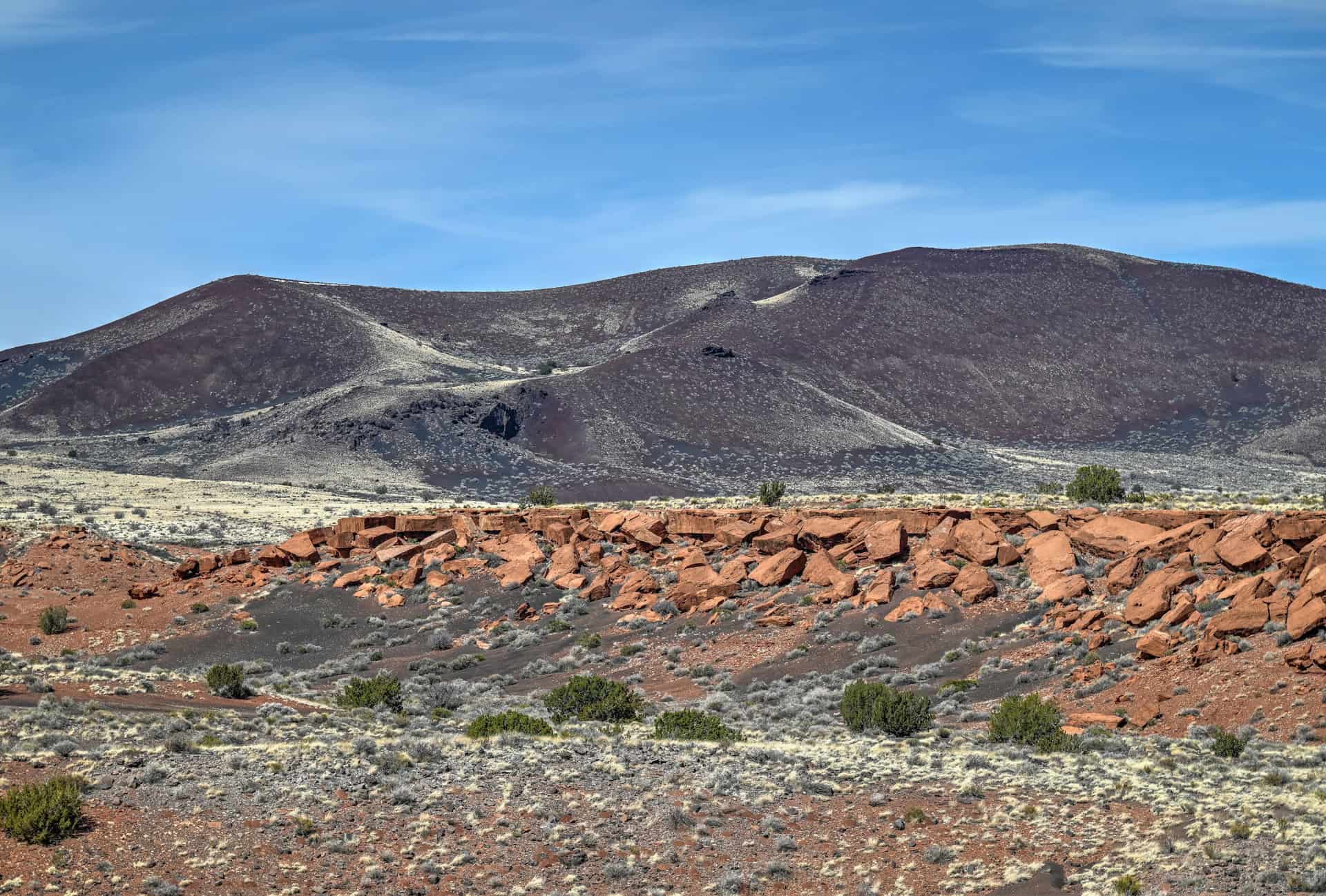
The drive from Sedona to Page is one of the most varied in northern Arizona, transitioning from forested canyon scenery to volcanic landscapes, desert plateaus, and eventually the dramatic cliffs of the Colorado River basin.
While it’s possible to complete the drive quickly via Highway 89A and Highway 89, we strongly recommend taking your time. The most worthwhile stops include Oak Creek Canyon viewpoints and Slide Rock State Park just north of Sedona, followed by the volcanic landscapes of Sunset Crater Volcano National Monument, the ancient ruins at Wupatki National Monument, and viewpoints over the Colorado River at Marble Canyon. The drive naturally concludes at Horseshoe Bend, one of the most iconic viewpoints in the region.


Important to Know
1) Limited fuel stops – Gas stations are frequent between Sedona and Flagstaff, but become much more limited farther north. It’s a good idea to fill up in Flagstaff or at Cameron before continuing toward Page.
2) Time zone changes – Parts of the drive pass through the Navajo Nation, which observes Daylight Saving Time, unlike most of Arizona. As a result, your phone or car clock may shift by an hour along the way. When in doubt, follow local time in Page (Arizona time).
For a full breakdown of stops, detours, and planning tips, see our guide to the best stops between Sedona and Page.
Day 4/5 – Page (1 night)
Page is primarily a base for exploring some of the most recognizable landscapes in northern Arizona, with several major viewpoints and short hikes located within a short driving distance.
Aside from Horseshoe Bend, a dramatic 270-degree curve in the Colorado River that can be reached via a short walk from the parking area, the main highlight is Antelope Canyon, a Navajo-managed slot canyon known for its sculpted sandstone walls and light beams filtering through narrow openings. Both Upper and Lower Antelope Canyon require guided tours, while Antelope Canyon X, also visited via a guided tour, offers a quieter alternative with similar formations.


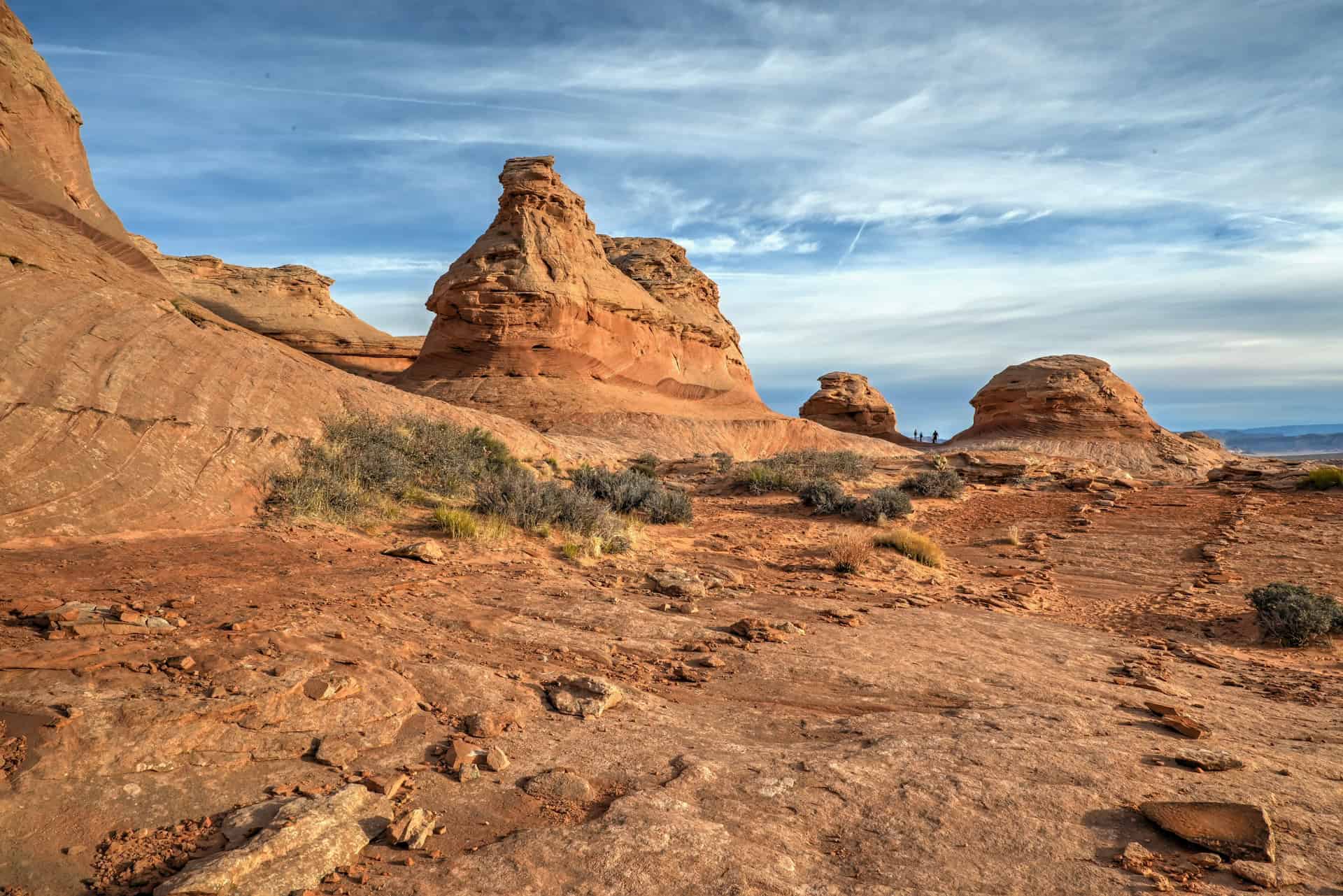
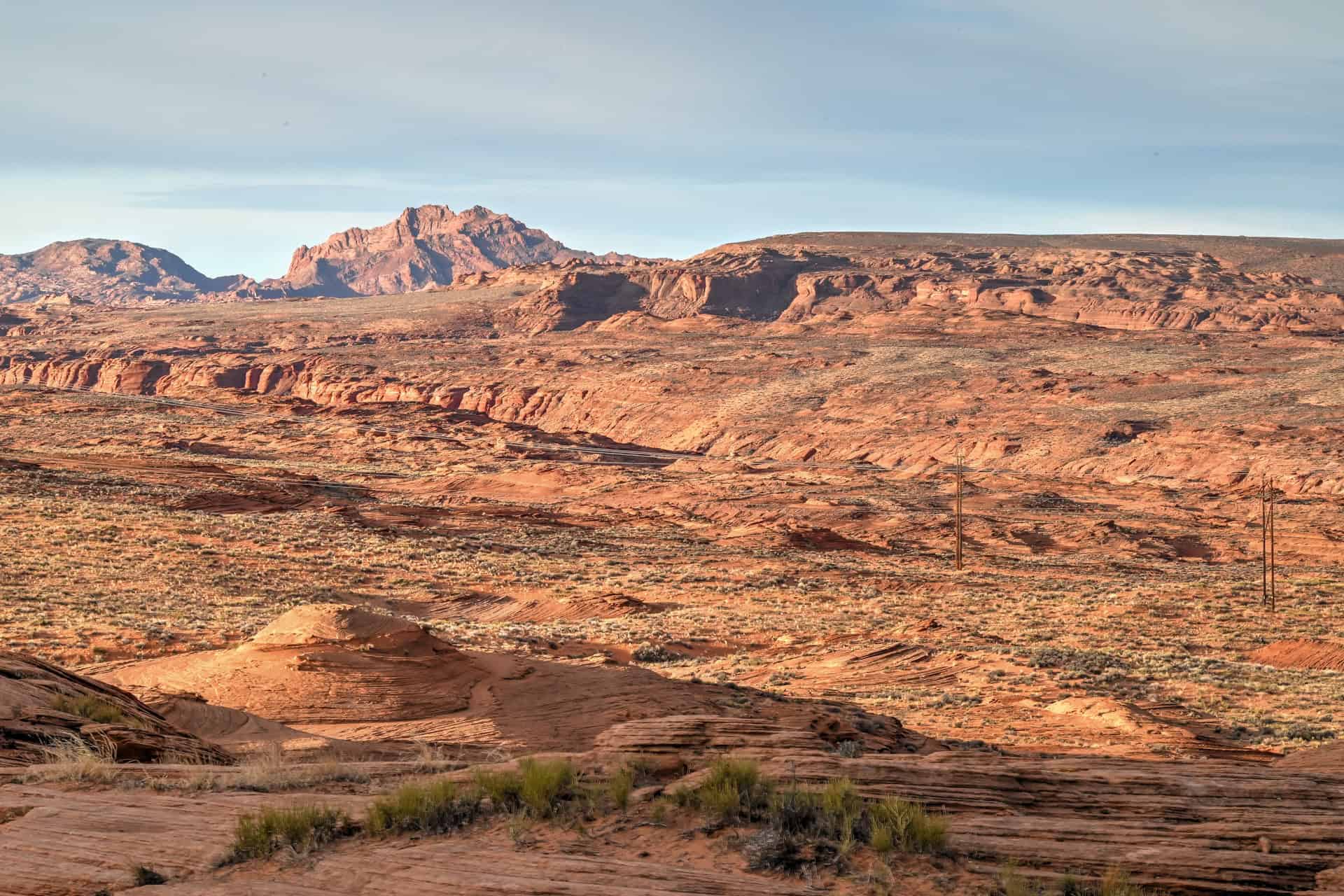
Beyond these two highlights, several viewpoints and short trails are worth considering. Overlooks such as Glen Canyon Dam, Wahweap, and Grandview provide different perspectives over Lake Powell and the surrounding desert. Short hikes like the Beehive Trail (New Wave) and Hanging Garden Trail offer a quieter experience, while nearby Marble Canyon features longer routes following the Colorado River through a more rugged landscape.
Suggested Strategy for Page: Because you only have one night in Page, you won’t have a full day to explore the area, so a bit of planning helps:
–Arrival Day: Focus on Horseshoe Bend and one or two nearby viewpoints (such as Glen Canyon Dam or Wahweap). These are quick to visit and work well in the late afternoon or around sunset.
–Departure Day: Start early with one or both short hikes (the Beehive Trail (New Wave) or Hanging Garden Trail) before the heat builds (both are really short)
–Visit Antelope Canyon on your way out of town. Booking a mid-morning or late-morning tour works well before heading off to Monument Valley.
For a full breakdown of viewpoints, hikes, and planning tips, see our complete Page travel guide.
Day 5 – Drive from Page to Monument Valley
Drive time: 2–2.5 hours
This is one of the few drive segments on this itinerary where we recommend going directly from Page to Monument Valley without major stops.
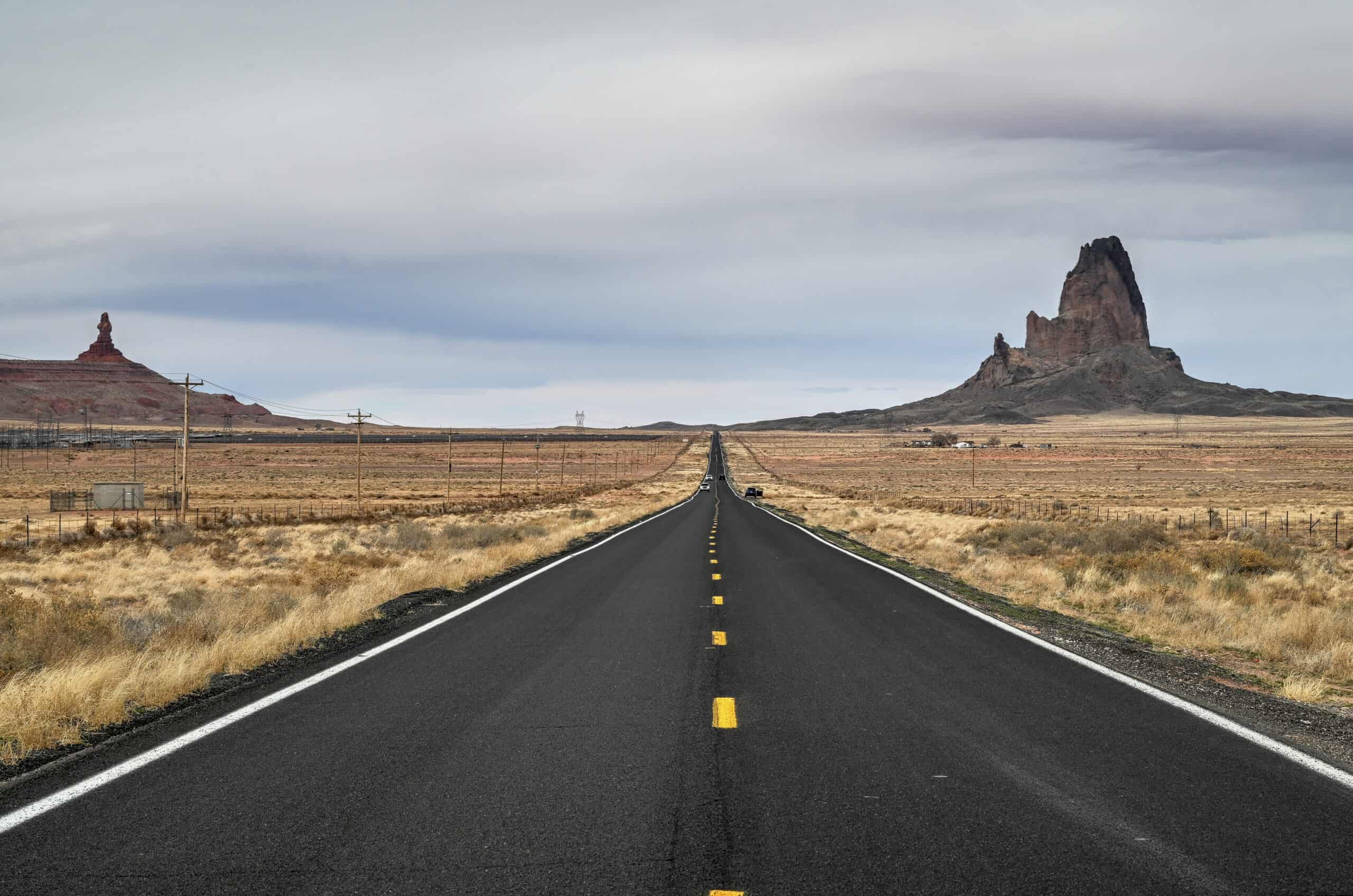
The route is straightforward, and the main highlight is the destination itself. As you approach Monument Valley, the landscape gradually opens up before revealing the iconic sandstone buttes rising from the desert floor, one of the most recognizable scenes in the American Southwest.
Important to Know
1) Limited fuel options – Services are sparse in this part of the Navajo Nation. The nearest gas station is at Goulding’s Lodge, just outside Monument Valley. Otherwise, the closest reliable options are in Mexican Hat (north) or Kayenta (south), both about 30 minutes away. It’s best to arrive with a full tank.
2) Time zone changes – Monument Valley follows Navajo Nation time, which observes daylight saving time. During most of the year (March–November), this means it is one hour ahead of Page. Be mindful of this when planning arrival times or tours.
Day 5–6 – Monument Valley (1 night)
After arriving in Monument Valley, you should still have plenty of time to explore in the late afternoon.
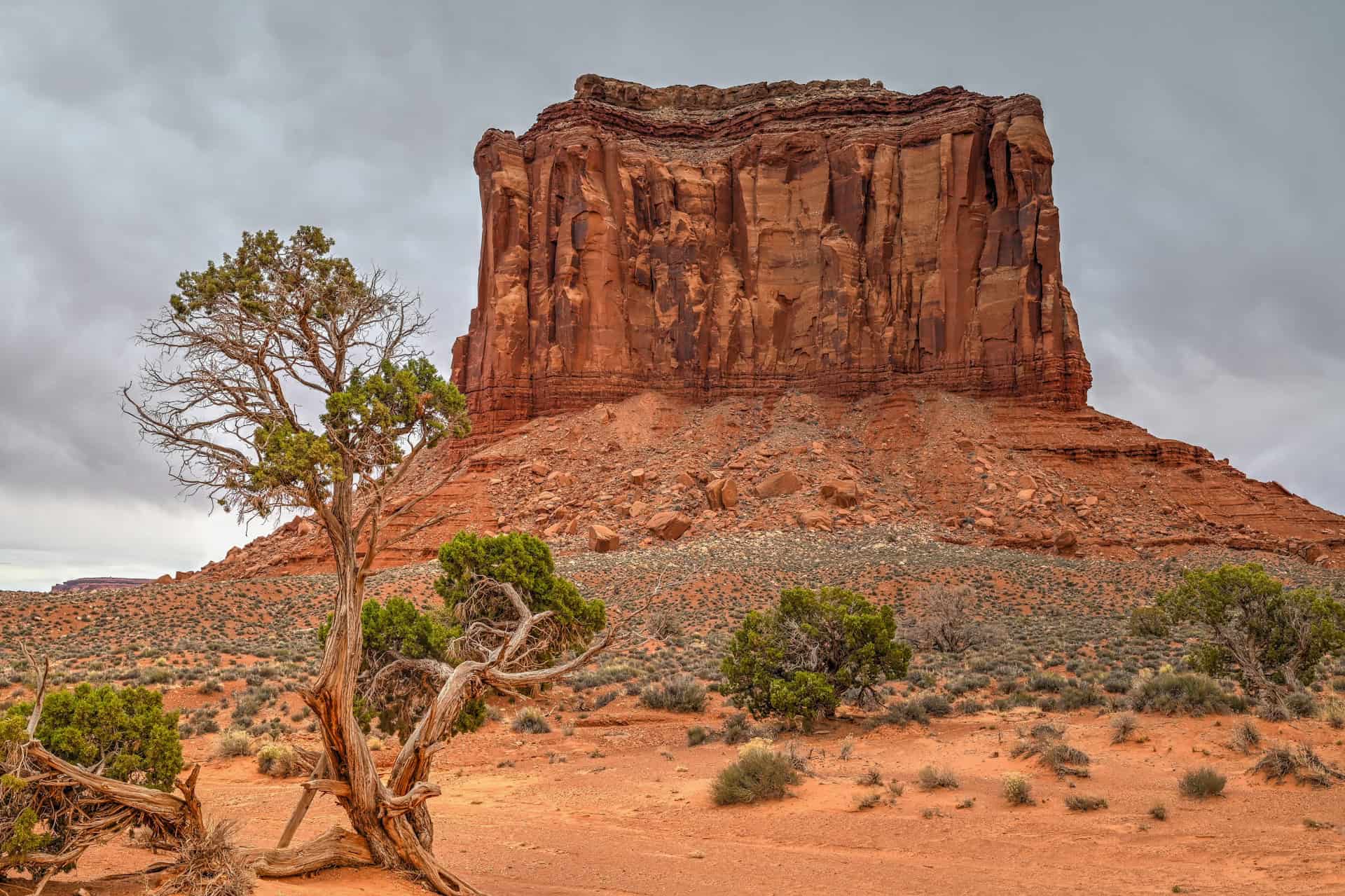
Afternoon: A great option is the Wildcat Trail, one of the only hiking trails in the valley, which loops around West Mitten Butte and offers a more immersive way to experience the landscape on foot.
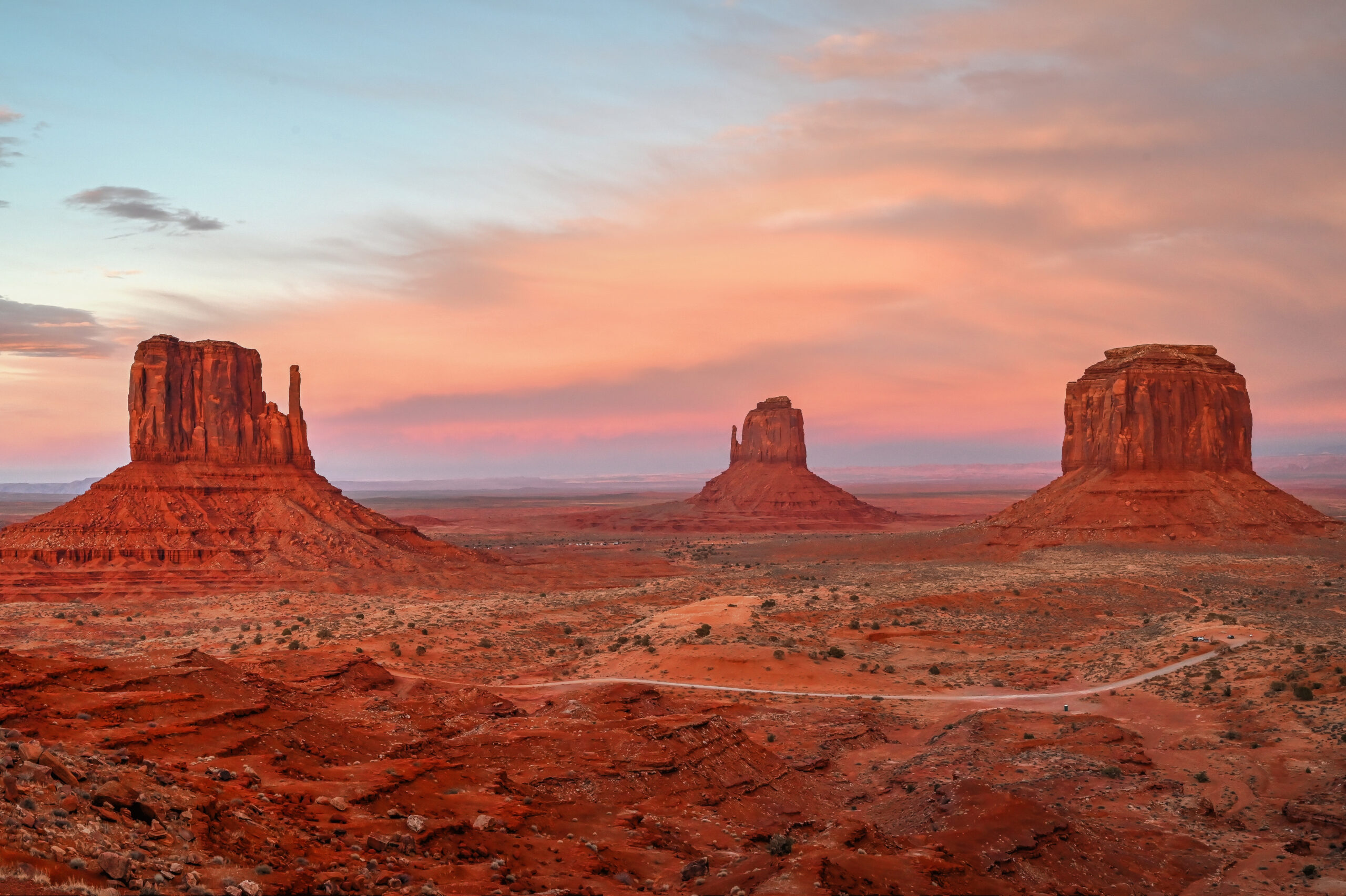
Evening: For sunset, staying at The View Hotel is hard to beat. With the sun setting behind you, the sandstone buttes glow in warm light, creating one of the most memorable scenes of the entire trip.
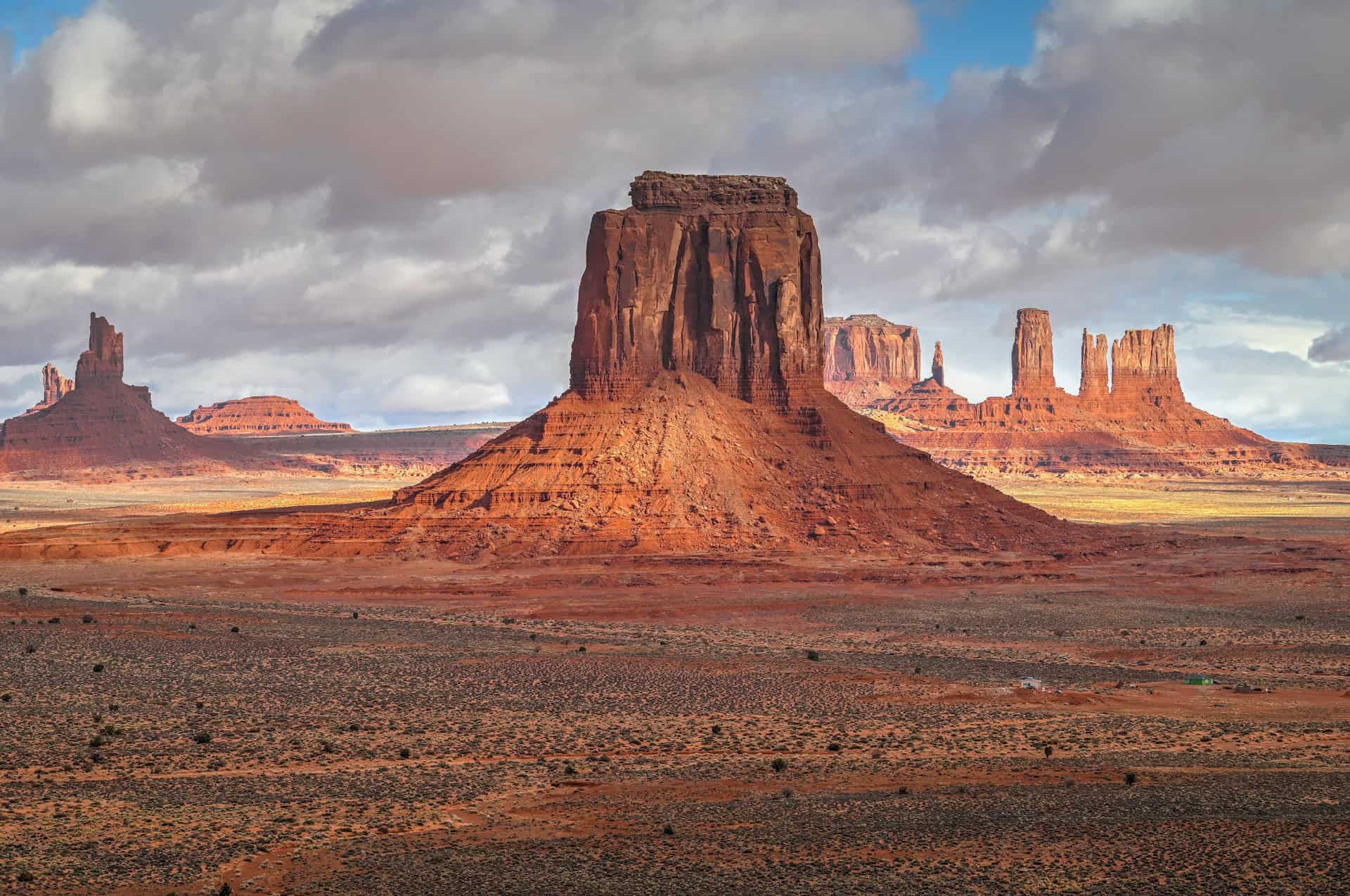
Morning: Before departing, plan to drive the Monument Valley Scenic Drive (also known as the Valley Loop Road). This 17-mile (27 km) unpaved route winds through the heart of the valley, passing iconic formations such as John Ford Point and the Three Sisters. It’s one of the best ways to experience the scale and stillness of Monument Valley, with constantly changing perspectives as you move between the towering buttes and mesas.
For a full breakdown of viewpoints, stops, and driving tips, see our Monument Valley travel guide.
Day 6 – Drive from Monument Valley to Moab
Drive time: 2h30-3h (direct)
With our suggested route & stops: 5h-7h
The drive from Monument Valley to Moab is one of the most scenic in the Southwest, passing through wide desert landscapes, river-carved canyons, and towering red rock formations.
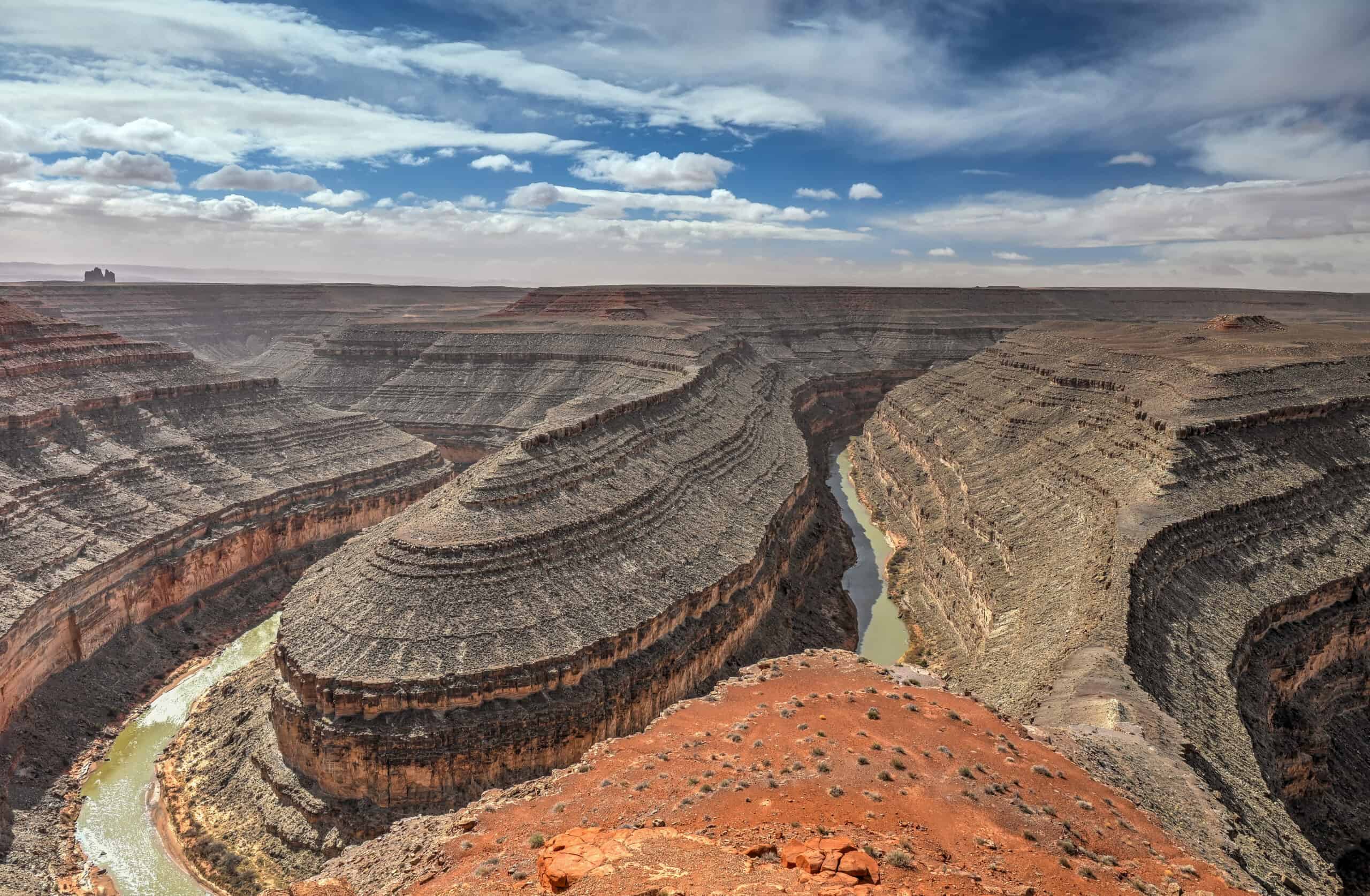
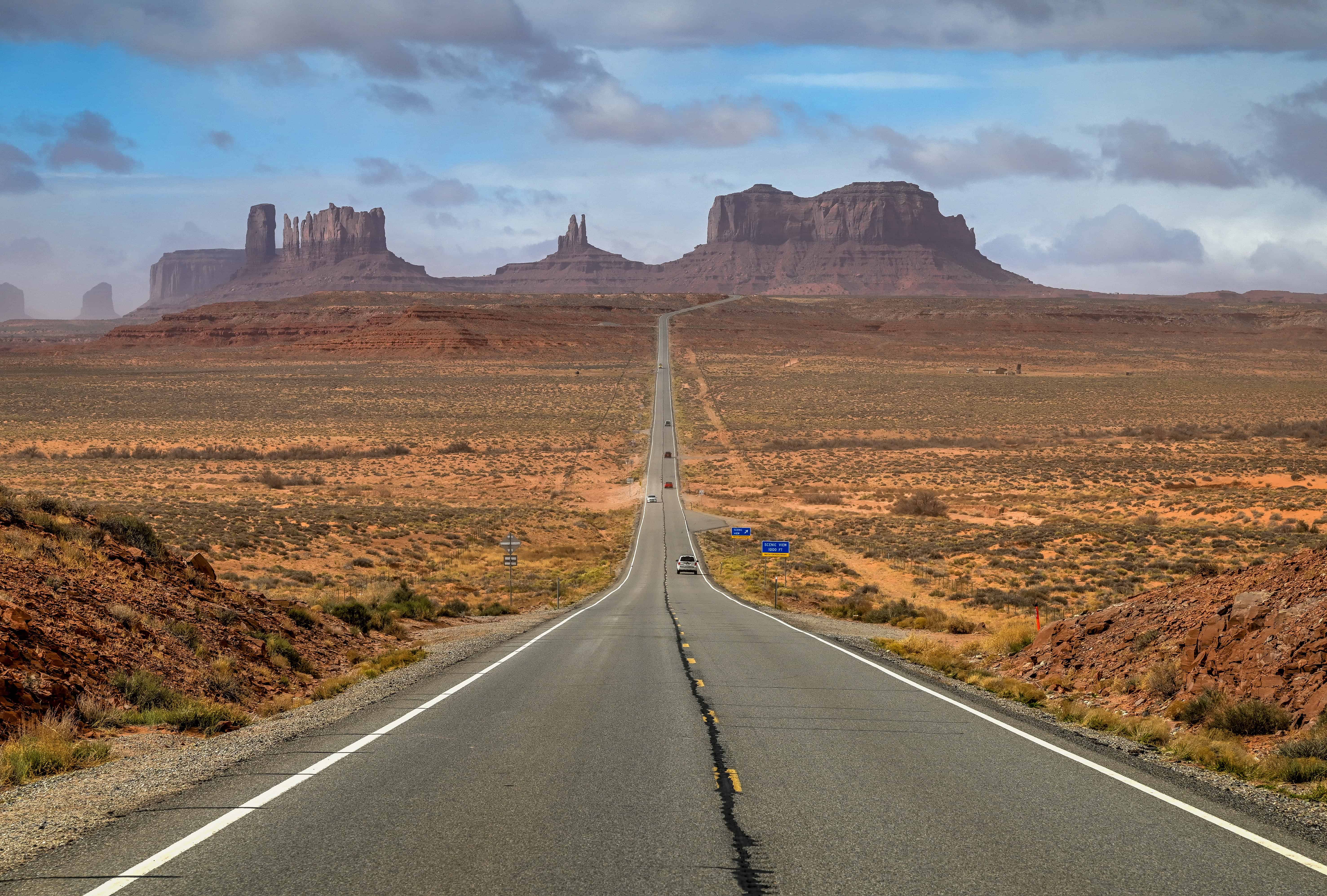
While the route via US-163 and Highway 191 is straightforward, it’s well worth taking your time. Highlights along the way include the iconic Forrest Gump Point, the dramatic river bends at Goosenecks State Park, the historic settlement at Bluff Fort Historic Site, and the roadside stop at Wilson Arch.


Important to Know
1) Limited fuel stops – Gas stations are spaced out along this route. Reliable options include Mexican Hat, Bluff, Blanding, and Monticello. After Monticello, there is a long stretch (about 55 miles / 1 hour) without services before reaching Moab, so plan accordingly.
2) Changing elevation and weather – The route climbs to over 7,000 ft near Monticello before descending into Moab. Conditions can shift quickly, especially outside of summer, with cooler temperatures or even snow at higher elevations.
For a full breakdown of stops, detours, and viewpoints, see our guide to the best stops between Monument Valley and Moab.
Days 6–10 – Moab (4 nights)
Moab is one of the main highlights of this itinerary, with an unusually high concentration of national parks, hikes, and outdoor activities within a short driving distance. From here, you’ll have easy access to Arches National Park and Canyonlands National Park (Island in the Sky), as well as Dead Horse Point State Park and several scenic drives and hiking areas on BLM land, such as the Corona Arch Trail.


With four nights, this is one of the few stops where you’ll have enough time to explore at a more relaxed pace. Most visitors combine a mix of short hikes, viewpoints, and scenic drives across the national parks, along with a few additional experiences outside the parks, such as hikes near the Colorado River or off-road tours. Compared to other stops on this itinerary, Moab offers the most variety and flexibility, making it easy to adapt your days based on weather, energy levels, and interests.


For a full breakdown of hikes, viewpoints, scenic drives, and activities, see our Moab travel guide. We also suggest how to divide your time in Moab, based on your interests and how long you plan to stay in the area.
Day 10 – Drive from Moab to Bryce Canyon
Drive time: 4.5–5 hours (direct via I-70)
With our suggested route & stops: 8–10 hours
While it’s possible to drive quickly between Moab and Bryce Canyon National Park via I-70, we strongly recommend taking the scenic route along Highway 24 and Utah State Route 12, one of the most beautiful drives in the American Southwest.


This route passes through a remarkable variety of landscapes, from red rock canyons and desert plateaus to alpine forests and narrow ridgelines. Highlights include Capitol Reef National Park, the unique formations of Goblin Valley State Park (requires a short detour), and the dramatic ridge known as “The Hogback,” where the road runs along a narrow spine with steep drop-offs on both sides.


Towns like Escalante, Hanksville, and Boulder offer good opportunities to stop for food or a break, while scenic pullouts along Highway 12 provide some of the most memorable views of the entire trip.
Important to Know
Limited fuel stops – Services are sparse along this route. It’s best to fill up in advance and top off whenever possible, particularly in towns like Escalante, Torrey, or Hanksville.
Changing elevation and weather – This drive includes significant elevation changes, with sections reaching over 9,000 ft. Conditions can shift quickly, especially outside of summer, with noticeable temperature differences between high and low points.
For a full breakdown of stops, viewpoints, and short detours along this drive, see our guide to the best stops between Moab and Bryce Canyon National Park.
Days 10–12 – Bryce Canyon (2 nights)
Bryce Canyon National Park is one of the most visually distinctive stops on this itinerary, known for its dense clusters of hoodoos rising from a series of natural amphitheaters.
Most visits center around the Bryce Amphitheater, where viewpoints along the rim provide some of the park’s most iconic perspectives, especially around sunrise and sunset. The scenic drive extends farther into the park, offering additional overlooks with slightly different angles and fewer crowds.


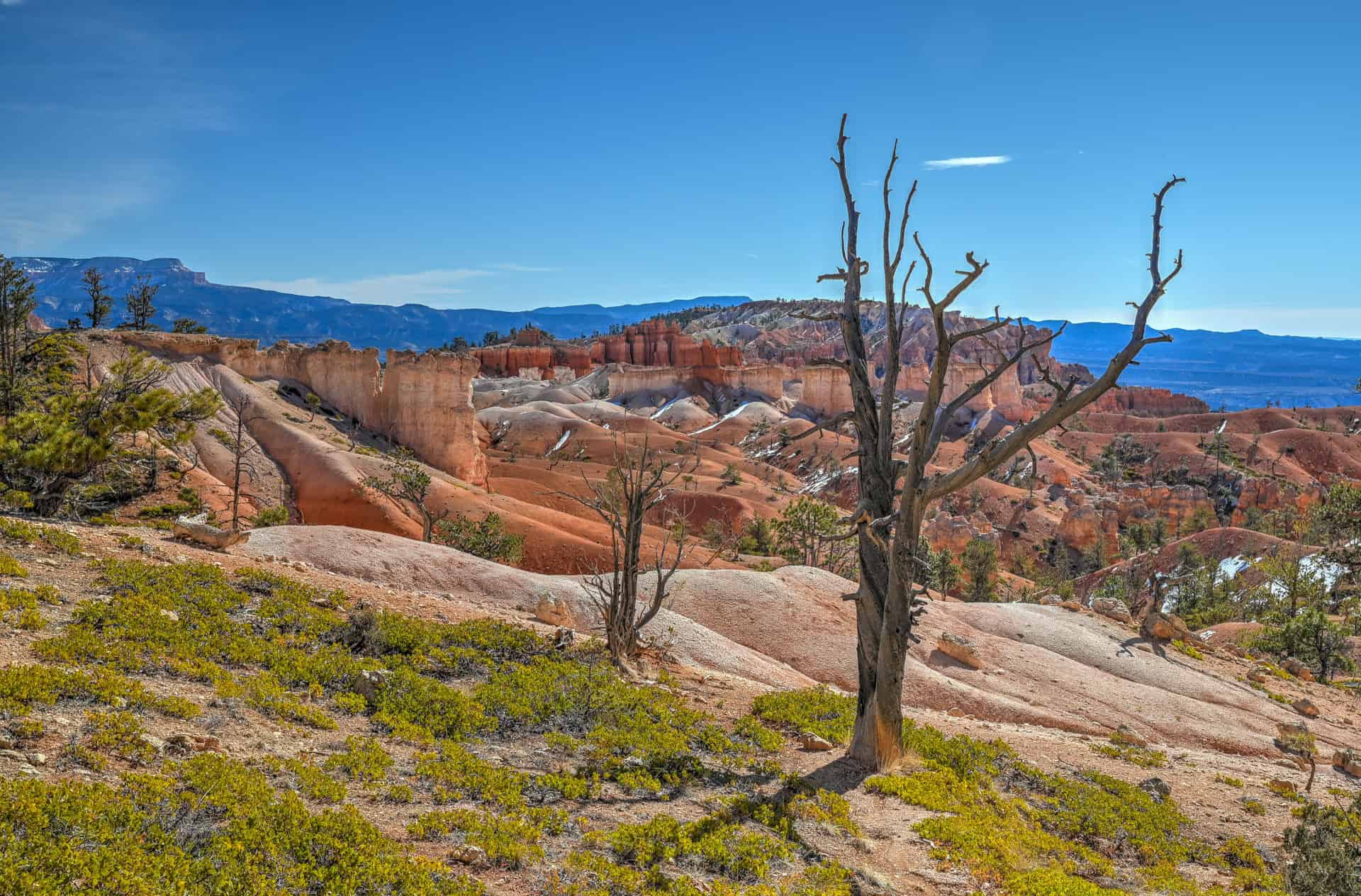
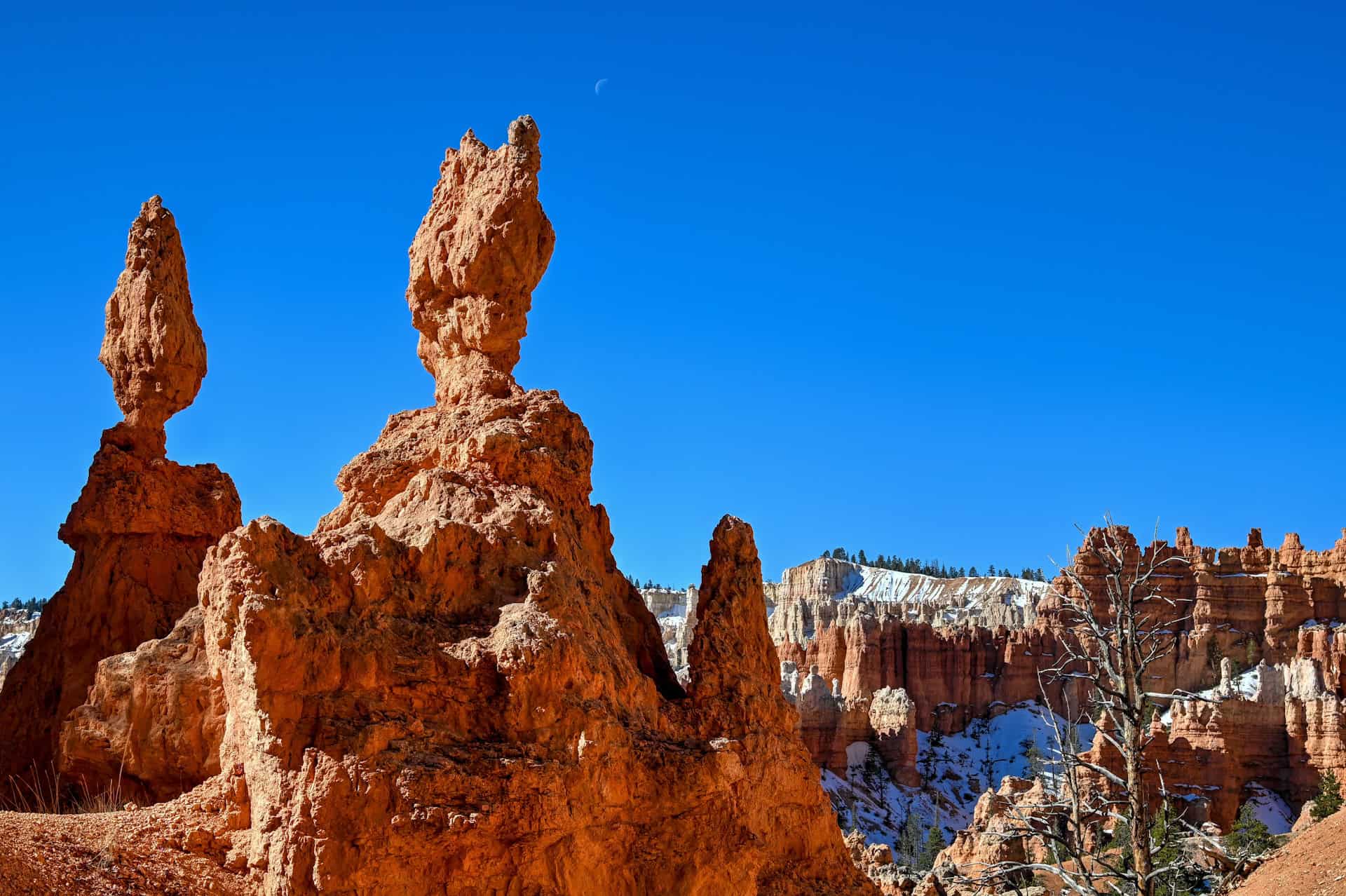
With two nights, you’ll have enough time to combine viewpoints with one or two hikes below the rim. Trails such as the Navajo Loop & Queen’s Garden combination or Tower Bridge offer a more immersive way to experience the hoodoos, allowing you to walk among the formations rather than just viewing them from above.
For a full breakdown of viewpoints, hikes, and planning tips, see our Bryce Canyon travel guide.
Day 12 – Drive from Bryce Canyon to Zion
Drive time: 1h45–2h (direct)
With our suggested route & stops: 3–5 hours recommended
The drive between Bryce Canyon National Park and Zion National Park is one of the shortest on this itinerary, but it still offers several worthwhile stops that are easy to include.
While you can complete the drive quickly via UT-9 and US-89, we recommend allowing extra time. Highlights along the way include the short but high-reward Canyon Overlook Trail in Zion, the rolling dunes at Coral Pink Sand Dunes State Park, the photogenic Moqui Sand Caves near Kanab, and the red cliffs of Red Canyon, which provide a striking preview of Bryce’s hoodoo landscape.


For a full breakdown of stops, detours, and planning tips, see our guide to the best stops between Bryce Canyon National Park and Zion National Park.
Days 12–15 – Zion (3 nights)
Zion National Park is one of the most visited parks in the Southwest, known for its towering sandstone cliffs, narrow canyon walls, and some of the most iconic hikes in the region.
Most visitors focus on Zion Canyon, where a combination of short walks and longer hikes provides access to the park’s main highlights. Trails such as the West Rim (including Angels Landing), Observation Point, and the Narrows offer very different ways to experience the canyon, from elevated viewpoints to hiking directly through the river.


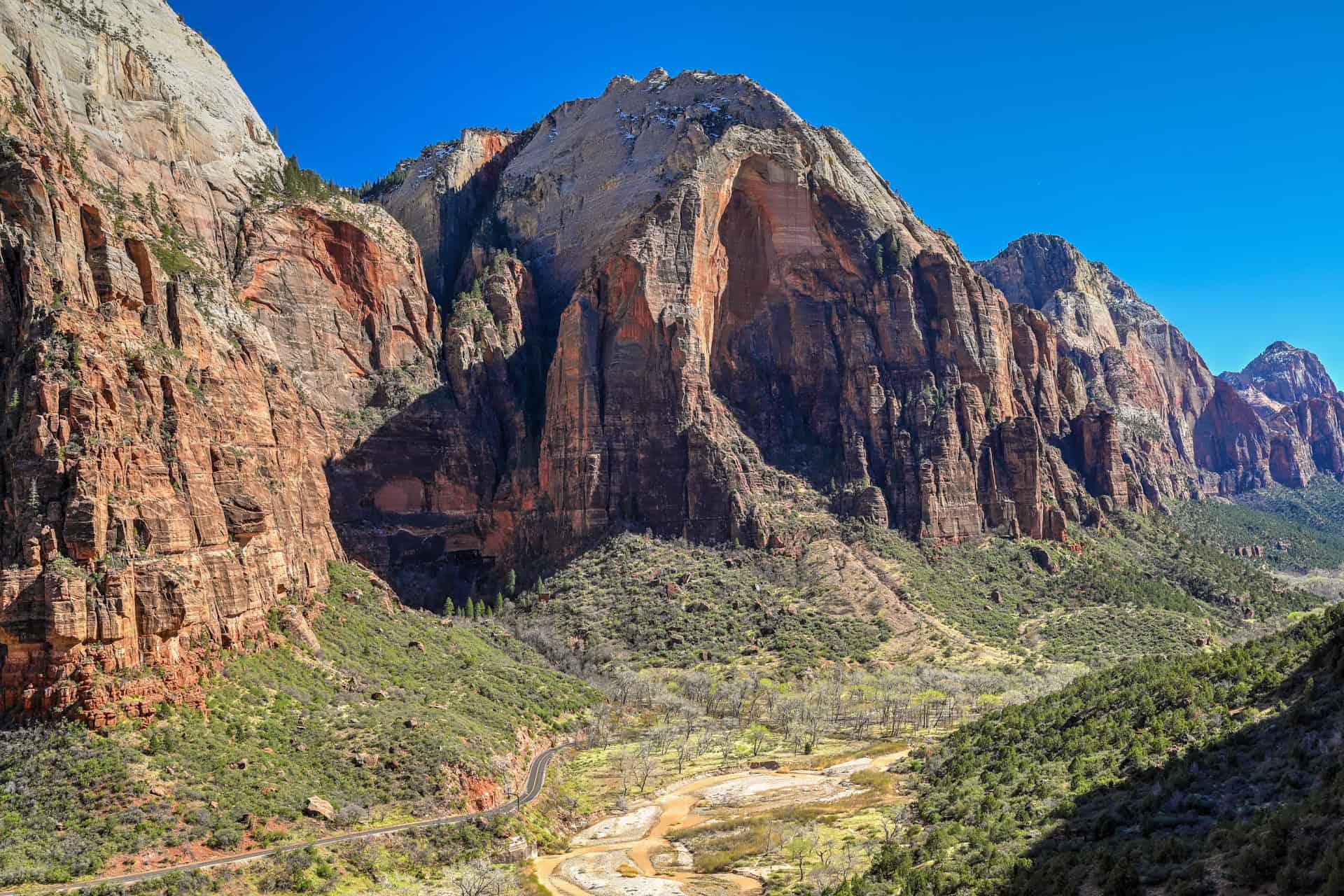
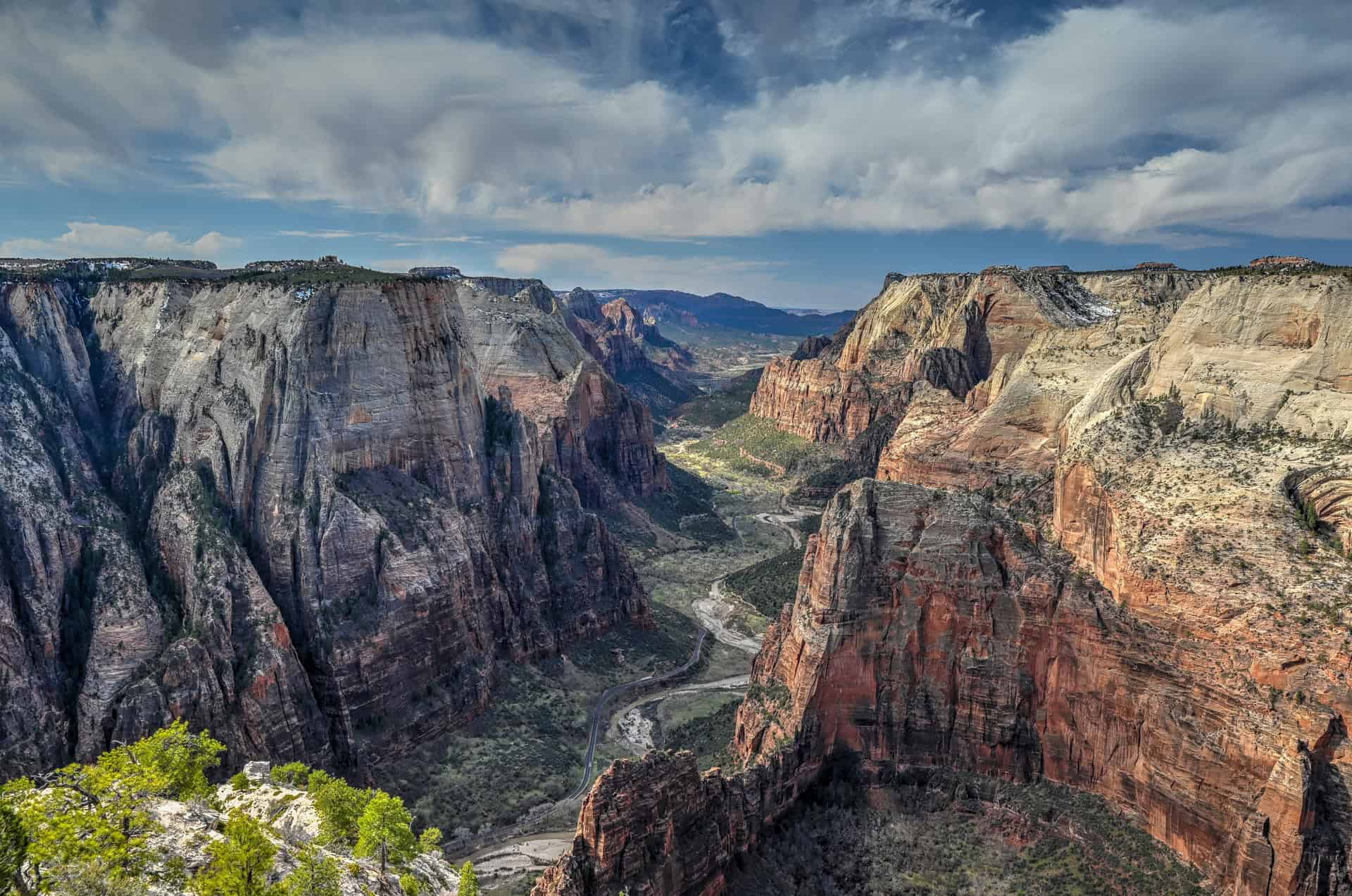
With three nights, you’ll have enough time to explore the canyon at a more relaxed pace, combine a few hikes, and work around shuttle schedules and crowd patterns, which can be an important factor to consider when planning your Zion itinerary.
For a full breakdown of hikes, viewpoints, scenic drives, and activities, see our Zion National Park Guide.
Day 15 – Return to Las Vegas
Drive time: 2.5–3 hours
The drive from Zion National Park to Las Vegas is straightforward and makes for an easy final leg of the trip.
If your schedule allows, especially if you’re planning to spend one final night in Las Vegas before your flight, it’s worth considering a short stop along the way. Both Snow Canyon State Park and Valley of Fire State Park are excellent options that lend themselves well to short visits, offering dramatic desert scenery and short, easy walks that fit well into a half-day visit. You’ll also find the intriguing Grafton Ghost Town just outside Springdale.


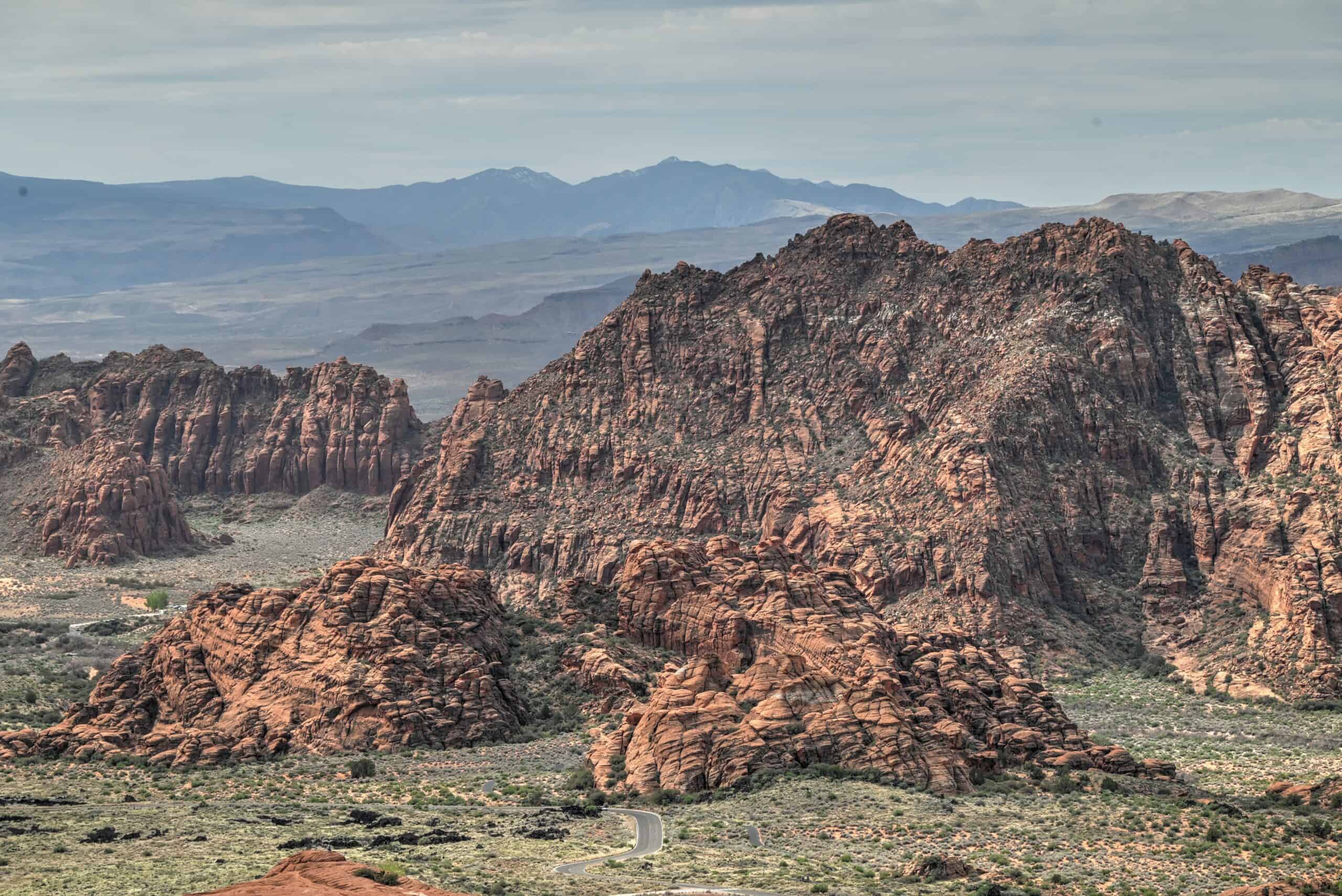
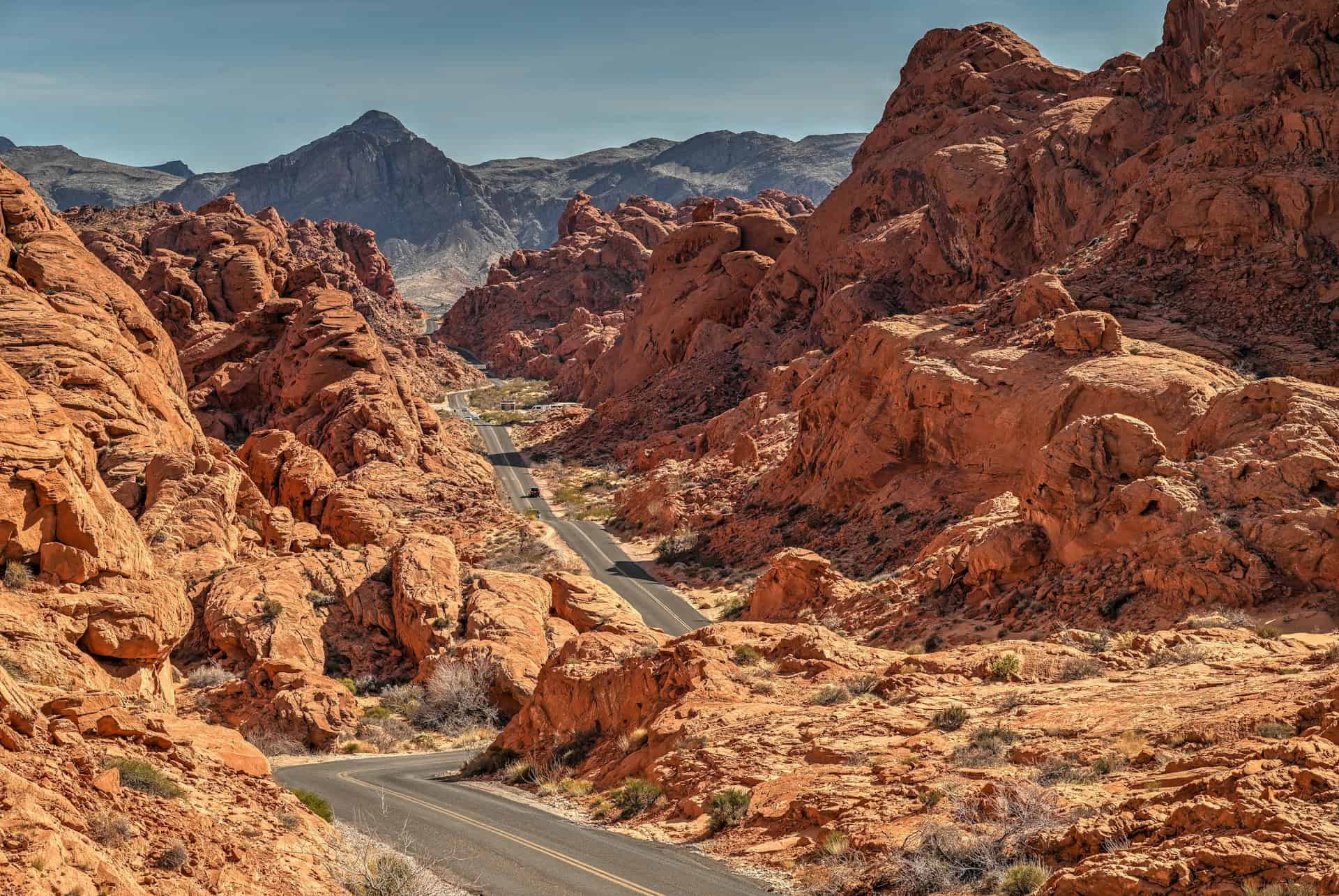
For more ideas, scenic stops, and route planning tips, see our guide to the best stops between Zion National Park and Las Vegas.
How to Adjust This Itinerary (Add or Cut Days)
Not everyone will have a full two weeks for this trip. Below are a few suggested adjustments depending on how much time you have, and where you can add or remove days without breaking the overall flow.
If You Have More Time
Add a night in Sedona
Sedona offers one of the highest concentrations of short, scenic hikes on this itinerary, along with viewpoints, cultural sites, and outdoor activities. An extra day gives you the flexibility to explore at a more relaxed pace.
Add a night in Page
With only one night, Page can feel rushed. An extra day allows you to visit Horseshoe Bend, Antelope Canyon, and the surrounding viewpoints without needing to optimize every hour.
Break up the Moab –> Bryce drive
Adding a night in towns like Hanksville or Escalante turns one of the longest drive days into a more relaxed experience and gives you more time to explore areas like Goblin Valley State Park and Capitol Reef National Park.
Add a night in Zion National Park
Not essential, but helpful. An extra day allows you to better plan around crowds, shuttle timing, and temperature, and makes it easier to fit in more than one major hike.
If You Have Less Time
If you need to shorten the itinerary, here are the easiest places to reduce time:
Cut 1 day
Remove one night from Moab. With three nights, you can still cover the main highlights.
Cut 2–3 days
Skip Sedona and drive directly from Las Vegas to Page (~4.5–5 hours). This keeps the rest of the itinerary intact while saving multiple days.
Cut more than 3 days
Option A – Focus on Utah
Skip Arizona stops and concentrate on Moab, Bryce Canyon National Park, and Zion National Park. This creates a more compact and efficient loop from Las Vegas.
Option B – Shorter loop (Page –> Bryce –> Zion)
Skip Monument Valley and Moab, and build a shorter loop from Las Vegas through Page, Bryce Canyon, and Zion. This version reduces driving distances while still covering several of the region’s most iconic landscapes.
Best Time of Year for This Southwest Road Trip
This itinerary can be done year-round, but conditions vary significantly depending on the season. Because the route spans different elevations, from desert basins to high plateaus, the weather can change noticeably between stops.
Spring (March–May)
Spring is one of the best times to follow this itinerary. Temperatures are generally mild across Arizona and Utah, making it ideal for hiking and exploring.
This is also a busy season, particularly in Zion National Park and Arches National Park, so starting early in the day is often important.
Summer (June–August)
Summer brings very hot temperatures, especially in lower-elevation areas like Page and Monument Valley, where daytime highs frequently exceed 100°F (38°C).
Higher-elevation stops like Bryce Canyon National Park are cooler, but overall, summer requires careful planning. Early morning and late afternoon are the best times for outdoor activities.
Fall (September–November)
Fall is widely considered the best overall time for this road trip. Temperatures are more comfortable, crowds begin to decrease, and conditions are generally stable across the region.
This is an especially good time for longer hikes in places like Moab and Zion National Park.
Winter (December–February)
Winter is the quietest season and can offer a very different experience, with fewer crowds and occasional snow highlighting the red rock landscapes.
However, some areas, particularly around Bryce Canyon National Park and higher-elevation drives, may experience snow or icy conditions, which can affect travel plans.
Quick Summary – When to Go
Spring and fall offer the best overall conditions for this itinerary, with comfortable temperatures and good access to all destinations. Summer can still work with early starts and careful planning, while winter offers fewer crowds but more variable conditions.
Useful Information for Planning Your Trip
National park shuttles – Zion National Park operates a mandatory shuttle system in Zion Canyon for most of the year, meaning private vehicles are not allowed on the main scenic drive during that period. Bryce Canyon National Park also runs a shuttle during peak months, but it is optional, and you can still drive your own vehicle to most viewpoints.
Timed entry (Arches) – Arches National Park previously required timed-entry reservations, but as of 2026, these are no longer in place. You can enter freely, although parking at popular trailheads can still fill early.
America the Beautiful Pass – If you plan to visit multiple national parks (which this itinerary includes), the America the Beautiful pass is almost always worth it. It covers entry to parks like Arches, Canyonlands, Bryce Canyon, and Zion, and typically pays for itself after a few visits.
Where the pass doesn’t apply – The pass does not cover state parks such as Dead Horse Point State Park or Snow Canyon State Park, nor does it apply to Monument Valley, which is managed by the Navajo Nation.
Book key experiences in advance – Some activities require advance planning, especially Antelope Canyon, which is only accessible via guided tours and often sells out days or weeks ahead.
Start early whenever possible – Parking, heat, and crowds are common challenges across this itinerary. Early mornings consistently offer the best conditions, especially in places like Zion, Arches, and Bryce.
Expect limited services in remote areas – Several drive segments pass through sparsely populated regions with limited gas stations and services. It’s a good habit to fill up when you have the chance and carry water, especially in summer.
Photography Gear
If you like our photography, you might be interested in some of the gear we use to shoot our travel and hiking destinations.
Camera Body – Nikon Z 6ii Fx-series Mirrorless Body
Main Lens – NIKON 24-120mm F/4G ED VR AF-S
Zoom Lens – Sigma 745-306 150-600mm f/5-6.3
Polarizing filters – Urth Circular Polarizing (CPL)
Camera Tripod – K&F Concept 64-inch Camera Tripod
Mini-tripod – Lammcou Flexible Camera Tripod
Camera/hiking backpack – Vanguard Alta Rise 48 Backpack
Universal Travel Adapter – VYLEE Universal International Power Travel Plug
Other Travel Essentials
Travel Insurance
SafetyWing is a travel insurance company that offers comprehensive coverage for travellers. Includes Medical Insurance and Travel Insurance. Primarily geared towards long-term travellers, digital nomads, and expats.
e-Sim cards
Airalo is the world’s first and largest eSIM store with eSIM plans for 200+ countries and regions worldwide. With Airalo eSIMs, travellers can get connected the moment they land at their destination and avoid nasty data roaming charges
eSIMS are a sustainable alternative to single-use SIM cards – they are 100% digital, require less energy to produce and be re-used rather than disposed of.
Car Rentals
Discover Cars is our go-to website for car rentals. We almost always find our preferred rate there.
Transfer from Airport
Welcome Pickups is our favourite private transfer service, which you can pre-book at a fixed price. Currently available in 220 cities all over the world (mostly in Europe, but with several major cities in Asia, the Middle East and the US).
Kiwitaxi is another private transfer service – we haven’t tried it yet, but it’s currently available in a few more countries (102 as of 2024).
Hotels and Accommodations (coming soon)
Photography Prints
If you found this blog useful, you can help support our blog by purchasing low-cost digital prints. Printed physical prints are also available for purchase.


—–
Well, that wraps it up! We hope you enjoyed our 2 Week Southwest Road Trip Itinerary (Utah & Arizona from Las Vegas) guide and that it will prove useful for planning your trip.
—–
You might also be interested in these related pages: