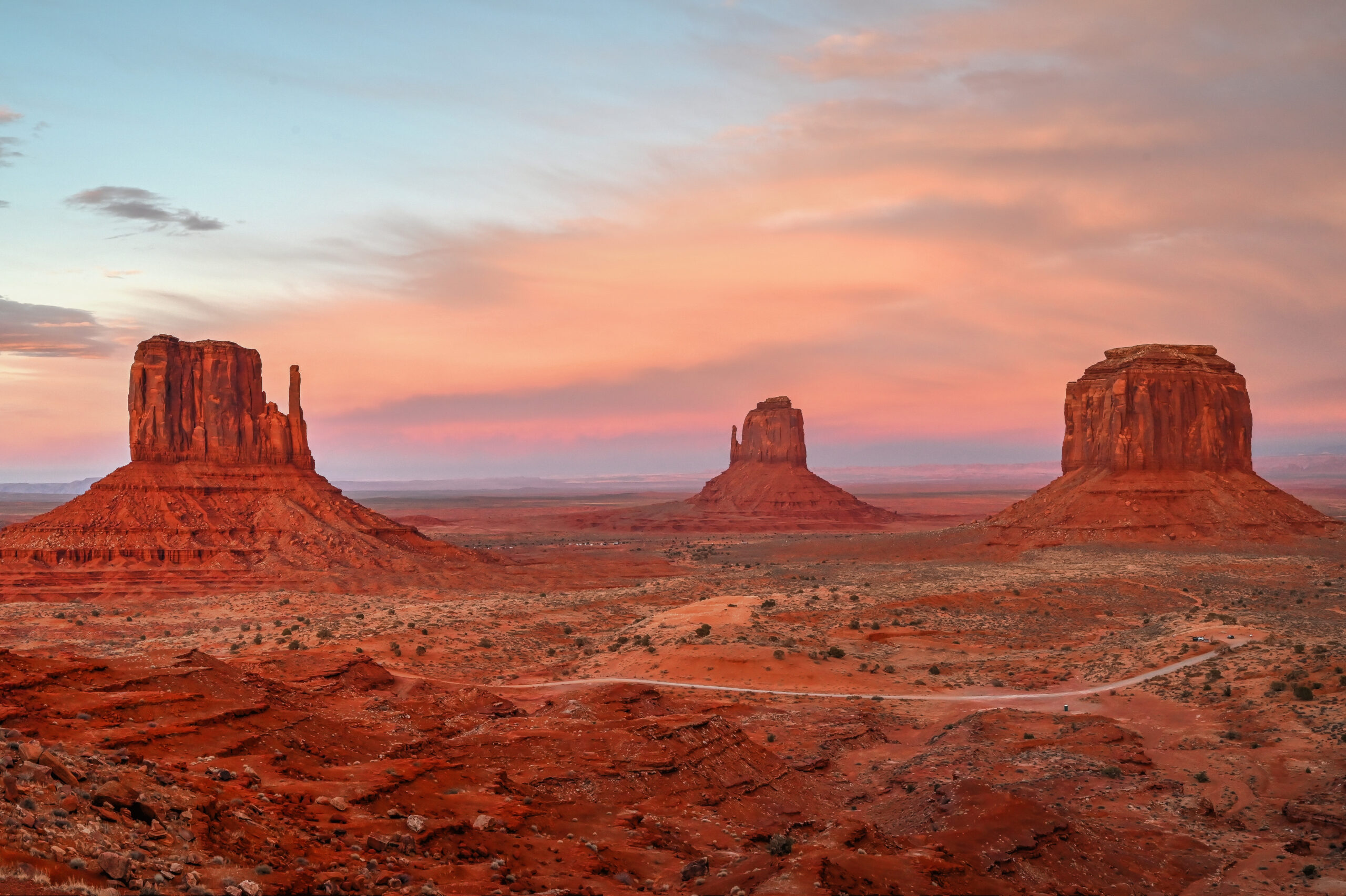
Few landscapes in the American Southwest are as instantly recognizable, or as deeply symbolic, as Monument Valley, where colossal sandstone buttes rise from a vast red desert that straddles the Utah – Arizona border. Managed as part of the Monument Valley Navajo Tribal Park, this sacred land is both a geological wonder and a cultural landmark, long featured in classic Western films and Navajo tradition alike. Whether you’re here to drive the 17-mile Scenic Loop Road, hike the Wildcat Trail, or join a guided Navajo tour into the park’s hidden backcountry, Monument Valley offers an unforgettable glimpse into the timeless beauty of the Colorado Plateau.
To help you plan your adventure, we’ve put together this Monument Valley Travel Guide, covering everything from entry fees and scenic drives to the best viewpoints, tours, and nearby places to stay.
Monument Valley Highlights – At a Glance
Iconic Western Scenery – Towering sandstone buttes and mesas rise dramatically from the desert floor, creating one of the most recognizable landscapes in the world and a symbol of the American West.
The Scenic Loop Drive – A 17-mile (27 km) unpaved road winds past the valley’s most famous landmarks, including the Mittens, Merrick Butte, Totem Pole, and John Ford Point, offering countless photo stops and short walking trails.
Hiking Highlight – The Wildcat Trail, a 4-mile (6.4 km) loop around West Mitten Butte, is the only self-guided hike within the park that descends into the valley floor, and one of the best ways to experience the valley’s silence and scale up close.
Golden Hours & Dark Skies – Monument Valley is most magical at sunrise and sunset, when the light paints the buttes in brilliant reds and golds. After dark, the isolated desert location makes it a premier destination for stargazing and night photography.
Compact but Immersive – Though the main attractions can be explored in half a day, Monument Valley’s vastness, solitude, and cultural depth reward those who linger, whether for a guided tour, an overnight stay, or a quiet evening beneath its timeless skyline.


Disclosure: This page (Monument Valley Travel Guide – Top Things to See, Do) may contain product affiliate links. At no additional cost to you, we may receive a commission for purchases made through these links. More details can be found on our disclosure and policies page.
Monument Valley Scenic Drive – Location and Map
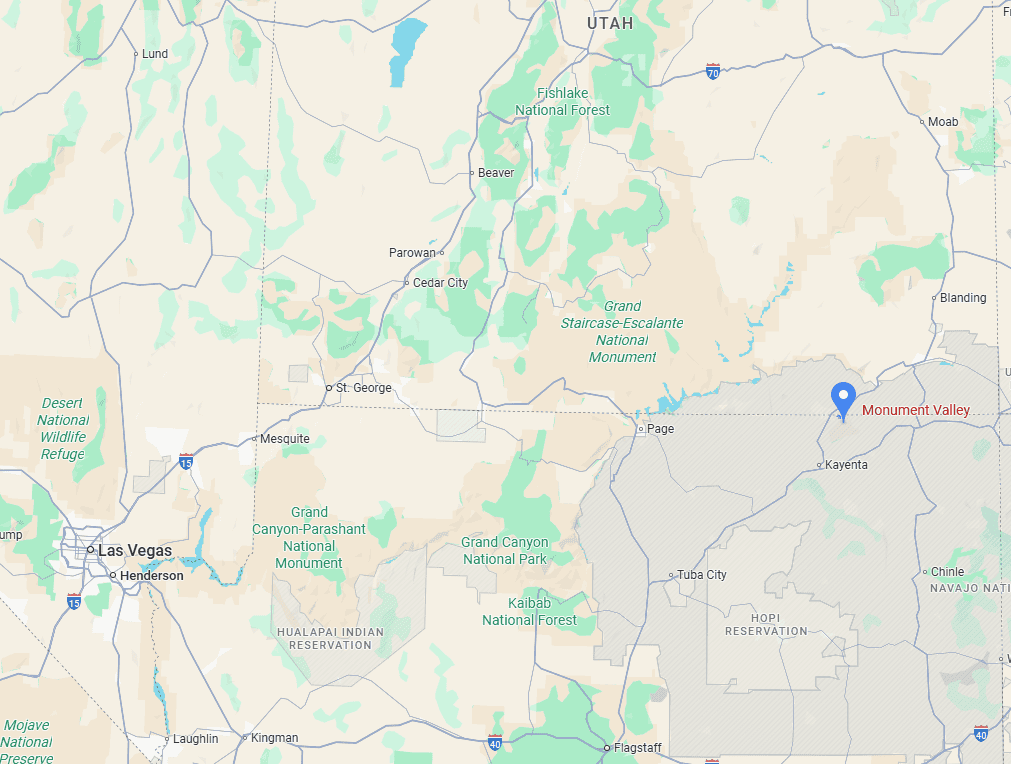
Monument Valley lies on the Arizona–Utah border, within the Monument Valley Navajo Tribal Park, part of the Navajo Nation. The park is centred around a vast red-sand desert basin punctuated by towering sandstone buttes, mesas, and spires that rise up to 1,000 feet (300 m) above the valley floor.
It’s located about 30 minutes north of Kayenta, Arizona, and 30 minutes south of Mexican Hat, Utah, along U.S. Highway 163, one of the most scenic drives in the American Southwest.
How to Get to Monument Valley
The easiest and most practical way to reach Monument Valley is by car, since there is no public transportation to the park.
Driving times to Monument Valley
- Page, AZ: 200 km / 125 mi – about 2 hours
- Moab, UT: 240 km / 150 mi – about 2.5–3 hours
- Flagstaff, AZ: 280 km / 175 mi – about 3 hours
- Las Vegas, NV: 640 km / 400 mi – about 6–6.5 hours
- Salt Lake City, UT: 615 km / 380 mi – about 6–6.5 hours
These times assume good weather and minimal stops.
If you need to book a rental vehicle for your road trip, we highly recommend using Discover Cars to get the best rates on your rental in Utah, Nevada and Arizona.
We also highly recommend Airalo (eSIM card) for your connectivity needs when travelling abroad. Airalo is the world’s first and largest eSIM store with eSIM plans for 200+ countries and regions worldwide.
Nearest Gas Stations
The nearest gas station is Goulding’s Gas Station, located next to Goulding’s Lodge, just across the highway from the Monument Valley Visitor Center, about a 10-minute drive away.
If you’re arriving from the north, the last gas station before Monument Valley is in Mexican Hat, roughly 30 minutes away. If coming from the south, the closest option is in Kayenta, also about 30 minutes away.
Given the remoteness and limited services in this part of the Navajo Nation, it’s best to arrive with a full tank of fuel, as waiting too long could mean fewer options and higher prices.
Time Zone Information
Monument Valley Navajo Tribal Park observes Mountain Time (MT), in alignment with the Navajo Nation.
- Arizona does not observe daylight saving time, while Utah and the Navajo Nation do.
- During daylight saving months (March–November), Monument Valley and Utah are one hour ahead of most of Arizona.
- In the winter months, all three share the same time.
Monument Valley Access, Fees, and Parking
Parking lot: Parking is plentiful. The large main lot serves all Monument Valley Navajo Tribal Park visitors, both day-trippers and hikers, as well as guests staying at The View Hotel. It’s located directly next to the Visitor Center and the starting point for the Scenic Drive and Wildcat Trail.
Facilities: Public restrooms are available inside the Visitor Center, which also houses a small information desk and exhibits about the valley’s history and Navajo culture.
Food: The View Restaurant, adjacent to the Visitor Center, serves breakfast and dinner with panoramic views of the Mittens. For lunch, The View Deli offers sandwiches, snacks, and grab-and-go options, perfect if you’re heading out on a drive or hike.
Hotel: The View Hotel sits next to the Visitor Center and offers rooms, cabins, and premium “View Camp” sites, all facing east toward Monument Valley’s iconic buttes. (See the Where to Stay in Monument Valley section below for more details.)
Campground: The View Campground accommodates both tent campers and RVs, with unbeatable sunrise and sunset views. Basic facilities include restrooms, showers, and picnic tables. Sites can be booked directly through The View Hotel website.
Gift shop: The gift shop inside the Visitor Center features handmade Navajo jewelry, pottery, rugs, and other local crafts, a great place to support local artisans and take home a meaningful souvenir.
Monument Valley Operating Hours
Scenic Valley Road opening Hours:
– Summer (May–September): 7:00 a.m. – 7:00 p.m. (last entry at 4:30 p.m)
– Winter (October–April): 8:00 a.m. – 5:00 p.m. (last entry at 2:30 p.m)
All hikers must be out of the valley by sundown (unless they are part of a guided hiking group).
Hotel and campground guests may arrive after the park’s posted hours as the main gate is staffed only during operating times, but entry to The View Hotel remains open at all hours for registered guests.
Note that both the Scenic Drive and hiking trails may temporarily close during extreme weather events such as heavy rain, flash flood risk, or strong winds, as well as during special park events.
Monument Valley Entrance Fees
All visitors entering Monument Valley Navajo Tribal Park, whether to hike the Wildcat Trail, drive the scenic loop, or simply enjoy the viewpoints, must pay the applicable Navajo Parks and Recreation Department entry fee.
Entrance Fees
$8 per person, per day.
Payment & Passes
Fees are paid upon entry at the Monument Valley Navajo Tribal Park entrance station. Note that U.S. National Park passes (such as the America the Beautiful Pass) are not valid here, as the park is managed by the Navajo Nation, not the National Park Service.
Credit cards are required for the entrance fee at the gate (no cash), and this also applies to other purchases within the park.
As of 2025, online pre-purchase options are available through the official Navajo Parks and Recreation Department website (but cost an additional $1 due to an online fee surcharge), although entry is still controlled at the gate.
Monument Valley – Some Quick Facts
Status: The area is not a U.S. National Park, but a Navajo Tribal Park, managed by the Navajo Nation Parks & Recreation Department. It functions similarly to a national park, with its own entry fees, rules, and visitor facilities.
Established: Officially designated a Navajo Tribal Park in 1958.
Area: Roughly 92,000 acres (372 km²), which, although smaller than most large US National Parks, nonetheless encompasses some of the Southwest’s most photographed sandstone buttes and mesas.
Elevation: Around 5,000–6,000 ft (1,500–1,800 m) above sea level (average of 5,200 ft).
Famous Landmarks: West and East Mitten Buttes, Merrick Butte, Totem Pole, Three Sisters, John Ford Point, and Artist’s Point.
Climate: High-desert climate: hot summers, cold winters, and wide temperature swings between day and night.
Visitor Numbers: Around 400,000–500,000 visitors per year, making it one of the most visited Navajo parks and a major stop along the Southwest’s classic road-trip circuit.
Monument Valley – Why You Should Visit
A Sacred Landscape of Stone – Monument Valley’s towering buttes, mesas, and spires rise dramatically from the desert floor, forming one of the most iconic skylines in the world. Carved over millions of years by wind and water, these red sandstone monoliths, some soaring more than 1,000 feet (300 m) above the valley, capture the essence of the American West. Each formation has its own Navajo name and story, adding a deeper layer of meaning to its striking shapes.
Heart of Navajo Nation Heritage – More than just a natural wonder, Monument Valley is a living cultural landscape. The valley is part of the Navajo Nation, and many Navajo families still live and ranch within the park boundaries. Visitors can experience this rich heritage firsthand through guided tours led by Navajo guides, who share stories, traditions, and perspectives that bring the land to life far beyond what you can see from a vehicle window.
The Iconic Scenic Loop Drive – The park’s 17-mile (27 km) Valley Loop Road is one of the most scenic drives in the world, winding past the Mittens, Merrick Butte, Totem Pole, and countless lesser-known formations. With pullouts, photo stops, and short walking trails along the way, the drive offers easy access to Monument Valley’s most famous viewpoints, all without needing a guide or special vehicle in dry conditions.
Classic Western Legacy – No other place in the Southwest has been immortalized in film quite like Monument Valley. Director John Ford used it as the backdrop for his classic Westerns starring John Wayne, forever linking the valley with Hollywood’s vision of the frontier. Today, many visitors come not only to see the same views captured in films like Stagecoach, The Searchers, and Forrest Gump, but to stand where those cinematic legends once did.
Unmatched Sunrises, Sunsets, and Starry Nights – Light transforms Monument Valley by the hour. At sunrise, the buttes glow in deep crimson hues; at sunset, long shadows stretch across the valley floor, painting the desert in gold and purple tones. After dark, the remoteness of the region offers some of the clearest night skies in the Southwest, perfect for stargazing or night photography.
An Authentic Desert Experience – Whether you’re hiking the Wildcat Trail, joining a guided backcountry Jeep or horseback tour, or simply watching the light shift from The View Hotel, Monument Valley delivers a sense of solitude, scale, and spiritual stillness that few other destinations can match. It’s not just a place to visit, it’s a place to feel.
Compact but Immersive – Though the main attractions can be visited in a short amount of time, Monument Valley’s vastness, solitude, and cultural depth reward those who linger, whether for a guided tour, an overnight stay, or a quiet evening beneath its timeless skyline.
Monument Valley – Main Attractions
The View from the Visitor Center Observation Deck
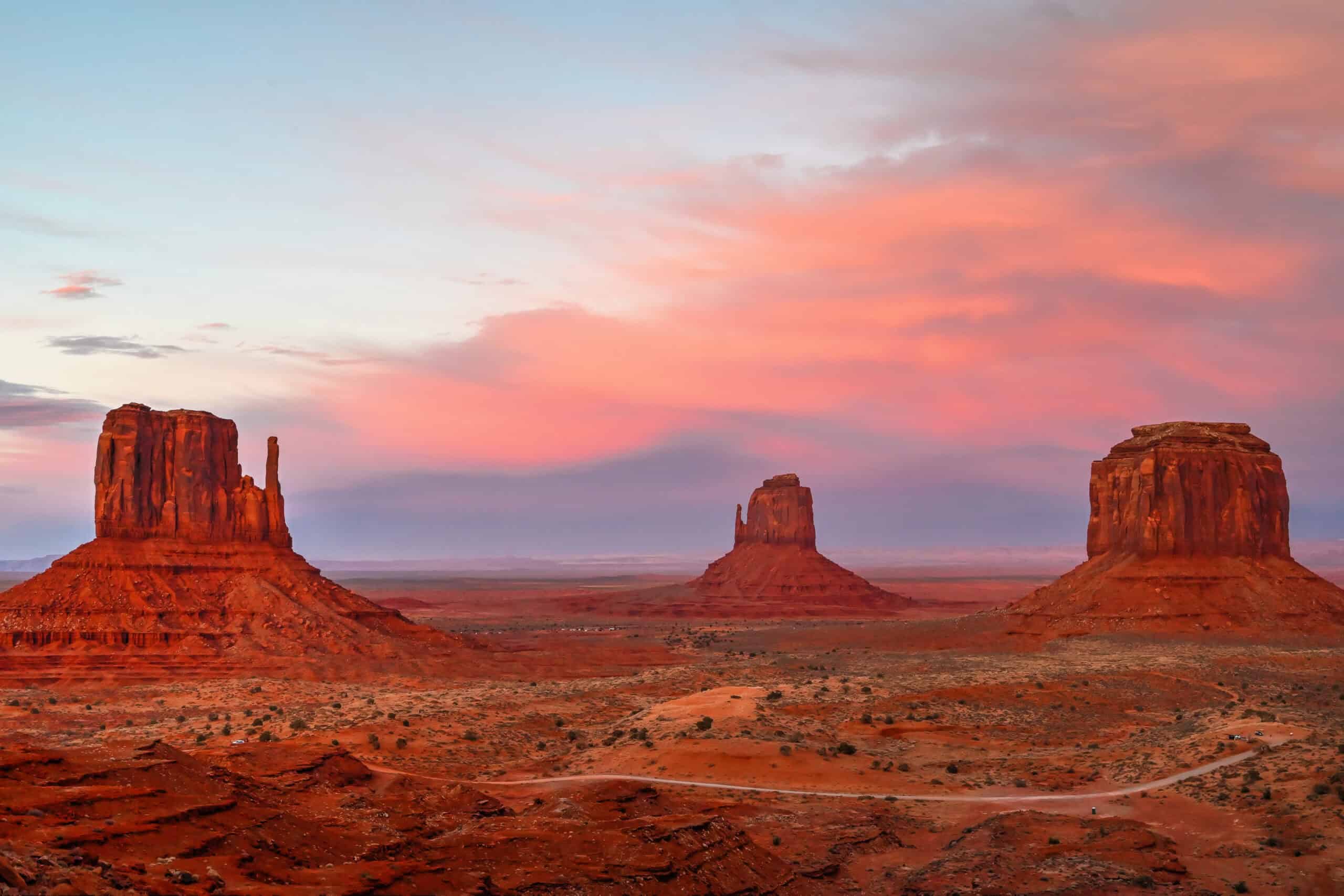
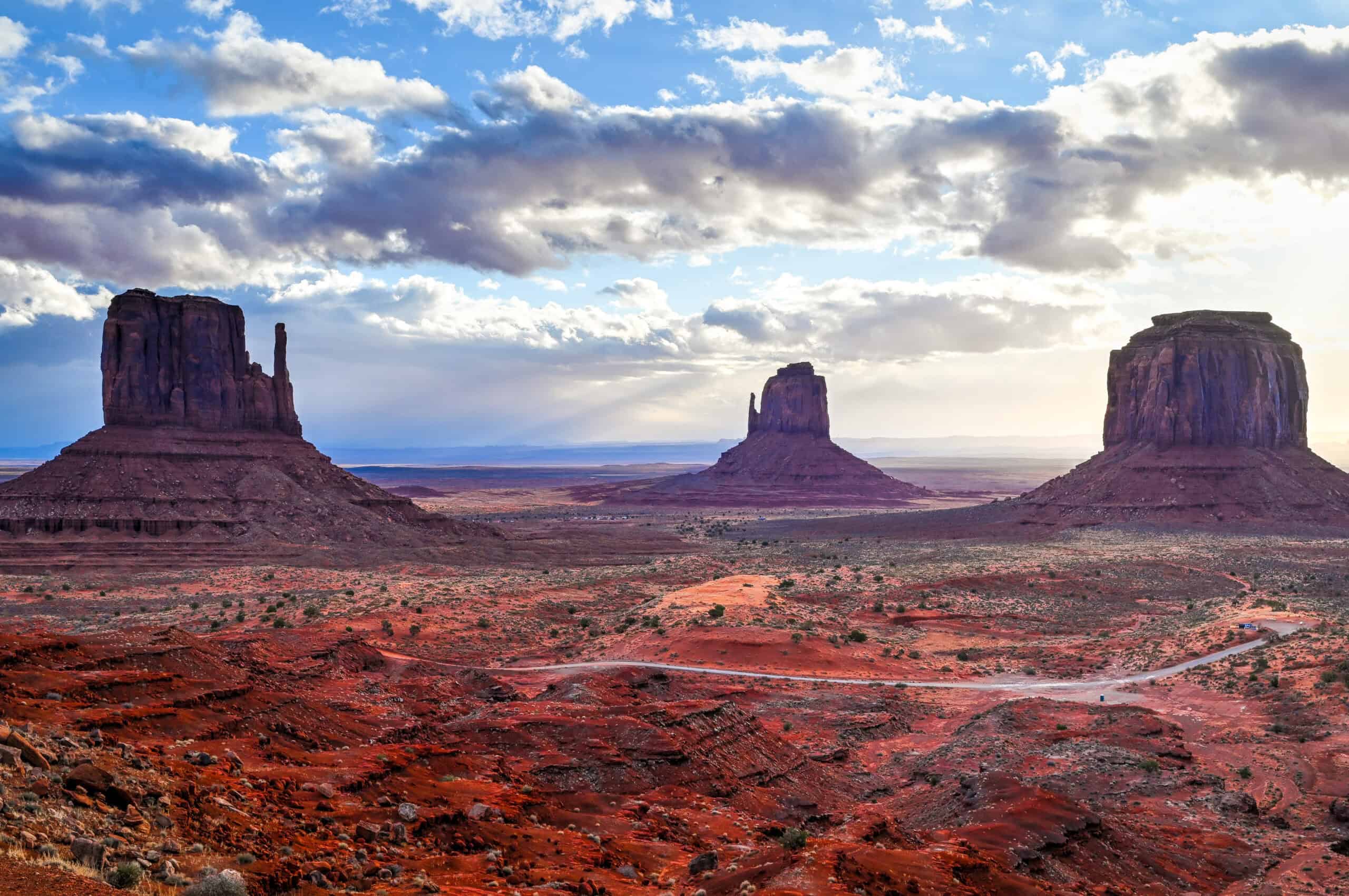
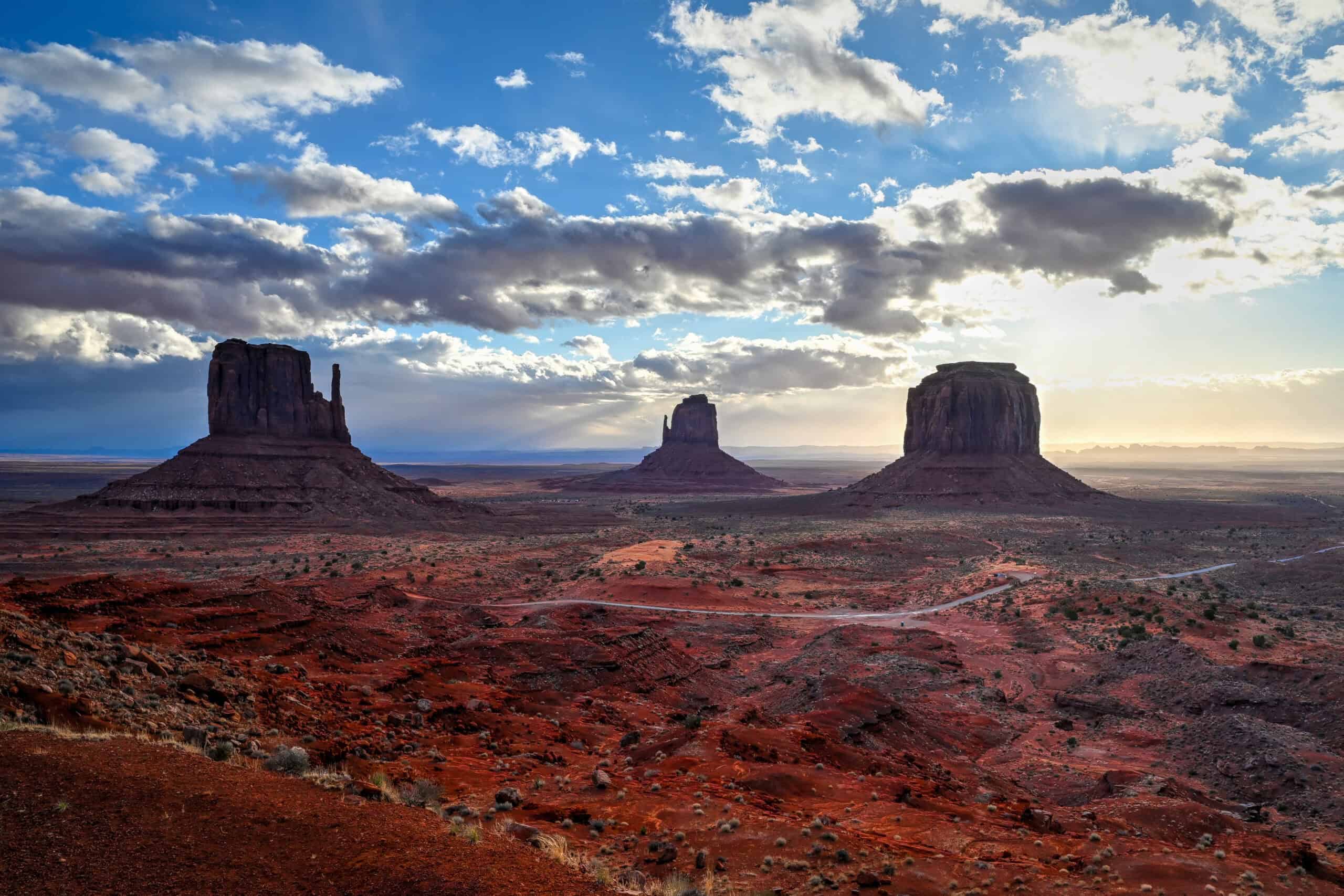
Before you even step onto the valley floor, you’ll be greeted with one of the most iconic vistas in the American Southwest. From the observation deck at The View Hotel and Visitor Center, you can see the legendary trio of buttes, West Mitten, East Mitten, and Merrick Butte, rising from the red desert plain. It’s one of the best photo spots in Monument Valley, especially at sunrise and sunset when the shifting light paints the landscape in gold and crimson.
You can also get slightly different perspectives by walking along the short and flat Rim Walk trail, which connects the visitor center to the Wildcat trailhead.


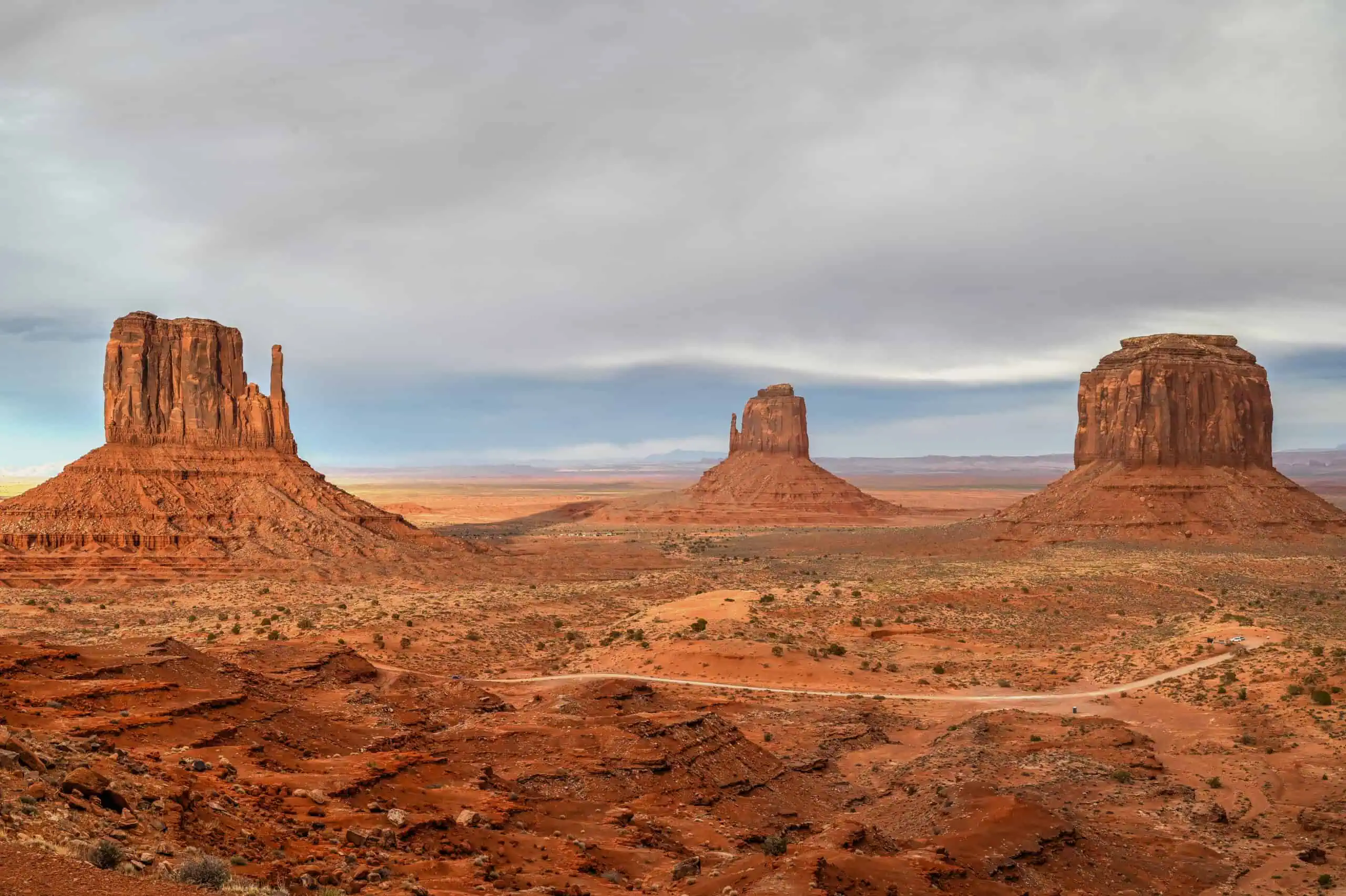
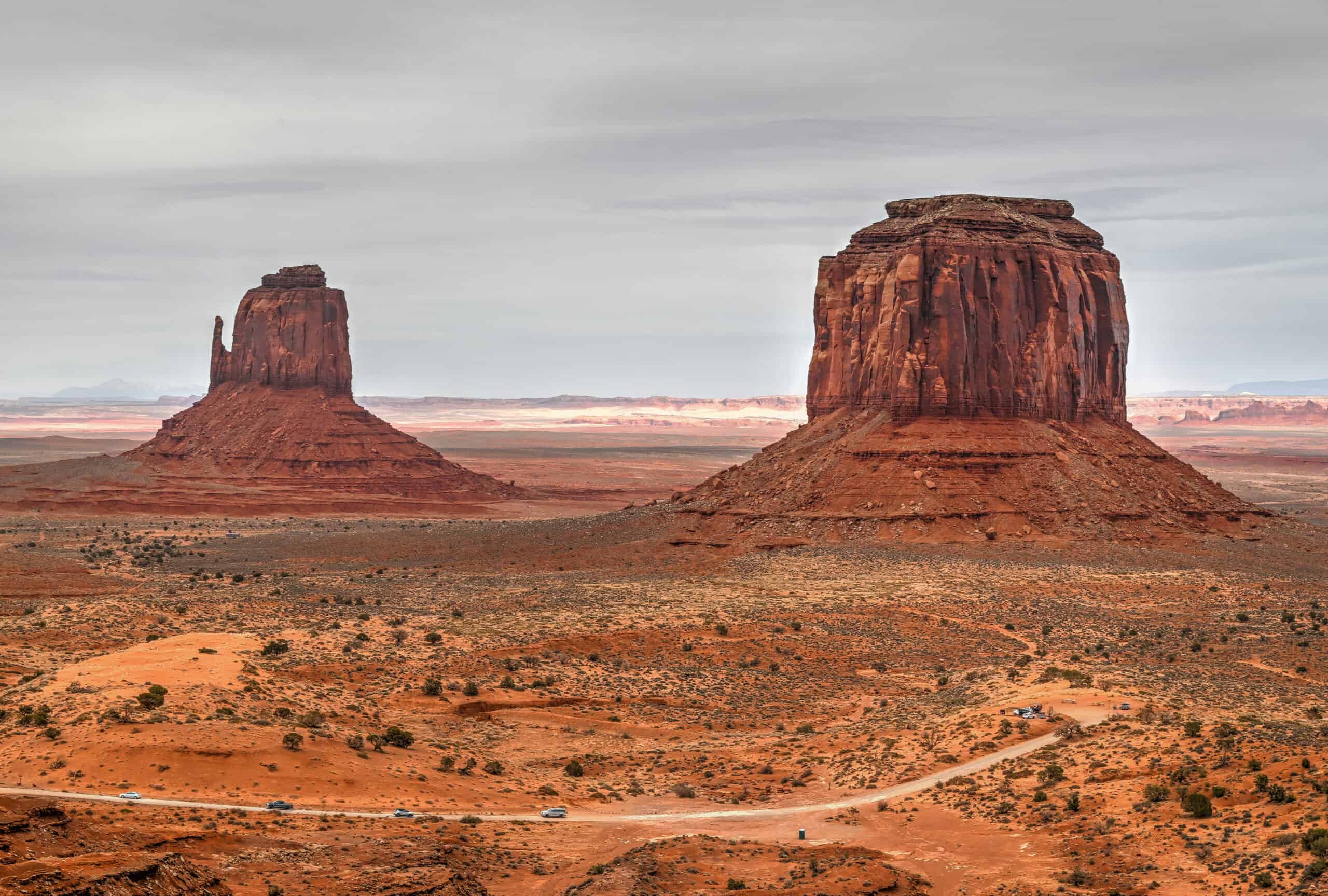
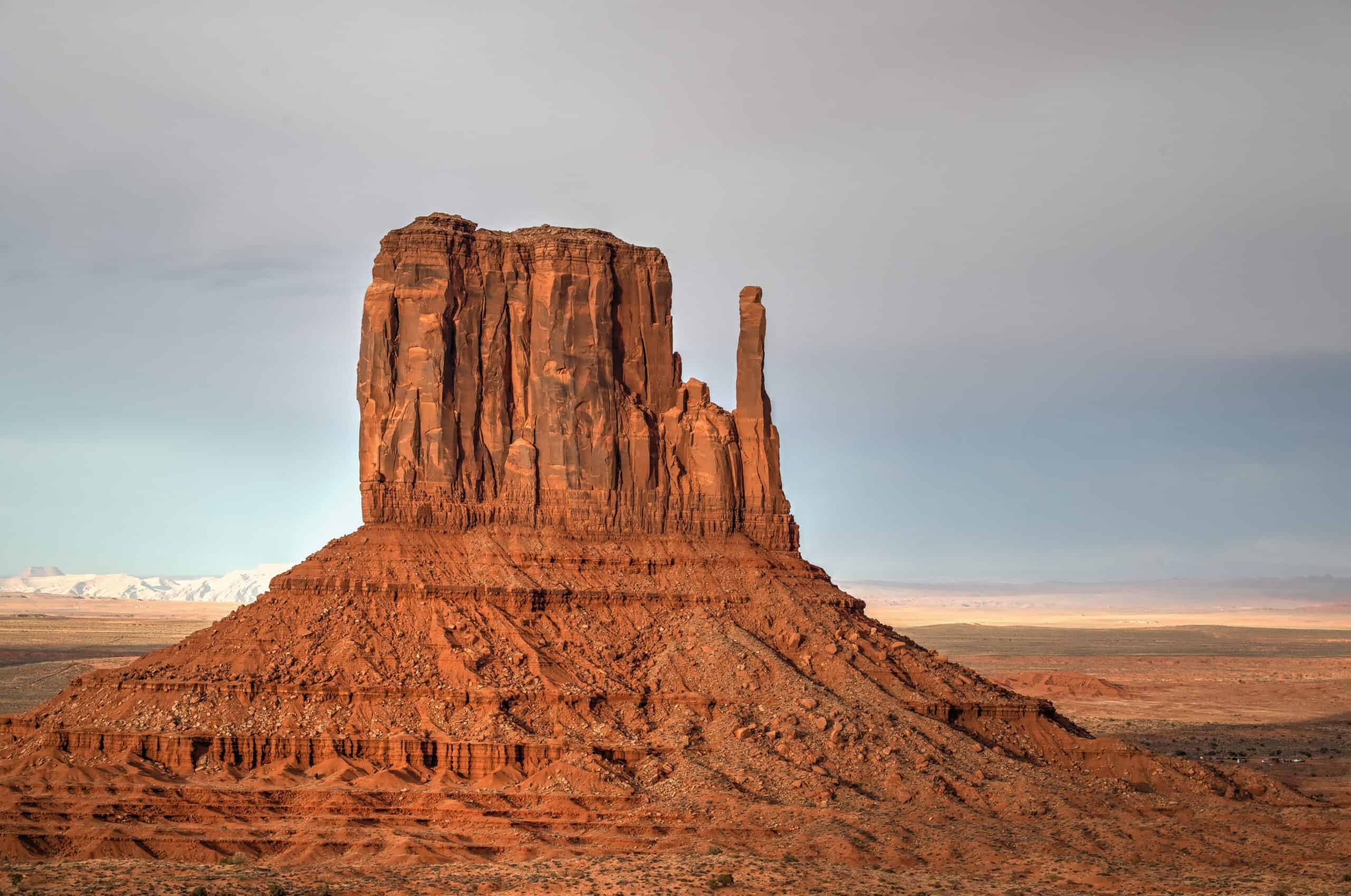
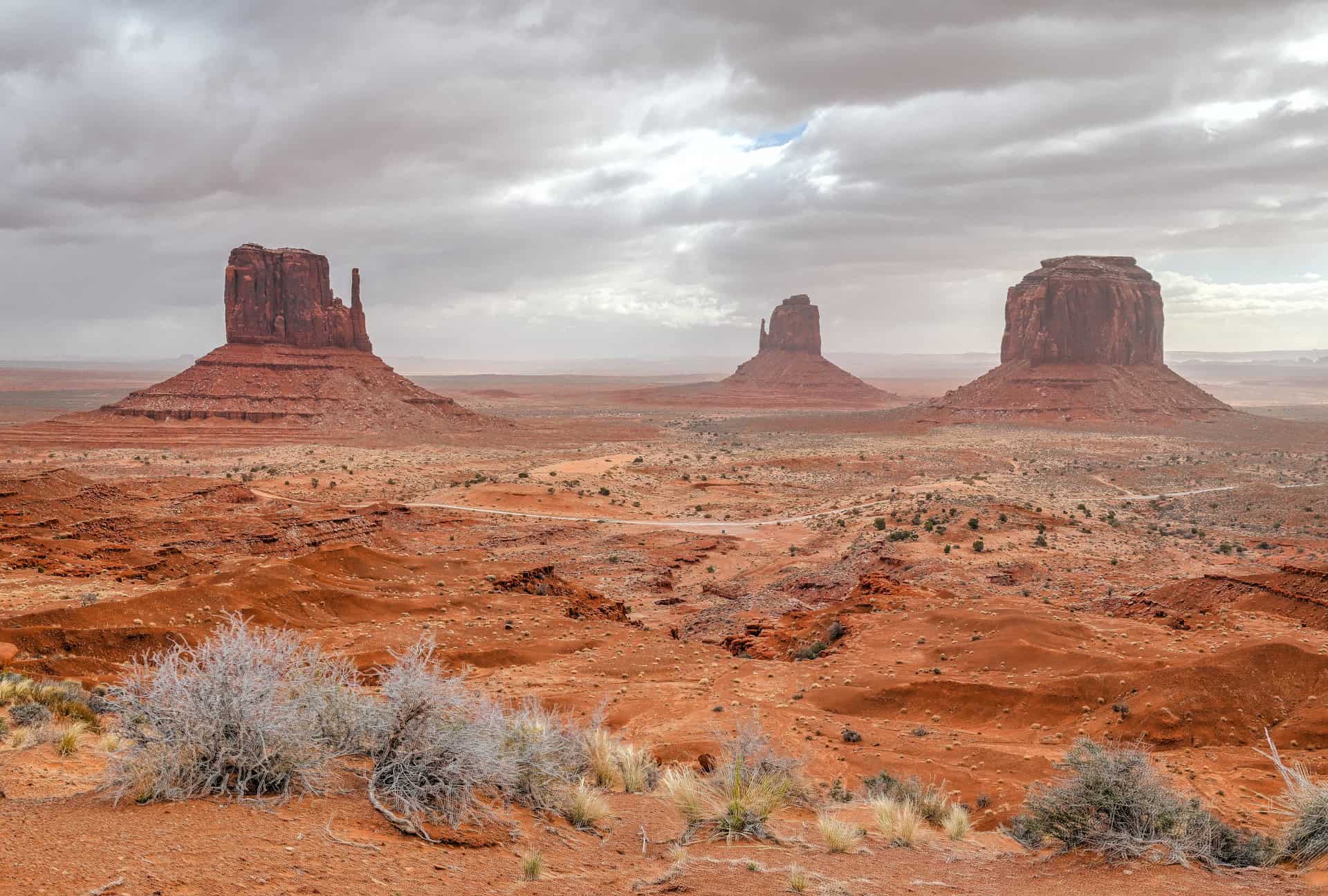
The road you see running along the valley floor is part of the scenic valley loop road, described next.
The Scenic Drive (Valley Loop Road)
The 17-mile self-guided Valley Loop Drive winds among towering monoliths like Elephant Butte, the Three Sisters, and Totem Pole. The unpaved road can be rough in sections, but is typically passable in dry conditions for most vehicles. With numerous signed pullouts and short spur trails, this drive is the most accessible way to experience Monument Valley’s heartland at your own pace.


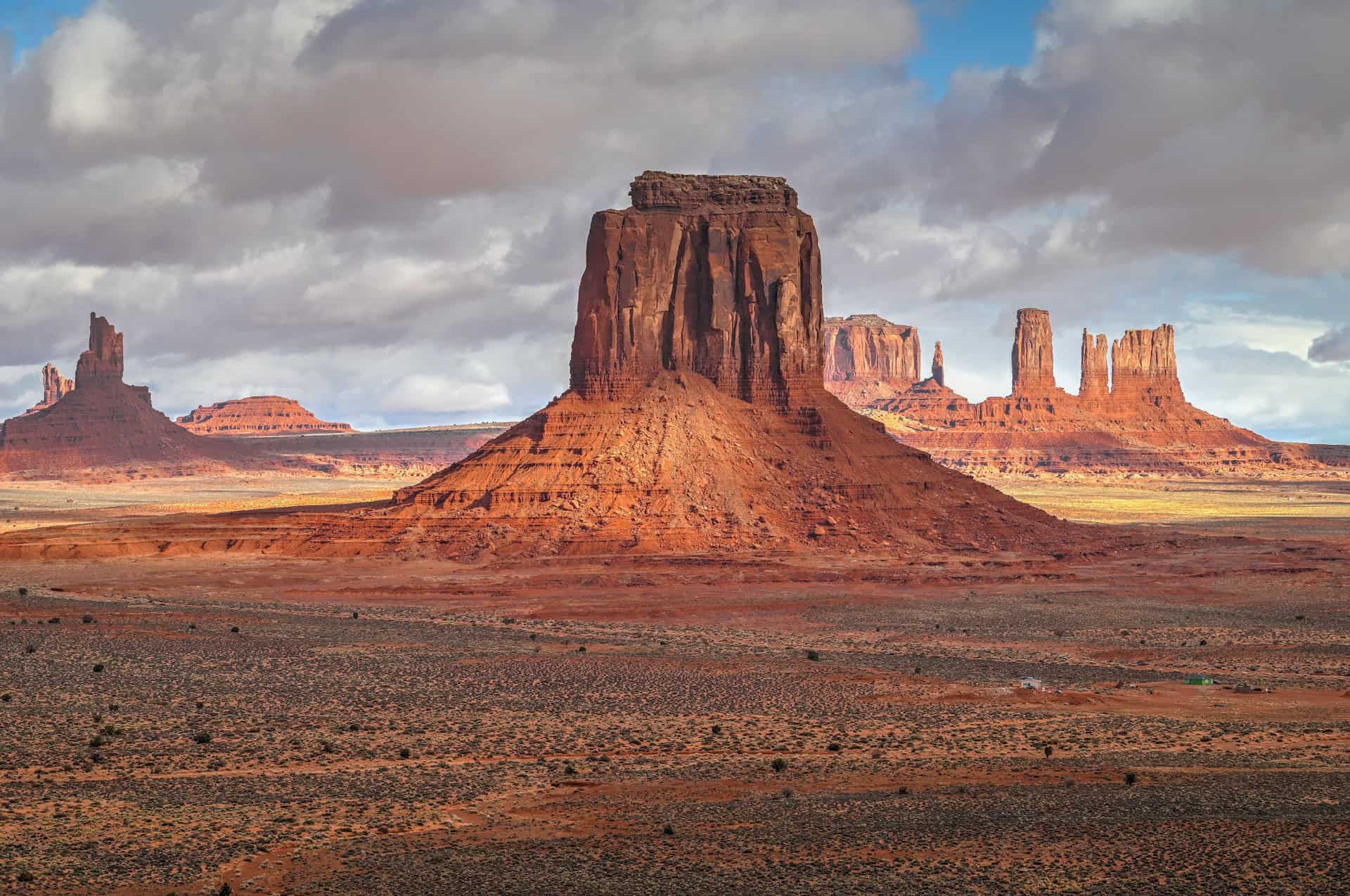
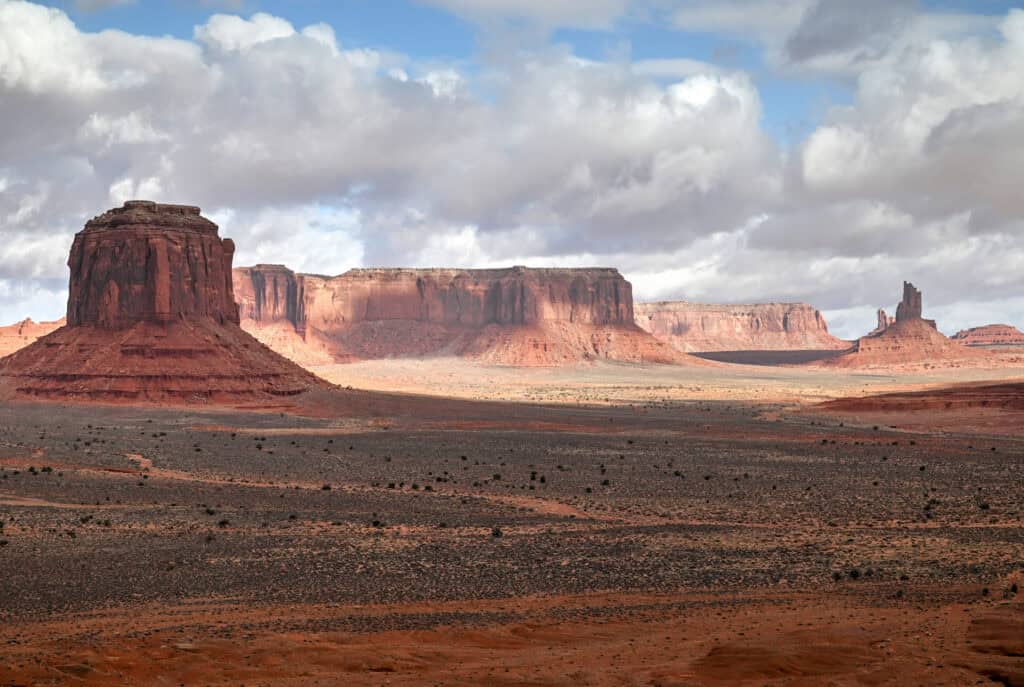
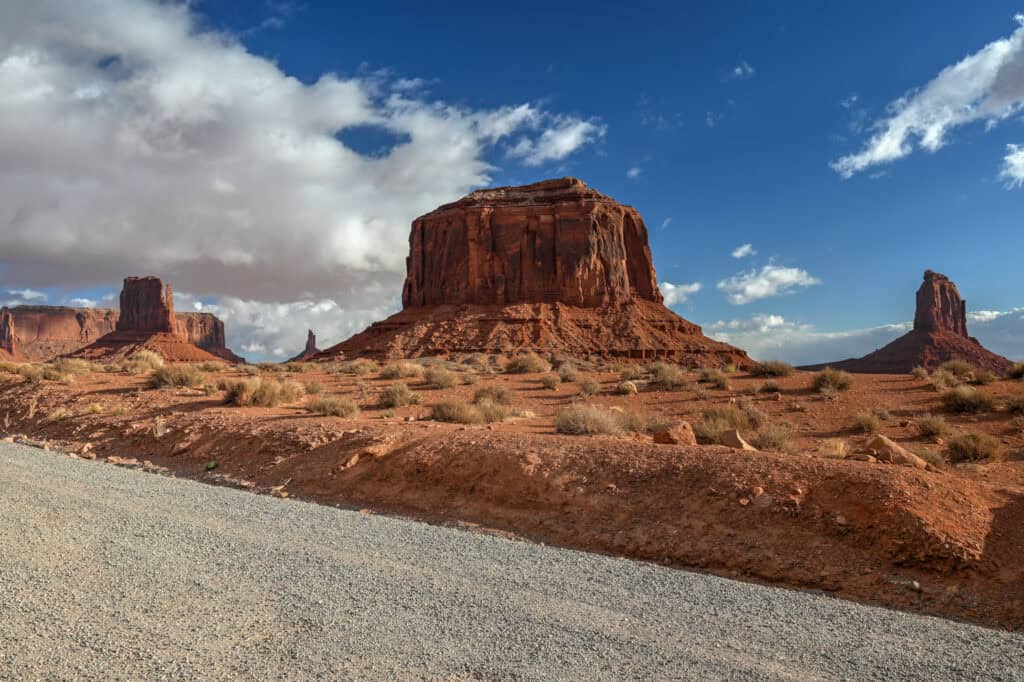
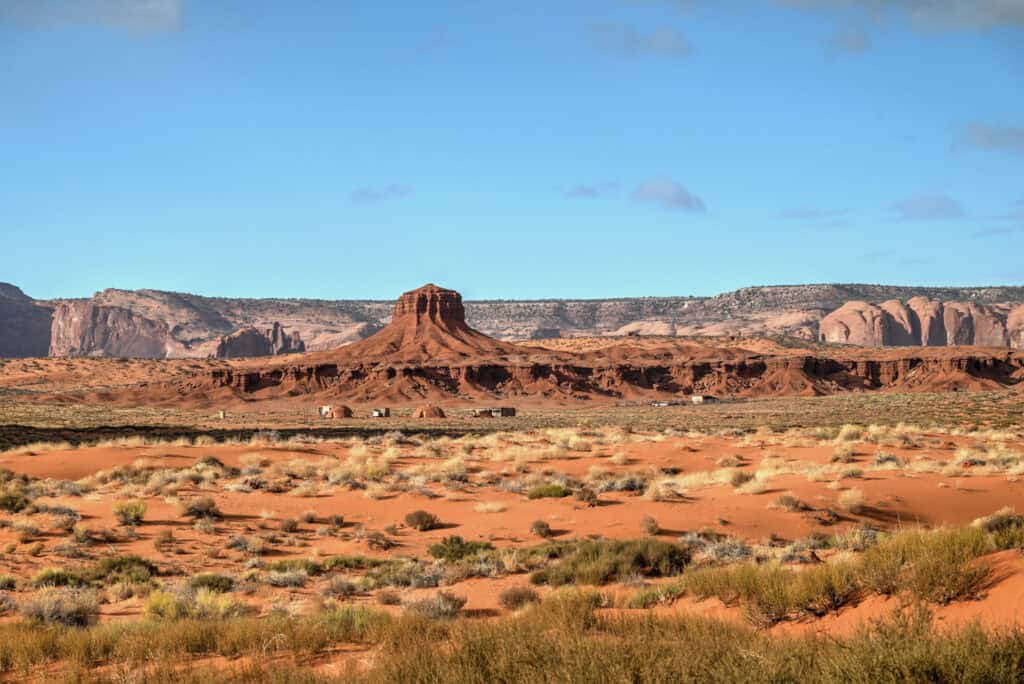
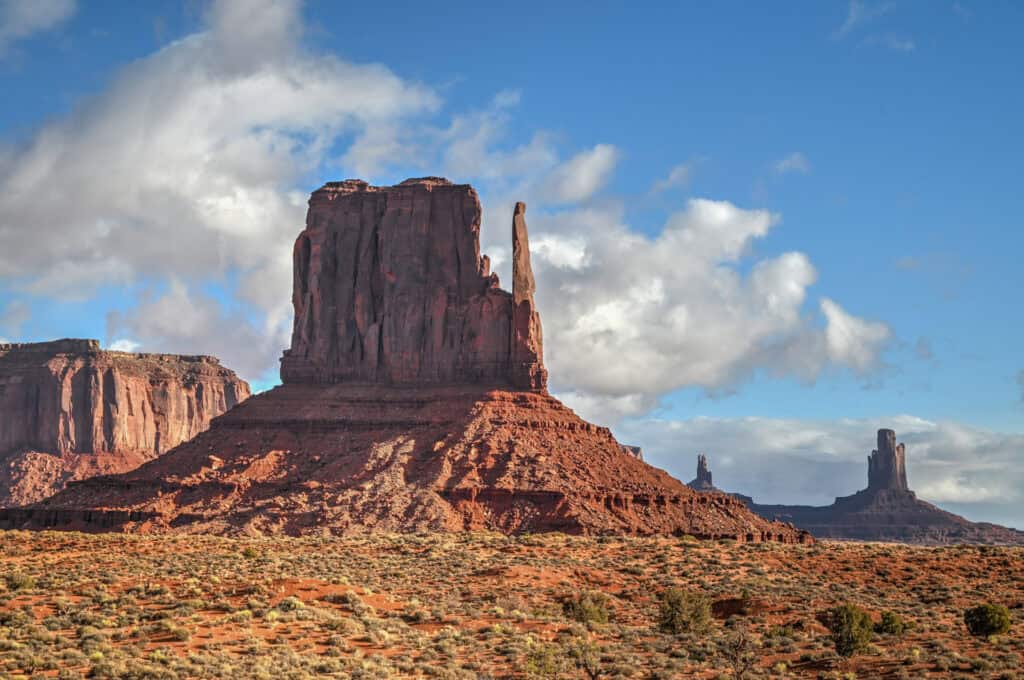
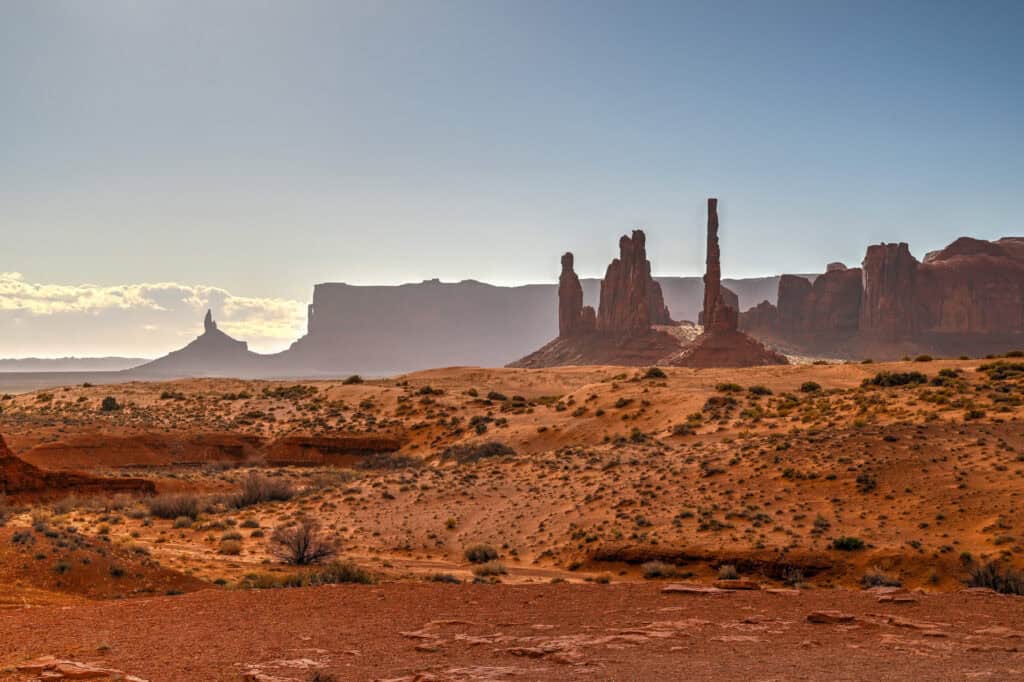
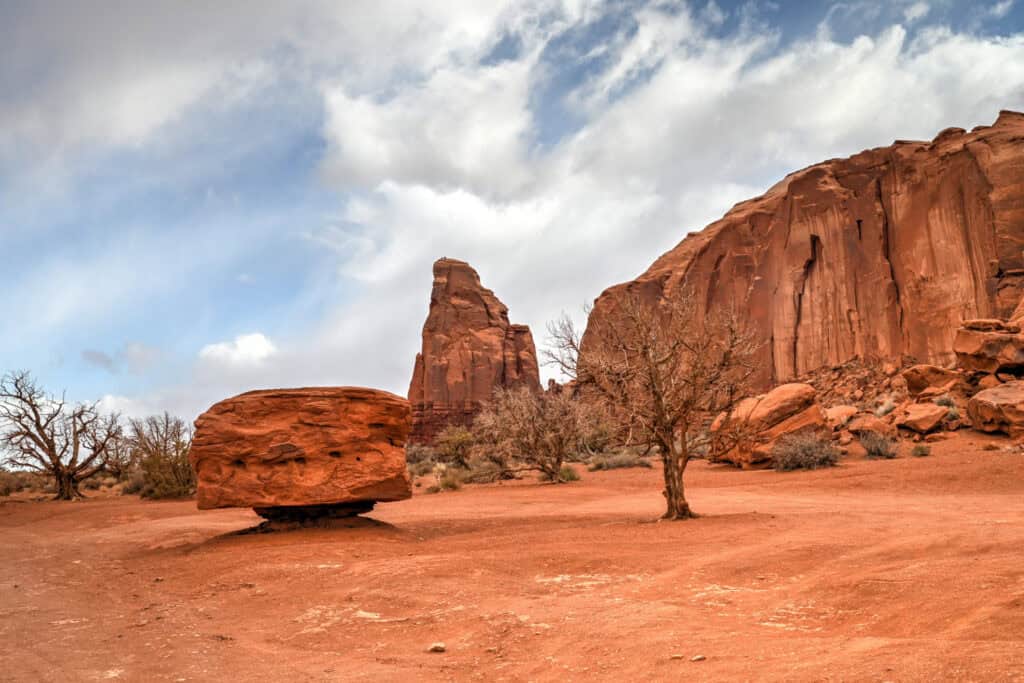
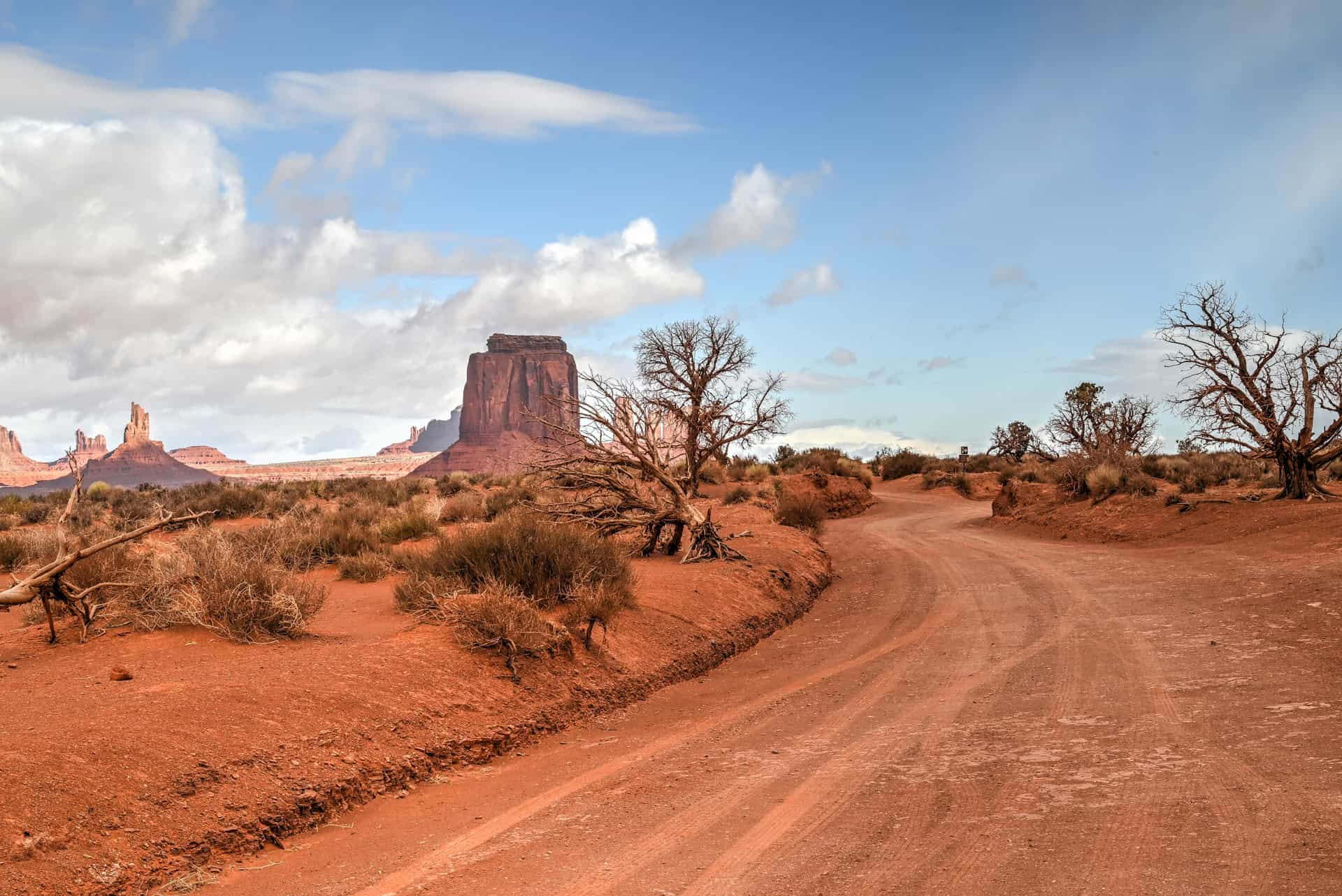
For more details and directions, see our dedicated guide to Monument Valley Scenic Drive, including road opening hours, best viewpoints and road conditions.
Guided Scenic Drives
If you’d prefer not to drive the Valley Loop Road yourself, or if conditions are too rough for a 2WD vehicle, guided scenic drive tours are an excellent alternative. Led by Navajo guides, these tours take you beyond the public loop into restricted backcountry areas, visiting sacred sites, hidden arches, and ancient petroglyphs not accessible along the self-drive route.
Tours can be booked in advance online or at the booths near the Monument Valley Visitor Center. Prices vary depending on duration (typically 1.5 to 3 hours), and many operators offer sunrise, sunset, or photography-focused tours, ideal for those chasing the best light or unique perspective.
The following three tours are some of the most popular in Monument Valley:
Hiking the Wildcat Trail
The Wildcat Trail is Monument Valley’s premier self-guided hike, a 4-mile (6.4 km) loop around West Mitten Butte. It offers a rare chance to descend onto the valley floor and walk among the towering sandstone formations that define this landscape. The trail is mostly sandy and exposed, so bring water and consider starting early or late in the day for optimal light and cooler temperatures.


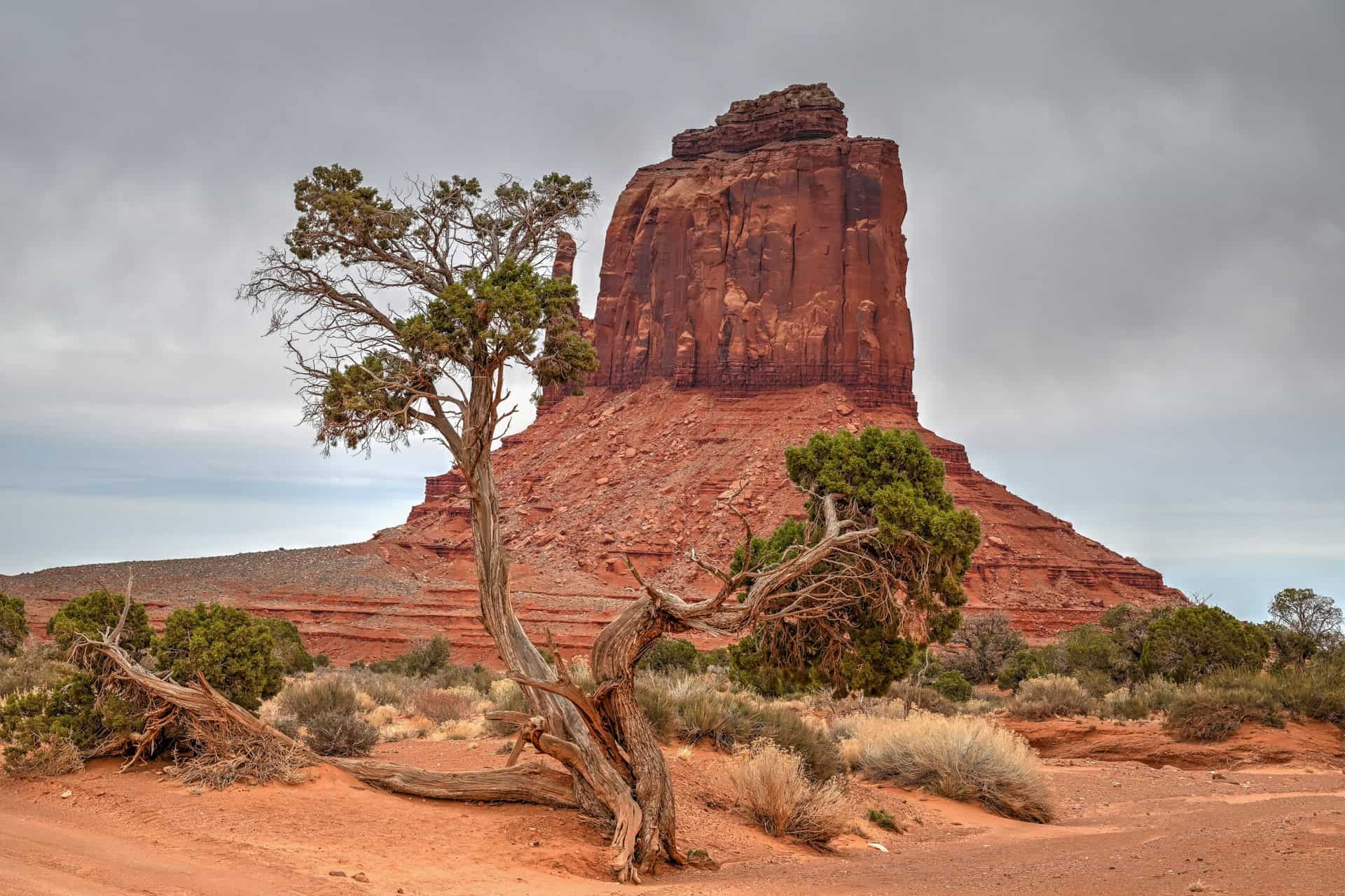
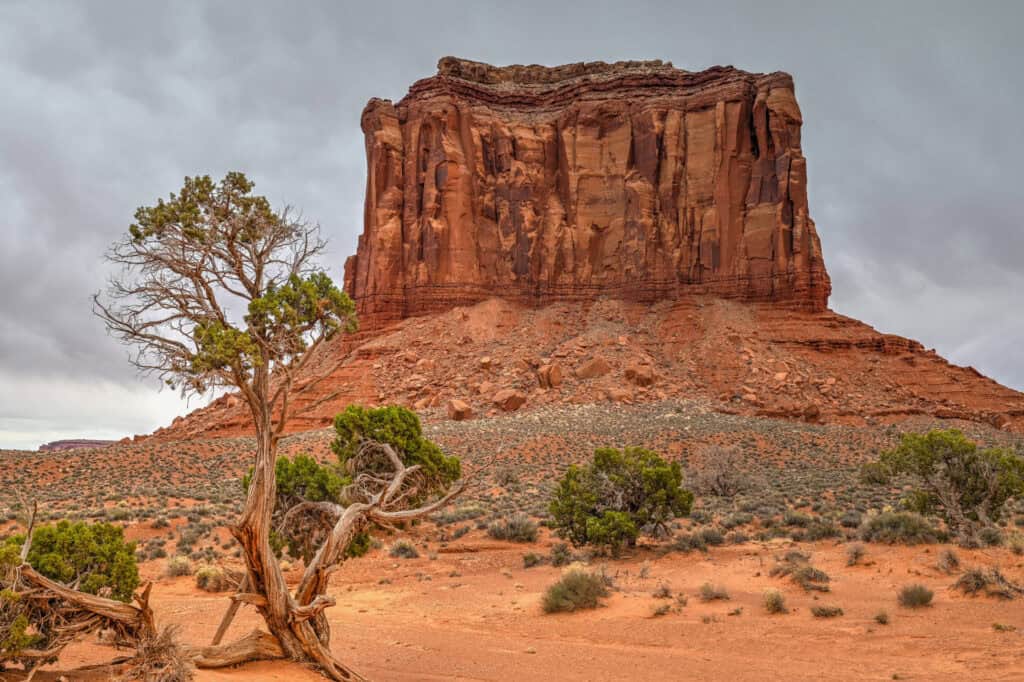
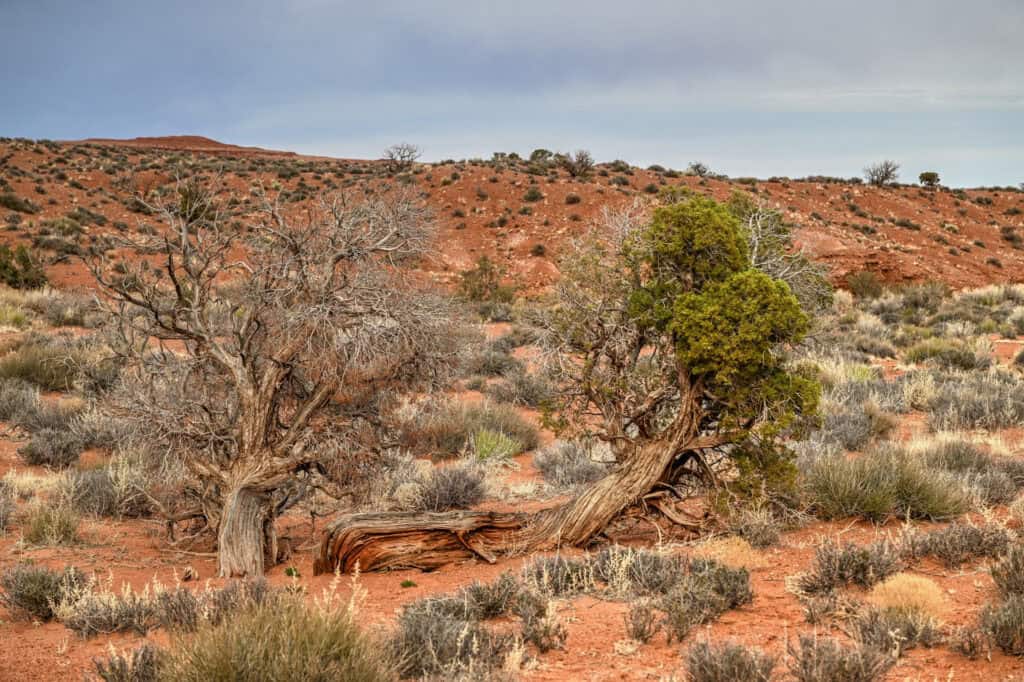
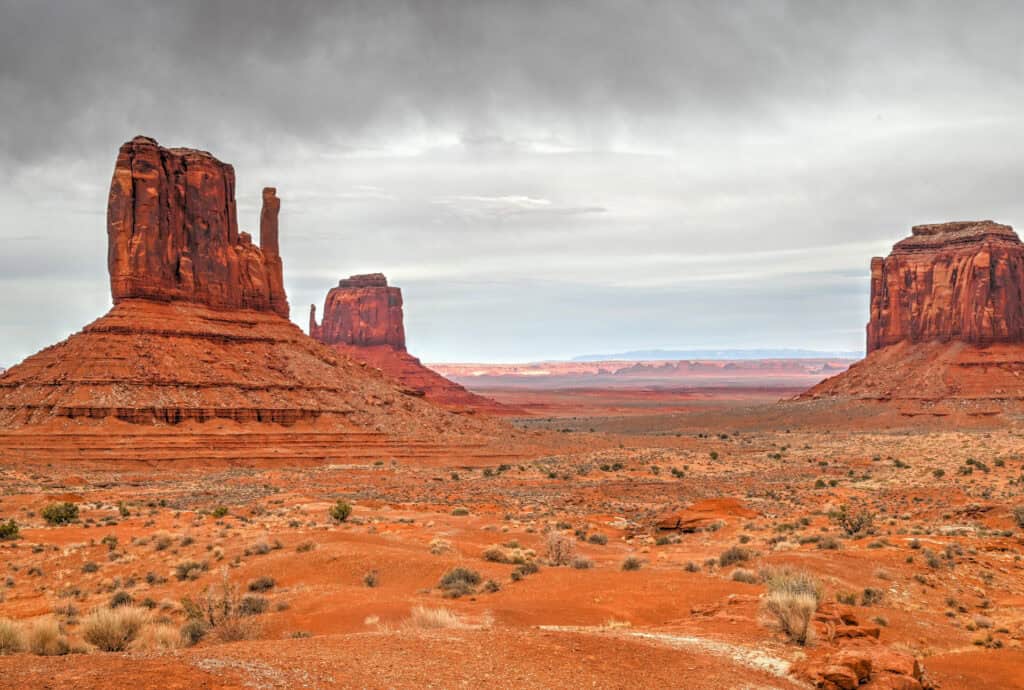
For more details and directions, see our dedicated guide to the Wildcat Trail Hiking Guide, including distance and time required, best viewpoints, and trail conditions.
Guided Hikes
Several Navajo-led companies offer guided hikes into otherwise restricted areas, including Hunts Mesa, Mystery Valley, and Ear of the Wind Arch. These excursions offer an in-depth exploration of Navajo culture, local geology, and traditional stories deeply rooted in the land. Many can be customized to focus on photography, history, or nature. Check with the Monument Valley visitor center to see the different options available.
Alternatively, if you are a fan of horseback riding, you can also join a guided horseback riding tour, where you’ll cover more ground than on a standard hiking tour.
Other Short Hikes and Walks
In addition to the Wildcat Trail, Monument Valley offers shorter interpretive walks like the Lee Cly Trail, located near The View Hotel. These trails provide scenic overlooks of the valley without descending to the valley floor, perfect for travellers with limited time or those seeking less strenuous experiences.
The Lee Cly Trail begins on the southern side of The View Hotel, initially following the rim with sweeping views over the valley. Shortly after the start, you’ll pass a small picnic area before reaching a junction: continue straight to follow the Mesa Rim View Trail, which climbs to a higher overlook of the valley floor, or veer inland to stay on the Lee Cly Trail itself. The full loop is about 2 miles (3.4 km) and takes roughly 45 minutes to complete, with minimal elevation gain. It’s an excellent way to enjoy the serenity of Monument Valley’s upper plateau landscapes without the heat or sand of the lower valley trails.


Who Was Lee Cly?
The trail is named in honor of Lee Cly, a respected Navajo guide and elder from the Monument Valley region. Known for leading visitors through the valley long before it became a formal park, Cly shared his deep knowledge of the land’s stories, geology, and cultural significance. The trail bearing his name recognizes both his role in welcoming travellers to Navajo lands and his lifelong connection to the Monument Valley landscape.
Sunrise and Sunset from The View Hotel
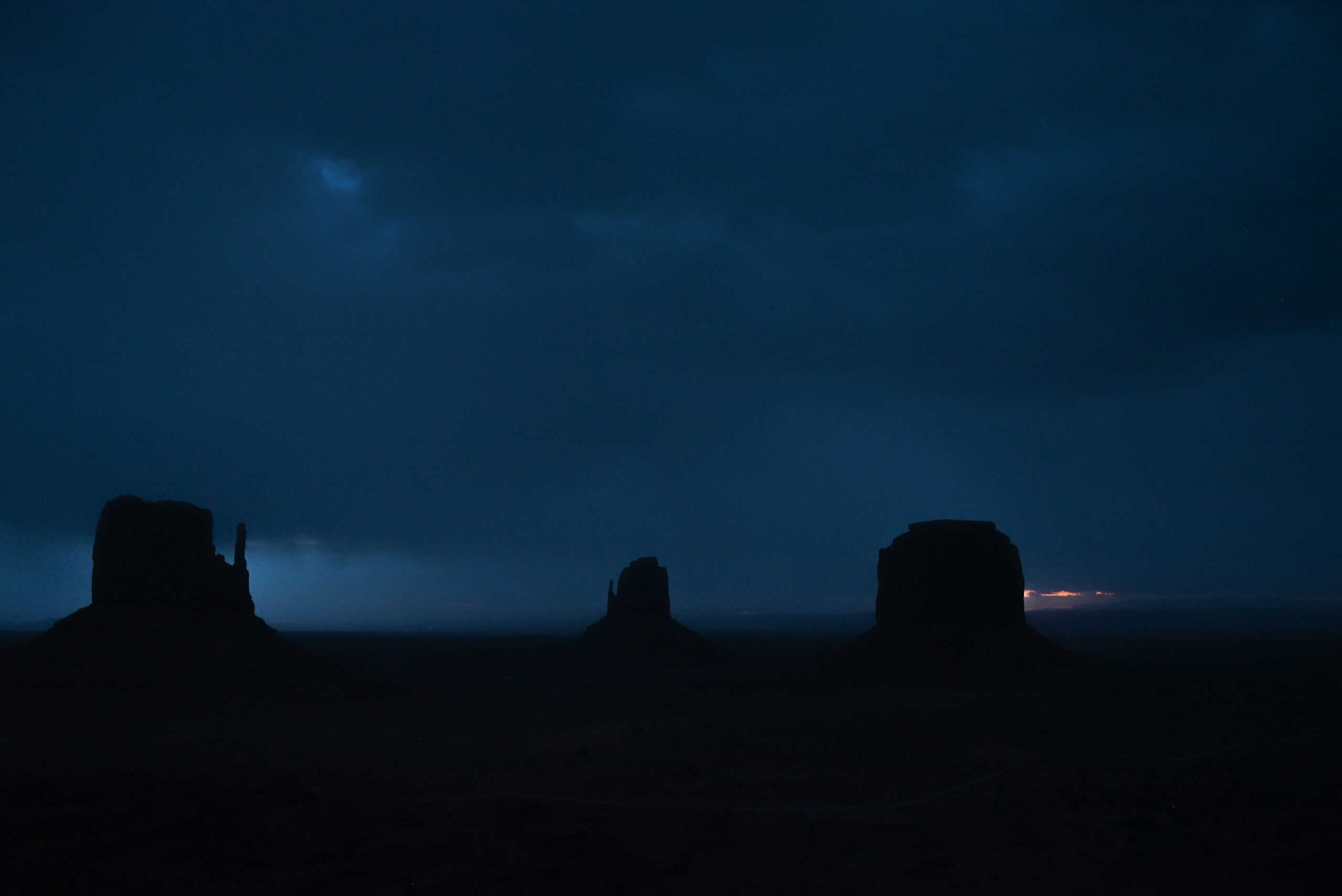
Staying overnight at The View Hotel is an unforgettable experience. Each room faces east toward the Mittens, providing front-row seats to both sunrise and sunset. Watching the buttes glow orange and purple from your private balcony is one of the most iconic experiences in the American Southwest.


Stargazing and Astrophotography
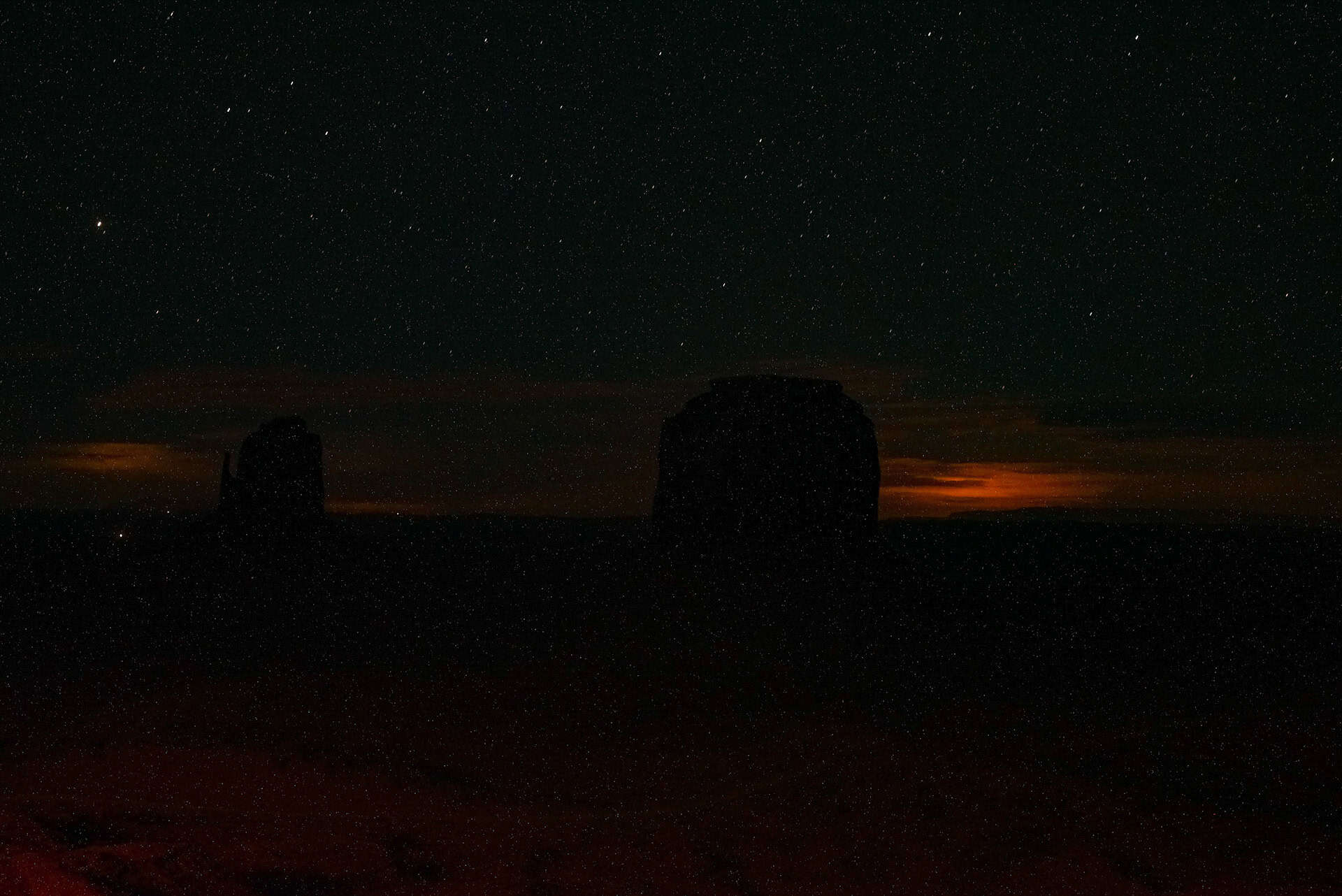
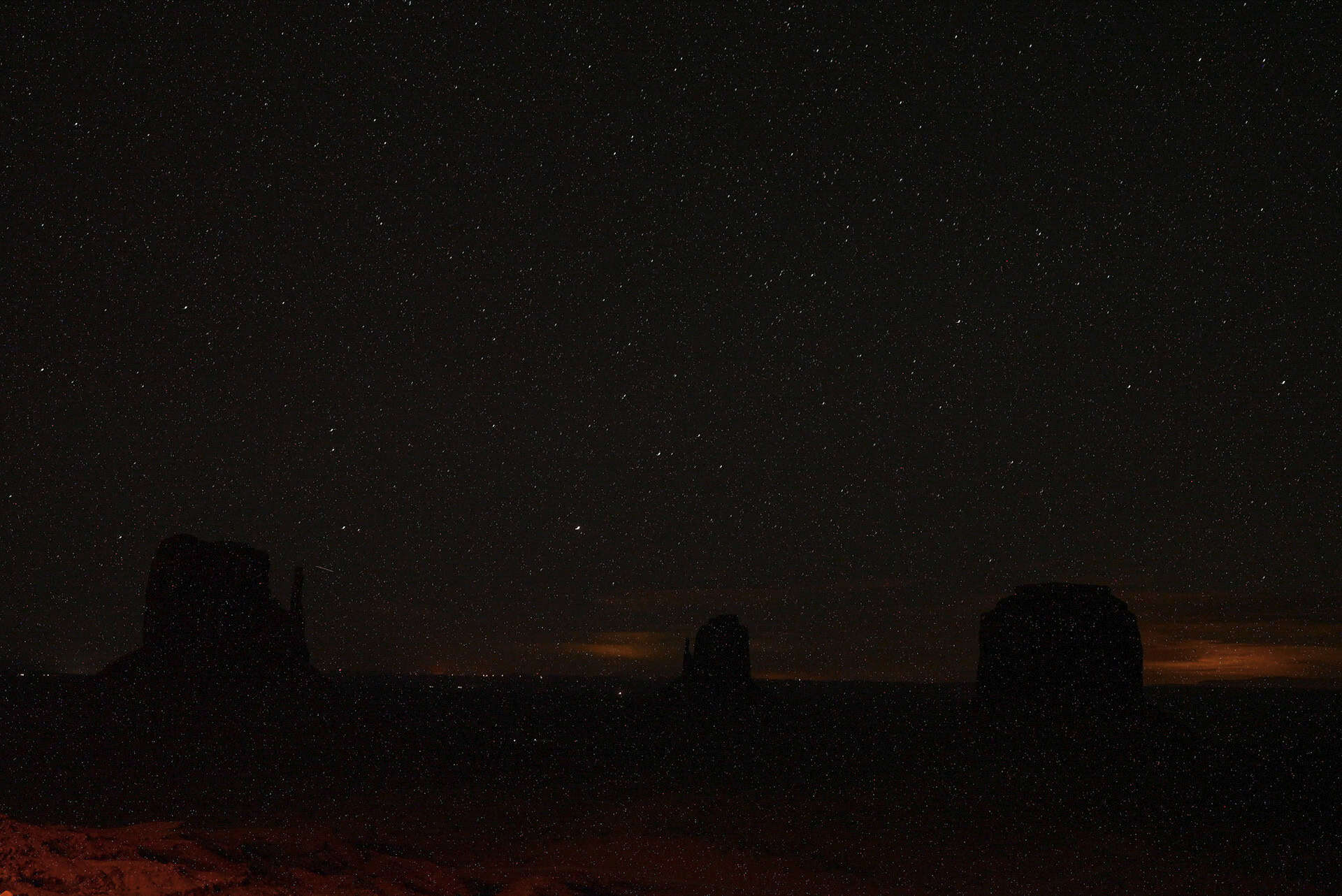
Far from major cities, Monument Valley enjoys some of the clearest, darkest skies in the Southwest. On moonless nights, the Milky Way is easily visible to the naked eye, stretching across the horizon in a brilliant display. Guests staying at The View Hotel or The View Campground can step outside to enjoy world-class stargazing or try their hand at astrophotography with the Mittens silhouetted in the foreground.


The first pictures (above) were taken long after sunset, but the moon was shining bright onto the Monument Valley buttes.
Keep in mind that visitors are restricted to the hotel and its immediate surroundings after dark: for safety and cultural respect, access to the valley floor is not permitted at night unless you’re part of an authorized guided stargazing or astrophotography tour led by a Navajo guide, such as this one:
Forrest Gump Point
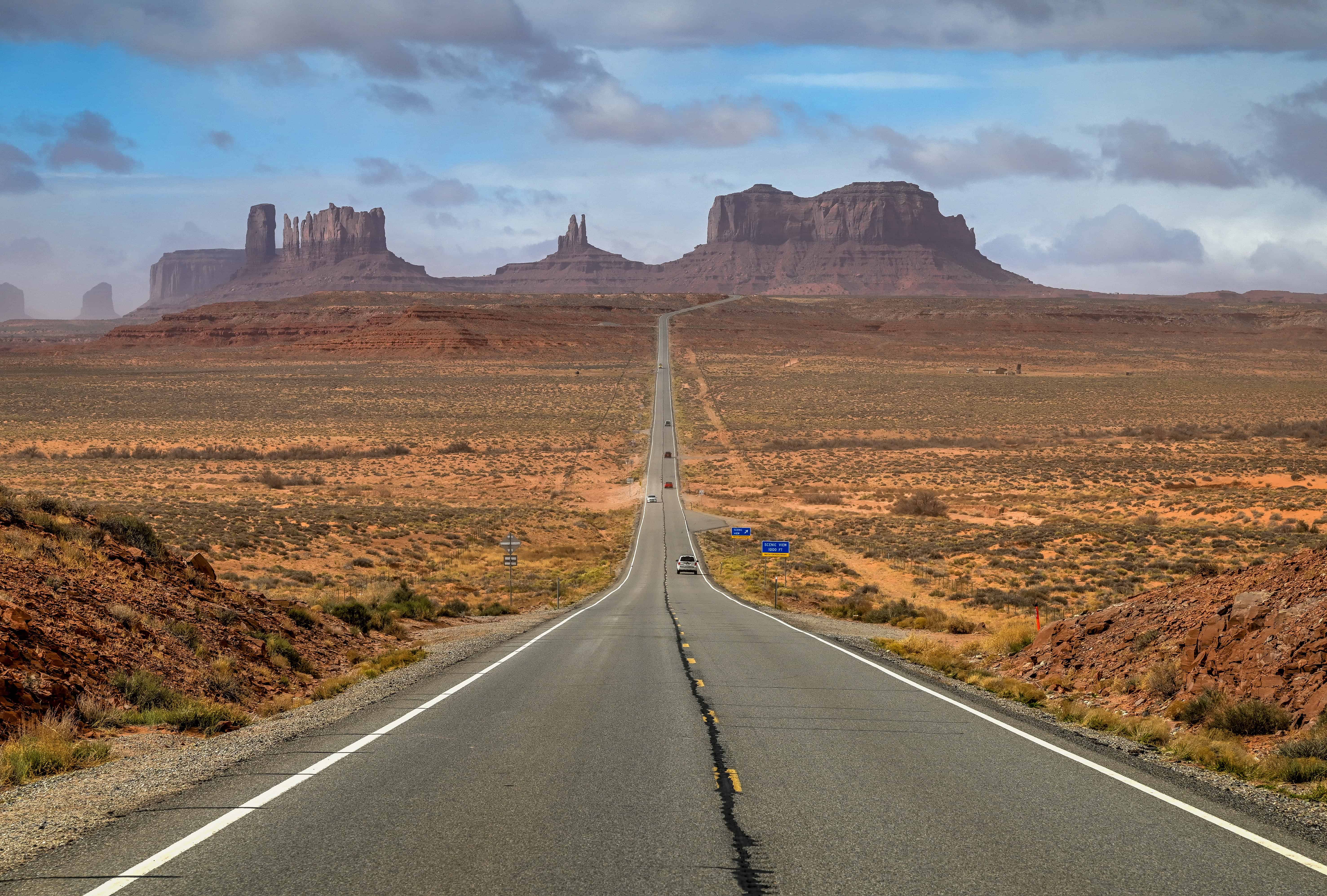
Located about 20 minutes north of the Monument Valley entrance along U.S. Highway 163, Forrest Gump Point (link to Google Maps) offers one of the most famous roadside views in the United States, the long stretch of highway leading straight toward Monument Valley’s skyline. It’s a popular photo stop and an essential part of any visit to the region.
Although we highlighted a specific spot on the map above, there are several pullouts in close proximity to one another along the road, should that spot be too busy.


How Long Do You Need in Monument Valley
While many travellers visit Monument Valley as a short stop on a broader Southwest road trip, the area truly deserves at least half a day to a full day to experience its iconic scenery without rushing. You can technically drive the 17-mile Scenic Loop Road and stop at the main viewpoints in as little as two hours, but that would only scratch the surface.
For most visitors, one full day provides the ideal balance: enough time to explore the self-guided Scenic Drive, hike the Wildcat Trail or enjoy a Navajo-guided backcountry tour, and watch the sunrise or sunset from The View Hotel. If you’re serious about photography, stargazing, or cultural experiences, staying one night inside the park makes a huge difference.
How to Plan Your Time
If You Have Half a Day:
-Focus on the Scenic Loop Drive, stopping at major viewpoints like John Ford Point, Artist’s Point, and Totem Pole.
-Optional: walk a short stretch of the Wildcat Trail for a closer feel of the landscape.
If You Have One Full Day (or two half days with an overnight stay):
-Enjoy a sunrise from The View Hotel or the main overlook (if staying overnight)
-Drive the Scenic Loop Road at a relaxed pace, stopping at each viewpoint (half day)
-Hike the Wildcat Trail or join a guided Jeep tour to explore restricted backcountry areas like Ear of the Wind or Hidden Bridge Arch (half day)
-End your day with sunset views from the overlook or a stargazing session (if staying overnight)
If You Have Two or More Days:
(In addition to what you did on day one)
-Wildcat Trail or guided Jeep tour (whichever one you didn’t do the day before)
-Add a horseback riding tour or a longer photography tour.
-Visit nearby scenic sites such as Valley of the Gods, Goosenecks State Park, and Moki Dugway.
Best Time to Visit the Monument Valley
Monument Valley can be enjoyed year-round, but timing your visit can significantly impact comfort, road conditions, and photography opportunities. The best seasons are spring and fall, when temperatures are mild, the skies are clear, and the soft desert light brings out the rich reds and golds of the sandstone formations.
Spring (March–May):
Spring is one of the most rewarding times to visit Monument Valley. Daytime temperatures typically range from 60–80°F (16–27°C), making for pleasant driving and exploring. The desert blooms lightly with patches of green, and the angle of the sunlight enhances the colors of the Mittens, Merrick Butte, and other formations. Early spring can be windy, especially in March, but visibility is excellent and crowds are moderate.
Summer (June–August):
Summer brings the heat, often exceeding 95°F (35°C), and little shade. If visiting in these months, plan your drive early in the morning or near sunset to avoid the hottest part of the day. The monsoon season (July–early September) can produce short but powerful afternoon storms that may make the dirt road muddy or temporarily impassable. Always check the forecast before setting out, as the valley can close during heavy rain or flash-flood conditions.
Fall (September–October):
Fall rivals spring as the best time to explore Monument Valley. Daytime highs hover in the 60–80°F (16–27°C) range, nights are cool and crisp, and the air clarity is superb. The lighting is especially dramatic in late afternoon and evening, making this the prime season for photography. Visitor numbers begin to drop, offering a more peaceful experience on the loop.
Winter (November–February):
Winter offers solitude and striking contrasts, especially when a dusting of snow highlights the buttes. Daytime highs are typically 40–55°F (4–13°C), but early mornings can be below freezing, and icy patches sometimes form on the dirt road. Most days remain sunny, and the low-angle winter light creates stunning long shadows across the valley floor. Be sure to dress warmly and check road conditions if there has been recent precipitation.
Things to Do Near Monument Valley
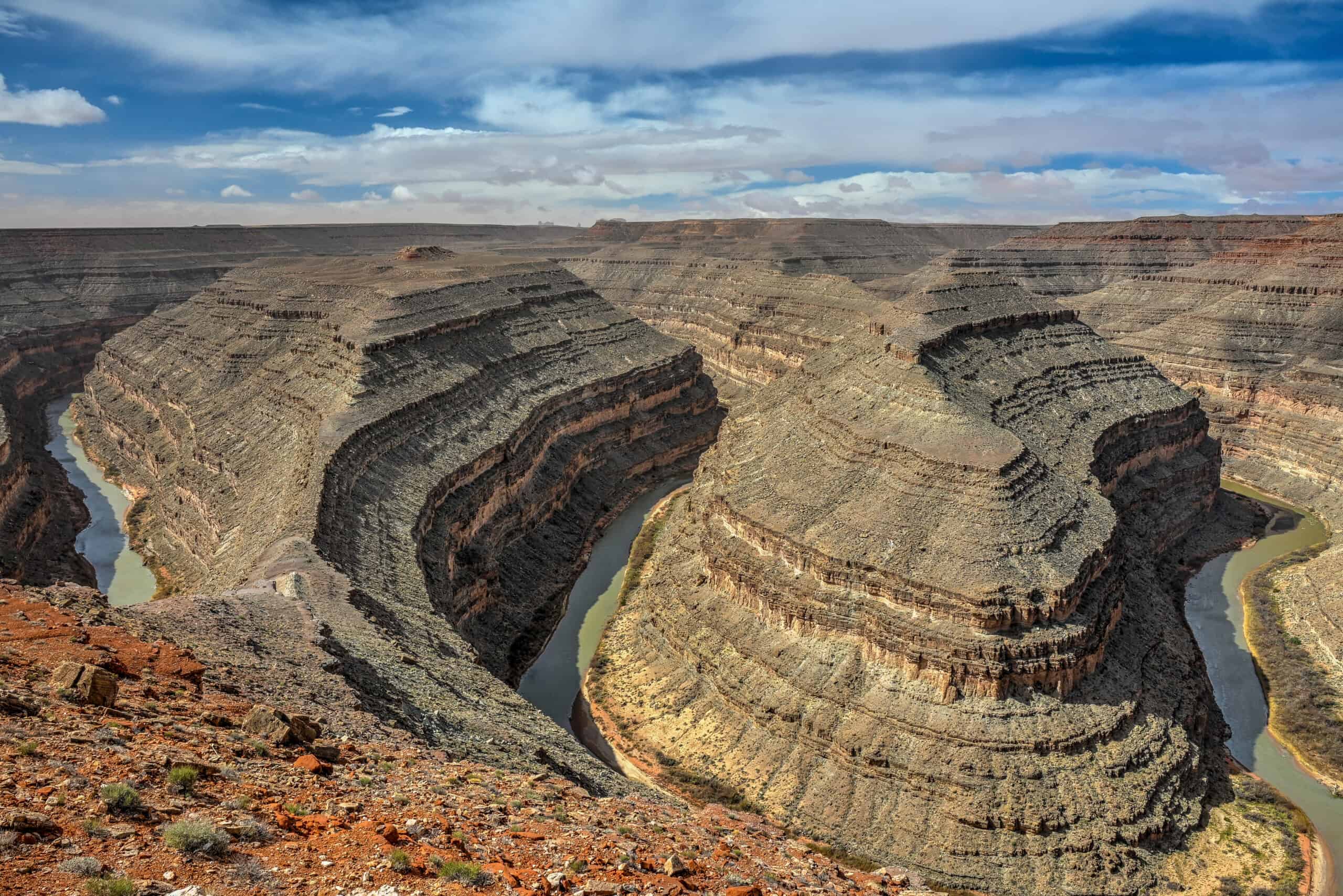
If you have extra time or are continuing your journey toward Moab, several scenic stops within an hour or two of Monument Valley are well worth exploring. To the north, Goosenecks State Park offers an incredible overlook of the San Juan River’s deep, winding meanders, while Valley of the Gods provides a quieter, off-the-beaten-path alternative to Monument Valley’s iconic landscape, accessible via a 17-mile dirt loop. Nearby, the quirky Mexican Hat Rock formation makes for a fun photo stop, and the steep gravel switchbacks of the Moki Dugway climb to Muley Point Overlook, where expansive views stretch all the way back toward Monument Valley.


For more details and directions, see our dedicated guide to the Best Stops and Things to See Between Monument Valley and Moab, including scenic drives, viewpoints, and short hikes along the way.
Where to Stay Near Monument Valley
When it comes to accommodation, few places in the American Southwest can match the views offered by The View Hotel, the only lodging located directly inside Monument Valley Navajo Tribal Park. Perched on the rim above the valley floor, it lives up to its name: every room, cabin, and even the on-site restaurant faces the Mittens and Merrick Butte. Waking up to the sunrise lighting up these iconic formations, or watching them fade into silhouette at sunset, is an unforgettable experience. While prices here are on the higher side, the location and scenery make it absolutely worth the splurge.
Just a 10-minute drive away, Goulding’s Lodge is the next best option. A historic property dating back to the 1920s, it offers comfortable rooms, suites, and cabins with partial valley views. The lodge also features a small museum, a restaurant, a grocery store, and the nearest gas station to the park, making it a convenient and slightly more affordable alternative to The View.
Some travellers choose to stay farther afield in Kayenta (30 minutes south) or Mexican Hat (30 minutes north), where prices are noticeably lower and more options are available. However, staying outside the park means missing the chance to experience Monument Valley at its most magical, during sunrise and sunset. Driving these stretches in the dark is not recommended, as the roads are unlit, open-range livestock often wander onto the pavement, and cell service can be limited.
- In Kayenta, the Hampton Inn Kayenta is the top choice, offering modern rooms, a restaurant, and reliable amenities.
- In Mexican Hat, the Hat Rock Inn stands out for its scenic location above the San Juan River and easy access to the Valley of the Gods and Goosenecks State Park.
For those travelling by RV or looking to camp, there are also several excellent options:
- The View Campground – Located right next to The View Hotel, this campground offers both tent and RV sites with stunning vistas of the Mittens. Facilities include restrooms, picnic tables, and fire pits.
- Goulding’s Campground & RV Park – A few minutes west of the park entrance, this site provides full RV hookups, showers, and access to the lodge’s pool and store, ideal for travellers seeking a bit more comfort.
Still, if your goal is to witness Monument Valley’s grandeur from dawn to dusk without ever leaving its scenery, The View Hotel remains the ultimate place to stay.
Monument Valley – Frequently Asked Questions
Do I need a guide to visit Monument Valley?
No. The main attractions, including the Scenic Loop Drive and visitor center viewpoint, can be explored independently. However, a Navajo guide is required to access restricted backcountry areas and some of the valley’s most sacred sites.
Is Monument Valley part of the U.S. National Park Service?
No. It is managed by the Navajo Nation as a Tribal Park. U.S. National Park passes (like America the Beautiful) are not valid here.
What time zone is Monument Valley in?
The park follows Mountain Time, including Daylight Saving Time.
Arizona does not observe DST, meaning the time can differ by one hour depending on the season.
Is the Scenic Valley Drive suitable for all vehicles?
Usually. The 17-mile road is unpaved but passable in dry conditions.
A high-clearance or 4WD vehicle is recommended after rain. In particular, the first steep, switchback section can become rutted and slippery.
Can I hike in Monument Valley?
Yes. The Wildcat Trail is the only self-guided trail that descends to the valley floor. Other hikes require a Navajo guide or are limited to short interpretive routes near the visitor area.
How long do I need in Monument Valley?
A half day is enough for the Scenic Drive + overlooks.
A full day allows for hiking or a guided tour.
An overnight stay is ideal for sunrise/sunset and stargazing.
Is there cell service or GPS coverage?
Cell coverage is limited to nonexistent once you leave the Visitor Center area. Download offline maps before you go (Google Maps or AllTrails).
Are drones allowed in Monument Valley?
Drones are strictly prohibited without a special permit. This restriction applies to launching, landing, or flying drones within the park boundaries.
Explore More Utah National & State Park Guides
Continue exploring Utah with these detailed guides:
Bryce Canyon National Park Guide
Capitol Reef National Park Guide
Goblin Valley State Park Guide
Arches National Park Guide
Canyonlands National Park Guide
Zion National Park
Photography Gear
If you like our photography, you might be interested in some of the gear we use to shoot our travel and hiking destinations.
Camera Body – Nikon Z 6ii Fx-series Mirrorless Body
Main Lens – NIKON 24-120mm F/4G ED VR AF-S
Zoom Lens – Sigma 745-306 150-600mm f/5-6.3
Polarizing filters – Urth Circular Polarizing (CPL)
Camera Tripod – K&F Concept 64-inch Camera Tripod
Mini-tripod – Lammcou Flexible Camera Tripod
Camera/hiking backpack – Vanguard Alta Rise 48 Backpack
Universal Travel Adapter – VYLEE Universal International Power Travel Plug
Other Travel Essentials
Travel Insurance
SafetyWing is a travel insurance company that offers comprehensive coverage for travellers. Includes Medical Insurance and Travel Insurance. Primarily geared towards long-term travellers, digital nomads, and expats.
e-Sim cards
Airalo is the world’s first and largest eSIM store with eSIM plans for 200+ countries and regions worldwide. With Airalo eSIMs, travellers can get connected the moment they land at their destination and avoid nasty data roaming charges
eSIMS are a sustainable alternative to single-use SIM cards – they are 100% digital, require less energy to produce and be re-used rather than disposed of.
Car Rentals
Discover Cars is our go-to website for car rentals. We almost always find our preferred rate there.
Transfer from Airport
Welcome Pickups is our favourite private transfer service, which you can pre-book at a fixed price. Currently available in 220 cities all over the world (mostly in Europe, but with several major cities in Asia, the Middle East and the US).
Kiwitaxi is another private transfer service – we haven’t tried it yet, but it’s currently available in a few more countries (102 as of 2024).
Hotels and Accommodations (coming soon)
Photography Prints
If you found this blog useful, you can help support our blog by purchasing low-cost digital prints. Printed physical prints are also available for purchase.


Explore More Arizona
Continue exploring Arizona with these detailed guides:
Best Things to See and Do in Sedona
Best Stops and Must-See Attractions Between Las Vegas and Sedona
Best Things to Do in Page
Sunset Crater Volcano National Monument
Photography Gear
If you like our photography, you might be interested in some of the gear we use to shoot our travel and hiking destinations.
Camera Body – Nikon Z 6ii Fx-series Mirrorless Body
Main Lens – NIKON 24-120mm F/4G ED VR AF-S
Zoom Lens – Sigma 745-306 150-600mm f/5-6.3
Polarizing filters – Urth Circular Polarizing (CPL)
Camera Tripod – K&F Concept 64-inch Camera Tripod
Mini-tripod – Lammcou Flexible Camera Tripod
Camera/hiking backpack – Vanguard Alta Rise 48 Backpack
Universal Travel Adapter – VYLEE Universal International Power Travel Plug
Other Travel Essentials
Travel Insurance
SafetyWing is a travel insurance company that offers comprehensive coverage for travellers. Includes Medical Insurance and Travel Insurance. Primarily geared towards long-term travellers, digital nomads, and expats.
e-Sim cards
Airalo is the world’s first and largest eSIM store with eSIM plans for 200+ countries and regions worldwide. With Airalo eSIMs, travellers can get connected the moment they land at their destination and avoid nasty data roaming charges
eSIMS are a sustainable alternative to single-use SIM cards – they are 100% digital, require less energy to produce and be re-used rather than disposed of.
Car Rentals
Discover Cars is our go-to website for car rentals. We almost always find our preferred rate there.
Transfer from Airport
Welcome Pickups is our favourite private transfer service, which you can pre-book at a fixed price. Currently available in 220 cities all over the world (mostly in Europe, but with several major cities in Asia, the Middle East and the US).
Kiwitaxi is another private transfer service – we haven’t tried it yet, but it’s currently available in a few more countries (102 as of 2024).
Hotels and Accommodations (coming soon)
Photography Prints
If you found this blog useful, you can help support our blog by purchasing low-cost digital prints. Printed physical prints are also available for purchase.
—–
Well, that wraps it up! We hope you enjoyed our Monument Valley Travel Guide – Top Things to See, Do, and Know Before You Go, and that it will prove useful for planning your trip.
—–
You might also be interested in these related pages: