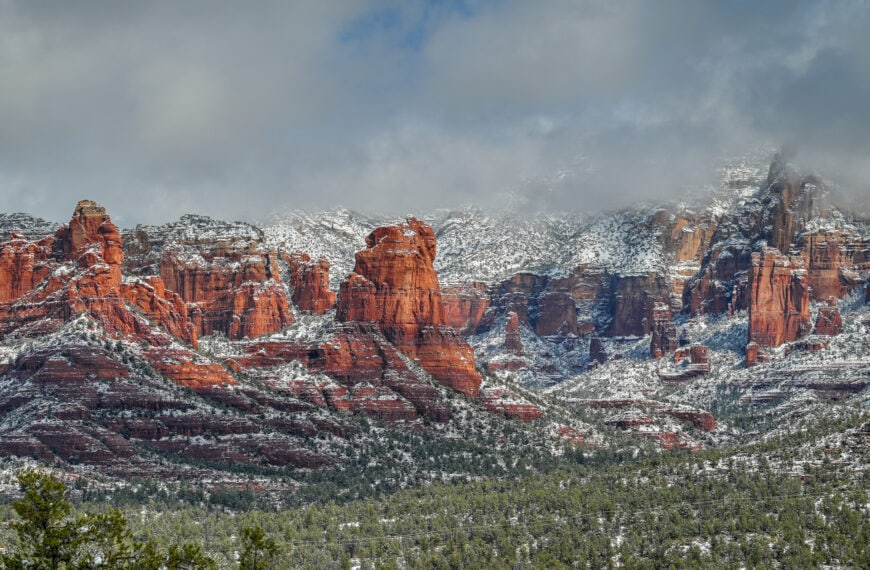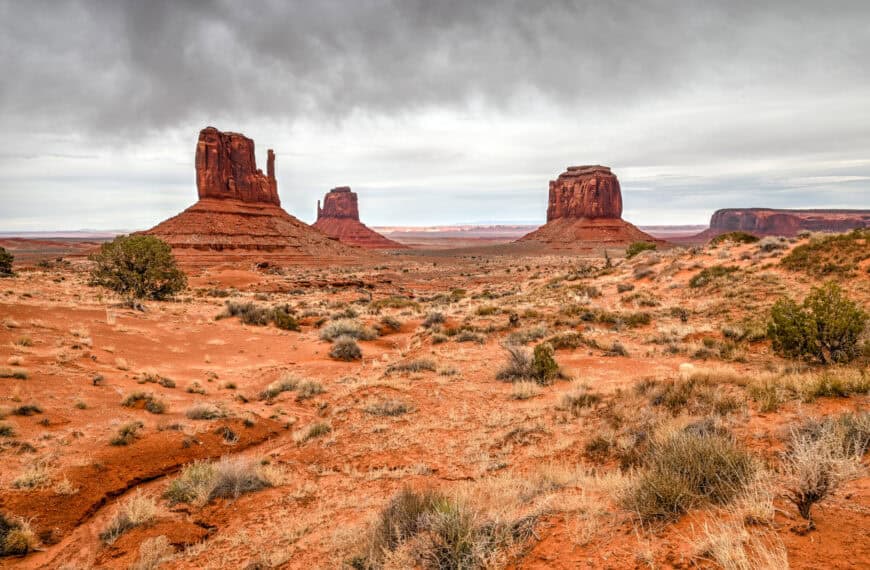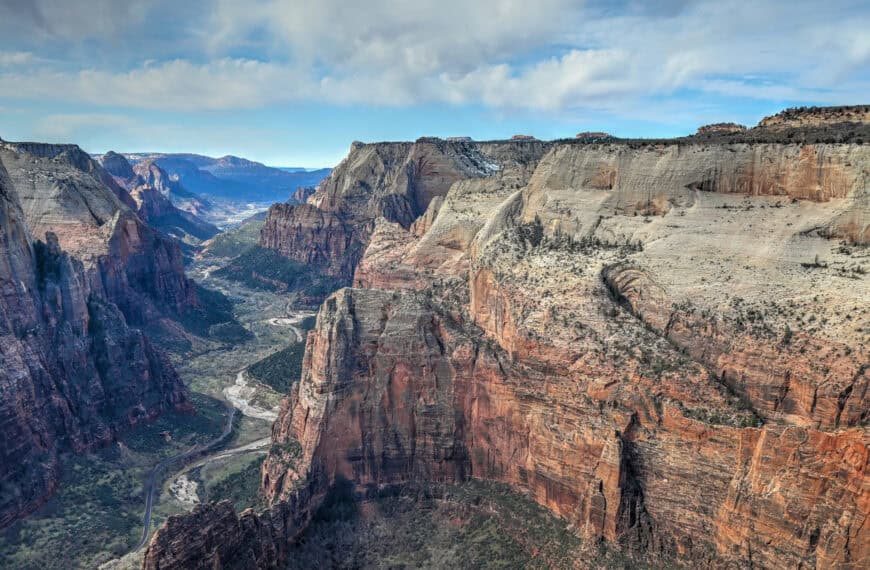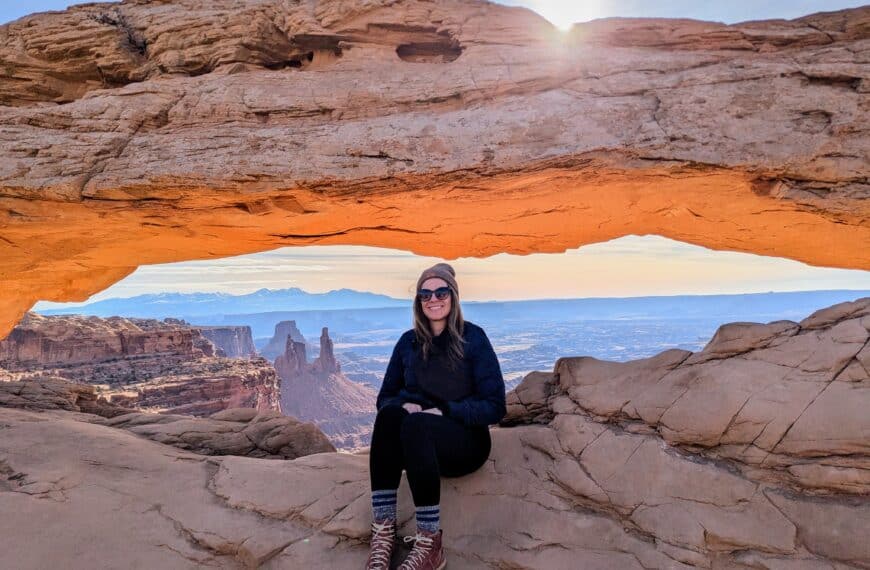
The drive from Las Vegas to Zion National Park is one of the most rewarding short road trips through Nevada and Utah, packed with dramatic desert scenery, colorful sandstone formations, and a few hidden gems that many travellers rush past. While it’s possible to reach Zion in under three hours without stopping, taking your time transforms the journey into a far richer experience. Along the way, you can wander through the fiery landscapes of Valley of Fire State Park, explore lava flows and sandstone canyons in Snow Canyon State Park, and step back in time at the beautifully preserved pioneer settlement of Grafton. This guide highlights the best scenic viewpoints, roadside stops, short hikes, and historic detours between Las Vegas and Zion. Whether you’re after big desert views, quick but memorable walking opportunities, or a relaxed full-day drive with meaningful stops, these are the places we think offer the most rewarding breaks along the route.
Highlights Between Las Vegas and Zion – At a Glance
One of the Southwest’s Most Scenic Fast Routes – The journey from Las Vegas to Zion is surprisingly beautiful even before you add detours. The stretch of I-15 through the Virgin River Gorge is a standout: towering canyon walls, winding curves, and dramatic geology that feels like an attraction in its own right. Whether you’re road-tripping or simply transferring between parks, the drive offers long desert views, sculpted red rock, and easy opportunities to pull over for photos. With just a few short detours, it quickly becomes a full half-day of memorable scenery.
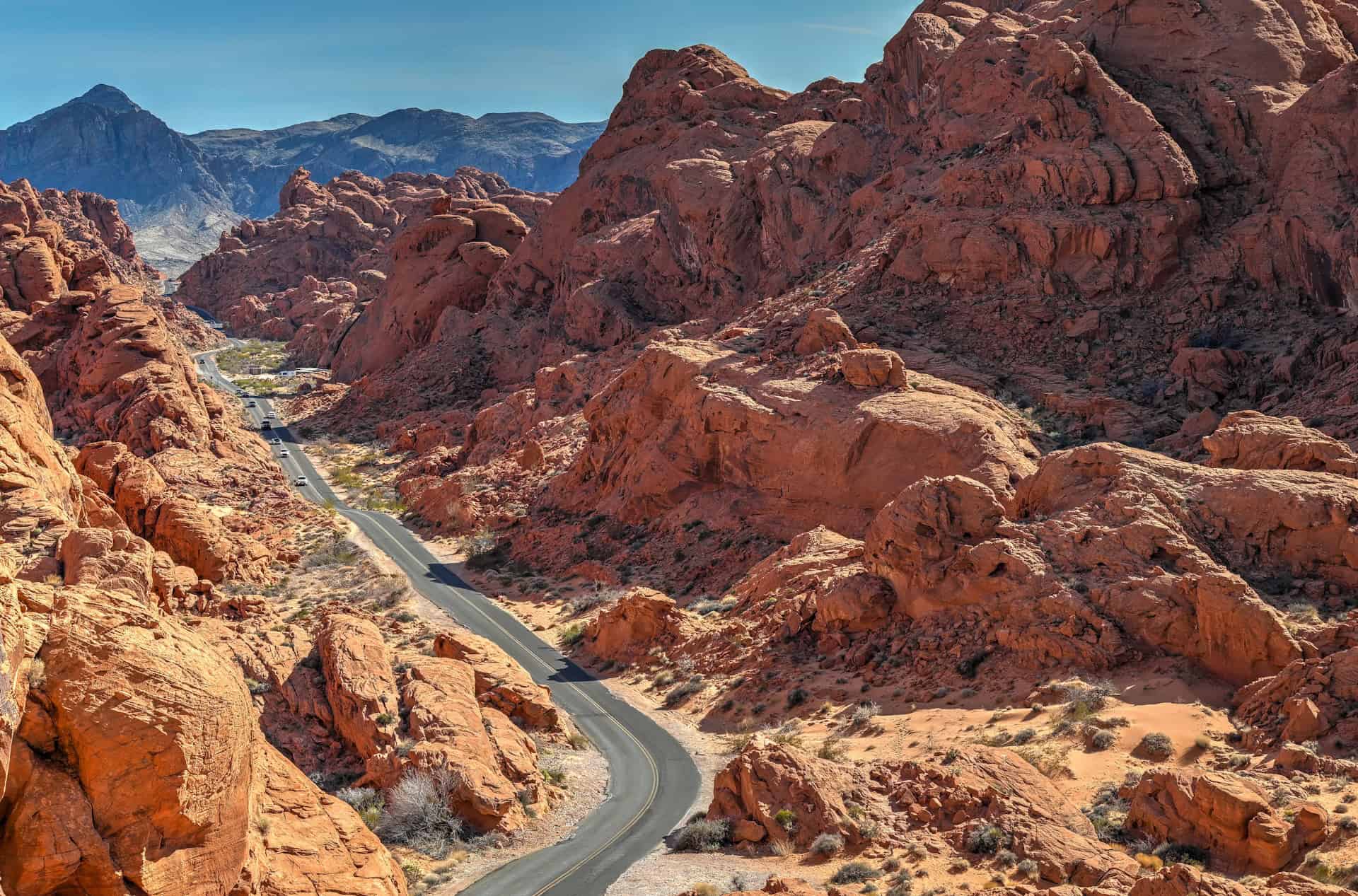
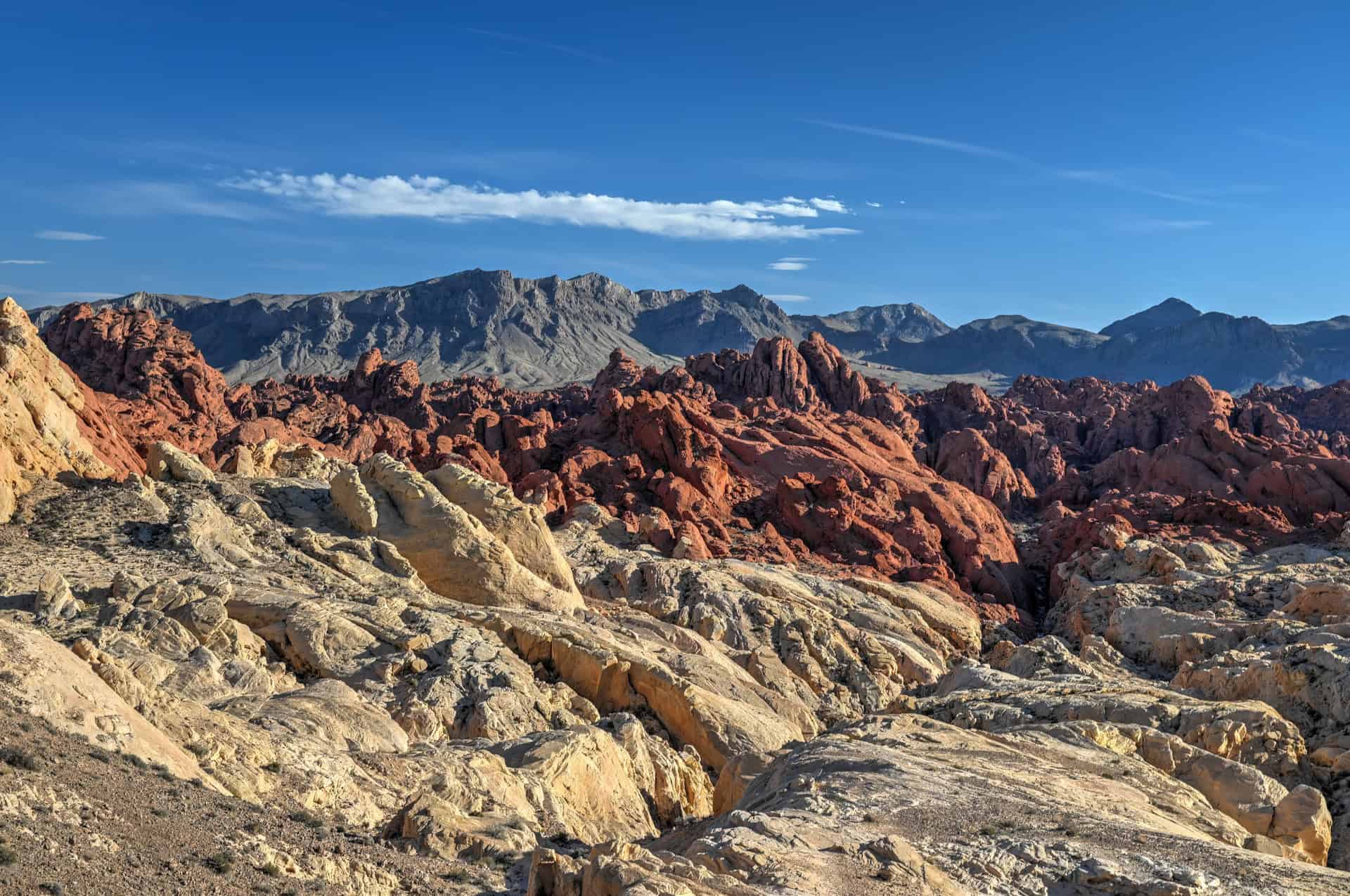
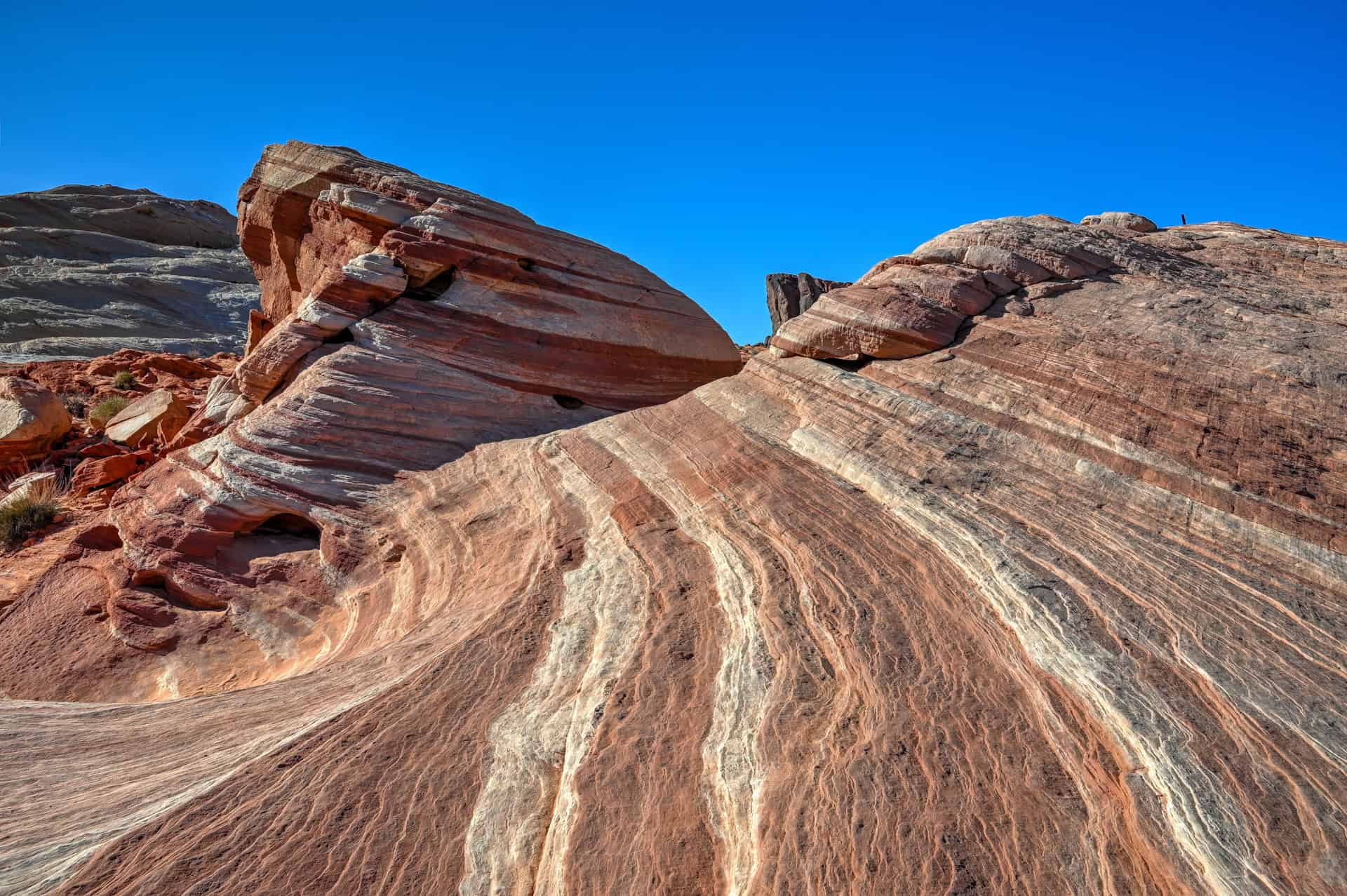
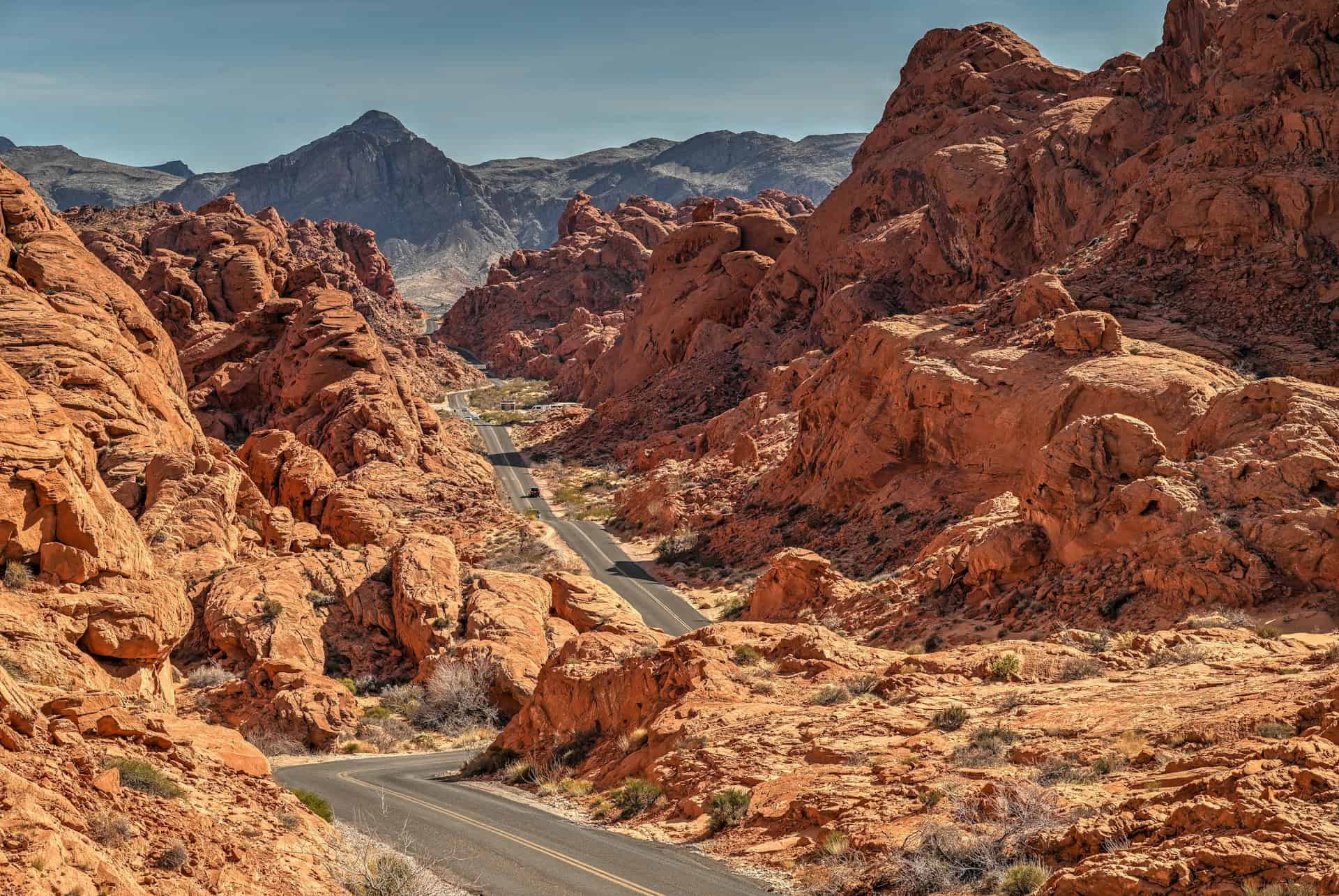
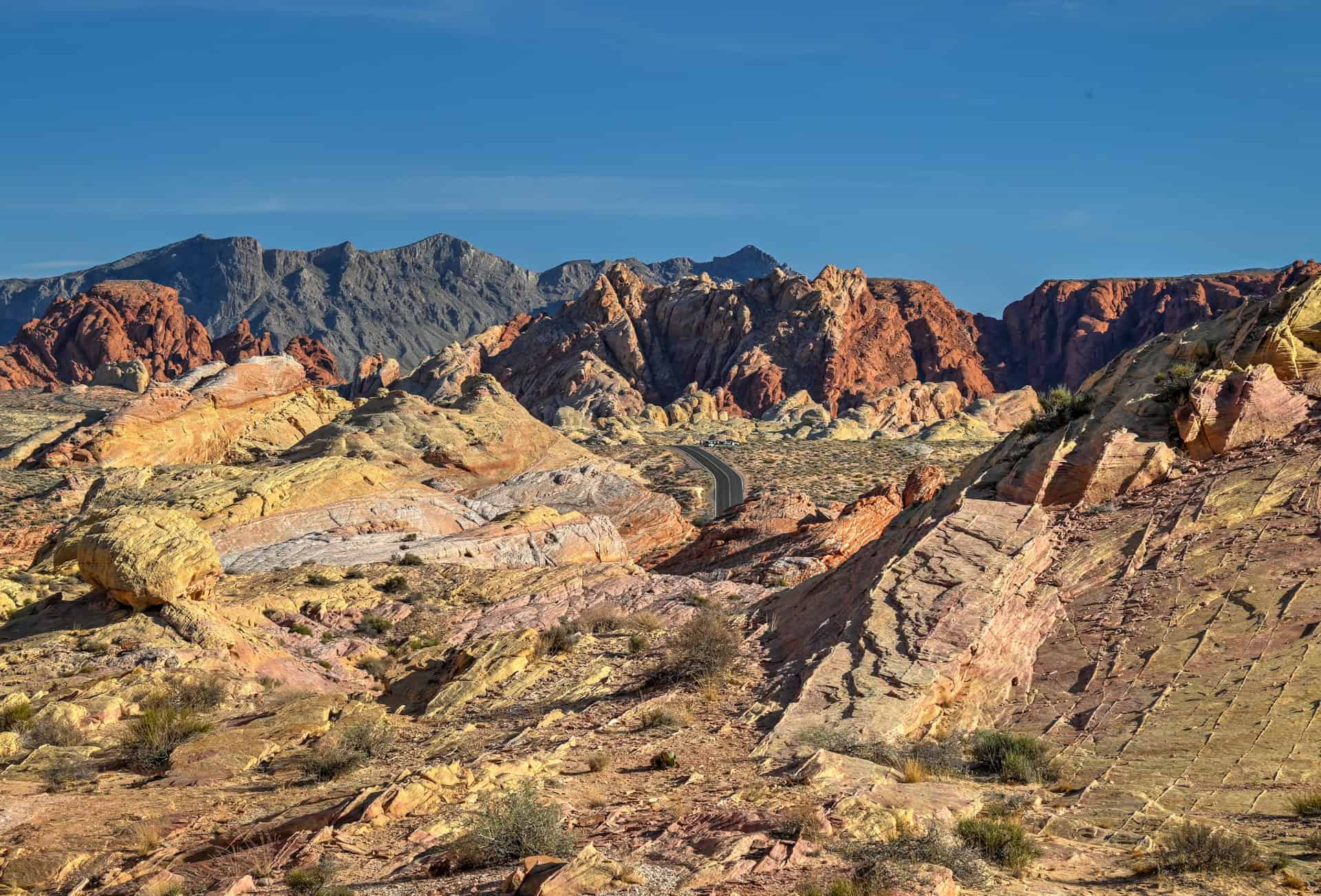
Valley of Fire State Park – Only about 15 minutes off I-15, Valley of Fire delivers some of the most vivid and sculpted red rock formations in the region. Rolling sandstone waves, striped canyons, and dome-studded ridgelines create a landscape that’s both accessible and wildly photogenic. Even a short visit packs in huge scenery without requiring long hikes. It’s one of the most rewarding detours between Las Vegas and Zion, especially if you want quick viewpoints, short walks, or dramatic sunrise and late-afternoon light.
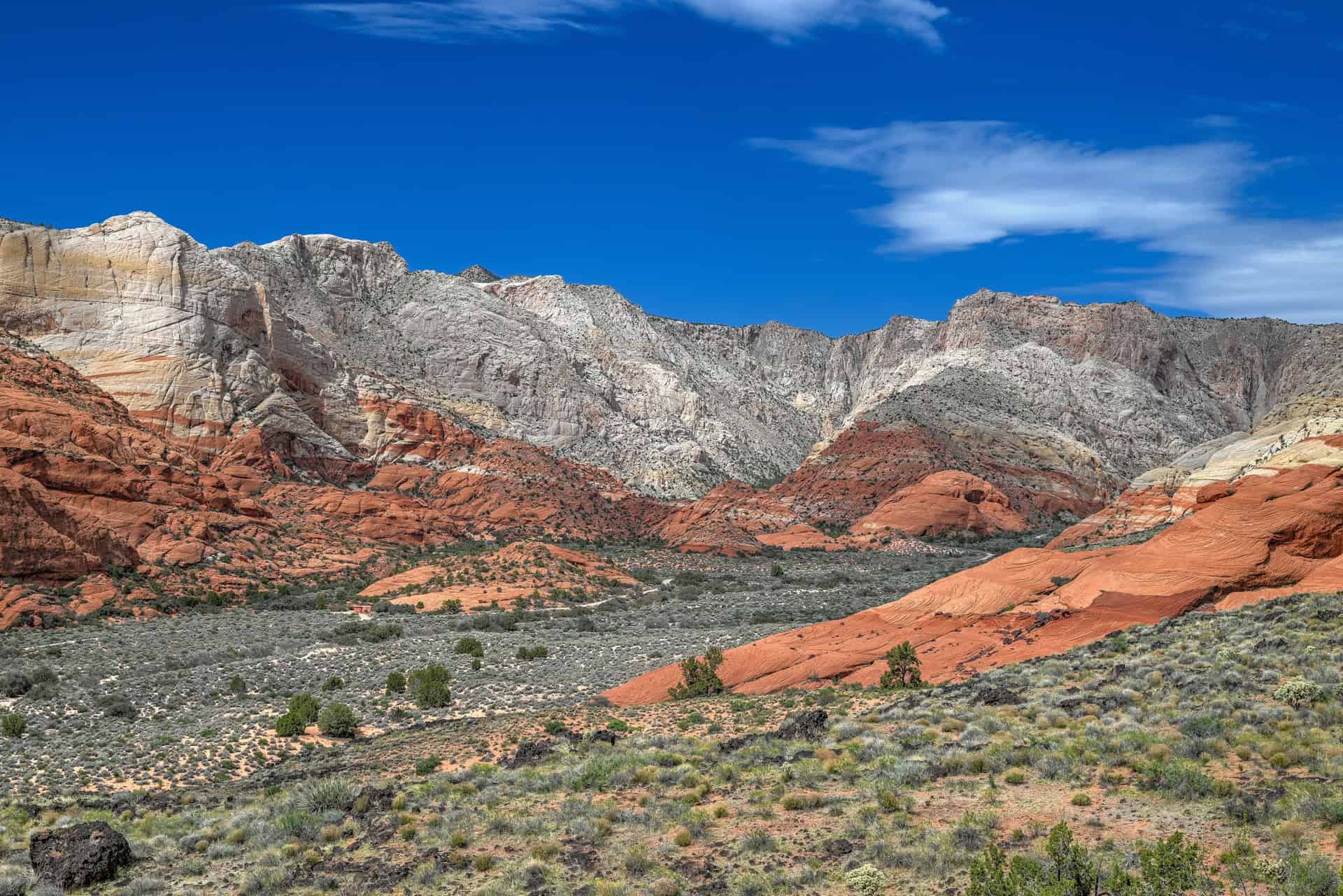
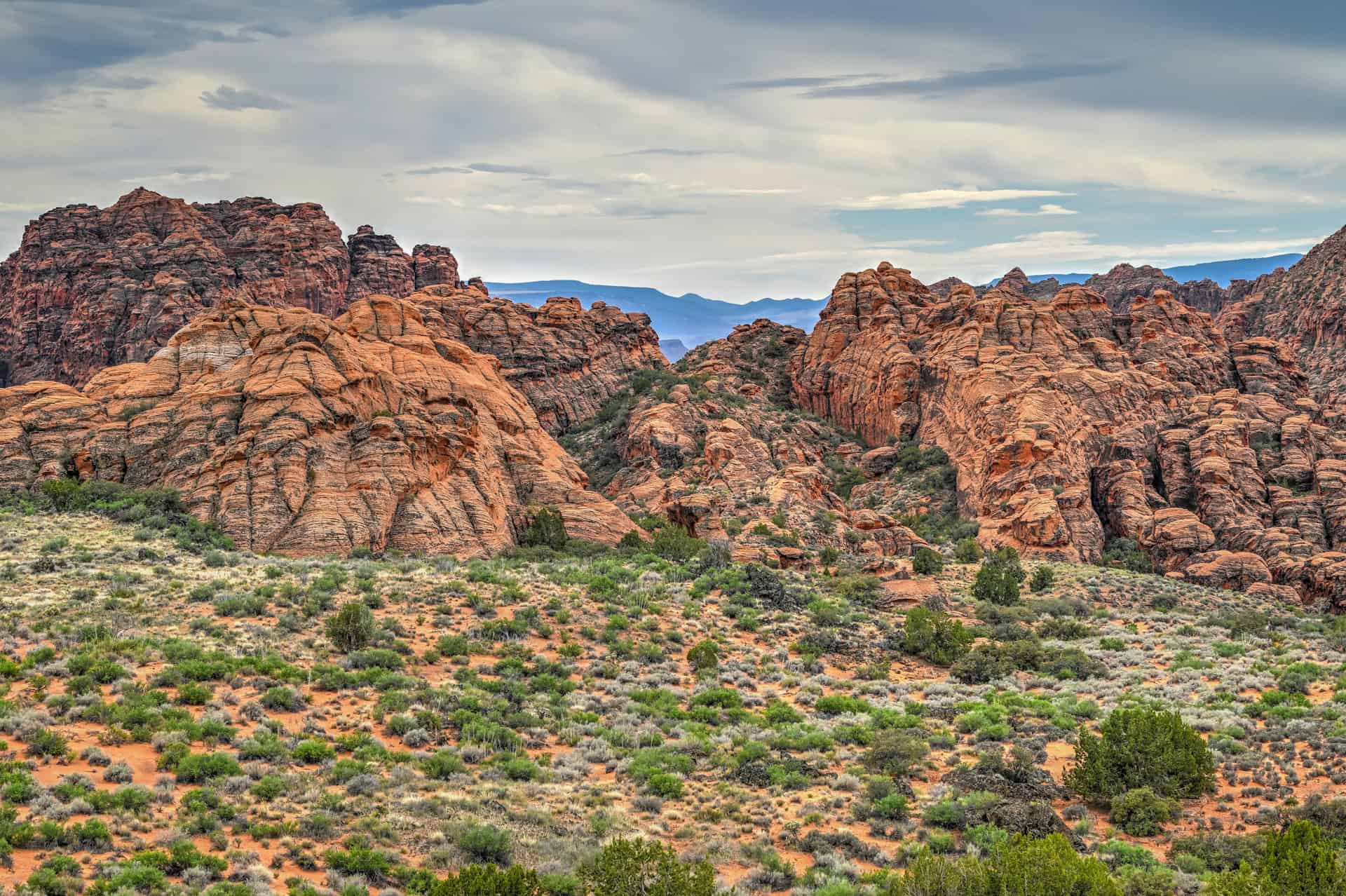
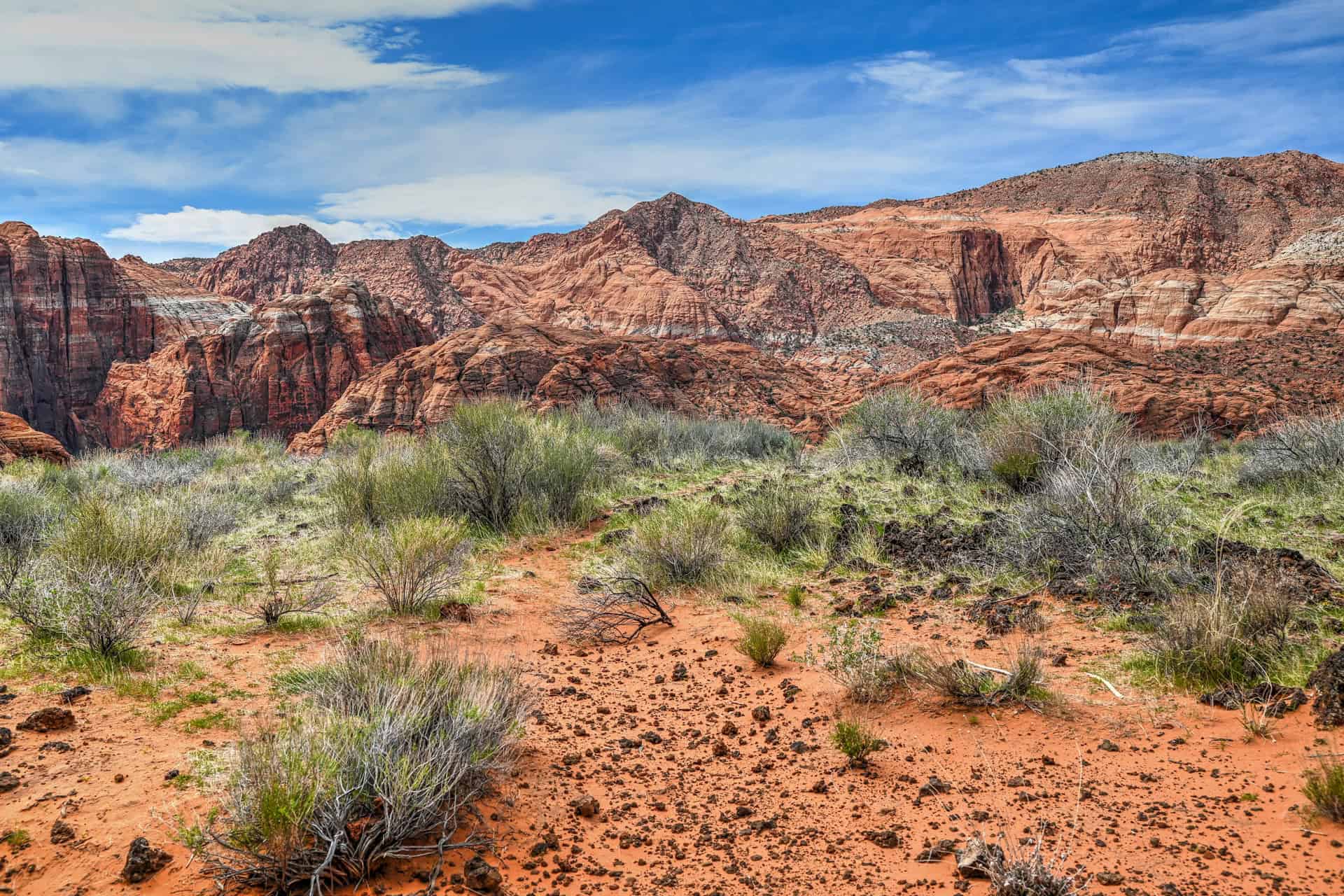
Snow Canyon State Park – Located just north of St. George, Utah, Snow Canyon offers a calmer, more intimate alternative to larger national parks. Lava fields, white-capped sandstone, slot-like canyons, and sweeping red cliffs create a landscape that’s ideal for short hikes and relaxed exploring. Trails like Petrified Dunes, Lava Flow, and Jenny’s Canyon offer big scenery with minimal time commitment. It’s close to the main route yet feels surprisingly peaceful, an excellent place to stretch your legs before continuing toward Zion.
Grafton Ghost Town – Just outside Springdale, Grafton is one of the West’s most atmospheric ghost towns. Restored pioneer buildings, open pastures, and cottonwood-lined lanes create a quiet, cinematic setting (it even appeared in Butch Cassidy and the Sundance Kid). It’s a short detour and a uniquely calm contrast to Zion’s busy main canyon, perfect for anyone who enjoys history, photography, or quieter moments before entering the park.




Disclosure: This page (Best Stops and Must-See Attractions Between Las Vegas and Zion National Park )may contain product affiliate links. At no additional cost to you, we may receive a commission for purchases made through these links. More details can be found on our disclosure and policies page.
How Long Is the Drive Between Las Vegas and Zion National Park?
Driving straight from Las Vegas to Zion National Park via I-15 takes roughly 160 miles (260 km) and typically 2½ to 3 hours without stops. It’s a fast and easy route, but going directly means passing by some of the region’s most impressive red-rock scenery, quiet state parks, and historic sites.
For a far more enjoyable and rewarding journey, we strongly recommend allowing extra time for at least a few standout highlights along the way: most notably Valley of Fire State Park, the dramatic Virgin River Gorge, the lava-and-sandstone landscapes of Snow Canyon State Park, and the atmospheric pioneer buildings of Grafton Ghost Town near Springdale. These stops require minimal detouring and showcase everything from swirling red sandstone and volcanic terrain to early Utah history and wide-open desert views.
With these scenic breaks included, most travellers spend 6 to 8 hours on the drive, allowing time for short walks, photo stops, and relaxed exploration. Those who want to linger longer at Valley of Fire, hike a trail in Snow Canyon, or spend extra time photographing Grafton may prefer dedicating a full day to the journey.
This guide to the best stops and must-see attractions between Las Vegas and Zion is designed to help you experience the route’s most rewarding viewpoints, state parks, and historic sites at a comfortable pace. We’ll also highlight optional detours and deeper-exploration opportunities if you wish to build a more leisurely or photography-focused day.
If you need to book a rental vehicle for your hiking excursion, we highly recommend using Discover Cars to get the best rates on your rental in Utah, Nevada and Arizona.
We also highly recommend Airalo (eSIM card) for your connectivity needs when travelling abroad. Airalo is the world’s first and largest eSIM store with eSIM plans for 200+ countries and regions worldwide.
Las Vegas to Zion – Driving Considerations
Altitude (and Weather) Changes
The drive from Las Vegas to Zion begins in the low Mojave Desert but climbs steadily into higher plateaus and canyon country, passing through several distinct elevation zones that can affect temperatures, wind, and driving conditions, especially outside of summer.
Las Vegas sits at roughly 2,000 ft (610 m). As you head northeast on I-15, the landscape gradually rises to about 2,500–3,000 ft (760–915 m) near Moapa Valley and the Valley of Fire turnoff. Farther northeast, the highway climbs into the Virgin River Gorge, where elevations fluctuate around 2,000–3,000 ft (610–915 m) amid steep canyon walls and winding curves.
Once you pass St. George, the elevation jumps significantly: the approach to Zion rises to roughly 3,900–4,500 ft (1,190–1,370 m), with even higher terrain on surrounding mesas and viewpoints. Zion’s main canyon floor sits at ~4,000 ft (1,220 m), meaning temperatures can be noticeably cooler than Las Vegas, especially in the mornings and evenings.
These elevation changes can easily create temperature swings of 10–20°F (6–11°C) along a single drive. From late fall through early spring, frosty mornings, icy patches, or light snow are possible, particularly around the upper approach roads near Springdale and in shaded canyon areas.
Fuel Stops
Fuel is easy to find along the Las Vegas –> Zion corridor, but there are a few long rural stretches, especially if you detour into Valley of Fire or Snow Canyon.
Reliable fuel stops include:
- Moapa / Glendale – Convenient stations just off I-15 and near the Valley of Fire turnoff.
- Mesquite – A good place to top up before crossing into Arizona.
- St. George – Full services and your last major hub before Zion.
- Springdale – More limited but reliable fuel options near the park entrance.
Cell Service
Coverage is generally strong from Las Vegas to Mesquite and again from St. George to Springdale, but gaps do exist:
- Portions of Valley of Fire State Park
- Sections of Snow Canyon State Park
- The Virgin River Gorge, where steep canyon walls cause intermittent coverage
- A few rural stretches between Glendale and St. George
A Note on Time Zone Changes
This drive almost always involves a time shift, depending on the season.
- Nevada (Las Vegas) – Pacific Time (PT), observes Daylight Saving Time
- Arizona (Zion) – Mountain Standard Time (MST), does not observe DST
- Utah – Mountain Time (MT), does observe DST
How this affects you:
- Early November to early March:
- Nevada and Utah are one hour apart (UT is +1).
- Arizona and Nevada share the same time.
- Zion (in Utah) is one hour ahead of Las Vegas.
- March to early November (DST):
- Utah and Nevada remain one hour apart (UT is +1).
- Arizona becomes one hour behind Utah and aligned with Nevada.
- Crossing into Zion, you gain one hour.
For simplicity: Zion is almost always one hour ahead of Las Vegas, except during a brief winter overlap.
Road Safety
All roads between Las Vegas and Zion are paved and well-maintained, but each major section has its own considerations:
I-15 (Las Vegas –> Valley of Fire turnoff –> Mesquite –> St. George)
A fast, wide interstate with heavy traffic near Las Vegas and occasional strong crosswinds. Expect tighter curves and reduced speeds through the Virgin River Gorge, where lanes narrow, and canyon walls rise steeply around you.
NV-169 / Valley of Fire Highway (Valley of Fire Detour)
Entirely paved and in good condition, but narrow and winding in places with low shoulders. Watch for bighorn sheep crossing the road.
UT-18 (St. George –> Snow Canyon region)
A smooth, straightforward highway with moderate traffic. If visiting Snow Canyon, note that some accesses involve short, narrow park roads.
UT-9 (La Verkin –> Springdale –> Zion)
This last stretch is scenic but can feel slow, with frequent pedestrian crossings, shuttle stops, and tourism-related congestion—especially in Springdale.
Inside Zion
If continuing into the main canyon, private vehicle restrictions apply much of the year. Shuttles are the primary transportation inside the park during peak seasons.
Driving at Night
Night driving is not ideal, especially through the Virgin River Gorge or the rural stretches between Glendale and St. George, due to limited lighting, wildlife crossings, and reduced visibility. not ideal due to wildlife crossings, limited lighting, and remote areas with no services.
Best Time of Year to Drive the Route
The Las Vegas –> Zion drive is enjoyable year-round, but conditions vary:
Spring (March–May)
Often the best time overall: comfortable temps, bright red rock scenery, and typically good visibility. Can be busy near Zion.
Fall (September–October)
Another excellent period with mild weather and colorful foliage along the Virgin River corridor.
Summer (June–August)
Very hot near Las Vegas and the lower desert sections. Start early and bring plenty of water. Zion itself will be busy, and afternoon monsoon storms are common in July and August. Several sections of the Valley of Fire close during the summer months due to extreme heat.
Winter (November–February)
Generally mild around Las Vegas, but Zion can have chilly mornings, occasional snow, icy shaded areas, and limited-service days. Conditions in the Virgin River Gorge may vary after storms.
Best Stops Between Las Vegas and Zion National Park
The following attractions are listed from west to east, in the order you’ll encounter them when traveling from Las Vegas toward Zion National Park via I-15.
Valley of Fire State Park
1 hour from Las Vegas (link to Google Maps)
Why stop here:
Valley of Fire is Nevada’s oldest and largest state park, and it lives up to the name: vast expanses of bright red Aztec sandstone formations rise dramatically from the desert floor, sculpted over millennia by wind and water. The park feels otherworldly, with twisting canyons, petroglyphs, and surreal rock shapes that make every turn feel like a movie set. Whether you’re stopping for a short scenic drive or a quick hike, the park’s vibrant colors and striking contrasts make it an unforgettable desert experience.
What you’ll find:
A network of short trails (like Fire Wave and Rainbow Vista), picnic areas, viewpoints, and historic petroglyph panels. Most stops are easily accessible from the main roads, so even a short visit gives you plenty of dramatic photo opportunities.
Important to know:
The America the Beautiful Pass is not accepted here. Several trail and park sections are closed to the public during the warmer summer months for safety reasons.
Time required:
30 minutes to 3 hours, depending on how many viewpoints and trails you explore. We recommend planning for about 2 hours to enjoy the main highlights. For more information and planning tips, see our detailed visiting guide for Valley of Fire State Park.


St George
1h30 from Valley of Fire (link to Google Maps)
Why stop here:
St. George is the perfect lunch stop when you’re heading north toward Zion. This charming southwestern Utah city blends a vibrant downtown with a laid-back desert vibe, and it’s full of cafes, diners, and local eateries that cater to road-trippers. Whether you’re craving a hearty burger, fresh Mexican cuisine, or a quick coffee and pastry, St. George has plenty of options to recharge before hitting the scenic backroads.
What you’ll find:
Downtown streets are lined with boutique shops, coffee shops, and restaurants. Nearby parks and riverwalks offer a chance to stretch your legs, and if you have time, a quick detour to Snow Canyon State Park (see below) is just a short drive out of town.
Time required:
30–90 minutes, depending on how long you linger for lunch and a short walk.
Snow Canyon State Park
15 minutes from St. George (link to Google Maps)
Why stop here:
Snow Canyon offers a quieter, more intimate desert experience than some of the larger national parks nearby. Lava flows, towering red cliffs, and sandy washes create a stunning playground for short hikes and photography. The park is a natural transition from the city to the rugged scenery of southern Utah, making it a great way to stretch your legs and breathe in the red-rock desert air.
What you’ll find:
Several easy-to-moderate hikes, including Jenny’s Canyon and the Petrified Dunes trail, as well as picnic areas and scenic viewpoints. The park’s compact size makes it easy to explore without committing to a full-day adventure, and the contrast of red rocks against the blue sky is especially striking in late afternoon light.
Important to know:
The America the Beautiful Pass is not accepted here.
Time required:
1h – 3h, depending on the trail(s) you choose. We recommend planning for about 2 hours in the park to see the main highlights.
For more details and planning tips, see our detailed visiting guide for Snow Canyon State Park.


Grafton Ghost Town
20 minutes from Zion – 1h from St. George (link to Google Maps)
Why stop here:
Grafton is one of Utah’s most photographed ghost towns, and it’s easy to see why. Founded in the 1850s along the Virgin River, this small settlement was eventually abandoned due to flooding and isolation. Today, crumbling adobe homes and a solitary church ruin sit against the backdrop of towering red cliffs and desert mesas, giving the area an eerily beautiful, cinematic quality. Even a quick stop here captures the essence of Utah’s pioneer history and rugged landscapes.
What you’ll find:
Ruins of old homes, a small cemetery, and the iconic brick church. There are no services, so bring water and wear sturdy shoes if you plan to explore. Photography is definitely the main draw.
Time required:
15–60 minutes, depending on how long you want to linger.
For more details and planning tips, see our detailed Grafton Ghost Town visiting guide.


Our Suggested One-Day Itinerary: From Las Vegas to Zion
The following suggested stops create a relaxed, scenic, and varied day, enough to experience the best of the region has to offer.
Morning: Las Vegas –> Valley of Fire –> St. George
Leave Vegas around 7:30-8:00 a.m.
Valley of Fire State Park – plan for about 2h
Enjoy Nevada’s striking red sandstone formations, twisting canyons, and petroglyphs. Stop at one or two viewpoints along the main park roads, with Fire Wave or Elephant Rock as highlights. Even a short walk or a few quick photos will capture the park’s dramatic colors.
St. George, Utah – plan for about 1h (including lunch)
A perfect midpoint to refuel. If you leave Vegas around 7:30 am and spend two hours in Valley of Fire, you’ll likely arrive in St. George around noon. Downtown St. George offers a variety of restaurants and cafes: we can particularly recommend Cafe Feellove, is a cozy, stylish café where you can enjoy coffee, pastries, sandwhiches and many brunch options in a warm inviting atmosphere.
Afternoon: Snow Canyon & Grafton Ghost Town –> Zion
Snow Canyon State Park – plan for about 2 hours
Just outside St. George, Snow Canyon is a compact red-rock playground. Hike the Petrified Dunes trail or Jenny’s Canyon for short, scenic excursions. Lava flows, sandy washes, and towering cliffs make for excellent photos without needing a full-day hike.
Grafton Ghost Town – plan for about 30 minutes
Continue toward Zion Country and stop at this iconic ghost town. The crumbling adobe homes and small church ruin, set against towering red cliffs, create a cinematic backdrop. Perfect for photos and a quick walk through pioneer history.
From Grafton, you are only a 20-minute drive from Springdale, Zion’s gateway town, where charming shops, restaurants, and easy access to the park’s shuttle system make it the perfect base for exploring the iconic canyons.
Total Time Estimate for the One-Day Itinerary
This suggested route creates a relaxed, scenic, and varied day, enough to experience the highlights without rushing or stretching the drive too long. Following this itinerary will take roughly 8-9 hours, which will coincide with the check-in times of most accommodation options in Springdale
Optional Detours
While the main route between Las Vegas and Zion already includes world-class stops like Valley of Fire, Snow Canyon, and Grafton, there are several additional attractions nearby that can add variety to your trip. Most require extra drive time or a small reroute, so they’re best suited for travelers with a flexible schedule or those planning an overnight along the way.
Lake Mead National Recreation Area – Just east of Las Vegas, Lake Mead offers a mix of desert scenery, calm-water coves, picnic areas, and scenic pullouts. Although it doesn’t sit directly on the Las Vegas–Zion corridor, it’s an easy add-on for travelers starting their day in Vegas, as it leads to Valley of Fire’s eastern entrance, especially if you’re looking for sunrise views, a quiet shoreline walk, or a place to paddle before heading north. Plan on adding 45–90 minutes, depending on how long you want to explore.
Moapa Valley National Wildlife Refuge – A tiny but peaceful refuge located near the communities of Moapa and Glendale, about 15 minutes off I-15. This quiet stop offers short boardwalk trails, desert springs, and bird-watching opportunities. It’s a gentle, low-effort detour ideal for nature lovers, though keep in mind that the refuge has limited hours and does represent a modest deviation from the direct route.
Red Cliffs National Conservation Area – Located near St. George, this sprawling landscape of sandstone cliffs, desert washes, and lava formations sits just a few minutes off I-15. It’s a great alternative or add-on for travelers who want a quieter hiking experience than Zion. Trails like Red Reef and Babylon Arch offer classic desert scenery without the crowds. The detour is minor, usually no more than 15–20 minutes of additional driving.
Kolob Canyons (Zion National Park) – Located off I-15 at Exit 40, Kolob Canyons is part of Zion National Park but feels worlds apart from the main canyon. Its towering red cliffs and narrow finger canyons are incredibly scenic, and the Kolob Canyons Road is one of the most beautiful short drives in southern Utah. Visiting adds roughly 45–90 minutes, depending on hiking plans. While not far from the main route, it is a meaningful addition and best for travelers who aren’t rushing to reach Springdale or who actually want to overnight in the Kolob Canyon area.
Cathedral Gorge State Park – A beautiful but more distant detour located near Panaca, Nevada. Known for its maze-like clay spires and narrow slot-like passages, Cathedral Gorge offers a landscape unlike anything else on the Vegas–Zion corridor. However, visiting requires a significant reroute north of the direct path: it adds a good hour of extra driving time plus whatever time is spent exploring the park. It’s best for travelers planning an overnight stop in the region or those building a broader Nevada road trip.
The Destination: Zion National Park
Located roughly an hour northeast of Snow Canyon, Zion marks a dramatic shift in scale, scenery, and energy. The moment you enter the main canyon, the landscape rises thousands of feet around you: massive sandstone cliffs, narrow river-carved corridors, hanging gardens, and canyon walls that glow gold and orange in the late-afternoon light. It’s one of the most iconic national parks in the American Southwest, and for many travellers, it’s a bucket-list destination.
Zion offers an incredible range of hikes, from gentle riverside walks to steep canyon ascents. While world-famous routes like The Narrows and Angels Landing draw the biggest crowds, some of our favorite trails lie slightly off the main tourist radar yet deliver equally unforgettable views. Routes such as Observation Point and sections of the West Rim Trail give you wide-open panoramas, quieter stretches of trail, and a stronger sense of Zion’s wild side, all without the shoulder-to-shoulder congestion that can define the park’s most popular routes.


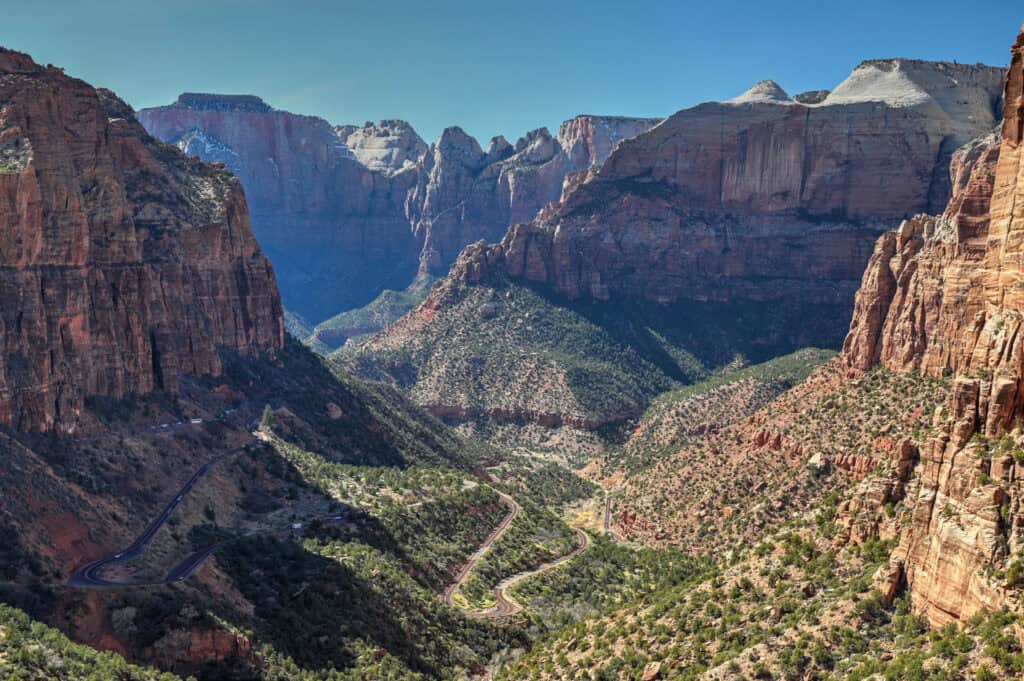
For more information and planning tips, see our detailed guide on visiting Zion National Park.
Explore More Utah Roadtrip Guides
Continue exploring Utah with these detailed guides:
Best Stops and Attractions Between Zion and Bryce Canyon
Best Stops and Attractions Between Bryce and Moab
Best Stops and Attractions Between Moab and Monument Valley
Photography Gear
If you like our photography, you might be interested in some of the gear we use to shoot our travel and hiking destinations.
Camera Body – Nikon Z 6ii Fx-series Mirrorless Body
Main Lens – NIKON 24-120mm F/4G ED VR AF-S
Zoom Lens – Sigma 745-306 150-600mm f/5-6.3
Polarizing filters – Urth Circular Polarizing (CPL)
Camera Tripod – K&F Concept 64-inch Camera Tripod
Mini-tripod – Lammcou Flexible Camera Tripod
Camera/hiking backpack – Vanguard Alta Rise 48 Backpack
Universal Travel Adapter – VYLEE Universal International Power Travel Plug
Other Travel Essentials
Travel Insurance
SafetyWing is a travel insurance company that offers comprehensive coverage for travellers. Includes Medical Insurance and Travel Insurance. Primarily geared towards long-term travellers, digital nomads, and expats.
e-Sim cards
Airalo is the world’s first and largest eSIM store with eSIM plans for 200+ countries and regions worldwide. With Airalo eSIMs, travellers can get connected the moment they land at their destination and avoid nasty data roaming charges
eSIMS are a sustainable alternative to single-use SIM cards – they are 100% digital, require less energy to produce and be re-used rather than disposed of.
Car Rentals
Discover Cars is our go-to website for car rentals. We almost always find our preferred rate there.
Transfer from Airport
Welcome Pickups is our favourite private transfer service, which you can pre-book at a fixed price. Currently available in 220 cities all over the world (mostly in Europe, but with several major cities in Asia, the Middle East and the US).
Kiwitaxi is another private transfer service – we haven’t tried it yet, but it’s currently available in a few more countries (102 as of 2024).
Hotels and Accommodations (coming soon)
Photography Prints
If you found this blog useful, you can help support our blog by purchasing low-cost digital prints. Printed physical prints are also available for purchase.


—–
Well, that wraps it up! We hope you enjoyed our Travel Guide on the Best Stops Between Las Vegas and Zion National Park, and that it will prove useful for planning your trip.
—–
You might also be interested in these related pages: